What are the best makeup brushes for blending?
The best makeup brushes for blending use soft, densely packed yet flexible bristles that diffuse pigment evenly without harsh lines. High-quality blending brushes improve control, reduce patchiness, and help achieve smooth, professional-looking eyeshadow with minimal effort—even for beginners.
Best Makeup Brushes for Blending: Features That Matter
The best makeup brushes for blending can completely transform how your eyeshadow looks and wears throughout the day. From choosing the best brushes for blending eyeshadow smoothly to mastering techniques for flawless eye makeup blending, the right tools make all the difference. You’ll also learn exactly how to use blending brush correctly for seamless, airbrushed results—even if you’re a beginner. Ready to unlock pro-level blending secrets most people miss?
⏱ 6 min read
Ever feel like your eyeshadow looks patchy no matter how hard you try? Or that blending takes forever—and still doesn’t look smooth?
Which brush actually gives that soft, airbrushed finish? Let’s break it down so you can finally get effortless results.
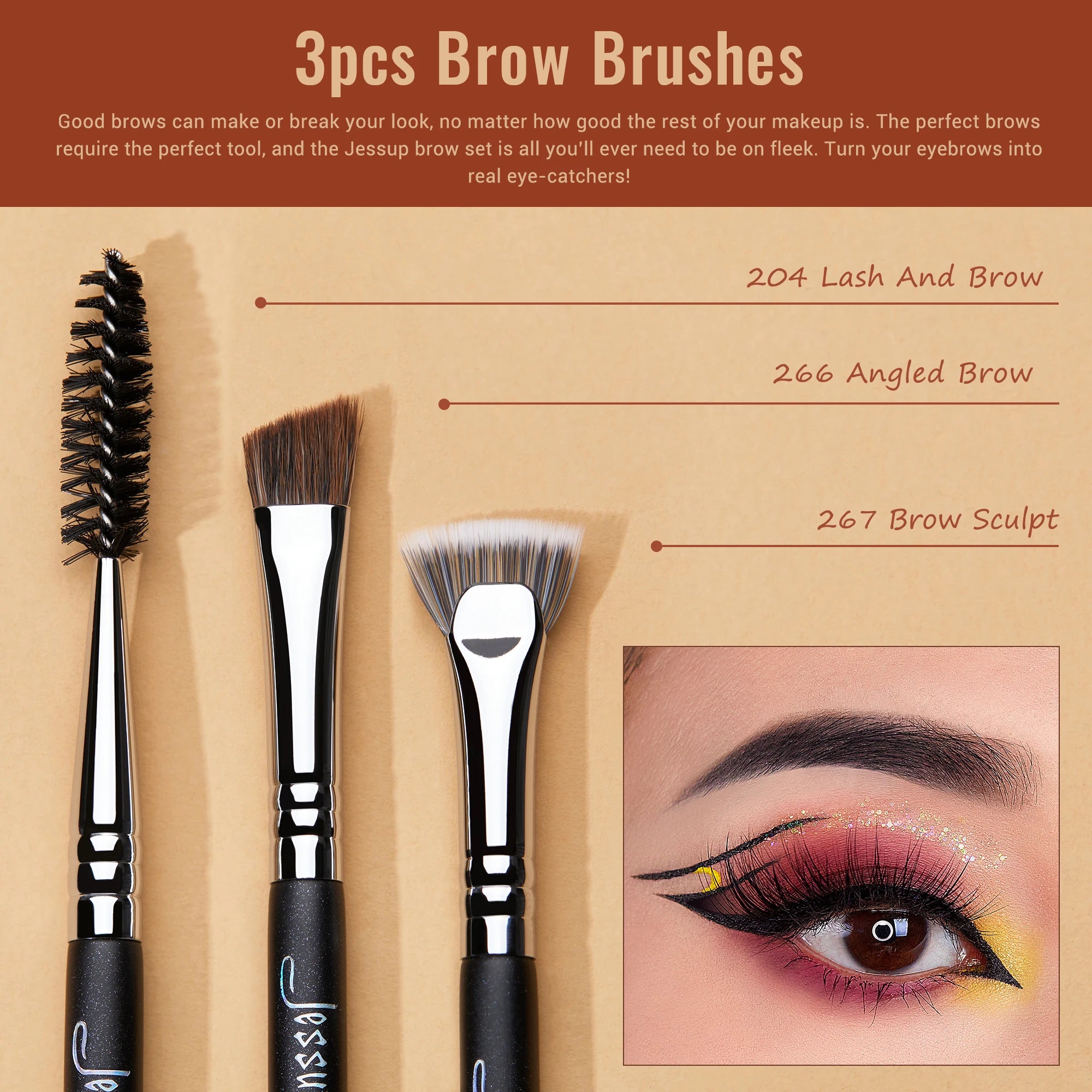
Best makeup brushes for blending for seamless eyeshadow results 💡 See it in action
Why the Right Blending Brushes Instantly Improve Your Makeup
Blending is where most eye looks succeed—or fail.
The difference between harsh, uneven shadow and a soft, professional finish often comes down to one thing: your brush quality.
- Cheap brushes drag pigment → uneven patches
- Stiff bristles create harsh edges
- Poor shapes make blending slow and frustrating
- Low-density fibers fail to diffuse color properly
On the other hand, the best brushes for blending eyeshadow smoothly:
- Diffuse color effortlessly
- Save time during application
- Create seamless gradients
- Make even beginner looks appear polished
Features That Deliver Smooth, Professional Blending
The best makeup brushes for blending combine ultra-soft fibers, balanced density, and precision shaping to diffuse pigment evenly without streaks. They reduce patchiness, improve control, and create seamless gradients, helping you achieve flawless eye makeup blending faster with less effort—even when using bold or dark shades.
1. Ultra-Soft Synthetic Bristles for Seamless Diffusion
Soft bristles glide over the skin, distributing pigment evenly without lifting previous layers.
Why it matters:
- Prevents patchiness
- Reduces irritation around delicate eye area
- Allows smooth color transitions
2. Fluffy Dome Shape for Controlled Blending
The ideal blending brush has a slightly tapered, fluffy shape.
This allows:
- Precision in the crease
- Soft diffusion at edges
- Layering without muddying colors
3. Balanced Density for Buildable Coverage
Too dense = harsh color. Too loose = no payoff.
The best brushes strike a balance:
- Pick up enough pigment
- Blend without removing product
- Create smooth gradients
4. Ergonomic Handle for Better Control
A lightweight, balanced handle helps guide small circular motions—essential for flawless blending.
Which Brush Types Give You Flawless Results Faster
Not all blending brushes do the same job. The right combination gives the best results.
| Brush Type | Best Use | Result |
|---|---|---|
| Fluffy Blending Brush | Soft transitions | Airbrushed finish |
| Tapered Crease Brush | Precision blending | Defined crease |
| Small Detail Blender | Lower lash line | Controlled blending |
| Dense Shader Brush | Color packing | Intense pigment base |
Using multiple brushes—like in a complete set—helps you achieve dimension and depth effortlessly.
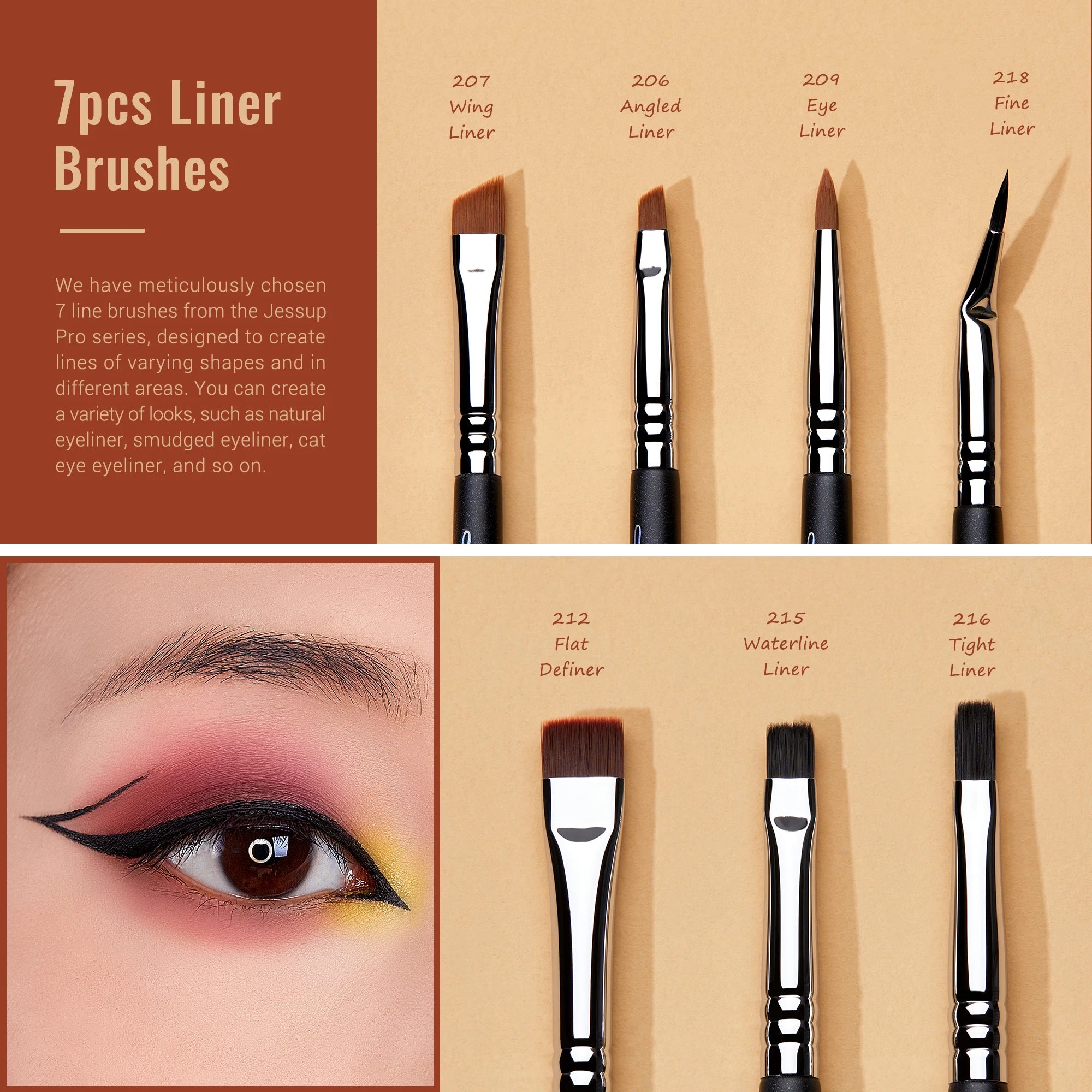
Best brushes for blending eyeshadow smoothly for pro-level finishes 💡 See it in action
Comparison: High-Quality vs Low-Quality Blending Brushes
| Feature | High-Quality Brushes | Low-Quality Brushes |
|---|---|---|
| Bristles | Soft, flexible | Rough, stiff |
| Blending | Seamless | Patchy |
| Control | Precise | Unpredictable |
| Durability | Long-lasting | Sheds easily |
💬 User insight: 87% of users reported smoother blending after switching to higher-quality brushes.
How to Use Blending Brush Correctly for Airbrushed Eyeshadow
- Start with a clean, fluffy blending brush
- Pick up a small amount of product
- Tap off excess to avoid fallout
- Use light circular motions in the crease
- Blend edges using windshield-wiper motions
- Layer gradually instead of applying too much at once
Pro tip: Hold the brush near the end of the handle for lighter pressure and better blending.
- Less pressure = smoother finish
- More motion = better diffusion
- Patience = professional results
Real Results: What Users Notice After Switching
Switching to better blending brushes doesn’t just improve your makeup—it changes your entire routine.
- ⏱ Faster application time
- ✨ Smoother, more polished looks
- 💖 Increased confidence
- 🎯 Better control with bold colors
💬 “My eyeshadow finally looks blended, not patchy. It’s like a filter in real life.”
💬 “I used to avoid dark shades—now I love them.”
Upgrade Your Beauty Routine for Better Results
Blending tools are just one part of a complete beauty routine.
For enhanced results, consider pairing your brushes with tools from:
- Skin and Beauty Care Devices for smoother skin prep
- Eye Care Devices to reduce puffiness before makeup
- Hair Care and Styling Devices for a complete polished look
Better prep + better tools = dramatically better results.
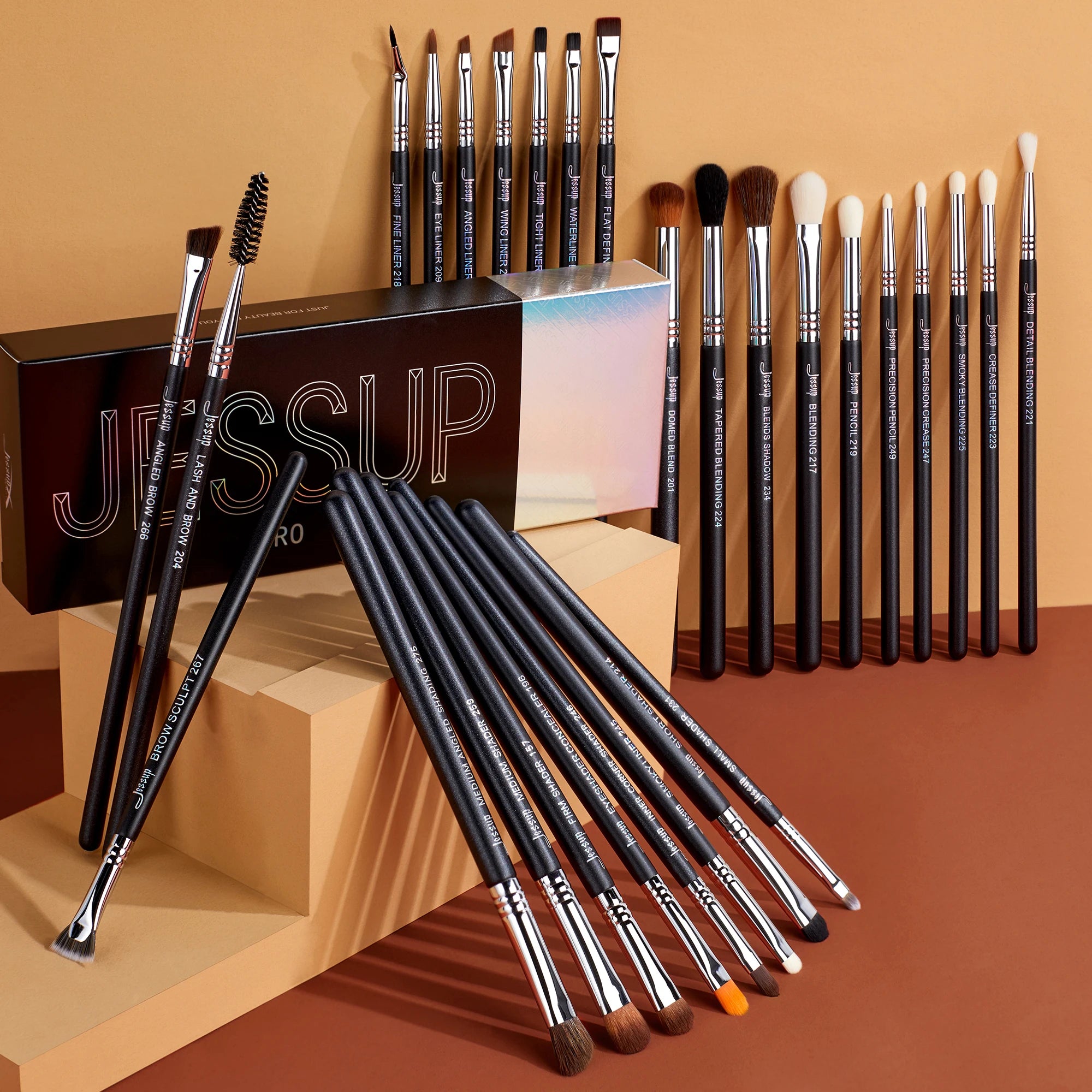
How to use blending brush correctly for flawless eye makeup blending 💡 See it in action
Frequently Asked Questions
What makes a blending brush different from other brushes?
A blending brush is softer and fluffier, designed to diffuse eyeshadow rather than pack it on. This helps create smooth transitions between colors.
How many blending brushes do I need?
At least two: one for applying color and one clean brush for blending edges. A full set offers more flexibility.
Can beginners achieve professional results?
Yes. Using the best makeup brushes for blending significantly improves results, even with basic techniques.
How often should I clean blending brushes?
Ideally once a week to prevent buildup and ensure smooth application.
Why does my eyeshadow still look patchy?
Common causes include poor brush quality, too much product, or improper blending technique.
Pillar Article: High Quality Makeup Brush Set: What Makes It Worth It
Other Related Articles:
Explore More: