

Best Muscle Stimulation Machines of 2026: Tested & Compared
Muscle stimulation machines can look similar at first glance, but they are not all designed for the same goal. Some focus on electrical muscle activation, while others are intended primarily for pain management or rehabilitation. Before choosing a device, it is important to understand the difference between EMS, NMES, and TENS, then compare stimulation controls, coverage, usability, safety information, and intended use.
This guide focuses on the decision factors that matter when evaluating muscle stimulation machines for muscle activation, body sculpting, recovery support, home use, and professional-style applications. It also takes a clinically responsible approach: electrical stimulation should complement appropriate exercise, recovery, or professional care rather than replace them. :contentReference[oaicite:0]{index=0}
Best Muscle Stimulation Machines at a Glance
There is no single best muscle stimulation machine for every user. The right choice depends on whether your priority is muscle activation, recovery, portability, home convenience, or body contouring.
- Best for Body Sculpting & Multi-Area Muscle Stimulation: EMS Body Slimming Machine for Muscle Toning & Body Sculpting
- Best for Abdomen, Arms, Legs & Glutes: EMS Body Slimming Machine for Muscle Toning & Body Sculpting
- Best for Professional-Style Body Contouring: EMS Body Slimming Machine for Muscle Toning & Body Sculpting
- Best for Flexible Multi-Area Positioning: EMS Body Slimming Machine for Muscle Toning & Body Sculpting
How We Chose the Winner
The evaluation framework prioritizes stimulation capability, adjustable operation, muscle-area coverage, usability, comfort considerations, verified specifications, safety information, and overall fit for the intended use. For portable consumer stimulators, battery life, charging, compactness, and electrode placement can also be important. For professional-style systems, treatment flexibility, display controls, multi-area positioning, cooling, and operating specifications become more relevant.
For the product reviewed in this guide, the documented specifications include electromagnetic muscle stimulation, a 5–100 Hz frequency range, four handles, a 15.6-inch display, intelligent air cooling, AC 110–220V power compatibility, and a one-year warranty. :contentReference[oaicite:1]{index=1}
If your broader goal is to explore body-focused devices, you can also browse Body Care and Health Devices for related equipment.
For shoppers specifically interested in electromagnetic body sculpting, the EMS Body Slimming Machine for Muscle Toning & Body Sculpting is designed around multi-area muscle stimulation and body-contouring applications rather than the compact electrode-pad format used by many portable stimulators.
How We Tested Muscle Stimulation Machines
A useful comparison should go beyond counting features. Muscle stimulation devices need to be evaluated according to how their controls, stimulation system, coverage, and intended use fit the user's actual goal. A machine with a long feature list is not automatically a better choice.
Stimulation Intensity and Program Testing
Important factors include the available stimulation range, adjustment controls, operating modes, preset programs, and the consistency of stimulation. Users should also consider whether the device is intended for general muscle stimulation, activation-focused routines, recovery support, rehabilitation, or body contouring.
The documented EMS Body Slimming Machine uses electromagnetic muscle stimulation and provides a stated frequency range of 5–100 Hz. Its product description also identifies adjustable operating modes intended to support muscle training and body contouring. :contentReference[oaicite:2]{index=2}
Coverage, Positioning, and Comfort
Coverage matters because different goals may require access to different muscle groups. A device intended for one localized area has a different practical advantage from a system designed to target multiple regions.
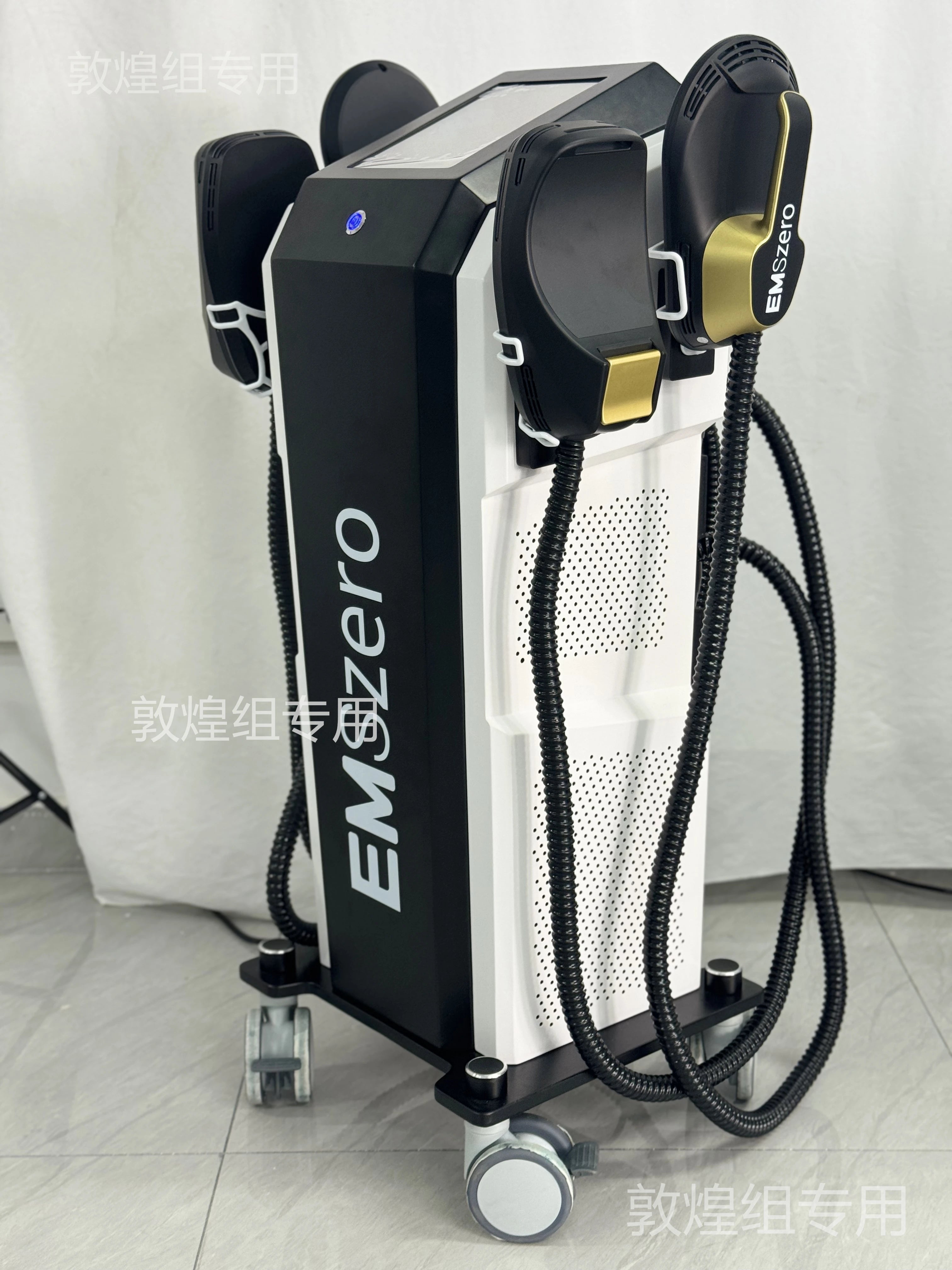
The EMS Body Slimming Machine has four handles, allowing multi-area treatments and flexible positioning. The documented target areas include the abdomen, arms, legs, and glutes. :contentReference[oaicite:3]{index=3}
Usability and Real-World Operation
For a professional-style system, usability includes the display, operating controls, positioning flexibility, power requirements, and cooling system. The reviewed machine uses a 15.6-inch display and intelligent air cooling, features intended to support operation and consistent use. :contentReference[oaicite:4]{index=4}
EMS vs NMES vs TENS: What's the Difference?
One of the most important purchasing decisions is identifying the type of electrical stimulation you actually need. EMS, NMES, and TENS are related technologies, but they should not be treated as interchangeable.
What Is Electrical Muscle Stimulation (EMS)?
EMS refers broadly to electrical muscle stimulation. The objective is to stimulate muscles and produce electrically induced contractions or muscle activation. Consumer and professional systems may use EMS for muscle conditioning, activation, or other body-focused applications.
The EMS Body Slimming Machine described in the supplied product information uses electromagnetic muscle stimulation and is positioned for muscle toning, strengthening, body shaping, and body-contouring applications. :contentReference[oaicite:5]{index=5}
What Is Neuromuscular Electrical Stimulation (NMES)?
NMES is a form of stimulation specifically associated with activating nerves that control muscles. It can be relevant to muscle activation and rehabilitation contexts, where appropriate device selection and professional guidance may be important.
What Is TENS?
TENS stands for Transcutaneous Electrical Nerve Stimulation. Unlike muscle-focused stimulation systems, TENS is generally associated with nerve stimulation and pain-management applications. It should therefore not be selected simply because a product description contains the words “electrical stimulation.”
EMS, NMES, and TENS Comparison
| Technology | Primary Focus | Muscle Contraction | Typical Consideration |
|---|---|---|---|
| EMS | Muscle stimulation and activation | May produce muscle contractions | Muscle conditioning, activation, and body-focused applications |
| NMES | Neuromuscular muscle activation | Designed to activate muscles through associated nerves | Activation and rehabilitation contexts |
| TENS | Nerve stimulation | Not primarily intended for muscle strengthening | Pain-management applications |
Best Muscle Stimulation Machine of 2026: Detailed Review
Best for Body Sculpting: EMS Body Slimming Machine
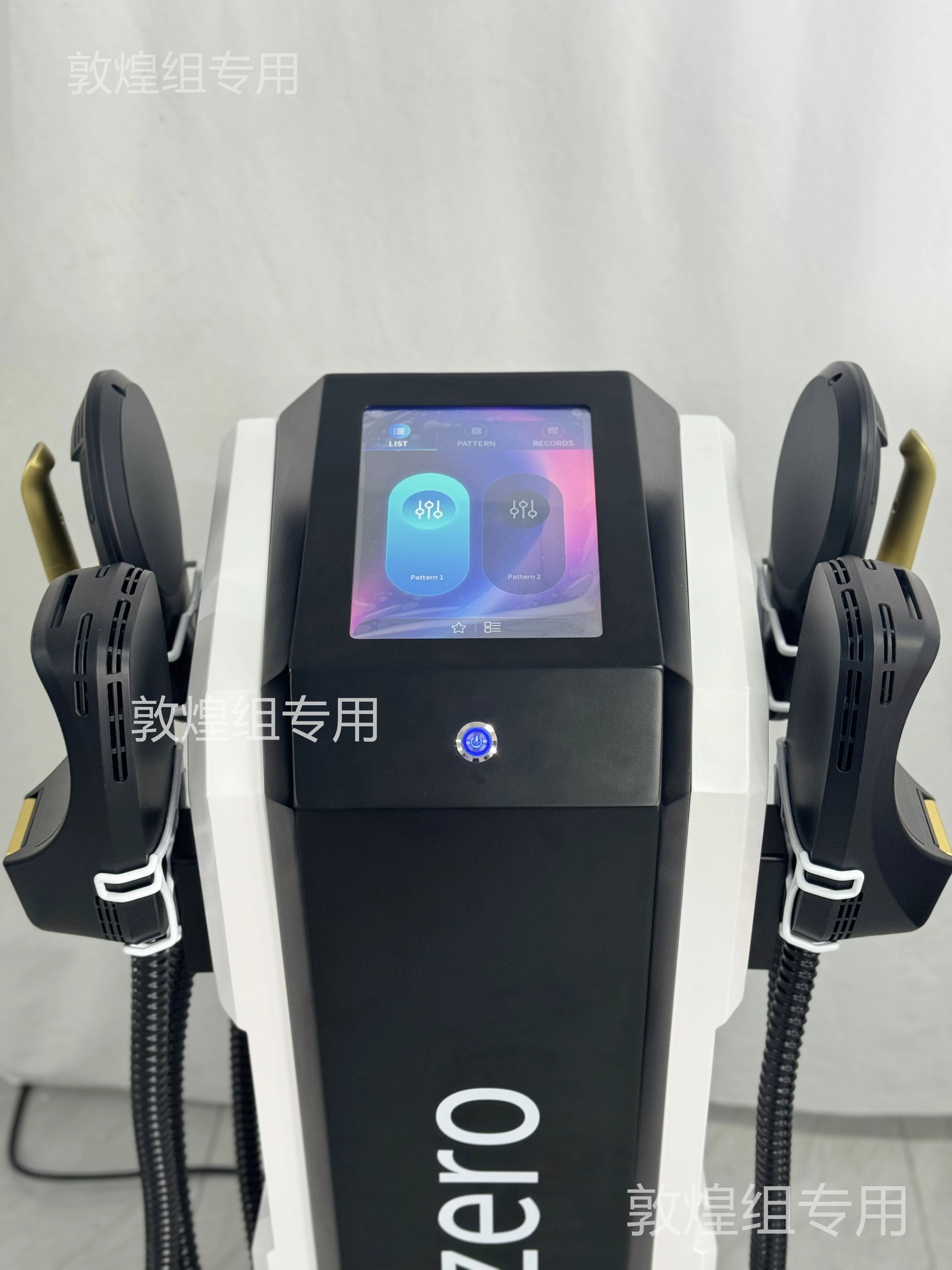
For users specifically looking for a professional-style electromagnetic muscle stimulation system for body sculpting and multi-area muscle toning, the EMS Body Slimming Machine is the strongest documented option in this comparison.
The system is designed for both professional and home-use environments and combines HI-EMT-inspired electromagnetic stimulation with adjustable operating modes. Its stated applications include muscle training and body contouring, with focused electromagnetic energy targeting the abdomen, arms, legs, and glutes. :contentReference[oaicite:6]{index=6}
Its four-handle configuration is particularly relevant for shoppers who want flexibility across multiple body areas rather than a device designed around a single electrode configuration. The 15.6-inch display also provides a larger control interface than the compact handheld controllers commonly associated with portable stimulation devices.
Key Specifications
- Technology: Electromagnetic muscle stimulation
- Frequency: 5–100 Hz
- Maximum output: 6500W
- Power: AC 110–220V, 50/60Hz
- Display: 15.6-inch screen
- Material: ABS + TPR
- Handles: Four
- Cooling: Intelligent air cooling
- Warranty: 1 year
These specifications are manufacturer-provided product information and should be considered alongside the device's intended use, operating instructions, and applicable safety guidance. :contentReference[oaicite:7]{index=7}
Pros
- Electromagnetic muscle stimulation designed for muscle toning and body sculpting.
- Four handles support multi-area positioning.
- Targets the abdomen, arms, legs, and glutes.
- 5–100 Hz stated frequency range.
- 15.6-inch display provides a large operating interface.
- Intelligent air cooling supports comfortable, consistent operation.
- Designed for professional and home-use environments.
Cons
- The system is substantially more equipment-oriented than a compact portable stimulator.
- Its suitability depends on the user's specific body-contouring or muscle-stimulation goal.
- The supplied specifications do not establish that it replaces exercise, rehabilitation, or professional care.
- The supplied product information does not provide comparative clinical outcome data against other stimulation technologies.
- Users with relevant medical or device-related risk factors should review contraindications and seek appropriate professional guidance.
For readers who want a system specifically aligned with body sculpting and multi-area electromagnetic stimulation, the EMS Body Slimming Machine offers a documented combination of four handles, adjustable operation, electromagnetic stimulation, and body-area flexibility.
Muscle Stimulation Machine Comparison Matrix
Because muscle stimulation machines serve different purposes, the most useful comparison is based on the feature or use case that matters most rather than assuming maximum intensity automatically means maximum value.
| Decision Factor | What to Look For | EMS Body Slimming Machine |
|---|---|---|
| Primary application | Muscle stimulation and intended use | Muscle toning and body sculpting |
| Stimulation technology | Clearly stated technology | Electromagnetic muscle stimulation |
| Frequency | Available operating range | 5–100 Hz |
| Body-area coverage | Number and flexibility of treatment positions | Abdomen, arms, legs, glutes; four handles |
| Display | Control interface | 15.6-inch display |
| Cooling | Thermal-management feature | Intelligent air cooling |
| Power | Electrical requirements | AC 110–220V, 50/60Hz |
| Warranty | Manufacturer warranty coverage | 1 year |
| Best fit | Primary user goal | Multi-area body sculpting and muscle toning |
How to Choose the Right Muscle Stimulation Machine
1. Choose the Right Stimulation Type
Start with your actual objective. If your goal involves muscle stimulation or activation, an EMS or NMES-oriented system may be more relevant than a TENS device. If your primary concern is pain management, a muscle-focused machine may not be the appropriate category.
2. Check Stimulation Intensity and Program Options
Look beyond a single maximum-output number. Useful specifications include frequency range, adjustable intensity, operating modes, preset programs, and the manufacturer's intended applications. More power is not automatically better, particularly when comfort, appropriate positioning, and intended use are taken into account.
3. Evaluate Coverage and Positioning
Consider how many body areas you expect to target and how easily the system can be positioned. Multi-handle designs can be useful when users want flexibility across several muscle groups. The reviewed EMS Body Slimming Machine uses four handles and is designed to target the abdomen, arms, legs, and glutes. :contentReference[oaicite:8]{index=8}
4. Consider Portability and Setup
Portable muscle stimulators and larger professional-style systems serve very different needs. A compact device may be preferable when travel and quick setup are priorities. A larger system can make more sense when multi-area treatment flexibility and a larger control interface are more important.
5. Look for Verified Specifications and Regulatory Information
Check the manufacturer's documentation, intended use, labeling, operating instructions, warranty, and applicable regulatory information before purchasing. Regulatory clearance, when applicable, should not be interpreted as proof that one device is universally more effective than another.
6. Balance Price Against Long-Term Value
Purchase price is only one part of ownership cost. Consider accessories, replacement components, warranty coverage, maintenance, operating requirements, and whether the device's features actually match your intended use.
For shoppers already comparing body-focused equipment, the Body & Face Blog can provide additional context around body- and face-related device categories.
When your priority is a multi-area electromagnetic system rather than a small portable unit, the EMS Body Slimming Machine for muscle toning and body sculpting is the most directly aligned option documented in this comparison.
How to Use a Muscle Stimulation Machine Safely
Basic Electrode and Applicator Placement Principles
Always follow the manufacturer's placement instructions and diagrams. Do not improvise placement simply because a different position seems convenient. Correct positioning is important for both intended stimulation and user comfort.
How to Set Stimulation Intensity
Begin conservatively and increase intensity gradually according to the manufacturer's instructions. Stronger stimulation is not automatically better. Comfort, appropriate muscle response, device instructions, and the intended application should guide the setting.
Common Usage Mistakes
- Using an incorrect placement configuration.
- Increasing intensity too aggressively.
- Using a device for an application outside its intended purpose.
- Ignoring manufacturer instructions.
- Continuing use despite unusual pain or concerning symptoms.
Contraindications and When to Ask a Professional
People with certain implanted or electronic medical devices, pregnancy-related concerns, unexplained pain, significant medical conditions, or other manufacturer-listed contraindications should seek appropriate professional guidance before using electrical or electromagnetic stimulation equipment. The supplied strategy specifically recommends professional guidance when relevant medical or device-related risk factors are present. :contentReference[oaicite:9]{index=9}
Are Muscle Stimulation Machines Effective?
Effectiveness depends heavily on the technology, intended use, device parameters, user, and application. Electrical stimulation can support selected muscle-activation or rehabilitation applications when appropriately selected and used, but it should not be presented as a universal substitute for exercise or professional care.
Muscle Activation and Rehabilitation
Stimulation may be useful in specific muscle-activation contexts, particularly when an appropriate device and protocol are selected. Rehabilitation applications can require individualized parameters and professional oversight.
Muscle Recovery After Exercise
Recovery-oriented stimulation should be viewed as one component of a broader recovery strategy. Sleep, nutrition, appropriate training load, mobility work, and other recovery practices remain important.
Sports Performance: What It Can and Cannot Do
Muscle stimulation may complement training in selected circumstances, but it should not be positioned as a replacement for progressive resistance training, conditioning, or sport-specific practice.
Key Limitations
- Results can vary between users and devices.
- Placement and application can influence the stimulation experience.
- Some users may find stronger stimulation uncomfortable.
- Device specifications do not automatically establish clinical outcomes.
- Stimulation technology should be matched to the intended purpose.
Who Should Use a Muscle Stimulation Machine With Professional Guidance?
Professional guidance becomes particularly important when a user's circumstances make electrical or electromagnetic stimulation potentially more complicated. Manufacturer contraindications should always be reviewed before use.
Medical and Device-Related Considerations
Users with implanted electronic devices, relevant medical conditions, pregnancy-related concerns, unexplained pain, or other contraindications should consult an appropriately qualified professional before using a stimulation system. Do not assume that a device described as suitable for home use is automatically appropriate for every individual.
When a Physical Therapist or Sports Professional Can Help
A qualified professional can help determine whether stimulation is appropriate, select suitable parameters, identify appropriate placement, and integrate stimulation into a broader rehabilitation or training plan. This is particularly relevant when the objective involves recovery, muscle activation following injury, or a medical condition.
For additional health-device browsing, Body Care and Health Devices is the most relevant internal category for this topic.
Frequently Asked Questions
What is the best muscle stimulation machine for home use?
The best home-use machine depends on the intended purpose, ease of operation, comfort, stimulation controls, placement flexibility, and safety information. A device designed for body sculpting should be evaluated differently from a compact unit designed for recovery or pain-management applications.
What is the difference between EMS, NMES, and TENS?
EMS focuses on electrical muscle stimulation, NMES is associated with neuromuscular muscle activation and rehabilitation contexts, and TENS primarily focuses on nerve stimulation for pain-management applications. They should not be treated as interchangeable technologies.
Are muscle stimulation machines effective for muscle recovery and activation?
They can support selected muscle-activation or recovery applications, but effectiveness depends on the device, settings, placement, user, and intended application. Stimulation should complement rather than replace appropriate exercise, recovery, or professional care.
How do you choose the right muscle stimulation machine for your needs?
Start with your goal, then compare stimulation type, intensity range, programs, coverage, placement system, portability, safety documentation, warranty, and total value. The best machine is the one whose capabilities match the use case rather than the one with the longest feature list.
Who should not use a muscle stimulation machine without professional guidance?
Anyone with relevant implanted or electronic medical devices, pregnancy-related concerns, unexplained pain, significant medical conditions, or other manufacturer-listed contraindications should seek appropriate professional guidance before use.
Final Verdict
The best muscle stimulation machine depends on what you are trying to accomplish. For compact recovery or rehabilitation applications, portability, electrode placement, controls, and intended use may matter most. For body sculpting and multi-area muscle stimulation, coverage, applicator flexibility, electromagnetic stimulation, operating controls, and system design become more important.
Based on the documented specifications supplied for this comparison, the EMS Body Slimming Machine stands out for users specifically seeking professional-style electromagnetic muscle stimulation for body sculpting and muscle toning. It combines four handles, a 5–100 Hz stated frequency range, a 15.6-inch display, intelligent air cooling, and coverage designed around the abdomen, arms, legs, and glutes. :contentReference[oaicite:10]{index=10}
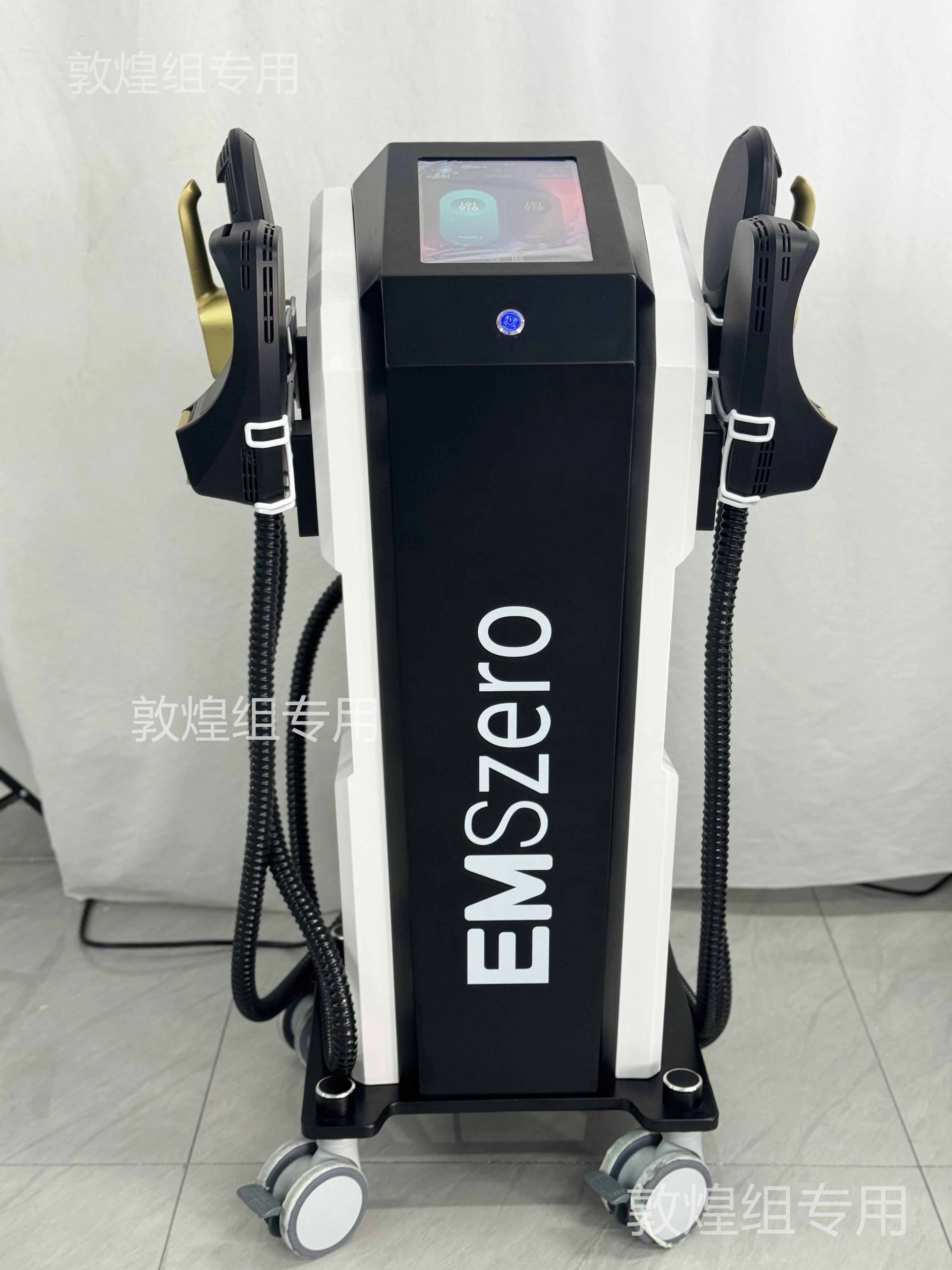
The key is to match the technology to the goal. Electrical stimulation is best considered a targeted complement to appropriate exercise, recovery, rehabilitation, or professional care—not a replacement for them. If your priority is a multi-area body-contouring system with electromagnetic muscle stimulation, you can review the EMS Body Slimming Machine and compare its documented specifications with your requirements before making a purchase.
Pillar Article: Abdominal Muscle Stimulation: How Devices Work and What to Know













