Does a plantar foot massager pad really work?
Yes. A quality plantar foot massager pad can help reduce everyday foot discomfort, ease muscle tension, and promote healthy circulation when used consistently as part of a regular recovery routine. The results you experience depend on the massage technology, build quality, and how well the device matches your needs.
Research on massage therapy, electrical muscle stimulation (EMS), and plantar fascia self-care suggests that stimulating the soles of the feet may help relax tight muscles, improve local blood flow, and temporarily relieve soreness associated with prolonged standing, walking, or mild plantar fascia irritation.
Not every foot massager pad performs the same. The best models combine effective stimulation, adjustable intensity, comfortable materials, and an ergonomic design that encourages regular use rather than occasional sessions.
- EMS pads: Best for muscle activation, circulation support, and hands-free daily use.
- Acupressure mats: Ideal for users who prefer natural, non-powered pressure-point stimulation.
- Roller-style pads: Great for manually controlling pressure and targeting specific areas of the arch and heel.
Best Plantar Foot Massager Pad: Top Picks, Reviews & Buying Guide (2026)
⏱ 5 min read
Whether you're on your feet all day, recovering after workouts, or dealing with persistent arch and heel discomfort, the right plantar foot massager pad can make daily recovery easier. Modern foot massage pads are designed to provide convenient at-home relief using technologies such as EMS, acupressure, vibration, or textured rollers—all without bulky equipment or expensive massage appointments.
A well-designed plantar foot massager pad does more than simply massage your feet. The best options combine thoughtful ergonomics with effective stimulation to mimic the feel of a foot kneading massager while supporting practical self foot massage techniques that easily fit into a busy lifestyle.
Top 7 Best Plantar Foot Massager Pads (Quick Comparison)
After comparing massage performance, comfort, portability, ease of use, and overall value, these are our top recommendations for different needs and budgets.
- Best Overall: EMS Foot Massager Pad with Remote Control — balanced performance, adjustable intensity, and excellent everyday usability.
- Best for Plantar Fasciitis: Deep-Kneading Acupressure Mat — strong pressure-point stimulation for arch and heel discomfort.
- Best Budget Option: Basic Foot Massage Mat for Sore Feet — simple, affordable relief without electronics.
- Best Portable: Foldable Travel Foot Massage Pad — lightweight and easy to pack for home, office, or travel.
- Best Roller Alternative: Textured Plantar Foot Massager Roller Pad — ideal for users who prefer full manual control.
In the reviews below, we compare each option based on massage technology, comfort, ease of use, value for money, and the type of user it suits best.
Detailed Reviews of the Best Plantar Foot Massager Pads
1. EMS Foot Massager Pad (Best Overall)
This electronic foot pain relief massager uses low-frequency electrical muscle stimulation to activate muscles in the feet and lower legs. Multiple intensity settings allow beginners and experienced users to customize each session, making it a versatile choice for reducing fatigue after standing or walking for extended periods.
- Pros: Adjustable intensity, compact and portable, hands-free operation, supports circulation and muscle relaxation.
- Cons: Requires charging and may not be suitable for users with certain medical conditions or very sensitive feet.
2. Acupressure Foot Massage Mat (Best for Natural Therapy)
This plantar fascia massage pad features textured pressure nodes that stimulate key points across the sole without electricity. It's an excellent budget-friendly option for users seeking a simple, durable solution for daily foot recovery.
- Pros: No batteries or charging required, durable construction, affordable, suitable for home or office use.
- Cons: The pressure can feel intense during the first few sessions.
3. Textured Roller Pad (Best Manual Control)
Inspired by traditional plantar foot massager roller designs, this manual option lets you adjust pressure naturally by shifting your body weight and foot position. It works especially well for targeting tight arches, the heel, and the plantar fascia.
- Pros: Precise targeting, lightweight, travel-friendly, no electricity required.
- Cons: Requires manual movement and provides less consistent stimulation than powered massage pads.
How Plantar Foot Massager Pads Actually Work (EMS vs Acupressure vs Rollers)
EMS Foot Pads Explained
EMS (Electrical Muscle Stimulation) technology delivers gentle electrical impulses through the soles of the feet to stimulate muscle contractions. While EMS is not a cure for medical conditions, many users find it helpful for easing tired feet, promoting temporary improvements in circulation, and reducing muscle fatigue after long periods of standing or walking. Most quality EMS foot massager pads include multiple intensity levels so you can gradually increase stimulation as your comfort improves.
Acupressure Massage Mats
Acupressure foot massage mats rely on textured nodes instead of electricity. As your body weight presses against the surface, these raised points stimulate areas across the foot that correspond to traditional reflexology techniques. Many people appreciate acupressure mats because they require no charging, are easy to maintain, and provide a consistent massage experience at home or in the office.
Roller-Based Massage Systems
Roller-based massage pads use ridges, rotating elements, or textured contours to apply mechanical pressure across the plantar fascia, heel, and arch. By rolling the foot back and forth, users can target tight tissues with precise control over pressure, making roller designs especially popular among runners, active individuals, and people experiencing occasional plantar fascia tightness.
Benefits and Limitations of Foot Massager Pads
Regular use of a quality foot massager pad can support everyday foot comfort and recovery, particularly if your feet become tired from standing, walking, exercise, or long work shifts. While these devices can help relieve symptoms, they are most effective when combined with supportive footwear, stretching, and other healthy foot care habits.
- Helps reduce foot fatigue after prolonged standing or walking.
- May promote healthy circulation and a warming sensation in the feet.
- Can ease temporary stiffness in the arches, heels, and plantar fascia.
- Supports muscle relaxation after exercise or daily activity.
- Provides a convenient at-home foot massager option that encourages consistent self-care.
It's important to keep expectations realistic. Foot massager pads can provide temporary pain relief and improve comfort for many users, but they are not intended to diagnose, treat, or cure underlying medical conditions. Persistent or worsening foot pain should always be evaluated by a healthcare professional.
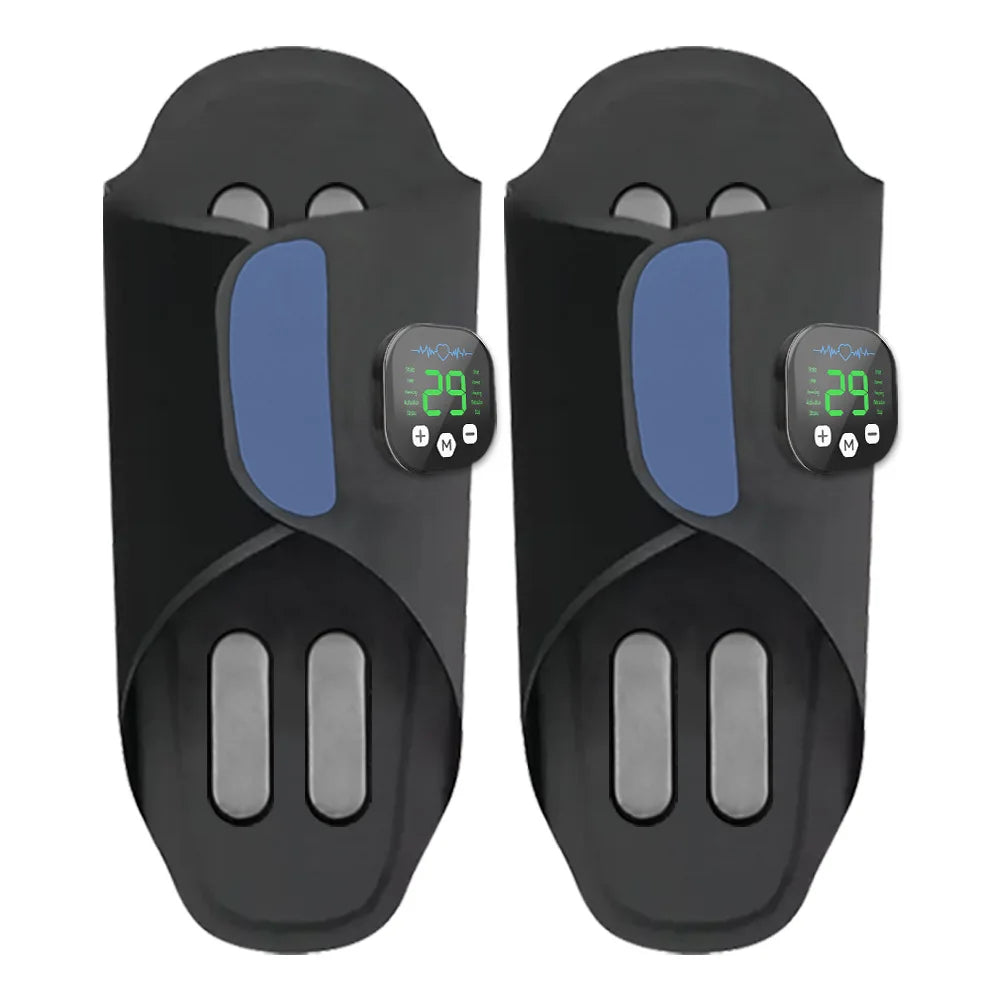
A closer look at the textured massage surface designed to support comfortable daily foot recovery.
Buying Guide: How to Choose the Best Plantar Foot Massager Pad
Massage Technology
Select the massage style that best fits your needs. EMS provides adjustable electrical stimulation for muscle activation, acupressure mats deliver natural pressure-point therapy without electricity, while roller-based designs offer precise manual control over massage intensity.
Intensity Levels & Comfort
Look for adjustable intensity settings if you're new to foot massage or have sensitive feet. A comfortable surface encourages regular use, which is generally more beneficial than using overly aggressive settings.
Portability & Design
If you plan to use your foot massager at work or while traveling, choose a lightweight, foldable design that's easy to carry and store. Larger home units may offer additional features but require more space.
Safety and Contraindications
People with pacemakers, implanted electronic devices, pregnancy, severe neuropathy, open wounds, or certain circulatory or neurological conditions should consult a healthcare professional before using EMS-based foot massagers. Always follow the manufacturer's safety instructions.
How to Use the Pad for Best Results
Recommended At-Home Routine
- Place the foot massager pad on a stable, flat surface.
- Begin with the lowest comfortable intensity or pressure setting.
- Use the device for approximately 10 to 15 minutes per session.
- Gradually increase intensity over several sessions as tolerated.
- Combine regular use with stretching and supportive footwear for the best long-term results.
Common Mistakes to Avoid
- Starting with maximum intensity before your feet adapt.
- Using the device inconsistently and expecting lasting results.
- Applying the pad to irritated, injured, or broken skin.
- Ignoring discomfort that persists after stopping the massage.
Foot Massager Pads vs Other Foot Pain Relief Options
| Option | Comfort | Ease of Use | Consistency | Best For |
|---|---|---|---|---|
| Foot Massager Pad | High | Very Easy | High | Daily foot fatigue, plantar fascia support, and at-home recovery |
| Hard Rollers | Low–Medium | Moderate | Low | Targeted pressure on specific tight spots |
| Electric Foot Massagers | Medium–High | Moderate | Medium | Multi-function massage with vibration, heat, or kneading |
| Massage Guns | Medium | Moderate | Medium | Muscle recovery for calves and lower legs rather than the soles |
| Professional Massage Therapy | High | Appointment Required | Low | Personalized treatment for ongoing foot discomfort |
Each option has advantages, but a foot massager pad offers one of the best combinations of convenience, comfort, portability, and affordability for people who want to build a consistent at-home recovery routine.
Which Foot Massager Pad Is Best for Your Needs?
The ideal foot massager depends on your symptoms, activity level, and personal preferences.
- For plantar fasciitis: Choose an EMS pad with adjustable intensity or a deep-textured acupressure mat that targets the arch and heel.
- For neuropathy concerns: Speak with your healthcare provider before using an EMS device. A gentle massage mat or roller may be a more appropriate starting point for some users.
- For circulation support: EMS and heated foot massagers are popular choices for improving comfort after long periods of sitting or standing.
- For athletes: Roller-style pads and EMS devices can complement stretching and recovery after running, hiking, or gym workouts.
- For office workers: Compact, portable foot massager pads fit easily under a desk for short relaxation sessions throughout the day.
- For seniors: Models with adjustable intensity, stable non-slip surfaces, and simple controls are typically the easiest to use.
It also pairs well with other wellness tools found in the Body Care and Health Devices collection for a complete at-home routine.
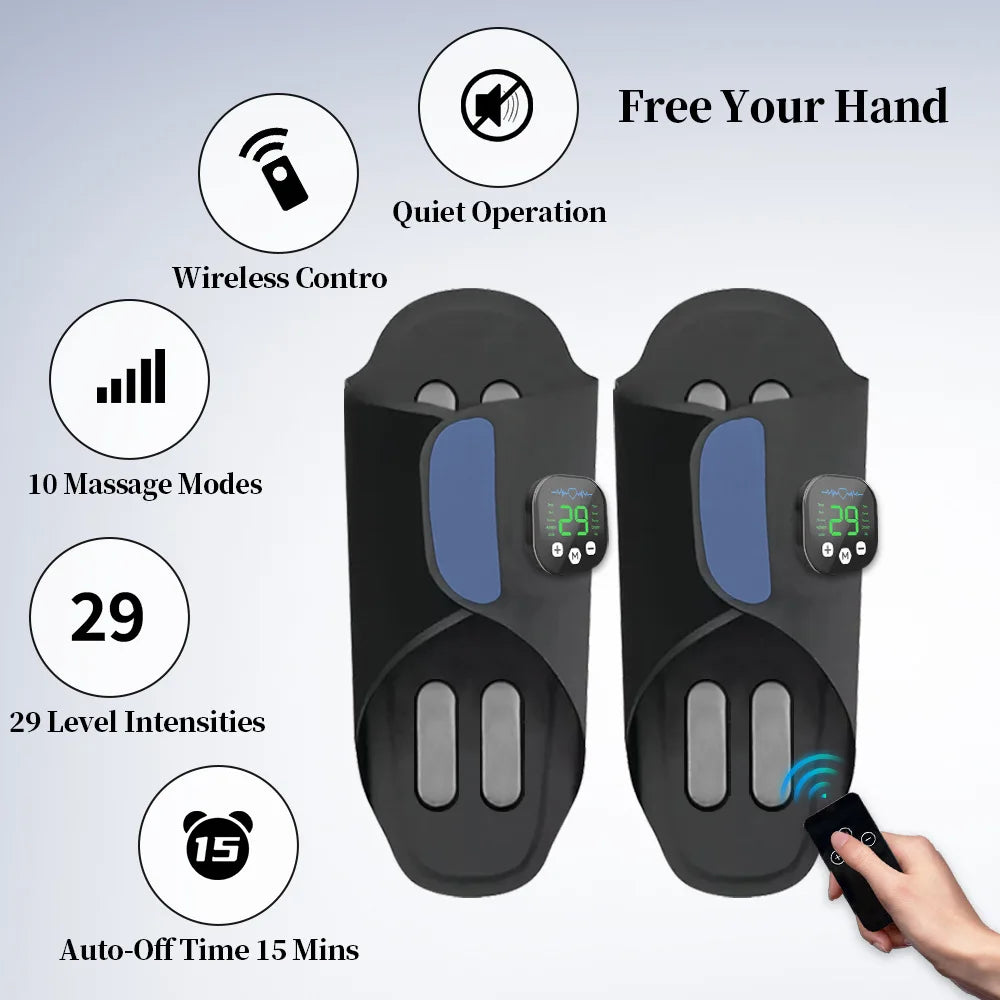
A compact foot massager pad designed to support comfortable daily recovery at home.
Frequently Asked Questions
Are foot massager pads worth it?
For many people, yes. A quality foot massager pad can help reduce everyday foot fatigue, ease muscle tension, and support recovery after long periods of standing or walking. The greatest benefits usually come from consistent use rather than occasional sessions.
How does a foot massager pad work?
Depending on the model, a foot massager pad may use EMS, vibration, heat, acupressure, or textured rollers to stimulate muscles and soft tissues. These technologies aim to promote relaxation, improve comfort, and temporarily increase circulation.
Are EMS foot massagers safe?
EMS foot massagers are generally safe for healthy adults when used according to the manufacturer's instructions. However, people with pacemakers, implanted electronic devices, pregnancy, certain neurological disorders, or other medical conditions should consult a healthcare professional before use.
Which foot massager pad is best for plantar fasciitis?
Many users with plantar fasciitis prefer adjustable EMS foot massager pads or acupressure mats that focus on the arch and heel. The best option depends on your comfort level, sensitivity, and whether you prefer powered or manual massage.
Can foot massager pads improve circulation?
Massage and EMS stimulation may temporarily improve local blood flow and reduce feelings of tiredness in the feet. While they can support circulation as part of a healthy lifestyle, they should not replace medical treatment for circulatory disorders.
How often should I use one?
Most manufacturers recommend sessions of about 10 to 20 minutes once or twice daily, depending on the device and your comfort level. Start gradually and adjust the intensity as your feet become accustomed to the massage.
Related Guide: Foot Massager Plantar Fasciitis: Features That Deliver Relief
Final Verdict: Best Foot Massager Pads by User Type
The best foot massager pad isn't necessarily the one with the most features—it's the one you'll use consistently. Matching the massage technology to your needs will provide the greatest long-term value and help you build a sustainable recovery routine.
- Best Overall: An adjustable EMS foot massager pad for versatile daily muscle stimulation, circulation support, and convenient hands-free use.
- Best Budget: An acupressure foot massage mat that delivers reliable pressure-point stimulation without batteries or charging.
- Best for Plantar Fasciitis: A plantar fascia massage pad or EMS model with adjustable intensity that targets the arch and heel while remaining comfortable for regular sessions.
- Best Premium: A multi-function foot massager that combines EMS, heat, or vibration with multiple massage modes for a more customizable experience.
When comparing foot massager pad reviews, pay close attention to comfort, intensity adjustment, build quality, portability, and ease of use rather than simply choosing the most expensive model. A device that fits your lifestyle is far more likely to become part of your daily recovery routine.
If you spend long hours on your feet, experience occasional arch or heel discomfort, or simply want a convenient way to relax tired muscles at home, a quality foot massager pad can be a worthwhile investment. Combined with supportive footwear, regular stretching, and healthy activity, it can help improve comfort and reduce everyday foot fatigue over time.