

Best Portable Heater for Office Desk (2026) — Stay Warm & Focused
Finding the best portable heater for office desk setups can make a noticeable difference in comfort, productivity, and energy use. Instead of heating an entire office, a compact personal heater delivers warmth exactly where you work, helping keep your hands, feet, and legs comfortable while reducing unnecessary energy consumption.
Whether you work from home or in a shared office, the right desk heater combines fast heating, quiet operation, and built-in safety features. Choosing the correct placement and heater type also helps create consistent warmth without increasing your electricity bill.
⏱ 7 min read

Desk heating works best when warmth is directed where you sit—not wasted across the room. See it in action.
Why your office desk feels cold even in a heated room
If you spend hours at your workstation, you've probably noticed that your desk can feel colder than the rest of the room. This is a common issue caused by uneven heat distribution rather than an underpowered heating system. Warm air naturally rises toward the ceiling, while your feet and lower legs remain in the coolest part of the room.
Several factors can make the problem worse, including air conditioning vents, poorly insulated windows, exterior walls, drafts under doors, and workstations positioned far from the main heat source. Sitting still for long periods also reduces circulation, making your hands and feet feel colder even when the room temperature appears comfortable. That's why many people who need a heater for sitting all day benefit more from targeted heating than increasing the thermostat for the entire office.
A compact desk heater for office use provides focused warmth where it's needed most. Instead of wasting energy heating unused areas, it creates a more comfortable personal workspace while helping maintain overall energy efficiency.
Quick check: If the room feels warm but your hands, legs, or feet stay cold, you're likely dealing with localized heat loss caused by airflow, drafts, or poor workstation positioning—not a lack of overall room heating.
How to Choose the Best Desk Heater for Office Use
Size & Desk Space Considerations
The best small heater for office desk setups should provide targeted warmth without limiting legroom or creating clutter. Compact models fit comfortably under or beside a desk while maintaining enough clearance for unrestricted airflow. Before buying, measure the available space around your workstation and ensure there is adequate distance from walls, furniture, and other objects.
Safety Features for Office Use
A safe heater for office use should include automatic tip-over protection, overheat shutoff, cool-touch housing, and recognized electrical safety certifications. These features reduce fire risk and provide additional peace of mind, especially in shared offices, home workspaces, or areas where the heater may operate for several hours each day.
Noise Levels & Quiet Operation
If you work in an open-plan office or attend frequent online meetings, choose an office space heater quiet enough to avoid distracting coworkers or interfering with calls. Ceramic heaters generally deliver an excellent balance of heating speed and low operating noise, while smaller fan heaters often produce only a gentle background sound suitable for everyday office environments.
Energy Efficiency & Power Consumption
An energy efficient office heater focuses heat on your immediate workspace instead of warming an entire room. Models operating between 400 and 800 watts are often sufficient for personal comfort while consuming less electricity than high-powered room heaters. Selecting a lower heat setting whenever possible can further reduce operating costs.
Thermostat & Temperature Controls
Look for adjustable thermostat controls, multiple heat settings, and fan-only modes. These features make it easier to maintain a comfortable temperature throughout the day without constantly switching the heater on and off. Consistent temperature control also improves efficiency by preventing unnecessary overheating.
Top Portable Heaters for Office Desk in 2026
Best Overall Personal Heater for Office
A quality personal heater for office use combines fast ceramic heating, compact dimensions, adjustable temperature controls, and dependable safety features. It is the best choice for professionals who spend long hours at their desks and want reliable daily comfort without occupying valuable workspace.
- Pros: Fast heating, balanced performance, easy to position, built-in safety protection.
- Cons: Personal heating coverage rather than whole-room heating.
- Best for: Daily office work and home offices.
Best Quiet Portable Heater for Office
A quiet portable heater for office environments prioritizes low fan noise while maintaining steady warmth. These models are ideal for shared workspaces, libraries, video meetings, and anyone sensitive to background noise.
- Pros: Quiet operation, comfortable continuous heating.
- Cons: May heat slightly slower than higher-powered fan heaters.
- Best for: Shared offices and open-plan workspaces.
Best Mini Heater for Desk
A mini heater for desk use is designed for compact workstations with limited floor space. Despite its small size, it provides targeted warmth to your legs and feet while remaining easy to move between rooms.
- Pros: Lightweight, portable, space-saving.
- Cons: Smaller heating area.
- Best for: Apartments, cubicles, and compact desks.
Best Heater for Shared Offices
Shared-office heaters should combine quiet performance, conservative power usage, and advanced safety protections. Models with stable bases, automatic shutoff, and moderate heat output help maintain comfort without disturbing nearby coworkers.
Best Energy Efficient Office Heater
The most energy efficient office heater delivers focused warmth using lower wattage and adjustable thermostat settings. This makes it an excellent option for extended work sessions while helping reduce electricity costs throughout the winter.
Best Value Personal Heater
Value-focused models offer dependable heating, essential safety features, and compact portability at an affordable price. They are well suited for occasional use, seasonal workspaces, or anyone seeking practical performance without premium pricing.
| Heater Type | Best Use Case | Noise Level | Power Range | Key Advantages |
|---|---|---|---|---|
| Fan Heater | Fast desk heating | Low–Moderate | 500–1500W | Rapid warm-up and strong airflow |
| Ceramic Heater | Quiet office use | Low | 400–1000W | Efficient, consistent heat with good safety |
| Mini Heater | Small desk spaces | Very Low | 300–800W | Compact size and targeted personal warmth |
For most workstations, a compact portable electric fan heater offers the best combination of heating speed, portability, energy efficiency, and everyday convenience.
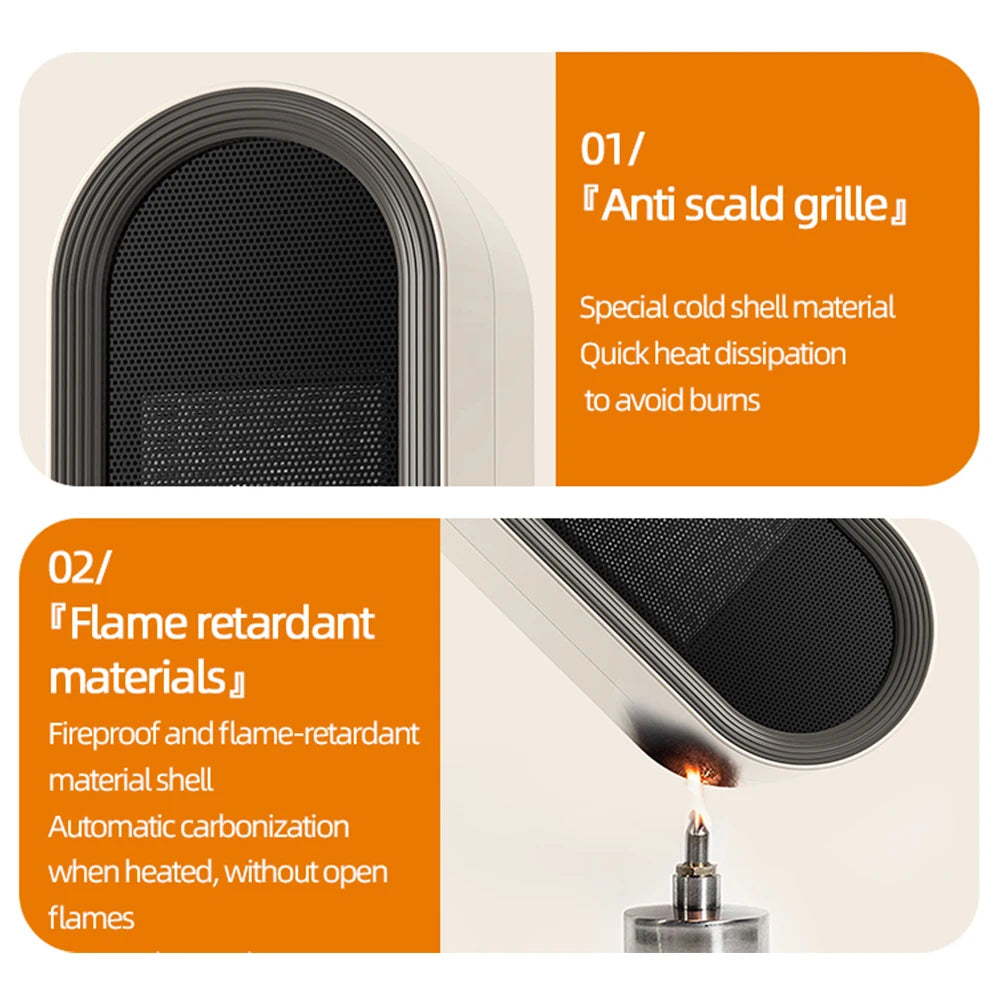
Compact heaters perform best with clear airflow and correct positioning. See it in action.
Portable Heater Pros and Cons
A best personal space heater for office setup can significantly improve comfort during cold weather, but it's important to understand both its strengths and limitations before choosing one for your workspace.
Advantages
- ✅ Delivers fast, targeted warmth directly to your desk instead of heating the entire room.
- ✅ Uses less energy than increasing central heating for a single occupant.
- ✅ Compact, lightweight, and easy to move between home and office.
- ✅ Available in a range of sizes and wattages to suit different workspaces.
- ✅ Many modern models include adjustable thermostats, multiple heat settings, tip-over protection, and overheat shutoff.
Limitations
- ❌ Designed for personal comfort rather than heating large rooms.
- ❌ Performance depends on proper placement and unobstructed airflow.
- ❌ Higher-wattage models may not be permitted in some office buildings.
- ❌ Requires routine cleaning to prevent dust buildup and maintain efficient operation.
Best Office Environments
Portable heaters work especially well in home offices, private offices, cubicles, study areas, and other personal workspaces where localized warmth is more practical than raising the temperature throughout the building. They are also helpful for people who sit for extended periods and experience cold feet or hands while working.
Who Should Consider Other Heating Options
If you need to heat a large open room, warehouse, or shared space with multiple occupants, a personal desk heater may not provide sufficient coverage. Likewise, workplaces with strict policies prohibiting portable heaters should follow building guidelines and consider alternative ways to improve personal comfort.
Office Desk Heater Safety Guide
Proper Placement
- Place your heater on a stable, level surface under or beside your desk with adequate clearance for airflow.
- Keep at least 3 feet (1 meter) of space between the heater and paper, curtains, bags, clothing, or other flammable materials.
- Position the airflow toward your seating area without blocking the air intake or outlet.
Under-Desk Safety
- Avoid covering the heater with blankets, coats, or footrests while it is operating.
- Ensure there is enough room for air to circulate around the unit.
- Do not place the heater where it can easily be kicked, bumped, or tipped over.
Extension Cord Considerations
- Whenever possible, plug the heater directly into a wall outlet.
- Avoid using extension cords or power strips unless they are specifically rated for the heater's electrical load and permitted by the manufacturer.
- Keep power cords organized to reduce tripping hazards around your workstation.
Daily Maintenance
- Clean dust from air vents regularly to maintain efficient heating performance.
- Inspect the power cord and plug for signs of wear before use.
- Turn the heater off and unplug it whenever you leave your desk for an extended period.
- Choose certified models with tip-over protection and automatic overheat shutoff for added safety.

Efficient desk heating is about precision, safety, and smart placement. See it in action.
Supporting Winter Comfort Beyond Heating
An energy efficient office heater is only one part of creating a comfortable workspace. Small adjustments to your environment can help you stay warm for longer while reducing the amount of heat you need.
- Dress in layers: Lightweight thermal clothing or warm socks help retain body heat throughout the workday.
- Improve humidity: Dry winter air can make rooms feel colder than they are. Maintaining comfortable humidity may improve overall comfort.
- Reduce drafts: Position your desk away from poorly insulated windows or seal gaps that allow cold air inside.
- Use complementary accessories: Footrests, insulated floor mats, and other products from the Lifestyle collection can further enhance workspace comfort during colder months.
Combining targeted personal heating with simple workspace improvements helps create a warmer, more comfortable office while keeping energy use under control.
Frequently Asked Questions
What is the best portable heater for an office desk?
The best portable heater for an office desk is compact, energy efficient, and equipped with safety features such as tip-over protection and overheat shutoff. Ceramic personal heaters are a popular choice because they provide fast, consistent warmth while operating quietly enough for most office environments.
Which office desk heater is the quietest?
Ceramic heaters are generally among the quietest options for personal workspaces. Many modern models produce only a low level of fan noise, making them suitable for shared offices, video meetings, and focused work.
Are portable heaters allowed in office buildings?
It depends on your employer and local building regulations. Some workplaces allow only certified low-wattage heaters with automatic safety shutoffs, while others prohibit personal heaters entirely. Always check your workplace policy before using one.
How much electricity does a desk heater use?
Power consumption depends on the heater's wattage and operating time. Personal office heaters typically use between 400 and 800 watts on lower settings, while larger models may draw up to 1,500 watts. Using adjustable heat settings and thermostats helps reduce energy use.
Is a ceramic heater better than a fan heater for an office?
For most office environments, ceramic heaters offer a better balance of efficiency, quiet performance, and consistent heating. Fan heaters generally warm a space more quickly but may produce slightly more operating noise.
Can I safely use a heater under my office desk?
Yes, provided the heater is designed for personal use, has built-in safety features, and is placed on a stable surface with adequate clearance around the air intake and outlet. Avoid blocking airflow or placing combustible materials nearby.
What size heater is best for a personal workspace?
A compact heater rated between 400 and 800 watts is sufficient for most individual desks, cubicles, and home office workstations. Larger spaces may require higher-powered units, although personal heaters are intended for localized warmth rather than whole-room heating.
What safety features should an office heater have?
Look for automatic tip-over shutoff, overheat protection, cool-touch housing, adjustable thermostat controls, and recognized electrical safety certifications. These features improve both day-to-day safety and long-term reliability.
Related Guide: Personal room heater benefits for work, sleep, and daily comfort













