

Best Shower Routine for Glowing Skin: Step-by-Step Guide That Actually Works
⏱ 7 min read
Does the best shower routine for glowing skin really work?
Yes. The best shower routine for glowing skin can noticeably improve your skin's appearance when practiced consistently. A simple routine built around gentle cleansing, controlled exfoliation, lukewarm water, and immediate moisturization supports your skin barrier—the protective outer layer that helps retain moisture while defending against irritation. Many people notice softer, smoother skin after several showers, while improvements in texture, brightness, and overall radiance typically become more visible after one to four weeks of consistent care.
- Removes sweat, sunscreen, excess oil, and daily buildup effectively
- Supports a healthy skin barrier for better hydration retention
- Improves skin texture through gentle, consistent exfoliation
- Enhances natural glow by reducing dull surface skin cells
- Helps moisturizers absorb more effectively after every shower
The best shower routine for glowing skin isn't about expensive products or lengthy spa rituals. It's about following the right steps in the right order every day. Small adjustments—such as lowering the water temperature, cleansing gently, exfoliating on the correct schedule, and moisturizing while your skin is still damp—can make a noticeable difference in hydration, smoothness, and overall skin health.
Whether your goal is to reduce rough patches, brighten dull skin, or build a simple shower routine for healthy skin , the techniques below are easy to follow and suitable for most skin types.

Transform your shower into a glow-boosting ritual with KentDO's exfoliating shower brush.
Why Your Shower Routine Matters for Glowing Skin
Your daily shower does much more than clean your body—it directly influences your skin's hydration, texture, and resilience. Following a shower routine for glowing skin daily helps remove impurities without disrupting the skin barrier, allowing your skin to stay comfortable, balanced, and naturally radiant.
How Skin Barrier Supports Healthy Glow
The skin barrier is your body's first line of defense against moisture loss, environmental pollutants, and irritation. When this barrier remains healthy, your skin retains water more effectively, appears smoother, and reflects light more evenly for a healthier-looking glow.
Gentle cleansing, moderate exfoliation, and applying moisturizer immediately after showering all help preserve this protective barrier instead of stripping away the natural oils your skin needs.
How Shower Habits Affect Hydration and Texture
Even high-quality skincare products can't fully compensate for poor shower habits. Water temperature, shower duration, cleanser choice, and exfoliation frequency all influence how hydrated your skin feels afterward.
- Choose lukewarm water instead of very hot water.
- Keep showers around 5–10 minutes whenever possible.
- Use gentle, pH-balanced cleansers that don't leave skin feeling tight.
- Moisturize while skin is still slightly damp to reduce moisture loss.
A well-structured body & face care routine can noticeably improve dull, uneven, or rough skin while helping maintain long-term skin health.
The Perfect Shower Routine for Glowing Skin (Step-by-Step Timeline)
The most effective best shower routine for glowing skin follows a consistent sequence that cleanses thoroughly, protects the skin barrier, and locks in hydration. While cleansing is part of your daily routine, exfoliation should only be included on scheduled days to avoid irritation.
Before You Shower: Prep for Better Skin Results
Before turning on the water, brush your hair to reduce tangles and, if desired, lightly dry brush areas of rough body skin using gentle strokes toward the heart. This optional step may help loosen surface flakes and prepare your skin for cleansing, but avoid dry brushing if your skin is irritated, sunburned, or especially sensitive.
Step 1: Use Lukewarm Water (Not Hot)
Lukewarm water is ideal because it effectively removes dirt, sweat, and oil without excessively stripping the skin's natural lipids. Hot water may feel relaxing, but prolonged exposure can increase dryness, tightness, and redness by weakening the skin barrier.
Aim for a comfortable temperature and limit your shower to approximately 5–10 minutes for optimal skin health.
Step 2: Cleanse Without Stripping Your Skin
Apply a gentle body cleanser using your hands, a soft washcloth, or a clean bathing tool. Focus on areas that naturally accumulate more sweat and oil, including the underarms, feet, groin, and skin folds.
Avoid scrubbing aggressively, as excessive friction can contribute to irritation instead of cleaner skin. For most people, washing every area vigorously isn't necessary every day.
Step 3: Gently Exfoliate the Right Way
On exfoliation days, gently massage an exfoliating scrub, brush, or chemical exfoliant over rough areas such as elbows, knees, heels, and the backs of the arms. This exfoliating shower routine helps remove accumulated dead skin cells while supporting smoother texture.
Most skin types benefit from exfoliating 1–3 times per week rather than every day. Use light pressure and let the exfoliating product or tool do the work instead of pressing harder.
Step 4: Rinse & Hydrate While Skin Is Damp
Rinse away cleanser and exfoliating products thoroughly using clean lukewarm water. Once finished, gently pat your skin with a soft towel instead of rubbing vigorously.
Leaving a small amount of moisture on your skin creates an ideal foundation for the next step, helping moisturizing ingredients spread more evenly.
Step 5: Lock In Moisture After Shower
Within about three minutes of stepping out of the shower, apply a body lotion, cream, or body oil to slightly damp skin. This simple habit helps reduce transepidermal water loss and keeps your skin feeling softer for longer.
On days when you follow your complete exfoliating shower routine steps , moisturizing afterward becomes even more important because freshly exfoliated skin loses moisture more easily.
For additional skincare routines and body care tips, explore our Beauty & Self-Care Blog .

✨ Consistent exfoliation and immediate moisturization help reveal smoother, healthier-looking skin over time.
How to Gently Exfoliate Skin in the Shower (Without Damage)
Learning how to gently exfoliate skin in shower is one of the most effective ways to improve skin texture without compromising your skin barrier. The goal of exfoliation isn't to scrub harder—it's to remove excess dead skin cells using the right products, the right technique, and the right frequency.
A gently exfoliating shower routine helps reveal smoother, brighter-looking skin while allowing moisturizers to penetrate more effectively. However, over-exfoliation can leave skin dry, irritated, or more sensitive, making moderation essential.
Physical vs Chemical Exfoliation Explained
Both physical and chemical exfoliants remove dead skin cells, but they work in different ways. Choosing the right option depends on your skin type, goals, and sensitivity.
| Type | How It Works | Best For | Notes |
|---|---|---|---|
| Physical exfoliation | Uses brushes, washcloths, gloves, or scrubs to lift away surface skin cells. | Normal, oily, or rough skin | Use gentle pressure to avoid irritation. |
| Chemical exfoliation | Uses ingredients such as AHAs or BHAs to loosen dead skin cells. | Uneven texture, dullness, or clogged pores | Follow product directions and avoid excessive use. |
Many people benefit from using only one exfoliation method per session rather than combining multiple exfoliants at the same time.
How Often to Exfoliate in Shower by Skin Type
The answer to how often to exfoliate in shower depends on your skin's natural oil production, sensitivity, and how well it tolerates exfoliation.
- Oily skin: 2–3 times per week to help reduce buildup and keep pores clearer.
- Combination skin: 1–2 times per week, focusing on rough or oil-prone areas.
- Dry skin: 1–2 times per week using gentle exfoliants followed immediately by a rich moisturizer.
- Sensitive skin: Once weekly or less with mild products and minimal pressure.
If your skin becomes red, tight, flaky, or stings after exfoliation, reduce the frequency and prioritize hydration until your skin feels comfortable again.
Benefits of Gentle Exfoliation
The benefits of gentle exfoliation become more noticeable when exfoliation is performed consistently rather than aggressively.
- Removes accumulated dead skin cells that contribute to dullness.
- Creates a smoother, softer skin texture.
- Helps lotions and creams spread more evenly after showering.
- Supports a brighter, more even-looking skin tone.
- May reduce the appearance of rough patches on elbows, knees, and heels.
Choosing the Right Exfoliator
Select an exfoliating product based on your skin's needs rather than choosing the strongest formula available.
- Fine sugar or oat scrubs provide gentle physical exfoliation.
- Soft silicone or electric shower brushes offer more consistent pressure than harsh manual scrubbing.
- Lactic acid is often preferred for dry skin because it exfoliates while supporting hydration.
- Salicylic acid (BHA) may benefit oily or acne-prone body skin by helping clear pores.
- Avoid products containing large, sharp exfoliating particles that can create unnecessary friction.
Learn more about choosing the right scrub in this guide: best body scrubs for uneven skin tone .
Common Shower Routine Mistakes That Kill Your Glow
Even a high-quality skincare routine can produce disappointing results if common shower habits repeatedly damage the skin barrier. Avoiding these mistakes helps preserve hydration and supports the best shower routine for glowing skin .
- Using water that's too hot , which strips protective natural oils.
- Over-exfoliating , causing irritation instead of smoother skin.
- Skipping moisturizer after showering, allowing moisture to evaporate quickly.
- Using harsh cleansers that leave skin feeling tight or squeaky clean.
- Taking long showers that increase moisture loss.
- Scrubbing aggressively with excessive pressure or abrasive tools.
- Using dirty loofahs or sponges , which may harbor bacteria if not cleaned regularly.
Avoid more errors here: skincare mistakes to avoid .
Shower Routine by Skin Type (Oily, Dry, Sensitive)
The ideal shower routine for glowing skin daily should be adjusted to match your skin type. Small changes in cleanser selection, exfoliation frequency, and moisturizing can improve both comfort and long-term skin health.
For Oily Skin
Use lightweight, non-comedogenic cleansers that remove excess oil without overdrying. Exfoliating 2–3 times per week can help minimize buildup, but avoid scrubbing aggressively, which may trigger additional oil production.
For Dry Skin
Keep showers brief, choose creamy or moisturizing cleansers, and apply a rich lotion or cream immediately afterward. Exfoliate only 1–2 times per week to remove flaky skin without increasing dryness.
For Sensitive Skin
Select fragrance-free products with minimal potential irritants. Limit exfoliation to once weekly or less using gentle techniques, and discontinue exfoliation temporarily if your skin becomes irritated.
For Combination Skin
Customize your routine based on different body areas. Oilier areas may benefit from slightly more frequent exfoliation, while drier regions such as the legs often require richer moisturizers and less frequent exfoliation.
Not sure about your skin type? Visit Hair, Skin & Nail Blog .
Morning vs Night Shower Routine for Glowing Skin
Your ideal shower routine for glowing skin daily depends on your schedule, activity level, and skin's needs. Both morning and evening showers can support healthy-looking skin when paired with gentle cleansing, appropriate hydration, and sensible exfoliation.
Morning Shower
A morning shower is ideal for refreshing the skin after sleep and preparing it for the day ahead. It can help remove overnight sweat, excess oil, and skincare residue while leaving your skin feeling clean and energized.
- Use a gentle cleanser to remove overnight oil and perspiration.
- Finish with lukewarm water to avoid drying out your skin.
- Apply a lightweight moisturizer before sunscreen if showering in the morning.
- Schedule exfoliation in the morning only if it fits your regular weekly routine and your skin tolerates it well.
Night Shower
Nighttime showers are often the best option for people exposed to sweat, sunscreen, pollution, or makeup throughout the day. Cleansing before bed removes accumulated debris and allows overnight skincare products to work on freshly cleaned skin.
- Wash away dirt, sweat, and environmental pollutants.
- Perform scheduled exfoliation during your evening shower if preferred.
- Apply a nourishing moisturizer or body cream immediately afterward.
- Allow skincare products time to absorb before going to bed.
Whether you shower in the morning or at night, consistency matters more than timing. The best routine is one you can comfortably maintain while protecting your skin barrier.
Seasonal Shower Routine Adjustments (Summer vs Winter Skin)
Your skin's needs change throughout the year as humidity and temperature fluctuate. Making small seasonal adjustments helps maintain a simple shower routine for healthy skin regardless of the weather.
Summer Routine
Warmer temperatures typically increase sweat and oil production. During summer:
- Choose lightweight, gentle body cleansers.
- Rinse away sweat promptly after exercise.
- Use lightweight lotions or gel-based moisturizers if heavier creams feel uncomfortable.
- Maintain your normal exfoliation schedule without increasing frequency simply because of warmer weather.
Winter Routine
Cold outdoor air and indoor heating can leave skin feeling dry and tight. During winter:
- Keep showers closer to 5–10 minutes.
- Avoid very hot water, which can worsen dryness.
- Switch to richer creams or ointments after showering.
- Reduce exfoliation temporarily if your skin becomes flaky or irritated.
Adjusting your routine to match seasonal conditions helps preserve hydration while supporting smoother, healthier-looking skin throughout the year.
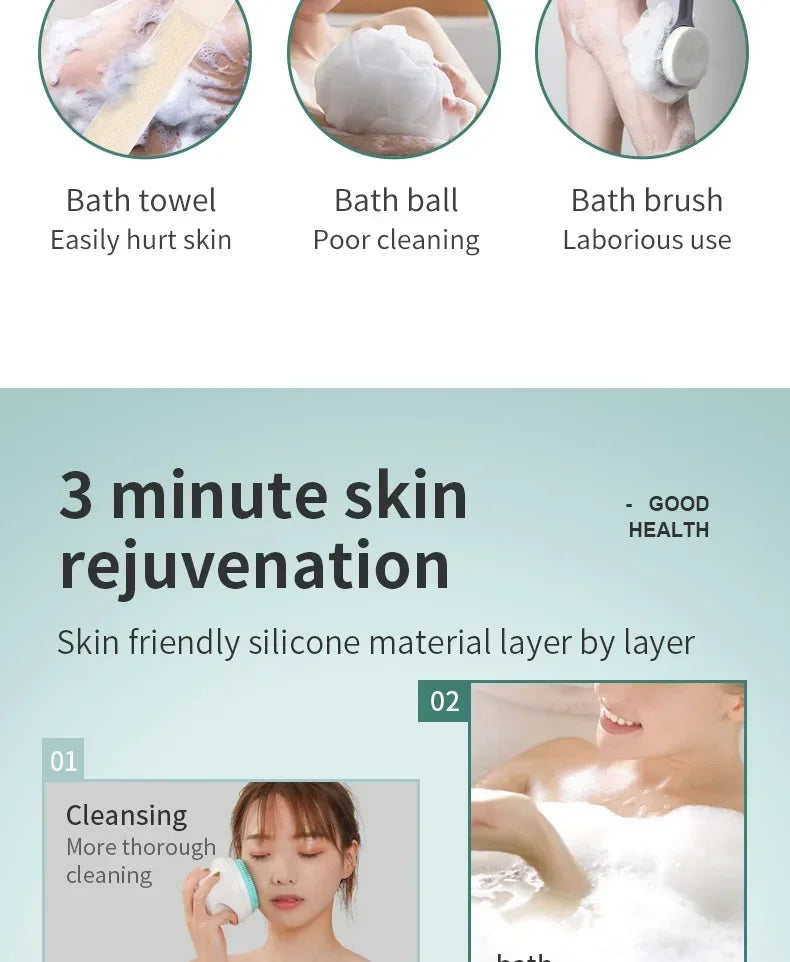
Product Highlight: KentDO Electric Shower Brush
A shower brush can be a useful addition to an exfoliating shower routine when used correctly. Rather than scrubbing harder, the goal is to provide consistent, gentle exfoliation that helps remove dead skin cells while reducing the uneven pressure that often comes with manual scrubbing.
The KentDO Electric Shower Brush is designed to support an exfoliating shower scrub routine by helping you reach areas such as the back, shoulders, and lower legs more comfortably while maintaining controlled contact with the skin.
When a Shower Brush Is Helpful
- Maintaining a consistent exfoliation routine.
- Reaching difficult areas like the upper back.
- Improving the application of body cleansers during showering.
- Gently smoothing rough areas such as elbows, knees, and heels.
Safe Usage Frequency
Most people only need to use an exfoliating shower brush 1–3 times per week depending on skin type. Apply light pressure and avoid repeatedly brushing the same area during a single session.
Who Should Avoid It
Do not use an exfoliating brush on sunburned skin, open wounds, active infections, severe eczema flare-ups, or areas with significant irritation. If you have very sensitive skin or a chronic skin condition, consult a healthcare professional before introducing new exfoliating tools.
Integrating It into Your Weekly Routine
For best results, use the brush after cleansing on your scheduled exfoliation days. Rinse your skin thoroughly, gently pat it dry, and apply moisturizer immediately afterward to help maintain hydration.
| Feature | KentDO Brush | Traditional Loofah |
|---|---|---|
| Exfoliation | Consistent and controlled | Pressure varies by user |
| Hygiene | Washable brush head | May retain moisture if not dried properly |
| Ease of Use | Rechargeable | Manual |
| Best Use | Scheduled weekly exfoliation | Daily cleansing or occasional exfoliation |
Improve your shower routine with gentle, consistent exfoliation.
FAQ: Best Shower Routine for Glowing Skin
How often should I exfoliate for glowing skin?
Most people achieve the best results by exfoliating 1–3 times per week. Oily skin often tolerates more frequent exfoliation, while dry and sensitive skin usually benefits from less frequent sessions.
Can I use exfoliating shower scrubs every day?
Generally, no. Daily exfoliation can weaken the skin barrier and lead to dryness, irritation, or increased sensitivity. Reserve exfoliation for your scheduled weekly routine unless a product specifically recommends otherwise.
What is the best shower routine for glowing skin daily?
The best shower routine for glowing skin includes a short lukewarm shower, gentle cleansing, regular—but not daily—exfoliation, and applying moisturizer while your skin is still slightly damp.
How long should my shower be for healthy skin?
Most dermatology recommendations suggest limiting showers to about 5–10 minutes using lukewarm rather than hot water to help preserve the skin barrier.
When will I see results?
Many people notice softer skin after several showers. Improvements in texture and overall radiance commonly become more noticeable within one to four weeks of following a consistent routine.
Should I exfoliate before or after using body wash?
For most people, cleansing first removes sweat, oil, and surface debris, allowing exfoliation to work more effectively afterward.
Is daily exfoliation bad for glowing skin?
For most skin types, yes. Excessive exfoliation may cause irritation and reduce the healthy glow you're trying to achieve by disrupting the skin's natural protective barrier.
Can sensitive skin follow an exfoliating shower routine?
Yes. Sensitive skin can benefit from gentle exfoliation once weekly or less using mild products and minimal pressure, followed immediately by moisturizer.
What shower temperature is best for healthy skin?
Lukewarm water is generally the best choice because it cleanses effectively while helping minimize unnecessary moisture loss caused by very hot water.
Should I apply body oil before or after moisturizer?
Body oil is typically applied after lotion or cream to help seal in moisture, although application order can vary depending on the product instructions.
How long does it take to see glowing skin from a shower routine?
You may notice smoother skin within a few days, while more visible improvements in hydration, texture, and radiance usually develop after several weeks of consistent care.
Can I use an exfoliating shower brush every day?
Most people should limit exfoliating brush use to 1–3 times per week. Daily use may be too abrasive for many skin types.
What ingredients help achieve glowing body skin?
Hydrating ingredients such as glycerin, hyaluronic acid, ceramides, and shea butter support moisture retention, while gentle exfoliating ingredients like lactic acid or salicylic acid can improve skin texture when used appropriately.
Pillar Article: Best Body Scrub for Glowing Skin Reviews: Which One Delivers Instant Radiance?
Other Related Articles:
Explore More:













