

⏱ 7 min read
How to Exfoliate in the Shower (Step-by-Step Guide for Smooth, Healthy Skin)
How to Exfoliate in the Shower (Quick Answer)
To exfoliate in the shower , let your skin soak in warm water for 5–10 minutes, cleanse with a gentle body wash if needed, then apply a body scrub or use an exfoliating glove, brush, or washcloth using light circular motions. Rinse thoroughly and apply moisturizer while your skin is still slightly damp to help lock in hydration and support your skin barrier.
- Soften skin with warm water
- Cleanse away sweat, sunscreen, and excess oil
- Apply an exfoliating product or tool
- Massage gently using circular motions
- Rinse completely
- Moisturize immediately after showering
Wondering how to exfoliate in the shower without damaging your skin barrier? Many people scrub too hard, use the wrong products, or exfoliate too often—leading to dryness, irritation, and sensitivity instead of smooth, healthy skin. This guide explains when to exfoliate, the correct order of cleansing and shaving, how to choose the best exfoliating method for your skin type, and how to protect your skin afterward.

Discover how to exfoliate in the shower using the best body exfoliating tools—for smooth, radiant skin.
When Should You Exfoliate in the Shower? (Before or After Washing?)
Exfoliate Before or After Shower Gel?
For most people, it's best to wash your body first with a gentle cleanser and then exfoliate. Cleansing removes dirt, sweat, sunscreen, and excess oil so your exfoliating product can work directly on dead skin cells instead of surface buildup.
If you're using a chemical exfoliating body wash containing AHAs or BHAs, follow the instructions on the product since it combines cleansing and exfoliation in one step.
Exfoliate Before or After Shaving?
Exfoliating before shaving is usually the better choice. Removing dead skin helps lift trapped hairs, allows the razor to glide more smoothly, and may reduce the risk of ingrown hairs and razor bumps. Avoid aggressive exfoliation immediately after shaving because freshly shaved skin is more sensitive.
Best Timing Based on Skin Type
- Oily or acne-prone skin: Cleanse first, then exfoliate to help remove pore-clogging debris.
- Dry skin: Wait until the skin has softened under warm water before gently exfoliating.
- Sensitive skin: Keep showers short, use gentle pressure, and choose mild exfoliating products.
- Before shaving: Exfoliate immediately before shaving rather than afterward.
Step-by-Step: How to Exfoliate Your Body in the Shower Properly
Step 1 – Soften Skin with Warm Water
Spend 5–10 minutes under warm—not hot—water. Warm water softens the outer layer of skin, making dead skin cells easier to remove while minimizing friction.
Step 2 – Cleanse if Needed
Wash your body with a gentle body wash to remove oils and impurities. This creates a clean surface so exfoliating tools or scrubs can work more effectively without grinding dirt into the skin.
Step 3 – Apply Exfoliator or Tool Correctly
Apply your favorite scrub or use an exfoliating glove, washcloth, brush, or loofah with light pressure. Work in small circular motions instead of scrubbing back and forth aggressively.
Pay extra attention to rough areas such as:
- Elbows
- Knees
- Heels
- Upper arms with rough texture
Use a gentler touch on delicate areas including the chest, neck, and inner arms.
Step 4 – Rinse and Moisturize
Rinse away all exfoliating residue with lukewarm water. Pat your skin dry using a clean towel rather than rubbing. Within a few minutes, apply a moisturizer, cream, or body lotion to help replenish moisture and strengthen the skin barrier.
Physical vs Chemical Exfoliation in the Shower (What's Better?)
Physical Exfoliation (Scrubs, Gloves, Brushes)
Physical exfoliation removes dead skin manually using textured tools or fine exfoliating particles. It's particularly effective for rough patches, flaky skin, and areas such as feet, knees, and elbows.
Chemical Exfoliation (AHA/BHA Body Washes)
Chemical exfoliants use ingredients such as glycolic acid, lactic acid, or salicylic acid to dissolve dead skin cells. They often provide more even exfoliation with less friction, making them a good option for acne-prone skin, uneven texture, or keratosis pilaris.
Which One Should You Use in the Shower?
- Choose physical exfoliation for immediate smoothing of rough skin.
- Choose chemical exfoliation for clogged pores, uneven tone, or ingrown hairs.
- Don't combine aggressive physical and chemical exfoliation in the same shower unless your skin tolerates it well.
- Reduce frequency if you notice redness, burning, or excessive dryness.
How to Choose the Best Tools and Products to Exfoliate in the Shower
The best exfoliating method depends on your skin type, skin concerns, and personal preference. Gentler isn't always less effective—consistency matters more than scrubbing harder.
Body Scrubs
Body scrubs work well for occasional full-body exfoliation and rough patches. Look for formulas with moisturizing ingredients if you have dry skin, and avoid overly coarse scrubs if you're prone to irritation.
Exfoliating Gloves and Washcloths
Exfoliating gloves offer excellent control over pressure and are ideal for large body areas. Wash gloves and reusable cloths regularly and replace them when they begin to wear out to reduce bacteria buildup.
Body washes containing AHAs or BHAs gently exfoliate while cleansing. They're often a better option than abrasive scrubs for sensitive, acne-prone, or textured skin.
- Exfoliating gloves: Great for full-body exfoliation with excellent control.
- Loofahs: Suitable for gentle cleansing but should be replaced regularly.
- Body brushes: Helpful for hard-to-reach areas like the back.
- Body scrubs: Good for targeted exfoliation with added hydration.
- Electric exfoliating brushes: Tools like the KentDO Electric Shower Brush provide consistent pressure and a spa-like cleansing experience.
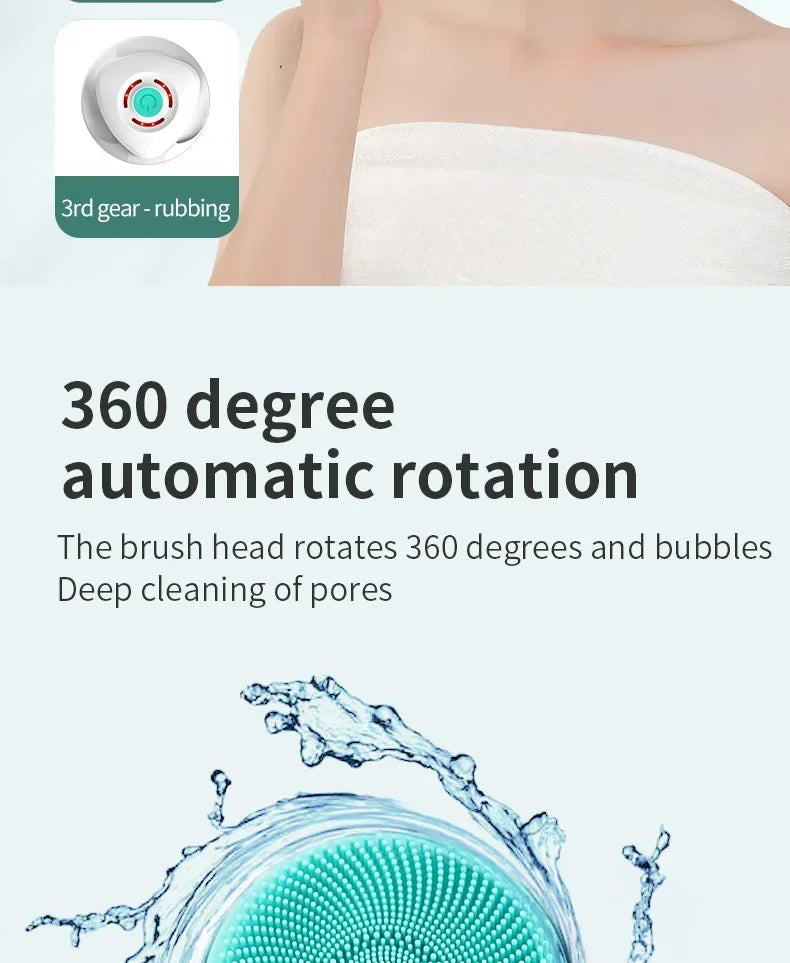
Try the KentDO Electric Shower Brush for deeper cleansing—see it in action.
Best Exfoliation Method for Your Skin Type
Dry Skin
Use a gentle exfoliating glove or mild scrub once a week and always follow with a rich moisturizer to restore hydration.
Sensitive Skin
Choose soft washcloths or mild chemical exfoliants containing low-strength AHAs. Avoid rough brushes and harsh scrubbing.
Oily or Acne-Prone Skin
Body washes containing salicylic acid can help keep pores clear. Exfoliate two to three times per week unless irritation develops.
Keratosis Pilaris
Many people with keratosis pilaris benefit from gentle chemical exfoliation using lactic acid or glycolic acid along with regular moisturizing. Avoid aggressive scrubbing, which may worsen redness.
How Often Should You Exfoliate in the Shower?
The ideal frequency depends on both your skin type and the exfoliating method you choose.
Frequency Chart by Skin Type
| Skin Type | Recommended Frequency |
|---|---|
| Sensitive | Once per week |
| Dry | 1–2 times per week |
| Normal | 2–3 times per week |
| Oily or rough | Up to 3 times per week |
If your skin feels tight, stings when applying moisturizer, becomes unusually shiny, or develops persistent redness, reduce how often you exfoliate and give your skin time to recover.
Common Mistakes When Exfoliating in the Shower (And How to Avoid Them)
- Scrubbing too hard: Gentle pressure removes dead skin just as effectively while reducing irritation.
- Using very hot water: Hot water can strip natural oils and weaken the skin barrier.
- Exfoliating too often: More isn't better—over-exfoliation commonly leads to dryness and sensitivity.
- Using harsh products on sensitive skin: Match the exfoliating method to your skin type.
- Skipping moisturizer: Hydration helps restore the protective skin barrier after exfoliation.
- Exfoliating broken or sunburned skin: Wait until the skin has healed completely.
Post-Exfoliation Aftercare for Healthier Skin
Moisturizing
Apply a moisturizer immediately after drying off while your skin is still slightly damp. This helps reduce water loss and keeps skin feeling smooth.
Sun Protection
If exfoliated skin will be exposed to the sun, use broad-spectrum sunscreen on exposed areas. Freshly exfoliated skin may be more sensitive to UV exposure.
When to Avoid Active Ingredients
If your skin feels irritated after exfoliating, avoid layering multiple active ingredients such as strong retinoids or additional exfoliating acids on the same day. Give your skin time to recover before resuming your regular routine.
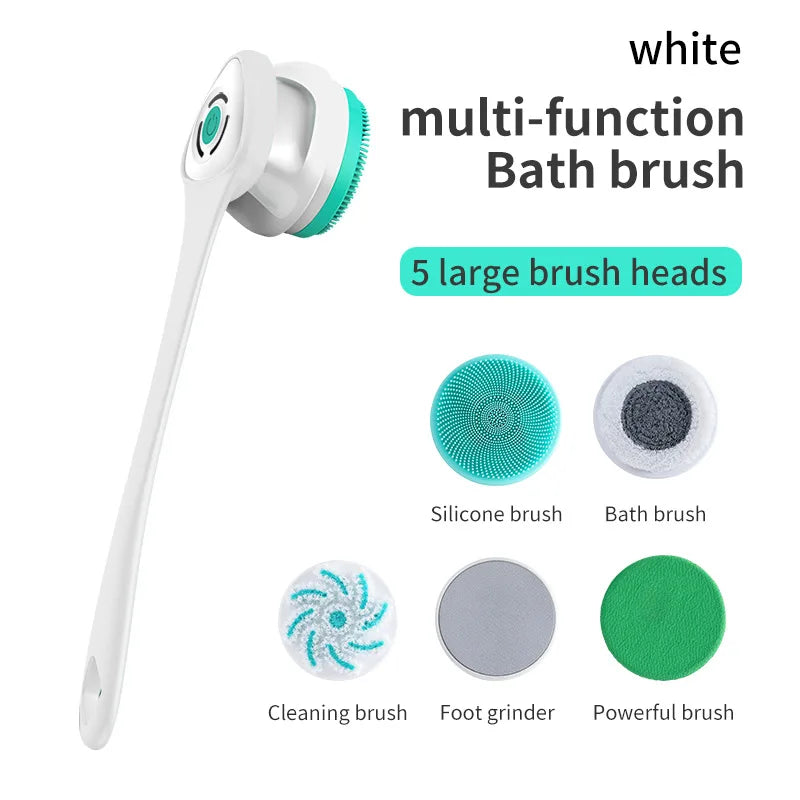
Keep your skin radiant with consistent exfoliation and the right tools — Get yours now .
FAQs: How to Exfoliate in the Shower
1. Should you exfoliate in the shower?
Yes. Warm water softens the skin, making exfoliation gentler and more effective than exfoliating dry skin.
2. Do you exfoliate before or after shower gel?
In most cases, cleanse first with body wash, then exfoliate to remove dead skin more effectively.
3. Should you exfoliate before or after shaving?
Exfoliate before shaving to help lift hairs, reduce ingrown hairs, and create a smoother shave.
4. Can you exfoliate in the shower every day?
Most people should not. Daily exfoliation may damage the skin barrier unless you're using a very gentle product specifically designed for frequent use.
5. What is the best way to exfoliate body in the shower?
Use warm water, cleanse first, exfoliate with gentle circular motions, rinse thoroughly, and moisturize immediately afterward.
6. Is a scrub or chemical exfoliant better for sensitive skin?
Many people with sensitive skin tolerate mild chemical exfoliants better because they minimize friction. Introduce new products gradually.
7. Should you moisturize immediately after exfoliating?
Yes. Applying moisturizer within a few minutes helps seal in hydration and supports the skin barrier.
8. Can over-exfoliating damage the skin barrier?
Yes. Over-exfoliation can lead to redness, burning, dryness, increased sensitivity, and irritation. Reducing frequency and moisturizing consistently usually helps the skin recover.
Pillar Article: Benefits of Body Exfoliation You Didn’t Know for Smooth, Glowing Skin
Other Related Articles:
- Best Exfoliating Shower Gel Roundup: What’s Worth Buying in 2025
- Best Body Brush for Exfoliating Comparison: Which Wins for Glow and Softness?
- Best Body Exfoliating Brush Tested: Which One Really Works?
- Best Body Exfoliating Scrub Reviews: Top 10 for Every Skin Type
Explore More:













