

Does home remedies foot relaxation really work?
Yes, home remedies for foot relaxation can help soothe tired feet, reduce temporary discomfort, and support recovery after long periods of standing or walking. Simple methods such as warm foot soaking, gentle massage, stretching, elevation, and heat or cold therapy can improve comfort by relaxing tight muscles, encouraging circulation, and reducing feelings of heaviness.
These approaches provide practical foot pain relief at home and are commonly used for everyday foot fatigue. While home remedies cannot replace medical treatment for injuries or chronic conditions, they can be effective ways to soothe tired feet and create a relaxing recovery routine.
Home Remedies to Soothe Tired Feet That Actually Work
⏱ 7 min read
If your feet ache after standing or walking all day, the right recovery routine can help you feel comfortable again. Warm foot soaks, targeted massage, stretching, elevation, and supportive habits are simple ways to relax tired feet without complicated equipment.
This guide explains how to relieve tired feet , why foot fatigue happens, which remedies work best in different situations, and how to prevent soreness from returning.
Explore simple at-home options designed for real relief
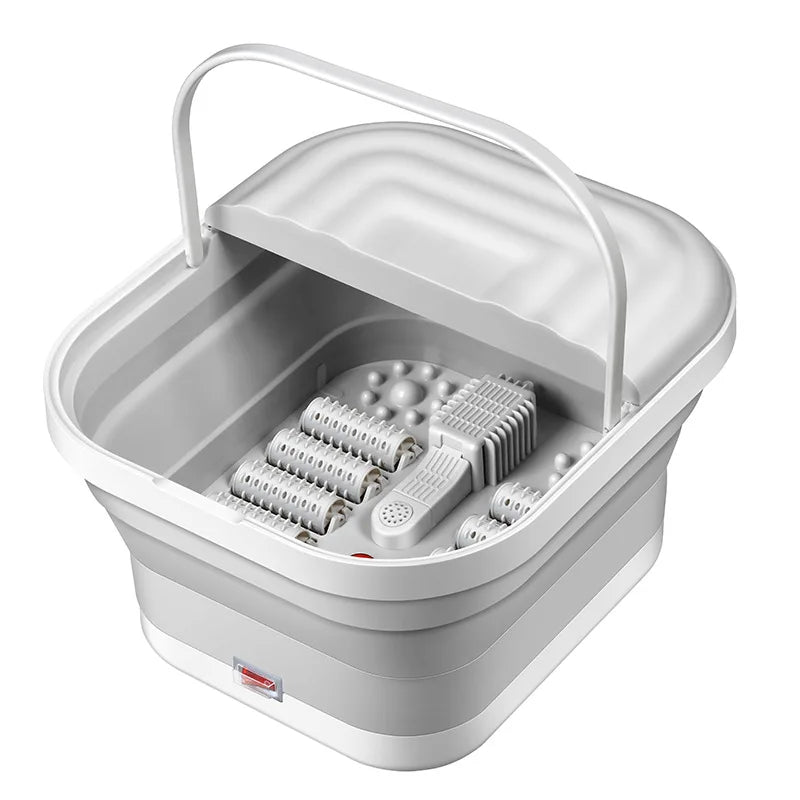
Spa like foot soaking at home for tired feet relief See it in action
How to Soothe Tired Feet Fast
The fastest ways to soothe tired feet usually combine rest, gentle movement, and targeted comfort. Most everyday foot fatigue improves when pressure is removed and circulation is supported.
Immediate relief steps
- Rest and elevate your feet: Raise your feet above heart level for 10 to 20 minutes to help reduce temporary swelling.
- Use heat or cold correctly: Warmth helps relax stiff muscles, while cold therapy may calm soreness after intense activity.
- Move gently: Toe stretches, ankle circles, and light walking can prevent stiffness.
- Massage tired areas: Focus on the arches, heels, and soles where tension commonly builds.
When quick relief works best
These techniques are especially helpful after long work shifts, extended walking, travel days, exercise sessions, or any activity that leaves your feet feeling heavy and uncomfortable.
Why Feet Feel Tired and Sore After a Long Day
Tired feet are usually caused by repeated stress on the muscles, joints, connective tissues, and circulation systems that support your body weight throughout the day.
Foot fatigue from standing all day
When you stand for hours, the muscles in your feet continuously stabilize your body and absorb pressure. Over time, this can lead to foot fatigue from standing all day , especially in the arches, heels, and balls of the feet.
Poor circulation and swelling
Long periods of standing or sitting may slow normal blood movement in the lower legs. This can contribute to swelling, stiffness, and the heavy sensation many people experience as sore feet after standing all day .
Muscle strain and pressure on the arch
The arches of your feet absorb impact with every step. Repeated pressure can irritate muscles and connective tissues, causing soreness and reducing comfort during daily activities.
Poor footwear and overuse
Shoes without enough cushioning, arch support, or proper fit may increase pressure on specific areas of the foot. Athletes, workers who stand all day, and people increasing activity levels quickly may experience more frequent fatigue.
- Prolonged standing increases muscle workload
- Cold environments may increase stiffness
- Unsupportive footwear increases pressure points
- Insufficient recovery can cause repeated soreness
The Best Ways to Soothe Tired Feet at Home
The most effective foot fatigue remedies combine relaxation with recovery. Different techniques work in different situations, so choosing the right method can improve results.
Foot soaking for fast relief
A warm foot soak helps relax tight muscles, soften tissues, and create a calming recovery routine. Many people add Epsom salt for a spa-like experience, although the main benefits often come from warmth and relaxation.
Massage techniques to relieve aching feet
Gentle massage can help release tension in the soles and arches. Rolling the foot over a massage ball or using your thumbs to apply light pressure are simple ways to relieve aching feet fast .
Stretching exercises for foot fatigue
Stretching the toes, calves, and plantar fascia helps improve mobility and reduce tightness caused by repeated standing or walking.
Elevation to reduce swelling
Keeping your feet elevated after a busy day helps reduce pressure and supports fluid movement away from the lower legs.
Cold vs heat therapy
Heat is usually better for relaxing stiff muscles and improving comfort, while cold therapy may be more suitable after intense exercise or when swelling is present.
Learn step-by-step how to relax your feet at home
Step-by-Step 15-Minute Recovery Routine
This simple routine combines several methods in the right order to help relieve aching feet fast after a long day.
5-minute reset
- Soak your feet in comfortably warm water for 5 minutes.
- Relax your ankles and allow your muscles to loosen.
Stretch and massage
- Massage the arches and heels for 3 minutes.
- Stretch your toes and calves for another 3 minutes.
Recovery after standing
- Elevate your feet for 4 minutes.
- Repeat this routine consistently after demanding days.
A short daily recovery habit can support long-term comfort and reduce recurring tired feet symptoms.
Foot Stretches and Strengthening Exercises
Stretching and strengthening are useful foot fatigue remedies because they support flexibility, mobility, and endurance.
Toe stretches
Gently pull your toes backward or spread them apart for several seconds to release tension in the front of the foot.
Calf and plantar fascia stretch
Stretching the calf muscles can reduce pulling forces through the heel and arch. Hold each stretch comfortably without forcing movement.
Foot strengthening
Simple exercises such as towel scrunches or picking up small objects with your toes may help strengthen supporting muscles.
Perform gentle exercises several times per week as part of a regular foot care routine.
How Warm Foot Soaks and Heat Therapy Help
Warm foot soaks and heat therapy are popular forms of foot pain relief at home because they provide comfort, encourage relaxation, and help loosen stiff muscles.
Simple foot soak routine
- Fill a basin with comfortably warm water.
- Add Epsom salt or essential oils if desired.
- Soak your feet for 10 to 15 minutes.
- Massage and stretch afterward.
- Dry your feet and moisturize your skin.
| Benefit | Result |
|---|---|
| Warmth | Helps relax tight muscles |
| Relaxation time | Supports stress relief |
| Massage afterward | Improves comfort |
When to avoid heat
People with reduced foot sensation, certain circulation conditions, or diabetes should ask a healthcare professional before using heat-based treatments.
Many readers also explore tools from Body Care and Health Devices to recreate spa comfort without constant refilling.
Best Relief Methods by Situation
Standing all day
Use elevation, warm soaking, stretching, and supportive footwear to reduce pressure after long shifts.
Travel
During long trips, ankle movements, short walks, and compression options may help reduce stiffness.
Pregnancy
Pregnancy can increase foot pressure and swelling. Gentle elevation, comfortable shoes, and relaxation routines may improve daily comfort.
Older adults and athletes
Older adults and active individuals may benefit from consistent stretching, strength exercises, and recovery routines tailored to activity levels.
How to Prevent Tired Feet Every Day
Supportive footwear and insoles
Shoes with cushioning and proper arch support help distribute pressure more evenly and reduce unnecessary strain.
Hydration and recovery
Staying hydrated supports normal muscle function and may help reduce fatigue or cramping.
Healthy daily habits
Take movement breaks, change positions regularly, stretch after activity, and avoid spending all day in unsupportive footwear.
Supportive Tools for Foot Relief
Traditional remedies can be effective, but supportive tools may make daily recovery easier. Products that combine heat, massage, or compression can provide convenient options for people who regularly experience tired feet relief needs.
Foot massagers
Foot massagers can provide targeted pressure and relaxation for people who spend many hours standing or walking.
Compression devices
Compression products may support comfort by applying gentle pressure around the legs and feet.
Recovery accessories
Massage balls, stretching tools, and heated devices can complement a regular foot care routine.
See how the KentDO Heated Foot Bath Massager fits naturally into nightly relaxation routines.
Pair your routine with inspiration from the Beauty & Self-Care Blog for full-body relaxation habits.

A complete relaxation routine made simple See it in action
When Tired Feet Need Medical Attention
Occasional tired feet are common, but ongoing symptoms may require professional evaluation.
Warning signs
- Persistent swelling
- Numbness or tingling
- Severe or worsening pain
- Difficulty walking normally
When to see a podiatrist
Consult a foot specialist if discomfort lasts several days, repeatedly returns, or affects your ability to complete daily activities.
Conditions linked to persistent pain
Long-lasting foot discomfort may be associated with conditions such as plantar fasciitis, arthritis, nerve compression, or other issues requiring diagnosis.
Frequently Asked Questions About Tired Feet Relief
What is the fastest way to soothe tired feet?
Resting, elevating your feet, using gentle massage, and applying appropriate heat or cold are some of the fastest ways to soothe tired feet.
What causes foot fatigue from standing all day?
Standing all day increases pressure on foot muscles, arches, and joints, which can lead to soreness, stiffness, and swelling.
Should I use heat or ice for sore feet?
Heat is generally better for relaxing tight muscles, while ice may help after intense activity when swelling or inflammation is present.
Are Epsom salt foot soaks effective?
Epsom salt soaks can create a relaxing experience, but the warmth, rest, and routine itself are often the main contributors to comfort.
How long should I elevate tired feet?
Elevating your feet for 10 to 20 minutes can help reduce temporary swelling and support relaxation.
What shoes help prevent tired feet?
Shoes with cushioning, proper fit, and adequate arch support can help reduce daily foot strain.
When should foot pain be evaluated by a doctor?
Seek medical advice if pain is severe, persistent, worsening, or accompanied by numbness, weakness, or significant swelling.
Can dehydration make feet feel tired?
Yes. Dehydration can affect muscle function and may contribute to feelings of fatigue or cramping.
Related Guide: How to Improve Foot Circulation at Home Step by Step













