

Does a big toe alignment device really work?
A big toe alignment device can help improve comfort by gently guiding the big toe into a more natural position and reducing pressure around the bunion area. The best toe correctors for bunions are designed to support alignment, reduce friction, and make walking or standing more comfortable.
However, expectations matter. A toe corrector does not permanently reshape bones or eliminate an established bunion overnight. Instead, it may help manage symptoms, support healthier toe positioning, and slow discomfort caused by pressure and misalignment when used consistently.
⏱ 8 min read
Best Toe Corrector for Bunions (2026 Review & Buying Guide)
Quick Comparison Table: Top Toe Correctors for Bunions
| Product | Best For | Type | Wear Time | Comfort Level |
|---|---|---|---|---|
| KentDO Bunion Corrector | Overall support and correction | Adjustable brace | Day and night | High |
| Silicone Toe Separator | Daily wear inside shoes | Gel spacer | Daytime | Very High |
| Night Splint Corrector | Overnight alignment support | Rigid brace | Night only | Medium |
| Adjustable Strap Corrector | Custom tension control | Wrap brace | Flexible schedule | High |
Does a Toe Corrector for Bunions Really Work?
Many people searching for the best toe corrector for bunions want to know one thing: do toe correctors work? The answer depends on the severity of the bunion, the device design, and how consistently it is used.
Toe correctors can provide meaningful comfort benefits by reducing pressure on the big toe joint, improving toe spacing, and supporting better alignment habits. They are generally most helpful for people with mild to moderate bunion symptoms who want a non-invasive option for daily support.
What results you can realistically expect
With regular use, a toe corrector may help reduce rubbing, pressure points, and discomfort caused by the big toe pushing toward the second toe. Some users notice improved comfort within days, while alignment support usually requires several weeks of consistent wear.
Realistic benefits include:
- Reduced irritation from shoe pressure
- Improved toe positioning during wear
- Better walking comfort
- Support for maintaining alignment habits
What podiatry research says
Research on conservative bunion management suggests that non-surgical approaches, including splints, spacers, footwear changes, and supportive devices, may help reduce symptoms. However, these methods typically cannot reverse structural bone changes that have already developed.
A toe corrector should be viewed as a comfort and support tool rather than a guaranteed permanent bunion correction solution.
Toe alignment before and after (realistic expectations)
Before using a toe corrector, the big toe may angle inward and create pressure against the second toe. After consistent use, some people experience improved spacing and reduced discomfort.
Toe alignment before and after results vary depending on bunion severity, age, foot structure, and daily habits. Devices are most effective when combined with comfortable footwear and proper foot care.
Top 7 Best Toe Correctors for Bunions (Tested & Reviewed)
Best Overall Toe Corrector
KentDO Bunion Corrector offers a balanced combination of comfort, adjustability, and everyday usability. Its adjustable design makes it suitable for users who want gradual toe alignment support without a bulky brace.
Best for: Mild to moderate bunion discomfort, daily support, and users who want a versatile device.
Pros:
- Adjustable fit for personalized comfort
- Suitable for day or rest-time use
- Designed for consistent wear
Cons: May not provide enough correction force for advanced bunions.
Best for Daily Wear (Inside Shoes)
Soft silicone toe separators are popular because they are lightweight and easy to wear with many types of footwear. They mainly reduce friction and keep toes separated rather than applying strong corrective pressure.
Best for: People who need comfort during walking, work, or long periods on their feet.
Best Overnight Bunion Corrector
Night splints provide stronger passive support by holding the big toe in a straighter position while resting. They are designed for overnight use and may feel less practical during movement.
Best for: Users who prefer nighttime alignment support.
Best Budget Toe Separator
Basic gel spacers provide an affordable way to reduce toe rubbing and pressure. They are simple, comfortable, and useful for people who need mild support.
Best for: Beginners looking for a low-cost comfort option.
Best Adjustable Bunion Corrector Device
Adjustable strap correctors allow users to control the amount of tension applied to the toe. This makes them useful for gradual adjustment and personalized comfort.
Best for: Users who want more control over fit and pressure.
Best for Severe Bunions
People with severe bunions often require professional assessment. Strong rigid braces may provide support, but they cannot replace medical treatment when pain, deformity, or mobility problems become significant.
Best for: Temporary comfort support while seeking professional guidance.
Best Gel Toe Separator
Gel separators are among the most comfortable options because their soft material cushions the space between toes. They work well for reducing friction but offer limited alignment correction.
Best for: Daily comfort and preventing shoe-related irritation.
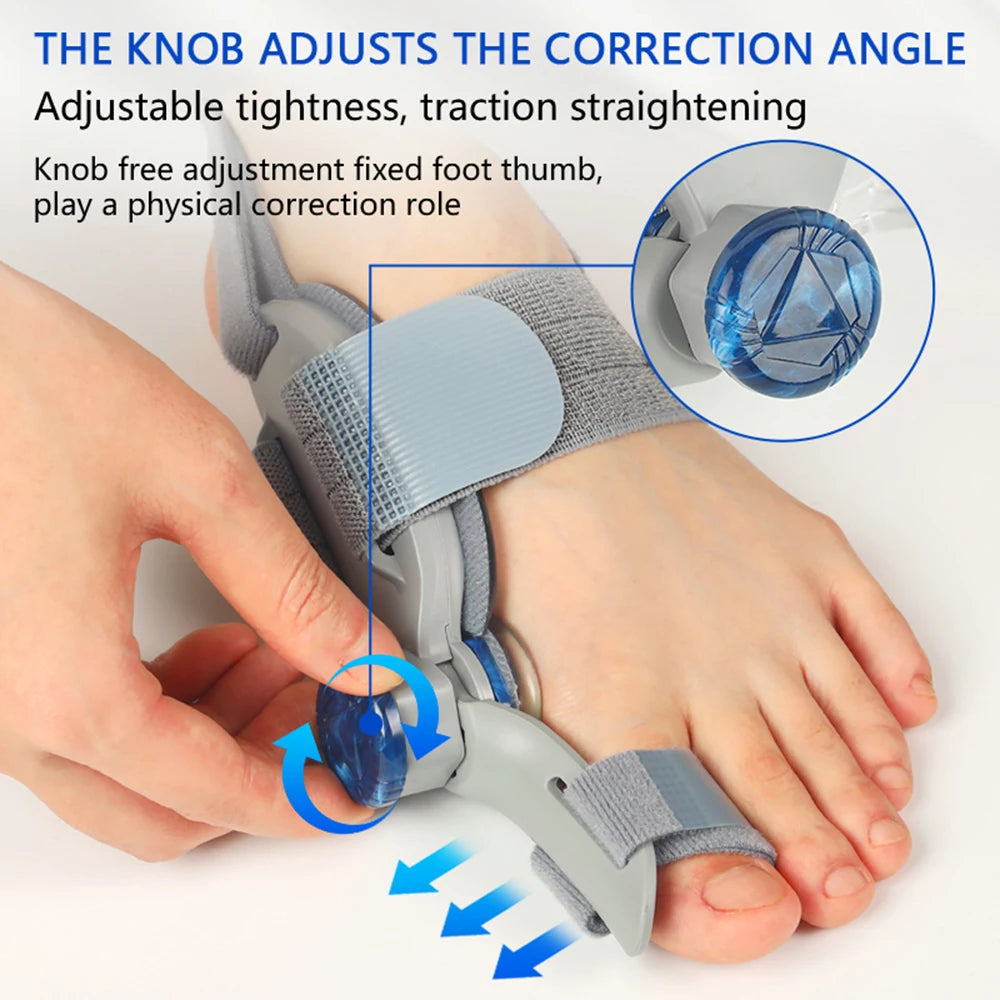
Big toe alignment device designed for daily comfort and toe alignment adjustment See it in action
How Toe Correctors Work
A toe corrector for bunions is a support device designed to improve big toe positioning by gently guiding the toe away from the second toe. It works by applying controlled pressure, improving spacing, and reducing stress caused by poor alignment.
Toe separator vs bunion corrector
The main difference between a toe separator and a bunion corrector is the level of support they provide.
- Toe separators: Soft spacers that reduce friction and create more room between toes.
- Bunion correctors: Structured devices that use straps or braces to guide toe position.
Toe separators focus more on comfort, while bunion correctors provide stronger alignment support.
Types of big toe alignment devices
- Gel toe separators
- Adjustable bunion braces
- Rigid night splints
- Wrap-around correctors
Can they stop bunion progression?
Toe correctors may help reduce pressure and support healthier positioning, but they cannot guarantee that a bunion will stop progressing. Results depend on foot structure, footwear choices, and consistency of use.
How to Choose the Best Toe Corrector for Bunions
Based on severity (mild vs moderate bunions)
Mild bunions often benefit from comfortable separators or flexible correctors. Moderate bunions may require adjustable braces that provide more structured support.
Based on lifestyle (active vs sedentary)
Active users should look for slim designs that fit comfortably inside shoes. People who mainly use devices at home may prefer larger braces designed for stronger support.
Materials, comfort, and durability factors
Look for breathable, skin-friendly materials that reduce irritation during extended use. Flexible materials often provide the best balance between comfort and support.
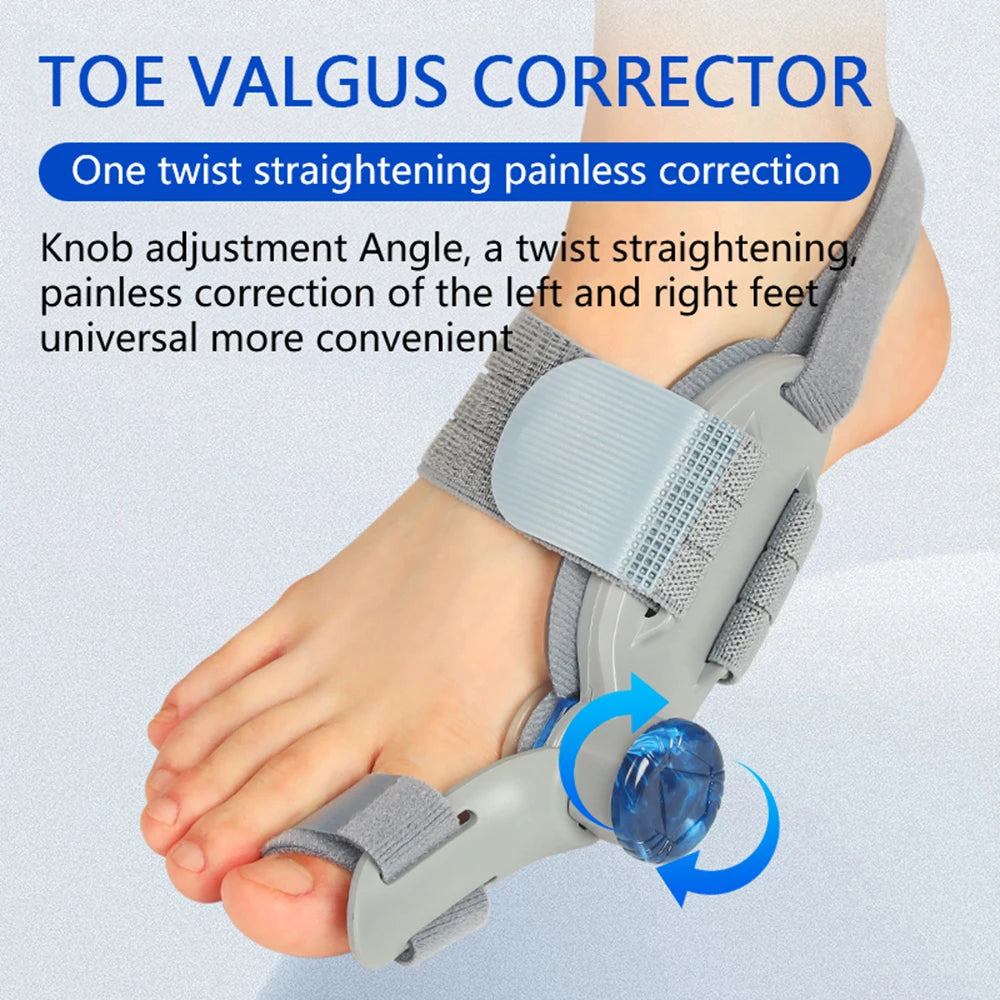
Flexible fit supports gradual toe alignment and long-term comfort See it in action
KentDO Bunion Corrector Review (Real-World Use)
The KentDO bunion corrector is designed for users who want comfortable alignment support without complicated fitting. Its adjustable strap allows users to customize the fit and gradually adapt to wearing the device.
- Comfortable for extended wear
- Adjustable tension for personalized support
- Suitable for rest and light daily activity
| Feature | KentDO Device | Typical Alternative |
|---|---|---|
| Material feel | Soft, skin-friendly | Often rigid or bulky |
| Ease of wear | Simple adjustable design | May require more adjustments |
| Daily usability | Designed for regular comfort | Often limited to night use |
Explore more supportive wellness tools in the Body Care and Health Devices collection if you’re building a complete at-home comfort routine.
How It Compares with Other Bunion Corrector Devices
Different bunion corrector devices serve different purposes. The right choice depends on whether you prioritize comfort, correction support, footwear compatibility, or affordability.
- Rigid splints: Strong support but often less comfortable for movement.
- Gel separators: Comfortable and affordable but provide limited correction.
- Adjustable braces: A balance between support and flexibility.
- KentDO device: Focuses on comfortable consistency and everyday usability.
Who Should (and Shouldn't) Use a Toe Straightener for Bunions?
Who benefits most
A toe straightener for bunions may benefit people experiencing mild to moderate discomfort, pressure from footwear, or early alignment concerns.
It can be useful for:
- People who spend long hours standing or walking
- Users wanting non-invasive support
- Those looking to improve daily foot comfort
When to see a podiatrist
Professional advice is recommended if you experience severe pain, significant changes in foot shape, difficulty walking, numbness, or symptoms that continue despite conservative care.
How to Use a Toe Corrector Correctly
Step-by-step fitting
- Start with clean, dry feet.
- Place the corrector between the big toe and second toe.
- Adjust straps until the device feels supportive but not restrictive.
- Begin with short sessions of 15–30 minutes.
- Increase wear time gradually as comfort improves.
Wear schedule
Most users should begin with shorter periods and slowly build tolerance. Wearing a toe corrector consistently is generally more important than wearing it for long periods immediately.
Common mistakes
- Using excessive tension
- Wearing through discomfort
- Skipping cleaning
- Choosing the wrong size
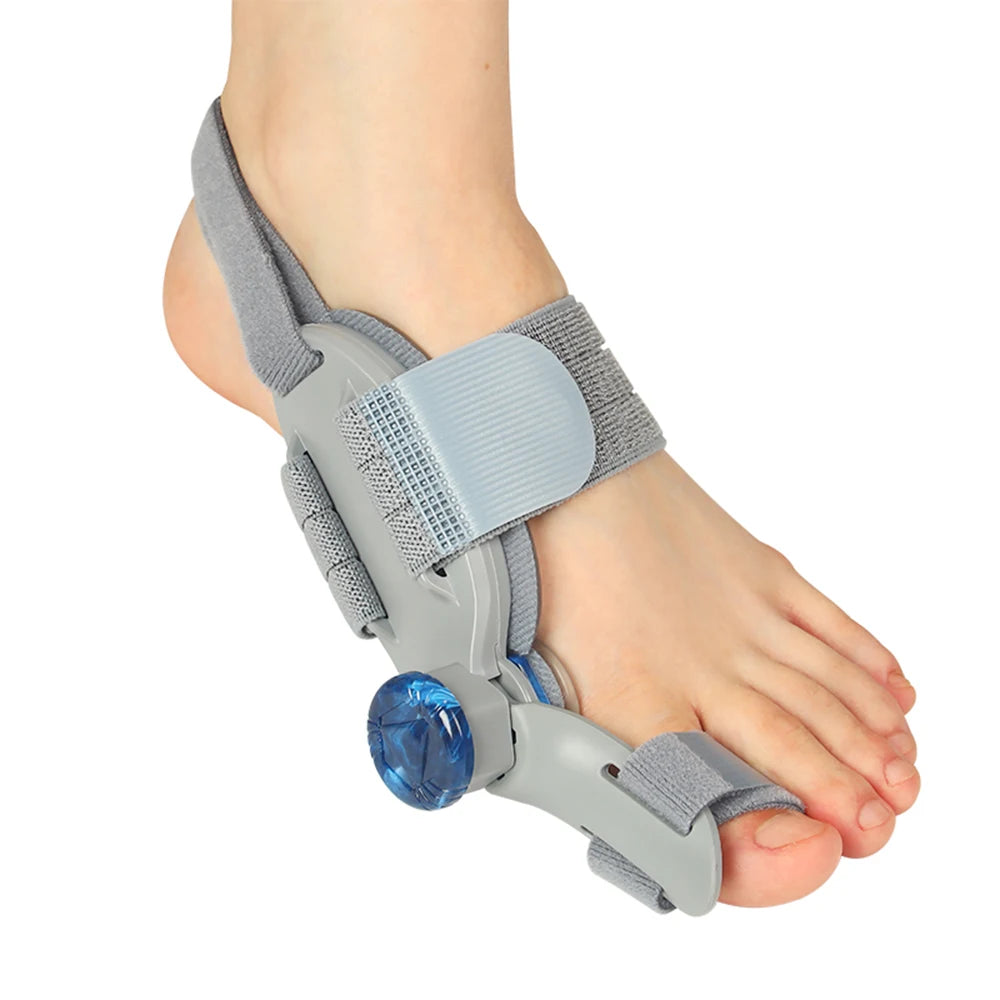
Comfort-focused toe corrector for bunions and daily relief See it in action
Safety, Cleaning, and Replacement
Are bunion correctors safe?
Bunion correctors are generally safe when used properly. Stop use if the device causes increased pain, skin irritation, or discomfort.
How to clean
Clean your toe corrector regularly according to the manufacturer’s instructions. Allow it to dry completely before reuse to maintain hygiene.
When to replace
Replace a toe corrector when materials become stretched, damaged, or no longer provide a secure fit.
Toe Correctors vs Other Bunion Treatments
Orthotics
Orthotic inserts support foot mechanics and may help reduce pressure caused by poor weight distribution. They are often used alongside other comfort strategies.
Splints
Bunion splints provide stronger positioning support, especially during rest or overnight use, but may be less comfortable during activity.
Surgery
Surgery is generally considered for severe cases where pain and functional limitations are significant. Toe correctors are better suited for conservative symptom management.
Frequently Asked Questions
Can I wear a big toe alignment device every day?
Yes. Many people wear a big toe alignment device daily during rest or light activity. Start gradually and adjust based on comfort.
How long before I notice results?
Some users notice reduced pressure quickly, while longer-term comfort improvements usually require several weeks of consistent use.
Is measuring toe alignment necessary?
Measuring can help with tracking changes, but comfort, shoe fit, and symptom improvement are often more practical indicators.
Do toe correctors work long term?
Toe correctors may help maintain comfort and support alignment habits over time, especially when combined with suitable footwear and foot care.
Can bunions be reversed without surgery?
Toe correctors cannot fully reverse structural bunion changes, but they may reduce discomfort and support better toe positioning.
Can a toe corrector permanently fix a bunion?
No. A toe corrector can support alignment and comfort, but it cannot permanently change the underlying bone structure.
Should I wear a toe corrector during the day or at night?
The best schedule depends on the device type. Flexible correctors may work well during the day, while rigid splints are commonly used at night.
Can I wear a toe corrector inside shoes?
Some slim toe correctors and separators can be worn inside shoes. Always choose footwear with enough space to avoid extra pressure.
What's the difference between a toe separator and a bunion splint?
A toe separator mainly creates space between toes, while a bunion splint applies more structured support to guide the big toe.
How many hours a day should I wear a toe corrector?
Wear time depends on the device and your comfort level. Starting with short sessions and increasing gradually is usually recommended.
Are silicone toe correctors better than fabric braces?
Silicone options are often softer and more comfortable, while fabric braces may provide stronger adjustable support.
When should I stop using a toe corrector and see a podiatrist?
Stop using the device and seek professional advice if you experience worsening pain, significant irritation, or difficulty with normal movement.
Related Guide: Buy adjustable bunion corrector online trusted brand review













