

Does bunion relief at home really work?
Quick Answer
Bunion relief at home can reduce pain, stiffness, swelling, and pressure when you combine supportive footwear, gentle exercises, activity modification, and alignment tools consistently. While these methods improve comfort and daily function, they do not permanently reverse the bony deformity.
Who Benefits Most From Home Care
Home treatment is most effective for people with mild to moderate bunions who experience discomfort during walking, exercise, or long periods of standing. Early intervention often helps slow symptom progression by reducing stress on the affected joint.
What Home Treatment Can and Cannot Do
If you're wondering what is the best home treatment for bunions or how can I relieve bunion pain at home , the answer is usually a combination of several evidence-based strategies rather than a single product or exercise. Home care can:
- Reduce inflammation and soreness
- Improve toe mobility and flexibility
- Decrease friction from footwear
- Support better daily comfort
- Help maintain foot function
However, home treatment cannot permanently realign the bone once a bunion has developed. Persistent or worsening deformity should be evaluated by a healthcare professional.
Bunion Relief at Home: A Step-by-Step Daily Routine That Actually Works
⏱ 5 min read
If your bunion aches by the end of the day or makes shoes feel unbearable, a simple, structured routine can help. Instead of relying on random fixes, a consistent daily plan improves comfort, mobility, and alignment—often within just a few weeks.
Which approach fits your lifestyle best? Small daily changes can create lasting relief.
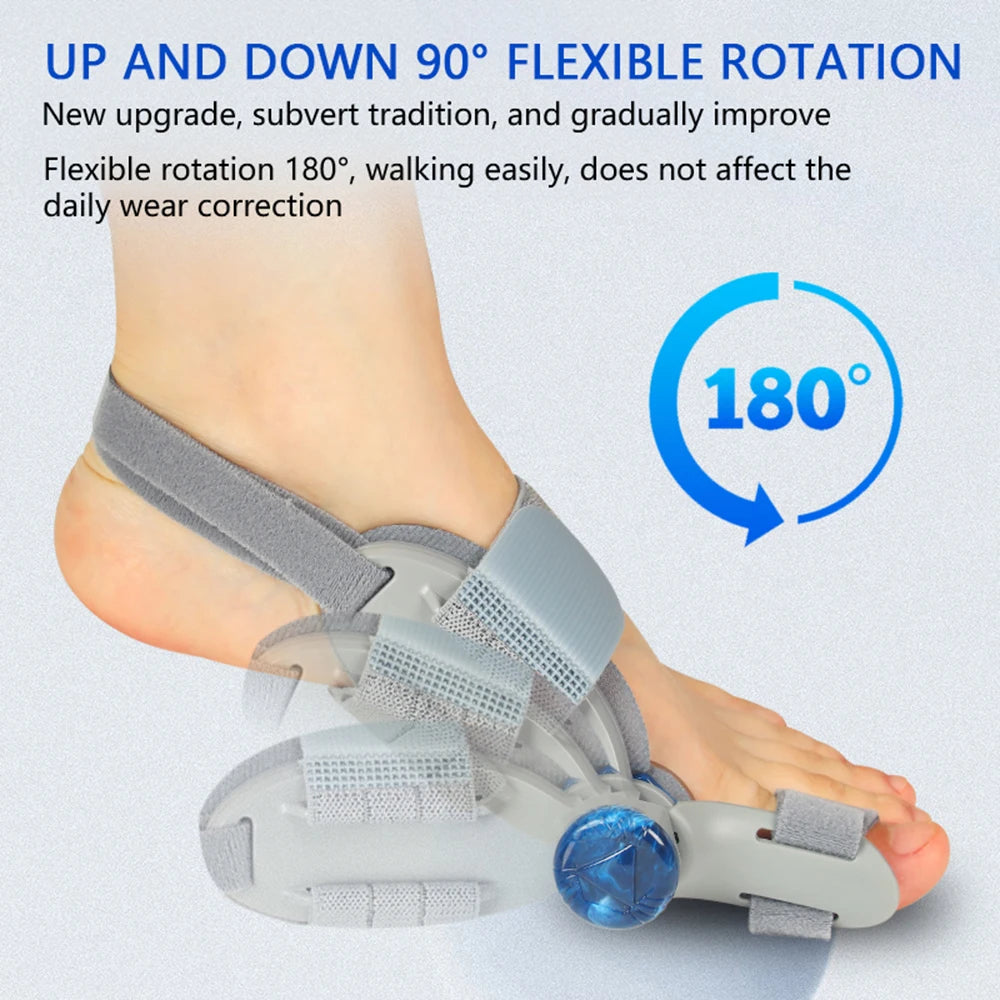
Daily bunion relief at home using gentle alignment support See it in action
Why Bunions Hurt and What Makes Them Worse
Bunion pain develops because the joint at the base of the big toe gradually shifts out of alignment. As pressure increases, surrounding tissues become irritated, making everyday activities more uncomfortable.
How Bunions Develop
The big toe gradually angles toward the smaller toes, causing the first metatarsophalangeal joint to protrude outward. Genetics, foot structure, arthritis, and long-term mechanical stress all contribute to bunion formation.
Common Pain Triggers
- Tight or narrow shoes
- High heels that increase forefoot pressure
- Long periods of standing or walking
- Walking barefoot on hard floors
- Inflammation after repetitive activity
Reducing these triggers is often the fastest way to reduce bunion pain naturally.
Early vs Moderate Bunions
Early bunions usually cause occasional soreness after activity, while moderate bunions produce more frequent pain, stiffness, redness, and noticeable changes in toe alignment. Beginning self-care early generally produces better symptom control.
Best Home Treatments for Bunion Pain
No single treatment works for everyone. The most effective home treatment for bunion pain combines pressure relief, mobility exercises, and supportive devices.
Footwear Changes
- Choose shoes with a wide toe box.
- Avoid narrow dress shoes and high heels.
- Look for flexible uppers that reduce rubbing.
Ice, Rest, and Activity Modification
- Ice painful areas for 10–15 minutes after activity.
- Alternate standing with short seated breaks.
- Reduce activities that repeatedly aggravate symptoms.
Padding and Orthotics
Bunion pads help reduce friction against footwear, while supportive insoles or orthotics may improve pressure distribution during walking. These devices don't straighten the bunion but often improve comfort throughout the day.
Pain Relief Options
Gentle stretching, footwear changes, icing, and supportive devices are appropriate first-line self-care measures. If pain becomes severe or persistent despite these steps, medical evaluation is recommended.
A Podiatrist-Backed Daily Routine for Bunion Relief at Home
A structured routine combining movement, pressure relief, and alignment support is one of the most effective ways to manage bunion discomfort.
Morning Routine (5–10 Minutes)
- Stretch toes gently to improve flexibility.
- Apply a warm compress to loosen stiff joints.
- Wear supportive shoes with a wide toe box before leaving home.
Midday Relief Habits
- Take brief walking and stretching breaks.
- Avoid tight footwear whenever possible.
- Use cushioning pads if shoes create friction.
Night Routine for Recovery
- Apply ice for 10–15 minutes if the joint feels inflamed.
- Wear a toe corrector during rest.
- Massage surrounding muscles to reduce tension.
Rather than following a separate seven-day program, focus on repeating this routine every day. Consistency matters far more than intensity.
Best Bunion Exercises at Home for Toe Alignment
Bunion exercises at home strengthen the muscles that support the arch and improve movement around the big toe joint.
Toe Stretching Exercises
- Gently pull the big toe outward and hold for 10 seconds.
- Practice toe spreading several times throughout the day.
- Perform ankle circles before stretching.
Foot Strengthening Exercises
- Towel scrunches using your toes.
- Pick up marbles or small objects.
- Practice short-foot exercises to strengthen the arch.
Balance and Mobility Drills
- Single-leg balance exercises.
- Slow heel raises.
- Controlled calf stretching.
Do Bunion Exercises Really Work?
Exercises cannot reverse the bunion itself, but they can improve flexibility, strengthen supporting muscles, and reduce discomfort. Results are best when combined with proper footwear and pressure reduction.
Natural Remedies for Bunions: What Helps and What Doesn't
Heat vs Ice
Heat works well before stretching by relaxing muscles, while ice is generally more helpful after activity when swelling or inflammation increases.
Massage and Stretching
Gentle massage can temporarily reduce muscle tension around the foot, while regular stretching helps maintain mobility and comfort.
Evidence Behind Natural Remedies
Natural remedies provide symptom relief rather than structural correction. Warm soaks, stretching, massage, and supportive footwear can all complement a comprehensive self-care routine, but none permanently eliminate bunions.
Toe Correctors, Orthotics, and Bunion Pads
Supportive devices work best when matched to your symptoms and used consistently.
How Toe Correctors Work
Toe correctors gently separate the big toe from the second toe during rest, helping reduce pressure while encouraging a more neutral position.
When to Wear Them
- Begin with 15–30 minutes daily.
- Increase wear time gradually.
- Use during rest or while sleeping if comfortable.
Choosing the Right Support
- Soft gel correctors prioritize comfort.
- Structured splints provide firmer support.
- Bunion pads reduce rubbing inside shoes.
- Orthotics help redistribute walking pressure.
One popular option is the KentDO Bunion Corrector , designed for overnight comfort and gradual alignment support.
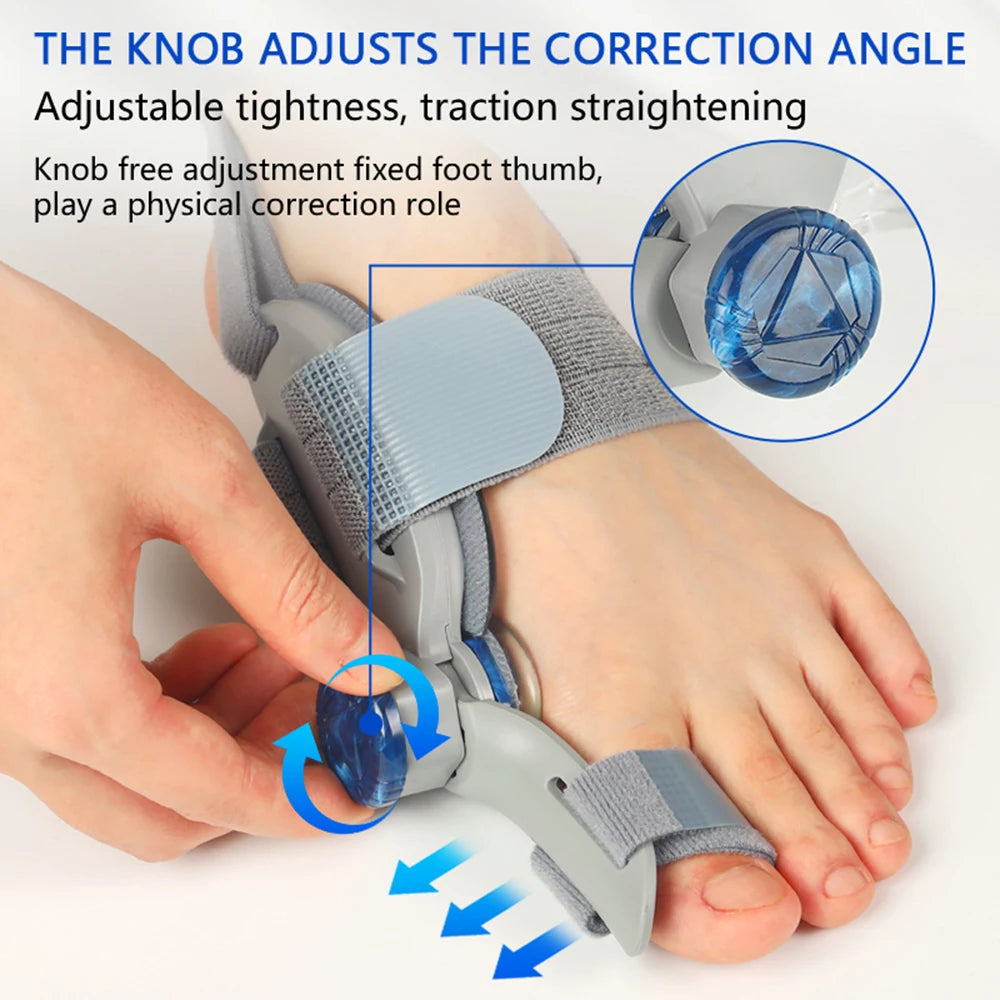
Soft night wear supporting normal toe alignment See it in action
Common Mistakes That Make Bunions Worse at Home
- Wearing tight or narrow shoes indoors.
- Ignoring increasing pain and swelling.
- Using toe correctors for long periods too quickly.
- Skipping stretching and strengthening exercises.
- Expecting overnight correction.
When Home Care Is Not Enough
Warning Signs
- Pain that interferes with daily activities.
- Persistent swelling or redness.
- Difficulty fitting into comfortable shoes.
- Rapid progression of toe deformity.
When to See a Podiatrist
If home treatment no longer controls symptoms or walking becomes increasingly painful, a podiatrist can evaluate your foot mechanics and recommend additional treatment options.
Treatment Beyond Self-Care
Depending on severity, treatment may include custom orthotics, physical therapy, injections for selected cases, or surgery when conservative measures no longer provide adequate relief.
What Results to Expect From Home Treatment
First Week
Many people notice reduced soreness after improving footwear and beginning regular stretching.
2–4 Weeks
- Less daily discomfort
- Improved flexibility
- Reduced pressure during walking
- Better tolerance of daily activities
Long-Term Maintenance
Long-term success depends on maintaining supportive footwear, regular exercises, and consistent self-care. Home treatment improves symptoms but does not permanently reverse bunion structure.
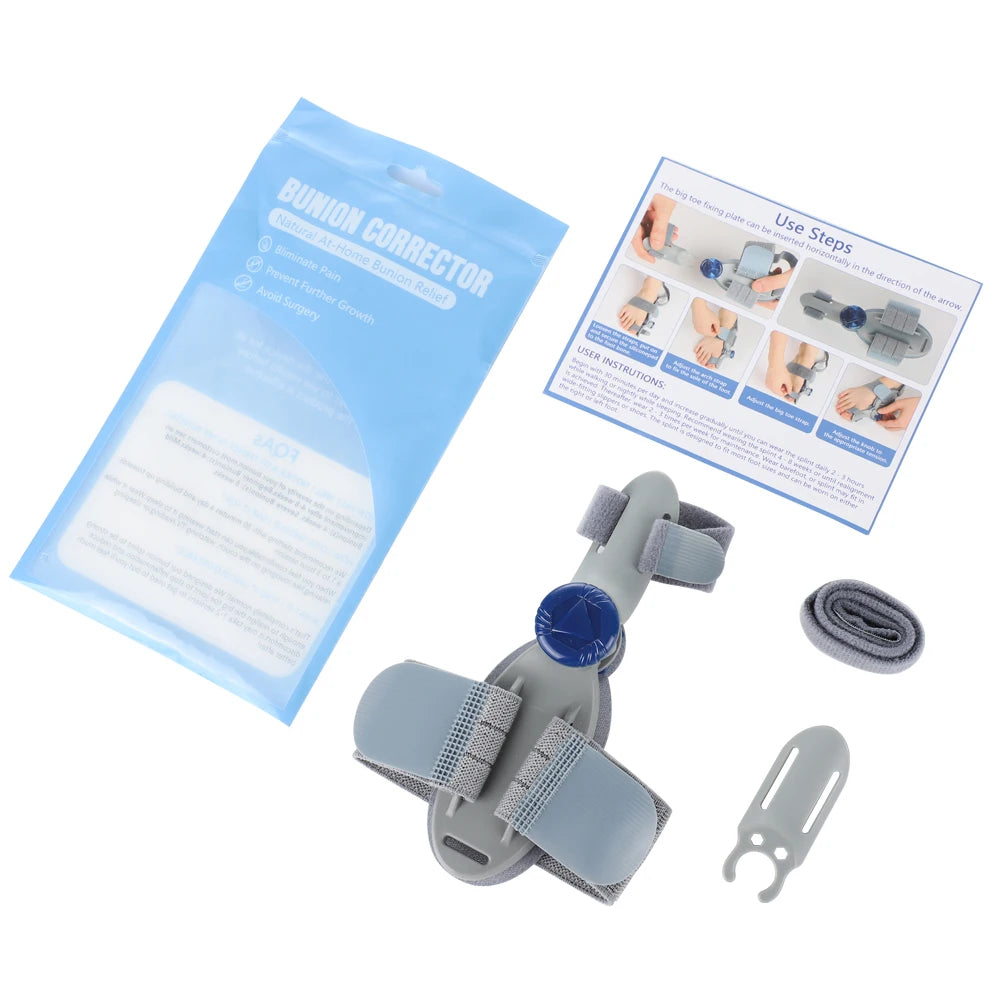
Comfort-focused bunion relief at home routine See it in action
Frequently Asked Questions About Bunion Relief at Home
What is the best home treatment for bunions?
The best results usually come from combining supportive footwear, toe exercises, pressure reduction, ice after activity, and gradual use of toe correctors when appropriate.
How can I relieve bunion pain at home fast?
Switch to wide-toe shoes, apply ice for 10–15 minutes, reduce pressure on the joint, and perform gentle stretching once acute pain begins to settle.
How do you treat bunions at home without surgery?
Most self-care plans include footwear modifications, strengthening exercises, stretching, supportive devices, and activity adjustments to reduce stress on the joint.
Do bunion exercises really work?
They improve mobility, flexibility, and muscle strength, helping reduce symptoms, although they do not eliminate the underlying deformity.
Can a toe corrector fix a bunion?
No. Toe correctors help improve comfort and temporarily support alignment during rest, but they cannot permanently reshape the joint.
How long does home treatment take to reduce bunion pain?
Many people notice improvements within one to four weeks of following a consistent routine.
Can bunions go away naturally?
No. Bunions do not disappear on their own, but symptoms can often be managed successfully with consistent conservative care.
When should I see a podiatrist for a bunion?
Seek professional evaluation if pain persists despite home treatment, the deformity progresses rapidly, or walking becomes significantly limited.
For more wellness-focused routines, explore tools within Beauty & Self-Care Blog and :contentReference[oaicite:0]{index=0} collections that complement a comfort-first approach.
Related Guide: :contentReference[oaicite:1]{index=1}













