

Butane Heater Use Cases: When, Where, and Why It Works Best
Does Butane Heating Really Work?
Butane for heater use delivers fast, clean heat in compact spaces where portability and control matter most. Portable butane heaters ignite quickly, burn efficiently, and are well suited for camping, workshops, cabins, and emergency backup heating when electricity is unavailable. Their lightweight fuel canisters and simple operation make them a practical choice for short-term heating.
⏱ 7 min read
Which fuel keeps you warm without hassle or heavy equipment? Read on to learn where butane performs best, when it falls short, and how to use it safely.
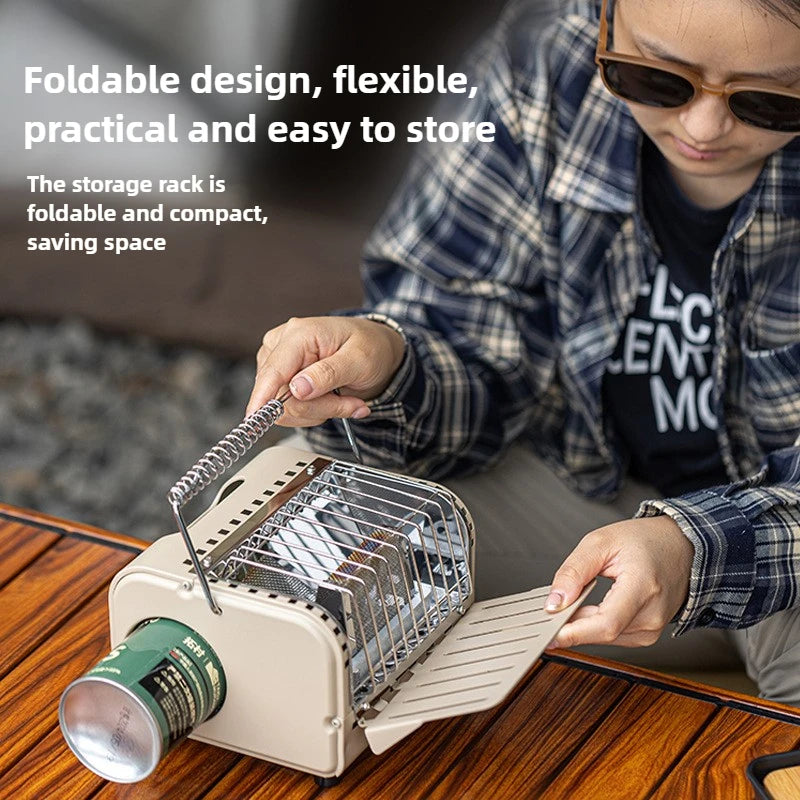
Butane for heater comfort in compact setups — See it in action
How Butane Heaters Produce Heat
Butane heaters burn liquefied petroleum gas (LPG) stored in portable canisters. Once ignited, the fuel produces radiant and convective heat that warms nearby people and objects almost immediately. Most portable models are designed for intermittent use in compact spaces where fast heat matters more than heating an entire building.
Is Butane Good for Heating?
Yes, butane is good for heating when portability, convenience, and quick heat are priorities. Butane heater efficiency is highest in mild to cool weather and in enclosed or semi-enclosed spaces with proper ventilation. However, butane loses vapor pressure as temperatures fall below freezing, making propane a better choice for prolonged use in extremely cold conditions.
Advantages of Butane Fuel Across Scenarios
Butane offers several practical advantages that make it a popular heating fuel for travelers, campers, homeowners, and hobbyists.
- Lightweight fuel canisters are easy to transport and store.
- Quick ignition delivers warmth within minutes.
- Cleaner combustion produces little odor or soot when operated correctly.
- Compact heaters require minimal setup.
- Excellent fuel-to-weight ratio for short trips and emergency kits.
- Ideal for spot heating instead of warming an entire structure.
Many users complement heating setups with gear from the Lifestyle collection for maximum comfort during travel or home backup.
When to Use a Butane Heater: Best Real-World Applications
Butane Heater for Camping
A butane heater for camping provides quick warmth during chilly mornings and evenings without adding significant weight to your gear. It works best in tents approved for heater use, sheltered campsites, and other well-ventilated outdoor environments.
Emergency Power Outages
When electricity fails, a portable butane heater can provide temporary supplemental heat for occupied living spaces with adequate ventilation. Its fast startup and independence from the electrical grid make it useful during short-term outages.
Workshops, Garages & Small Workspaces
Portable butane heaters are excellent for garages, hobby rooms, workshops, and sheds where you only need to heat a specific work area instead of the entire building. Their portability lets you move warmth wherever your task takes you.
Patios, Hunting, Ice Fishing & Cabins
Outdoor enthusiasts often choose butane heaters for hunting blinds, fishing shelters, covered patios, and seasonal cabins. These environments benefit from portable spot heating while still allowing proper airflow.
Temporary Indoor Heating
Butane heater indoor use is appropriate only as temporary supplemental heating in well-ventilated areas. They should never replace a permanent home heating system or be operated continuously in tightly sealed rooms.
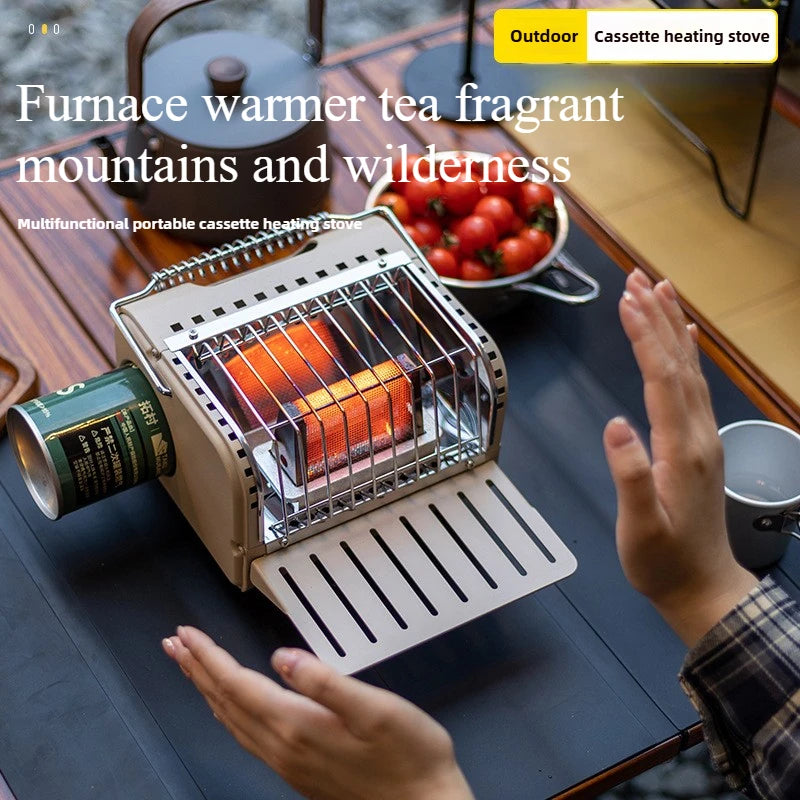
Portable butane heater for camping gas heater setups — See it in action
Where You Should Not Use a Butane Heater
Poorly Ventilated Rooms
Never operate a butane heater in airtight spaces without fresh airflow. Proper ventilation reduces the risk of carbon monoxide accumulation and helps maintain safe oxygen levels.
Bedrooms & Overnight Use
Do not leave a butane heater running while sleeping. Even models equipped with oxygen depletion sensors should be turned off before bedtime, and bedrooms should rely on safer long-term heating solutions.
Large Open Spaces
Portable butane heaters are designed for localized heating rather than large warehouses, open construction sites, or expansive outdoor areas. In these situations, higher-capacity propane or permanently installed heating systems are generally more effective.
Butane vs Propane vs Electric: Which Heater Fits Each Situation?
Butane vs Propane Heater
Choosing between a butane vs propane heater depends largely on where and when you plan to use it. Butane is lighter, easier to carry, and ideal for moderate temperatures. Propane continues vaporizing more effectively in freezing weather and is often preferred for extended outdoor use.
Outdoor vs Indoor Heating
Electric heaters are excellent indoors where reliable power is available. Butane heaters provide flexibility during camping trips, temporary indoor heating, and emergency situations. Propane heaters are better suited to harsh winter conditions and larger outdoor spaces.
Fuel Cost, Runtime & Efficiency
- Butane: Excellent portability, efficient spot heating, moderate runtime.
- Propane: Better cold-weather performance and longer operation with larger cylinders.
- Electric: Unlimited runtime while electricity is available but unusable during power outages.
Portable Butane Heater Benefits
Easy Transport
One of the biggest portable butane heater benefits is mobility. Compact heaters and lightweight canisters fit easily into vehicles, camping gear, workshops, or emergency preparedness kits.
Fast Spot Heating
Rather than heating an entire room, portable butane heaters warm the immediate area quickly, making them efficient for short tasks, outdoor seating, and temporary shelters.
Advantages of Butane Fuel
The advantages of butane fuel include clean combustion, convenient storage, rapid ignition, and easy replacement canisters. These characteristics make butane especially appealing for occasional heating rather than continuous residential heating.
Butane Heater Safety Tips
Ventilation Requirements
Always maintain fresh airflow whenever operating a butane heater indoors or in semi-enclosed spaces. Open a window slightly if recommended by the manufacturer, and never block ventilation openings.
Carbon Monoxide Precautions
Install a working carbon monoxide detector anywhere a fuel-burning heater may be used. Never ignore symptoms such as dizziness, headache, or nausea, and immediately turn off the heater and move to fresh air if they occur.
Fuel Storage & Maintenance
Store butane canisters upright in a cool, dry location away from direct sunlight and ignition sources. Inspect hoses, seals, ignition systems, and fuel connections before each use, and replace damaged components according to the manufacturer's recommendations.
Butane Heater Runtime and Fuel Planning
Typical Canister Runtime
Most standard butane canisters provide approximately 1.5 to 3 hours of runtime depending on heater output and the selected heat setting. Larger heaters or higher heat settings consume fuel more quickly.
Factors Affecting Fuel Consumption
Fuel usage varies with outside temperature, wind exposure, heater size, insulation quality, and desired indoor temperature. Efficient use includes reducing drafts and using the lowest comfortable heat setting.
Cold Weather Performance
Butane heater efficiency declines in very cold weather because the fuel vaporizes less effectively below freezing. For extended winter camping or severe cold, propane generally offers more consistent performance.
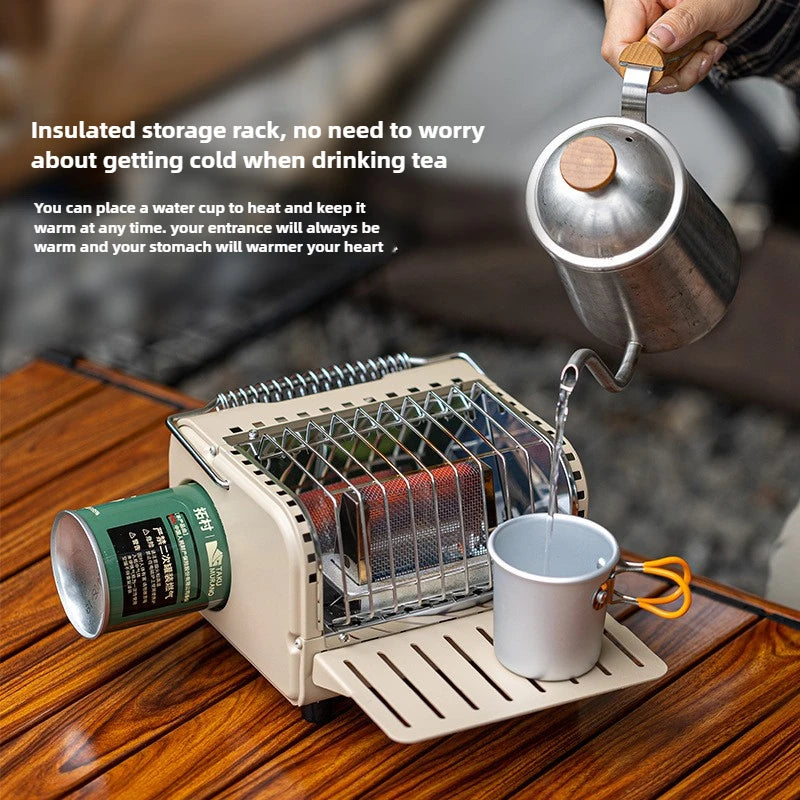
Camping in cold weather made easier with butane for heater setups — See it in action
Frequently Asked Questions
Is butane good for heating compared with propane?
Butane is excellent for portable heating in moderate temperatures, while propane performs better during freezing weather and longer outdoor use.
When should I choose a butane heater instead of an electric heater?
Choose a butane heater when electricity is unavailable, such as during camping trips, power outages, or portable outdoor activities.
Can a butane heater be used safely indoors?
Yes, but only in well-ventilated spaces while following the manufacturer's safety instructions and using a carbon monoxide detector.
Does a butane heater work in cold weather?
Yes, but efficiency decreases below freezing as butane vaporizes less effectively. Propane becomes the better fuel choice in very cold conditions.
How long does a butane canister last?
Most portable heaters operate for approximately 1.5 to 3 hours on a standard canister, depending on heater output and operating conditions.
What size room can a portable butane heater heat?
Many portable models are suitable for small rooms, tents, workshops, or spaces up to about 200 square feet, depending on their BTU rating.
Are butane heaters suitable for garages and workshops?
Yes. They provide effective spot heating for garages and workshops when adequate ventilation is maintained.
Can I use a butane heater in an RV or camper?
Only if both the heater manufacturer and RV manufacturer permit it, with proper ventilation and all recommended safety precautions followed.
What ventilation is required for a butane heater?
Always provide fresh air according to the manufacturer's instructions and avoid operating the heater in completely sealed spaces.
What are the biggest safety mistakes to avoid?
The most common mistakes include poor ventilation, running the heater overnight, storing fuel near heat sources, and failing to inspect the heater before use.
Looking to build a complete comfort kit? Explore complementary gear in the Lifestyle collection to stay prepared wherever you camp.
Related Guide: Portable Outdoor Heater Use Cases: Who Needs One Most













