

Real-World Performance Scenarios
Dead Battery in Freezing Weather
Cold temperatures reduce battery performance, making winter one of the most common times for vehicles to fail to start. A quality jump starter for a dead battery can often restore power within minutes when it has sufficient peak amps and a well-maintained lithium battery. Choosing a model rated for low-temperature operation improves reliability during early-morning commutes and winter travel.
Road Trip Tire Emergency
A slow puncture or gradual pressure loss doesn't always require immediate towing. An integrated air compressor with automatic PSI shutoff allows drivers to inflate the tire to the manufacturer's recommended pressure before carefully driving to the nearest repair facility. Digital pressure monitoring also helps prevent both underinflation and overinflation, improving safety and tire life.
Nighttime Roadside Breakdown
Stopping on the shoulder after dark increases risk for both drivers and passengers. Built-in LED work lights, flashing emergency modes, and USB charging ports make it easier to connect battery clamps safely, illuminate the surrounding area, and keep a phone powered while contacting family or roadside assistance if additional help is needed.
Prepared drivers are often better equipped to respond calmly when unexpected vehicle problems occur, just as users rely on dependable everyday tools recommended in our Beauty & Self-Care Blog .
Independent testing and owner reviews consistently show that a portable jump starter with air compressor offers the greatest value when it is kept fully charged, stored properly, and matched to the vehicle's engine size. Preparation before an emergency is just as important as performance during one.
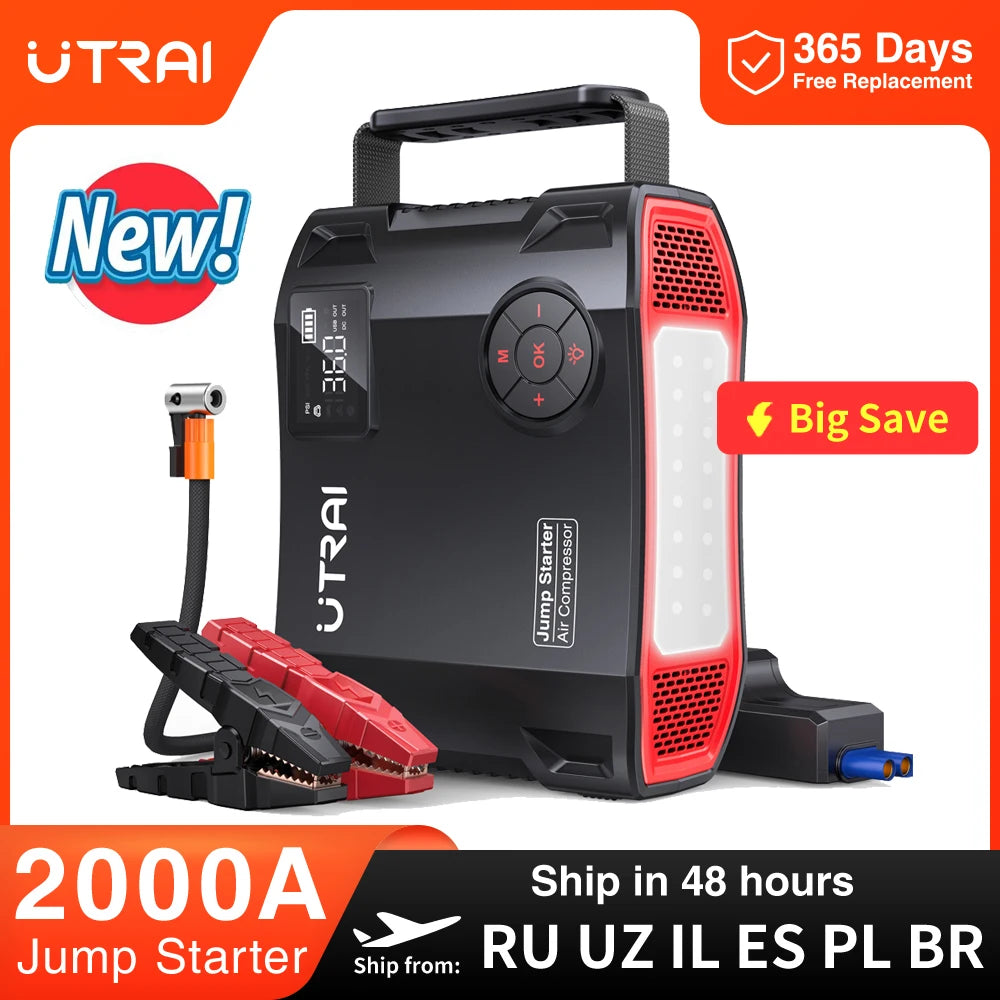
Portable jump starter with air compressor as complete roadside safety gear — See it in action
Drivers looking for a compact all-in-one solution that combines jump-start capability, automatic tire inflation, and practical emergency features can learn more here .
Top Travel Benefits of an All-in-One Ski Helmet
A travel-friendly ski helmet with integrated goggles helps simplify ski trips by reducing the amount of equipment you need to carry while providing a familiar fit every time you hit the slopes. For travelers who visit different resorts each season, owning a complete helmet-and-goggle system can save time before each session and provide more consistent performance than relying on rental equipment.
Packing and luggage convenience
An all-in-one ski helmet goggles system combines two essential pieces of equipment into one organized setup. Although the helmet still requires protective packing, you won't need a separate goggle case or worry about forgetting compatible eyewear.
- Fewer loose accessories to organize.
- Reduced chance of scratching or misplacing goggles during transit.
- Easier packing for weekend trips and airline travel.
Reducing rental costs and setup time
If you ski regularly, purchasing your own equipment can become more economical than renting every trip. You'll also avoid fitting appointments, rental queues, and uncertainty about the condition or sizing of available gear.
- Start skiing sooner after arriving at the resort.
- Use equipment that already fits your preferences.
- Avoid repeated rental fees over multiple seasons.
Consistent fit across ski trips
Using the same helmet and goggles throughout the season provides predictable comfort regardless of the resort. A properly fitted system minimizes pressure points, maintains reliable visibility, and helps you feel confident in changing weather conditions.
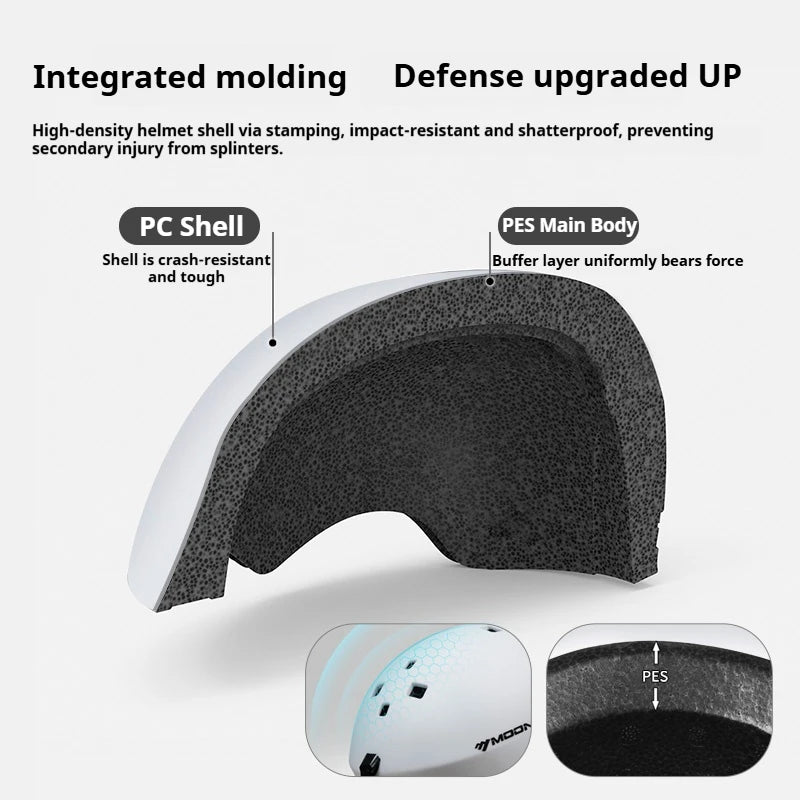
Designed for travel and performance — See it in action
Key Features to Compare Before Buying
Not every integrated ski helmet performs the same. Comparing fit, ventilation, lens quality, and safety certifications will help you choose a model that remains comfortable throughout long days on the mountain while providing dependable protection.
Helmet fit, sizing, and adjustment systems
A helmet should fit snugly without creating pressure points. Most quality models include adjustable dial-fit systems and padded liners that allow fine-tuning for different head shapes and winter base layers.
- Measure your head circumference before selecting a size.
- Choose adjustable retention systems for a customized fit.
- Ensure the helmet stays secure without excessive movement.
- Look for removable, washable padding for easier maintenance.
Ventilation and anti-fog performance
Effective ventilation keeps both the helmet and integrated goggles comfortable during changing activity levels. Well-designed airflow channels help regulate temperature while reducing moisture buildup that can affect visibility.
- Adjustable vents adapt to different weather conditions.
- Double-lens goggle designs improve resistance to fogging.
- Integrated airflow helps maintain clear vision during active skiing.
Lens technology, VLT, and visibility conditions
Lens selection directly affects visibility. Visible Light Transmission (VLT) indicates how much light passes through the lens, making different tints suitable for varying weather conditions.
- Low VLT: Better for bright, sunny conditions.
- Medium VLT: Suitable for mixed weather.
- High VLT: Improves visibility during snowfall and overcast days.
- Photochromic lenses automatically adapt to changing light throughout the day.
Safety certifications and impact protection
Comfort should never come at the expense of safety. Choose helmets that meet recognized certification standards and include modern impact-management features whenever possible.
- Look for ASTM or CE certification for snow sports helmets.
- MIPS-equipped models can provide additional rotational impact protection.
- Inspect the shell and retention system before every ski season.
Winter Sports Eye Protection Explained
Integrated goggles protect your eyes from ultraviolet radiation, blowing snow, wind, and glare while maintaining clear vision throughout changing mountain conditions.
Lens types and light conditions
- Photochromic lenses automatically adapt to changing sunlight.
- Polarized lenses reduce glare reflected from bright snow.
- Interchangeable lenses offer flexibility for dedicated skiers who frequently encounter different weather conditions.
Anti-fog and ventilation technology
Modern integrated systems combine dual-pane lenses, anti-fog coatings, and engineered ventilation pathways to maintain clear visibility while minimizing internal condensation during active skiing.
UV and impact protection standards
- Quality ski goggles provide full UV protection to reduce long-term sun exposure at high elevations.
- Impact-resistant lenses help shield your eyes from snow, ice, branches, and other trail debris.
- Choose helmets and goggles that comply with recognized industry safety standards for winter sports.
Integrated Ski Helmet Goggles vs Separate Gear: Which Is Better?
Convenience and portability comparison
| Feature | Integrated Helmet & Goggles | Separate Helmet & Goggles |
|---|---|---|
| Packing | ✅ Fewer individual items to manage | ⚠️ More accessories to organize |
| Fit compatibility | ✅ Designed as a matched system | ⚠️ Depends on brand compatibility |
| Fog resistance | ✅ Engineered airflow between helmet and goggles | ⚠️ Performance varies by combination |
| Lens customization | ⚠️ Depends on model | ✅ Wide choice of interchangeable goggles |
| Future upgrades | ⚠️ More limited | ✅ Individual components can be replaced |
| Best for | Travelers, beginners, recreational skiers | Advanced and performance-focused skiers |
Performance and customization differences
Integrated ski helmet goggles prioritize convenience, consistent fit, and simplified equipment management. Because the components are engineered together, they typically require less adjustment before skiing and offer dependable everyday performance.
Separate helmets and goggles provide greater flexibility. Experienced skiers who frequently change lenses for varying weather or already own premium equipment may prefer selecting each component independently.
When separate goggles are the better choice
Choosing separate gear makes sense if you regularly ski in highly variable conditions, compete, or want maximum freedom to upgrade helmets and goggles independently. For most recreational travelers, however, an integrated system offers an excellent balance of protection, comfort, and ease of use.
Best Ski Helmets With Goggles: Reviewed and Compared
Comparison table with price, fit, lens, safety, and features
| Model | Weight | Lens | Ventilation | Best For | Price |
|---|---|---|---|---|---|
| KentDO All-in-One 2026 | 450g | Photochromic | Adjustable vents | Overall value & travel | $299 |
| PeakVision Pro | 470g | Polarized | Full airflow system | Premium performance | $349 |
| SnowFlyer Integrated | 430g | Anti-fog coated | Dual vents | Budget-conscious buyers | $279 |
| AlpineRide Combo | 460g | Mirror lens | Top and rear vents | Resort skiing | $319 |
| SummitVision Elite | 480g | Photochromic + UV | Adjustable channels | Changing weather | $359 |
| GlacierPro Travel | 455g | Polarized + anti-fog | Flow-through vents | Frequent travelers | $329 |
| WinterEdge Integrated | 440g | Photochromic | Top/side vents | Beginner skiers | $289 |
Best overall ski helmet with goggles
KentDO All-in-One 2026 stands out for combining a lightweight design, photochromic lens technology, adjustable ventilation, and travel-friendly construction. It offers balanced performance for most recreational skiers without moving into the highest price category.
Best budget option
SnowFlyer Integrated delivers dependable anti-fog performance and a lightweight shell at one of the lowest prices in the comparison, making it a practical choice for occasional skiers.
Best premium option
PeakVision Pro is designed for skiers seeking advanced optics, premium ventilation, and enhanced comfort during longer days on the mountain.
Best option for beginners and travelers
WinterEdge Integrated offers an approachable balance of comfort, weight, and automatic lens versatility, making it well suited for new skiers and travelers purchasing their first integrated setup.
How to Choose the Right Ski Helmet With Attached Goggles
Finding the correct helmet size and fit
A properly fitted ski helmet with attached goggles should sit level on your head without excessive movement. Measure your head circumference above your eyebrows and compare it with the manufacturer's sizing chart before ordering.
- Choose a snug fit without painful pressure points.
- Test the adjustment dial to fine-tune the fit.
- Confirm the helmet remains stable when you shake your head.
- Wear the same base layer or beanie you normally use while skiing.
Choosing lenses for different weather conditions
Select lens technology based on the lighting conditions you expect most often. Photochromic lenses provide the greatest versatility for changing weather, while specialized tints can improve visibility in consistently bright or overcast environments.
- Photochromic lenses adapt automatically throughout the day.
- Darker tints perform well in bright sunshine.
- Higher VLT lenses improve visibility during snowfall or cloudy conditions.
Checking safety certifications and compatibility
Always prioritize certified protection over cosmetic features. Verify that the helmet complies with recognized snow sports safety standards and that the integrated goggles operate smoothly with the helmet's ventilation and adjustment systems.
- Look for ASTM or EN certification.
- MIPS technology provides additional rotational impact protection on compatible models.
- Inspect adjustment systems, buckles, and padding before each ski season.
- Replace any helmet that has sustained a significant impact, even if no external damage is visible.
For travelers who enjoy lifestyle upgrades beyond the slopes, browsing the Lifestyle collection can spark ideas that complement an active routine.
How We Evaluated Ski Helmets With Integrated Goggles
Rather than relying on individual testimonials, the recommendations in this guide are based on objective buying criteria that matter most to recreational skiers and travelers. Each helmet was assessed using the same factors to help shoppers compare products more confidently.
Review criteria
- Safety: Availability of recognized certifications such as ASTM, EN, and optional MIPS protection.
- Fit and comfort: Adjustment systems, interior padding, and long-session comfort.
- Visibility: Lens quality, anti-fog performance, UV protection, and adaptability to changing light.
- Ventilation: Airflow design for balancing warmth and moisture control.
- Travel practicality: Ease of packing, durability, and convenience for destination ski trips.
- Overall value: Features offered relative to price for recreational and frequent skiers.
Who benefits most from an integrated system?
Integrated ski helmet goggles are generally best suited to travelers, beginner and intermediate skiers, families, and anyone seeking a simplified equipment setup. Skiers who regularly change specialized lenses or customize their gear extensively may still prefer purchasing helmets and goggles separately.
Get yours now — limited stock!
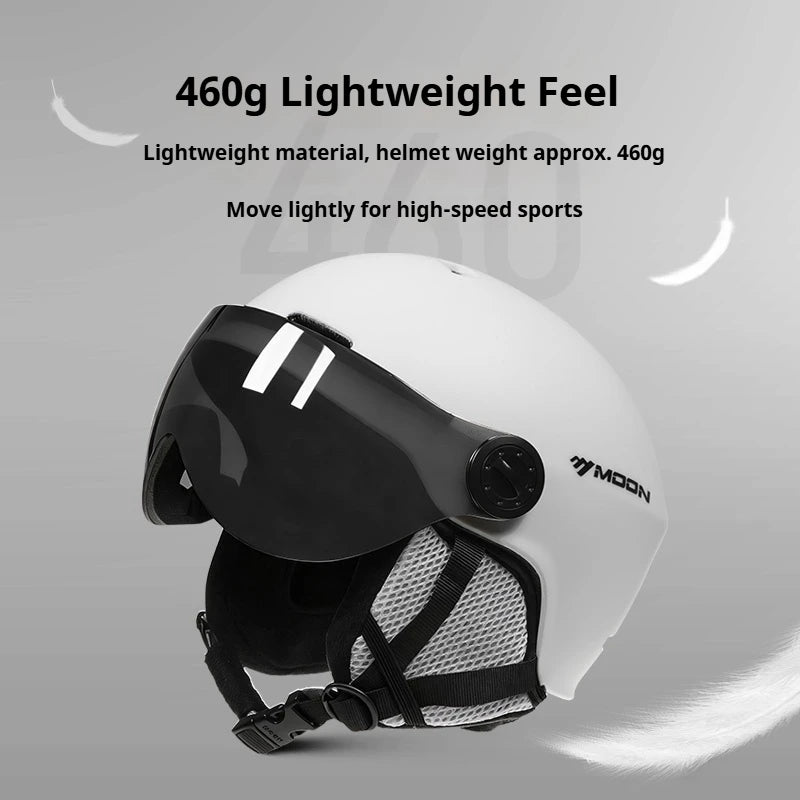
Confidence on every run — See it in action
FAQ Before Buying a Ski Helmet and Goggles Combo
What is the best ski helmet with goggles?
The best ski helmet with goggles depends on your priorities. Travelers often benefit from lightweight models with integrated photochromic lenses and adjustable ventilation, while experienced skiers may prioritize advanced impact protection, interchangeable lenses, and premium fit systems.
Are ski helmets with built-in goggles worth it?
Yes. For many recreational skiers, a helmet with built-in goggles offers excellent value by combining convenience, dependable compatibility, and reliable eye protection in a single system. It is especially useful for travelers and families who want to simplify packing and reduce setup time.
Can you wear regular goggles with an integrated ski helmet?
Some integrated helmet designs allow compatible replacement goggles or lenses, but compatibility varies by manufacturer. Always confirm the manufacturer's specifications before purchasing additional eyewear.
Are integrated ski helmets safer than separate helmets and goggles?
Safety depends primarily on the helmet's certification and proper fit rather than whether the goggles are integrated. Choose helmets that comply with recognized snow sports safety standards and fit securely on your head.
How do I choose the right size ski helmet with goggles?
Measure your head circumference, compare it with the manufacturer's sizing chart, and adjust the retention system until the helmet feels secure without uncomfortable pressure. The goggles should seal comfortably around your face while maintaining clear peripheral vision.
Can ski helmet goggles prevent fogging?
Quality integrated systems are designed to reduce fogging through dual-pane lenses, anti-fog coatings, and engineered ventilation. Although no goggle is completely immune to condensation in every condition, proper ventilation and correct fit significantly improve visibility.
Can you replace or upgrade the goggles lens?
Many modern integrated ski helmets support interchangeable lenses, allowing you to adapt to different weather conditions or replace a worn lens without replacing the entire helmet. Always check compatibility before purchasing replacement lenses.
Are integrated helmets good for beginners?
Yes. Integrated helmets are an excellent option for beginners because they simplify equipment selection, reduce compatibility issues, and provide a ready-to-use system that is easy to adjust and maintain.
Related Guide: Integrated Goggle Ski Helmet for Cold Wind and All-Day Visibility













