Does calf swelling and stiffness relief really work?
Calf swelling and stiffness can be reduced with a short daily routine that combines gentle movement, hydration, a foot massager for swelling, and compression therapy for sore legs. These tools support circulation, ease pressure, and help legs feel lighter within minutes after long hours standing.
Calf Swelling Relief: Causes, Symptoms & Proven Ways to Reduce Swelling Fast
⏱ 5 min read
Calf swelling and stiffness can turn long shifts into a painful grind. If your calves feel tight, heavy, or sore after a full day on your feet, you’re not alone. The good news? With the right combination of circulation support, movement, and recovery tools, you can reduce swelling quickly and prevent it from coming back.
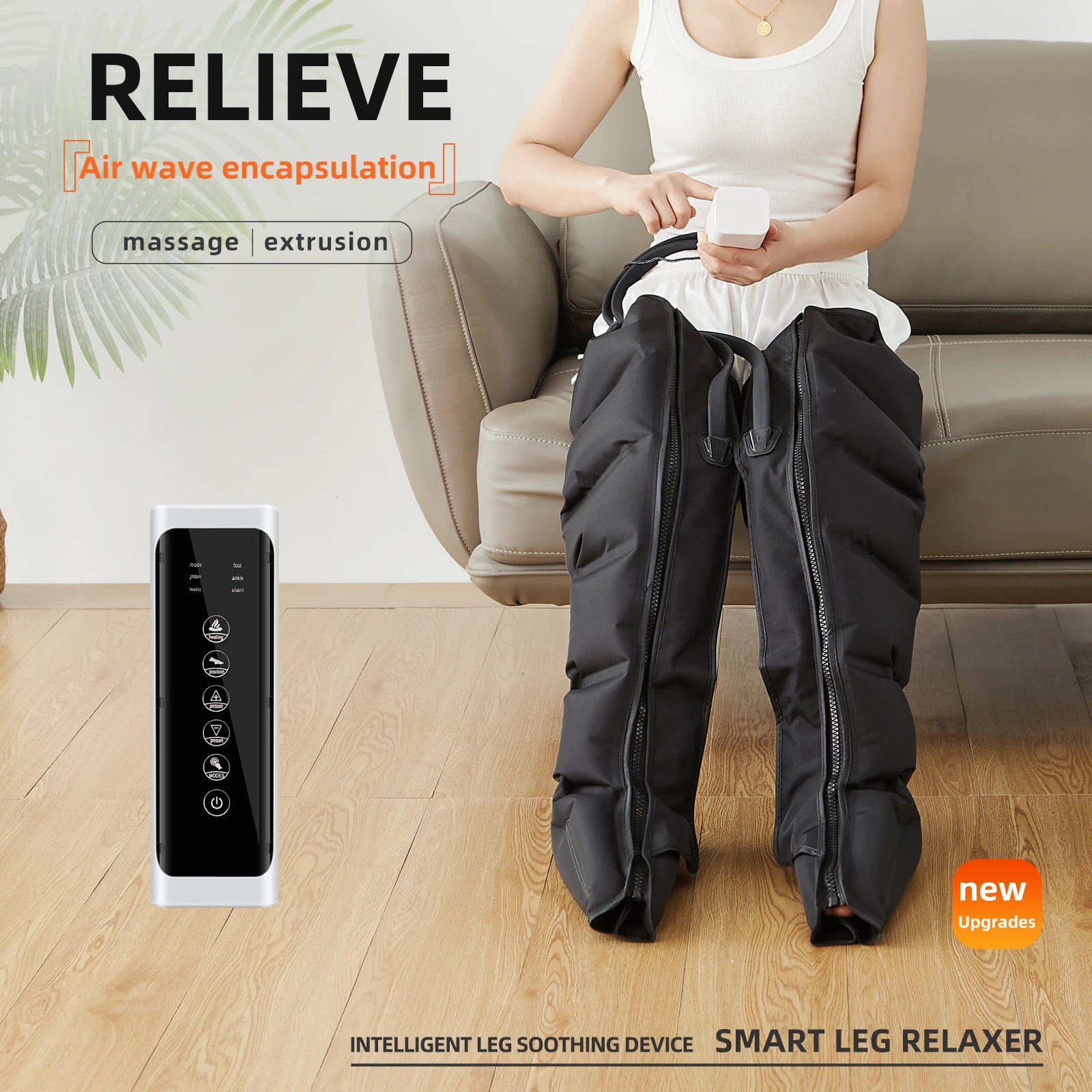
Calf swelling and stiffness after long shifts? See it in action
Calf Swelling After Standing: Why It Happens and What It Means
Calf swelling after standing for long hours is usually linked to dependent edema , a condition where fluid pools in the lower legs due to gravity and reduced circulation.
What is dependent edema?
Dependent edema occurs when fluid collects in the lowest parts of your body—typically the calves and ankles. It’s common after long periods of standing or sitting and usually improves with elevation and movement.
Why standing causes fluid to pool in the lower legs
When you stand for hours, your calf muscles don’t contract enough to push blood back up toward the heart. This leads to slower circulation, fluid buildup, and that heavy, tight feeling in your legs.
Who is most at risk?
- People with jobs that require prolonged standing (retail, healthcare, hospitality)
- Older adults with reduced circulation
- Pregnant individuals
- People with vein conditions or sedentary lifestyles
Common Causes of Calf Swelling After Standing
Dependent edema from prolonged standing
The most common cause is fluid pooling due to gravity, especially when movement is limited.
Venous insufficiency
When veins struggle to return blood efficiently, pressure builds in the lower legs, leading to swelling, discomfort, and sometimes varicose veins.
Pregnancy, obesity, medications and chronic conditions
Hormonal changes, excess body weight, and certain medications (like blood pressure drugs) can increase fluid retention and worsen swelling.
Deep vein thrombosis and other urgent causes
In rare cases, swelling may signal a serious issue like a blood clot. This requires immediate medical attention.
Is Your Calf Swelling Normal? Self-Assessment Checklist
Questions to ask yourself
- Did swelling appear after long standing?
- Does it improve with rest or elevation?
- Is it mild and symmetrical?
One leg vs both legs
Swelling in both legs is often harmless. Swelling in one leg may indicate a more serious issue.
Pitting vs non-pitting swelling
If pressing your skin leaves a dent (pitting), it may indicate fluid retention. Non-pitting swelling can be linked to other conditions like lymphedema.
Normal Swelling vs Warning Signs: When to Worry
| Normal Swelling | Warning Signs |
|---|---|
| Mild swelling after standing | Sudden swelling in one leg |
| Improves with rest | Pain, warmth, redness |
| Feels heavy but manageable | Does not improve overnight |
When to schedule a medical evaluation
If swelling persists, worsens, or includes pain or asymmetry, consult a healthcare provider.
How to Reduce Calf Swelling at Home
Elevation and movement
- Raise legs above heart level for 5–10 minutes
- Take walking breaks every 1–2 hours
Hydration and calf muscle activation
- Drink water consistently
- Perform ankle pumps and calf raises
Cold therapy and stretching
- Apply cold packs for inflammation
- Stretch calves against a wall
Home Treatments That May Help
Compression therapy for calf swelling
Compression helps push fluid upward, reducing pooling and improving circulation.
Foot massagers for swelling
Foot massagers stimulate circulation and relax tight muscles, especially after long standing periods.
When massage should be avoided
Avoid massage if you suspect a blood clot, severe pain, or unexplained swelling.
When you want massage and compression in one streamlined solution, the air compression leg massager delivers wrap-around pressure from ankles to calves—ideal after long shifts, events, or travel days.
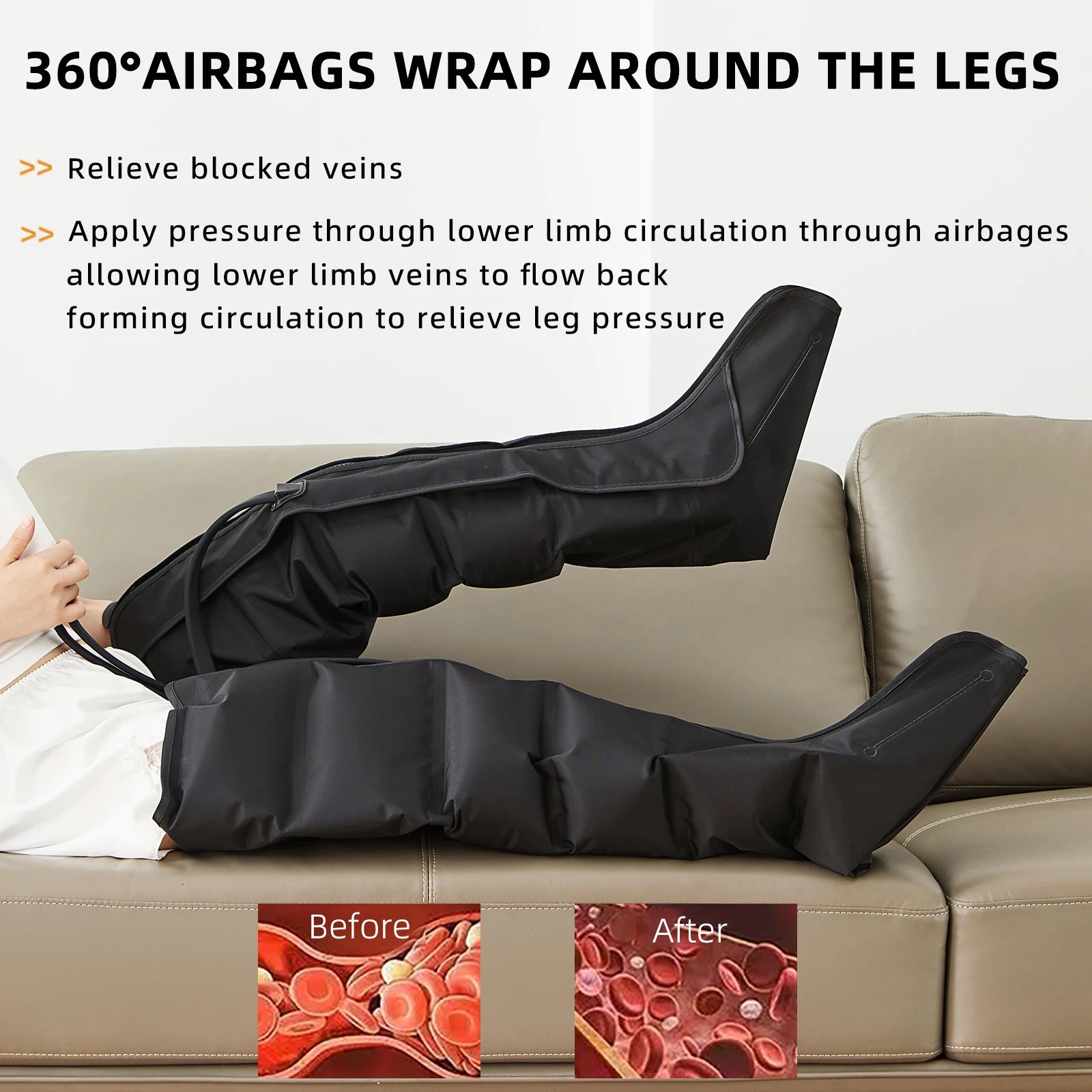
Foot massager for swelling + compression therapy for sore legs See it in action
Prevent Calf Swelling If You Stand All Day
Workplace movement breaks
- Shift weight frequently
- Walk briefly every hour
Supportive footwear and compression socks
- Wear cushioned, supportive shoes
- Use compression socks if needed
Daily habits that reduce swelling
- Stay hydrated
- Stretch before and after shifts
- Avoid prolonged immobility
Myths vs Facts About Calf Swelling
Does swelling always mean poor circulation?
Myth:
All swelling equals circulation problems.
Fact:
Temporary swelling is often harmless and due to fluid pooling.
Are compression socks always safe?
Myth:
Anyone can use compression freely.
Fact:
People with certain conditions should consult a doctor first.
Can massage fix every swollen calf?
Myth:
Massage is always the solution.
Fact:
Some conditions require medical treatment instead.
When to See a Doctor for Calf Swelling
Same-day symptoms
- Persistent swelling without improvement
- Moderate pain or discomfort
Emergency symptoms
- Sudden swelling in one leg
- Severe pain, redness, warmth
- Shortness of breath
Tests your healthcare provider may recommend
- Ultrasound to check for clots
- Blood tests
- Circulation assessments
Frequently Asked Questions
Why do my calves swell after standing all day?
Fluid builds up due to gravity and reduced circulation during prolonged standing.
How can I reduce calf swelling quickly?
Elevation, movement, hydration, and compression can help reduce swelling quickly.
Do compression socks help swollen calves?
Yes, they improve circulation and reduce fluid buildup.
Can standing cause permanent vein damage?
Prolonged standing may contribute to vein issues over time if not managed properly.
Should I exercise if my calves are swollen?
Light movement can help, but avoid intense activity if swelling is severe.
When is calf swelling an emergency?
Seek immediate care if swelling is sudden, painful, and affects one leg.
Related Guide: Poor Leg Blood Circulation Solutions for Daily Comfort