

Do Camp Stove Efficiency Tips Actually Work?
Yes. Camp stove efficiency tips help you cook faster while using less fuel by improving heat transfer, flame control, cookware efficiency, and wind protection. In real camping conditions, simple changes such as using a lid, matching the pot to the burner, shielding the flame from wind, and reducing heat after water reaches a boil can noticeably reduce fuel consumption while shortening cooking times. The exact savings depend on weather, cookware, and cooking habits, but these techniques consistently improve overall stove performance.
How to Improve Camp Stove Efficiency (Save Fuel, Cook Faster, Waste Less)
⏱ 6 min read
Camp stove efficiency is the ability to transfer as much heat as possible from your stove into your cookware instead of losing it to the surrounding air. Improving camp stove efficiency means using less fuel to prepare the same meal, reducing pack weight, extending fuel supplies on longer trips, and spending less time waiting for water to boil. Whether you're backpacking, car camping, or cooking in cold weather, a few practical adjustments can make your stove noticeably more efficient.
Discover practical ways to improve your setup today.
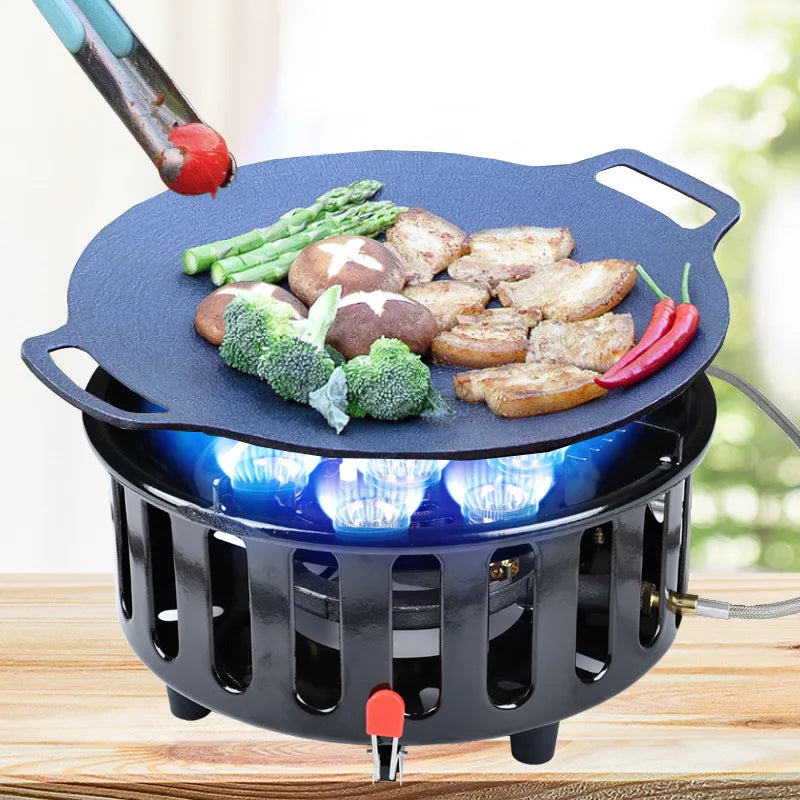
Smart flame control is the foundation of camp stove efficiency.
What Affects Camp Stove Efficiency?
Learning how to improve camp stove efficiency starts with understanding where heat is gained and where it is lost. Even a powerful stove can waste fuel if wind carries heat away, cookware doesn't fit the burner, or excessive flame extends beyond the bottom of the pot.
Heat Transfer Basics (Flame → Cookware → Food)
Efficient cooking depends on transferring heat directly from the burner into the base of your cookware and then into your food. A steady, well-controlled flame combined with a flat-bottomed pot allows more heat to be absorbed instead of escaping around the sides. Better heat transfer means shorter boil times and lower fuel use.
Where Fuel Gets Wasted (Wind, Gaps, Overheating)
The biggest causes of wasted fuel are wind, oversized flames, poor cookware fit, and unnecessary high heat. When flames extend beyond the edges of the pot, much of the energy never reaches the food. Likewise, cooking without a lid or allowing wind to disturb the flame forces the stove to burn longer to achieve the same result.
Weather, Altitude, and Temperature Effects
Outdoor conditions also influence efficiency. Cold temperatures reduce fuel canister pressure, while strong winds increase heat loss around the cookware. At higher elevations, water boils at a lower temperature, but colder air and changing stove performance can still increase total fuel consumption. Adapting your setup to environmental conditions is often just as important as choosing the right stove.
Fortunately, these losses are largely preventable. Throughout this guide, you'll learn practical camp stove efficiency tips that improve heat control, reduce wasted fuel, and help you cook more consistently in a wide range of camping conditions.
Quick Camp Stove Efficiency Tips That Save Fuel Immediately
Use a Windscreen Safely
A windscreen is one of the fastest ways to improve camp stove efficiency because it prevents heat from being blown away before it reaches your cookware. Position the windscreen with enough space for proper ventilation, and follow your stove manufacturer's recommendations. If you don't have a windscreen, cooking behind rocks or natural windbreaks can also reduce fuel waste.
Cook with a Lid
Cooking with a well-fitting lid traps heat and steam inside the pot, reducing boil times and shortening overall cooking time. This simple habit is especially valuable when heating water, simmering meals, or cooking in cool or windy conditions.
Match Pot Size to Burner
Choose cookware that closely matches the burner diameter. Pots that are too large allow heat to escape around the edges, while very small pots may not capture the full flame efficiently. Proper sizing improves heat transfer and helps reduce fuel consumption.
Reduce Flame After Boiling
Once water reaches a rolling boil, turn the burner down to maintain the desired temperature instead of leaving it on maximum output. Most foods continue cooking just as effectively at a moderate flame while using considerably less fuel.
Learn how smarter setup saves weight and time.
Step-by-Step Guide to Improve Camp Stove Efficiency
Choose the Best Cooking Location
Select a level, stable cooking surface that is naturally sheltered from wind whenever possible. A secure setup keeps cookware centered over the burner, improves heat transfer, and reduces the risk of spills or uneven cooking.
Preheat and Prepare Ingredients
Wash, chop, measure, and organize ingredients before lighting the stove. Reducing idle burner time is one of the easiest ways to save fuel, especially when preparing multiple meals during longer camping trips.
Control Heat Throughout Cooking
Adjust the flame to match each stage of cooking instead of running the stove at full power continuously. High heat works best for bringing water to a boil, while medium or low heat is usually sufficient for simmering, frying, or reheating food efficiently.
Reuse Residual Heat
Turn the stove off shortly before food is completely finished when appropriate. Residual heat stored in the cookware often completes the cooking process, allowing you to reduce burn time without sacrificing meal quality.
Efficient Camp Cooking Methods That Use Less Fuel
One-Pot Meals
Preparing soups, pasta, rice dishes, and stews in a single pot minimizes cooking time, reduces cleanup, and limits how long the stove needs to run. One-pot meals are among the most fuel-efficient choices for backpacking and camping.
Batch Cooking
If you're cooking for multiple people or spending several days at camp, prepare larger portions at once and reheat leftovers later. Batch cooking typically uses less fuel than repeatedly starting the stove for individual meals.
Pre-Soaking Foods
Foods such as beans, lentils, and some grains cook much faster after soaking. Spending a little time preparing ingredients beforehand can significantly shorten stove run time and improve overall fuel efficiency.
Cooking Order
Plan meals so foods requiring the highest heat are cooked first, then use the remaining heat for simmering or warming other ingredients. Taking advantage of residual heat helps reduce unnecessary fuel consumption throughout the meal.
Choose the Right Cookware for Better Efficiency
Best Pot Materials
The material of your cookware has a direct impact on cooking speed and fuel consumption. Aluminum offers excellent heat transfer and is lightweight, making it a popular choice for backpacking. Stainless steel is more durable but generally heats more slowly, while copper transfers heat exceptionally well but is heavier and less common for camping. For most outdoor cooking, lightweight aluminum cookware provides an excellent balance of efficiency and portability.
Heat Exchanger Pots
Heat exchanger pots feature fins or rings on the base that capture additional heat from the burner before it escapes. These designs can noticeably shorten boil times, especially when combined with a lid and proper wind protection. They are particularly useful for campers who frequently boil water for dehydrated meals or hot drinks.
Pot Size and Shape
Select cookware that matches your burner size and has a flat, stable base. Flat-bottom pots create better contact with the heat source, while excessively large or narrow cookware allows valuable heat to escape. A properly sized pot improves cooking performance while helping reduce overall fuel consumption.
How to Make a Camping Stove Burn Hotter Safely
Warm Cold Fuel Canisters
Cold temperatures lower fuel pressure, reducing flame output. Keeping a fuel canister off frozen ground or allowing it to warm gradually before use can improve stove performance. Never expose fuel canisters to direct flames or excessive heat.
Clean Burner Jets
Dirt, soot, and debris can partially block burner ports or jets, creating uneven flames and inefficient combustion. Regular cleaning helps maintain a steady flame pattern and allows the stove to operate at its intended output.
Optimize Fuel Pressure
Use the correct fuel recommended by the manufacturer and inspect valves, regulators, and fuel connections before each trip. Consistent fuel pressure supports reliable ignition, efficient combustion, and predictable cooking performance in varying weather conditions.
For campers comparing options, a powerful portable solution like this high-output camping gas stove offers strong performance, precise flame control, and efficient heat output for a wide range of outdoor cooking tasks.
Fuel Savings by Camping Scenario
Backpacking
When every ounce matters, reducing fuel consumption can lower pack weight and extend the number of meals you can cook with a single canister. Prioritize lightweight cookware with lids, sheltered cooking locations, and one-pot meals to maximize efficiency.
Car Camping
Car campers have greater flexibility with cookware and accessories. Larger pots, windshields, and heat exchanger cookware can improve cooking speed while conserving fuel during longer family meals.
Winter Camping
Cold weather presents additional challenges because lower temperatures reduce fuel pressure and increase heat loss. Protect the stove from wind, keep fuel canisters within their recommended operating temperature range, and minimize exposure to snow or frozen ground whenever possible.
Camp Stove Efficiency Checklist
Before Cooking
- Choose a level, sheltered cooking location.
- Inspect the stove, burner, and fuel connection.
- Prepare and measure all ingredients before lighting the burner.
- Select cookware that matches the burner size and use a lid whenever possible.
- Position a windscreen safely if conditions are breezy.
During Cooking
- Bring water to a boil, then reduce the flame to maintain temperature.
- Keep the lid on except when stirring.
- Avoid letting flames extend beyond the edges of the pot.
- Cook multiple ingredients efficiently using one-pot or batch cooking when practical.
- Monitor the flame and adjust it instead of leaving the burner at full power.
After Cooking
- Turn the stove off as soon as cooking is complete.
- Allow residual heat to finish warming food when appropriate.
- Clean burner ports after use to maintain efficient combustion.
- Store fuel canisters according to the manufacturer's recommendations.
- Review fuel usage to better estimate future camping trips.
Get yours now — limited stock!
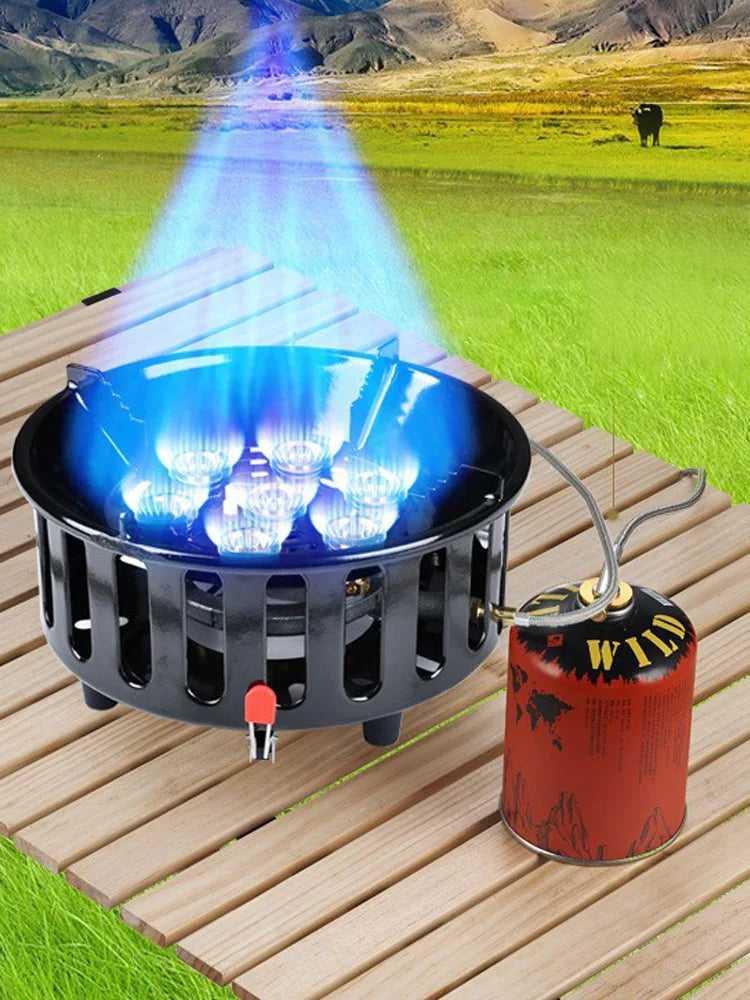
Reliable stoves help conserve fuel, shorten cooking times, and make outdoor meals more enjoyable.
Camp Stove Efficiency FAQ
Do camp stove efficiency tips work for all stove types?
Yes. The same principles of heat transfer, flame control, cookware selection, and wind protection improve efficiency for canister, liquid-fuel, alcohol, and solid-fuel camping stoves, although the exact fuel savings vary by design.
How much fuel can you realistically save with better camp stove efficiency?
The amount depends on weather, cookware, and cooking habits, but combining several best practices—such as using a lid, blocking wind, controlling the flame, and preparing ingredients in advance—can noticeably reduce fuel consumption over the course of a trip.
Does a windscreen always improve stove performance?
In windy conditions, a properly positioned windscreen usually improves heat retention and reduces fuel waste. Always leave adequate ventilation and follow the stove manufacturer's safety guidance, as some stoves have specific restrictions on windscreen use.
Why does my camp stove use more fuel in cold weather?
Cold temperatures reduce fuel pressure and increase heat loss to the surrounding air. Keeping fuel within its recommended operating temperature range, using a windscreen safely, and cooking with a lid can help maintain performance.
What cookware is most fuel efficient for camping?
Lightweight aluminum cookware and heat exchanger pots generally provide excellent heat transfer and shorter boil times. Matching the pot size to the burner and using a flat-bottom design further improves efficiency.
Should you cook on full flame or medium flame?
Use high heat only when rapid heating is needed, such as bringing water to a boil. After that, reducing the flame usually maintains cooking temperature while using considerably less fuel.
Does altitude increase camp stove fuel consumption?
Altitude changes stove performance and cooking conditions. Although water boils at a lower temperature, colder air, wind, and changing fuel pressure can increase overall fuel use if your setup is not optimized.
Related Guide: Electronic Ignition Camping Stove Explained for Faster Safer Starts













