

Camping in 30 Degree Weather: How to Stay Warm, Safe, and Sleep Comfortably
Camping in 30 degree weather can be comfortable, safe, and enjoyable when you prepare for temperatures hovering just below freezing. The key is combining the right clothing layers, an insulated sleep system, weather-aware campsite selection, and moisture management. Whether you're planning your first cold-weather trip or looking to improve your setup, this guide explains exactly how to stay warm through the night without relying on unsafe heating methods.
⏱ 8 min read
Camping in 30 Degree Weather: Can You Stay Warm, Safe, and Comfortable?
Yes. Camping in 30°F (approximately -1°C) is well within the capabilities of most campers equipped with appropriate gear and basic cold-weather skills. While these temperatures are not considered extreme winter conditions, they are cold enough for frost, frozen ground, and rapid body heat loss if your clothing or sleep system is inadequate.
This guide is designed for campers preparing for overnight temperatures around 30°F and focuses on practical strategies for choosing gear, preventing heat loss, sleeping comfortably, and reducing common cold-weather risks.
Is Camping in 30 Degree Weather Safe?
Yes, camping in 30 degree weather is safe for most healthy adults who prepare properly. The biggest challenges are staying dry, insulating yourself from the cold ground, and avoiding excessive wind exposure. Most cold-weather camping problems occur because of poor preparation rather than the temperature itself.
How cold is 30°F for camping?
Thirty degrees Fahrenheit marks the transition from cool-weather to cold-weather camping. Overnight frost is common, water bottles may partially freeze, and sleeping comfortably requires insulation both above and below your body. A sleeping bag alone is rarely enough because the ground continuously pulls heat away through conduction.
Although 30°F is manageable for experienced campers, it is cold enough that small mistakes—such as wearing damp clothing or using an uninsulated sleeping pad—can significantly reduce comfort and increase the risk of mild cold-related illness.
Who should avoid 30°F camping conditions
- First-time campers without cold-weather equipment
- Campers relying on summer-rated sleeping bags or thin sleeping pads
- People with poor circulation or medical conditions affected by cold exposure
- Anyone expecting heavy rain, wet snow, or strong winds without appropriate shelter and clothing
30°F vs 20°F vs 40°F camping comparison
| Temperature | Camping Difficulty | Typical Conditions | Recommended Sleep System |
|---|---|---|---|
| 40°F (4°C) | Easy | Cool nights with minimal frost | 30–40°F sleeping bag and insulated pad |
| 30°F (-1°C) | Moderate | Frost, frozen ground, noticeable heat loss | 20°F sleeping bag with R-value 3–5 sleeping pad |
| 20°F (-7°C) | Advanced | Persistent freezing temperatures and greater wind impact | 0–15°F sleeping bag with higher R-value insulation |
Explore proven options that experienced cold-weather campers trust.
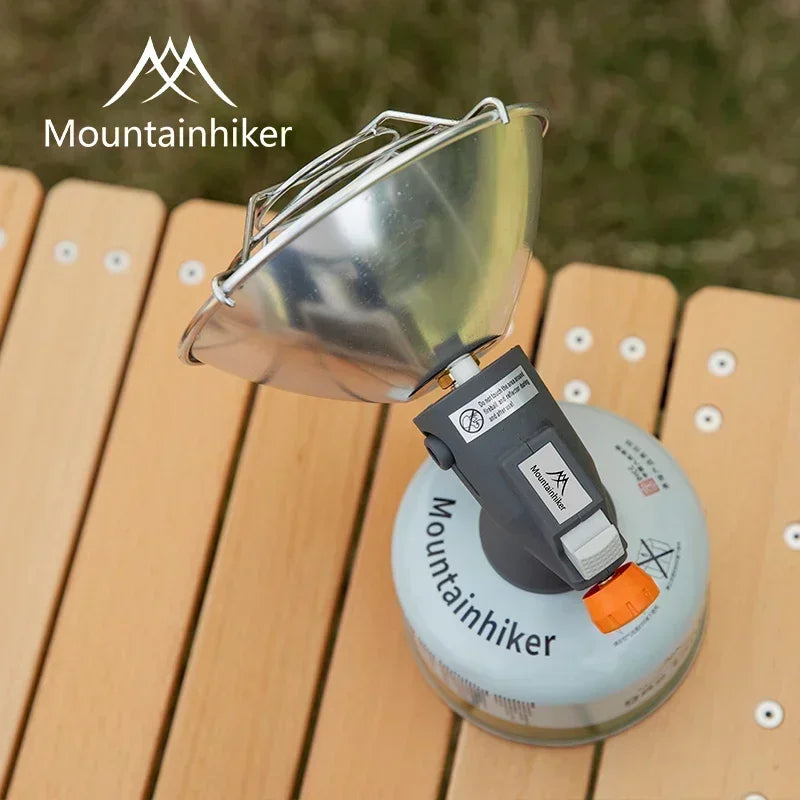
Reliable winter camping gear for camping in cold weather. See it in action.
Why 30°F Camping Feels Colder Than You Expect
Many people underestimate 30°F because the number seems close to freezing. In reality, your body responds not only to air temperature but also to wind, moisture, ground contact, and the rate at which heat escapes from your body. Understanding these factors helps you make smarter gear choices and stay comfortable throughout the night.
Wind chill and humidity explained
Wind strips away the thin layer of warm air surrounding your body, making 30°F feel much colder than the thermometer indicates. At the same time, humidity, rain, snow, or perspiration reduce the effectiveness of insulating clothing by replacing trapped warm air with moisture that conducts heat away much faster.
Ground heat loss and conduction
The frozen or cold ground continuously absorbs body heat while you sleep. This process, known as conduction, is why an insulated sleeping pad with an appropriate R-value is just as important as a warm sleeping bag. Without adequate ground insulation, even a premium sleeping bag may feel cold overnight.
How your body loses heat
Your body loses warmth through four primary mechanisms: radiation, conduction, convection, and evaporation. Radiation naturally releases body heat into the surrounding air, conduction transfers heat into the ground, convection increases heat loss when wind removes warm air around your body, and evaporation occurs when sweat or damp clothing cools your skin. Managing all four forms of heat loss is one of the most effective cold weather camping tips for 30 degrees and can make the difference between a comfortable night and a miserable one.
How to Camp in 30 Degree Weather (Step-by-Step)
Step 1: Check weather and pack accordingly
Before leaving, review the overnight low, wind speed, humidity, and precipitation forecast rather than focusing only on daytime temperatures. A calm 30°F night feels very different from one with strong winds or freezing rain. Pack extra insulating layers, dry socks, gloves, a warm hat, and a complete sleep system suited to the expected conditions.
Step 2: Choose the right campsite
Select a campsite sheltered from prevailing winds by trees, rock formations, or natural terrain. Avoid low valleys where cold air settles overnight, and look for level, well-drained ground to minimize moisture beneath your tent. If camping on snow or frozen soil, prepare additional insulation between your sleeping pad and the ground.
Step 3: Set up shelter for warmth and ventilation
Pitch your tent with its narrowest end facing the wind to reduce exposure. Secure guylines properly and maintain a small amount of ventilation by opening roof vents or slightly unzipping a vent panel. Controlled airflow helps reduce condensation without allowing excessive heat loss.
Step 4: Build a complete sleep system
Your sleep system should work as a complete package rather than relying on a single piece of gear. Pair a sleeping bag rated around 20°F with an insulated sleeping pad, wear clean and dry thermal layers to bed, and keep extra clothing available if temperatures drop unexpectedly. Ground insulation is equally as important as the sleeping bag itself.
Eat a warm, high-calorie meal before bed, stay hydrated, and change out of damp clothing before climbing into your sleeping bag. Keep essentials such as a headlamp, insulated water bottle, and extra socks within easy reach so you do not need to leave the tent unnecessarily during the night.
What to Wear Camping in 30 Degree Weather
Base layers: moisture management
Choosing the right base layer is the foundation of what to wear camping in 30 degree weather. Merino wool and quality synthetic fabrics wick perspiration away from your skin while continuing to insulate when slightly damp. Cotton should be avoided because it absorbs moisture, dries slowly, and accelerates body heat loss.
Mid layers: insulation strategy
Your mid layer traps warm air generated by your body. Fleece provides dependable insulation during active hiking, while down or synthetic insulated jackets offer greater warmth during rest periods or evenings around camp. Select insulation based on expected weather, activity level, and moisture exposure.
Outer layers: wind & moisture protection
A breathable waterproof shell blocks wind, light snow, and rain without trapping excessive perspiration inside your clothing system. Look for jackets and pants that balance weather protection with ventilation to prevent overheating during hiking or campsite setup.
Common layering mistakes
- Overdressing during physical activity and creating excessive sweat.
- Wearing cotton shirts, jeans, or socks that retain moisture.
- Neglecting insulated hats, gloves, neck protection, and warm socks.
- Sleeping in damp clothing instead of changing into dry sleep layers.
- Ignoring changing weather conditions throughout the day.
Sleeping in 30 Degree Weather Camping: Build a Warm Sleep System
Sleeping bag comfort vs survival ratings
Many sleeping bags display both comfort and lower-limit temperature ratings. For camping around 30°F, choose a bag with a comfort rating near 20°F whenever possible rather than relying on its survival rating. This provides a greater margin for unexpected weather changes and improves overnight comfort.
Sleeping pad R-value explained
The sleeping pad prevents conductive heat loss into the cold ground. An R-value between 3 and 5 is suitable for most 30°F camping trips, while colder conditions may require stacking a closed-cell foam pad beneath an insulated inflatable pad for additional protection.
Pillows, liners and hot water bottles
Small accessories can noticeably improve warmth. A sleeping bag liner adds several degrees of insulation while helping keep your bag clean. An insulated pillow improves sleep quality, and a sealed hot water bottle placed near your feet before bedtime can provide comfortable warmth for several hours.
Real 30°F sleep setups
- 20°F sleeping bag + R-4 sleeping pad + moisture-wicking thermal base layers.
- 30°F sleeping bag + insulated liner + double sleeping pad setup.
- Down sleeping bag + insulated air pad + closed-cell foam backup pad.
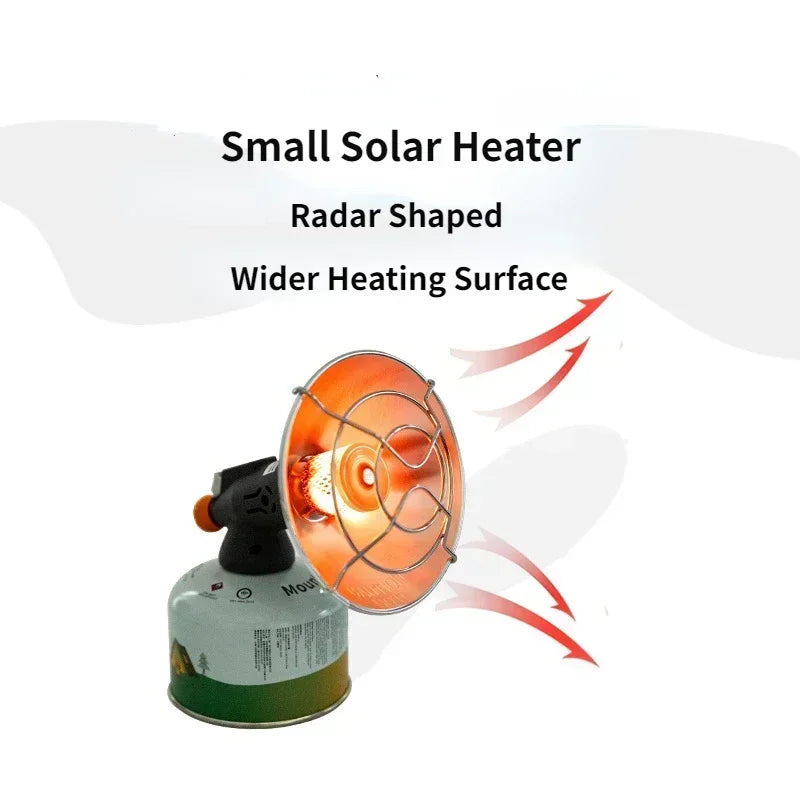
Sleep systems designed for cold camping nights warmth. See it in action.
30 Degree Camping Gear Checklist
Essential gear
- 20°F-rated sleeping bag for comfortable overnight warmth.
- Insulated sleeping pad with an R-value between 3 and 5.
- Moisture-wicking base layers, insulating mid layers, and a waterproof outer shell.
- Weather-resistant 3-season or 4-season tent appropriate for expected conditions.
- Warm hat, insulated gloves, and extra wool or synthetic socks.
- Headlamp with fresh batteries and a backup set.
- Camp stove, fuel, and insulated water bottles for hot drinks and meals.
- Basic first-aid kit, emergency blanket, and navigation tools.
Optional comfort upgrades
- Sleeping bag liner for additional warmth.
- Leak-proof hot water bottle to preheat your sleeping bag.
- Insulated camp chair for evenings around camp.
- Foam sit pad for added insulation on cold surfaces.
- Hand warmers for extended outdoor activities.
What you can skip
- Heavy portable heaters that are unsafe inside enclosed tents.
- Bulky equipment that adds weight without improving insulation.
- Multiple heavy blankets that compress insulation instead of trapping warm air efficiently.
Browse curated cold-weather gear inside the Lifestyle collection.
Choosing the Right Tent for 30°F Camping
3-season vs 4-season tents
A quality 3-season tent is suitable for most camping trips around 30°F when conditions are relatively calm. If your trip may include heavy snowfall, sustained high winds, or harsher winter weather, a 4-season tent provides greater structural strength and improved weather protection.
Ventilation and condensation control
Keeping vents partially open allows humid air to escape before it condenses on tent walls. Good airflow helps keep sleeping bags and clothing dry, preserving their insulating performance throughout the night.
Tent placement and wind protection
Pitch your tent behind natural windbreaks such as trees, shrubs, or rock formations whenever possible. Avoid exposed ridges and low areas where cold air pools overnight, and orient the tent to minimize direct wind exposure.
Food, Water, and Cooking in 30°F Weather
High-calorie meals
Your body burns additional energy to maintain its core temperature in cold environments. Meals rich in carbohydrates, healthy fats, and protein provide sustained energy that supports overnight heat production. A warm dinner followed by a hot drink before bedtime can also improve comfort.
Hydration in cold weather
Cold temperatures reduce the sensation of thirst, but hydration remains essential for healthy circulation and temperature regulation. Drink water consistently throughout the day and consider carrying an insulated bottle to slow freezing during overnight storage.
Keeping water from freezing
Store water bottles upside down because ice forms first at the surface. Keeping bottles inside the tent or placing them inside an insulated sleeve helps ensure you still have drinkable water in the morning.
Cold Weather Camping Tips for 30 Degrees
Preventing condensation
Condensation is one of the most common causes of cold, damp gear during overnight camping. Maintain light ventilation, avoid bringing wet clothing into the tent, and keep damp boots or rain gear in the vestibule whenever possible.
Managing wet clothing
Replace damp base layers as soon as practical. Even small amounts of moisture reduce insulation efficiency and increase heat loss. Pack spare socks and thermal clothing in waterproof bags so you always have dry layers available for sleeping.
Morning routine for staying warm
Begin moving shortly after waking to generate body heat naturally. Eat a warm breakfast, drink a hot beverage, and pack your sleeping bag only after allowing any overnight moisture to air out whenever weather permits.
Emergency preparedness
One of the most valuable cold weather camping tips for 30 degrees is preparing for changing conditions. Carry a charged phone or emergency communication device, let someone know your itinerary, pack extra food and insulating clothing, and understand the early warning signs of hypothermia and frostbite so you can respond quickly if conditions deteriorate.
Common Mistakes When Camping in 30°F Weather
Ignoring sleeping pad insulation
Many campers focus on buying a warmer sleeping bag while overlooking the sleeping pad beneath them. Without sufficient ground insulation, body heat escapes into the cold ground throughout the night, making even premium sleeping bags feel ineffective.
Overdressing before bed
Wearing too many heavy layers inside your sleeping bag can cause perspiration, which reduces insulation and leaves you feeling colder later in the night. Instead, wear clean, dry thermal sleep clothing and allow your sleeping bag to trap warm air efficiently.
Poor campsite selection
Camping in exposed locations increases wind chill and makes it harder to stay warm. Whenever possible, choose sheltered campsites on dry, level ground while avoiding low-lying areas where cold air naturally settles overnight.
- Using sleeping bags or clothing that are not rated for near-freezing temperatures.
- Ignoring ground insulation and relying only on a sleeping bag.
- Going to bed in damp clothing or wet socks.
- Overheating and sweating while hiking or setting up camp.
- Underestimating wind, humidity, and overnight weather changes.
- Failing to carry spare dry layers or emergency supplies.
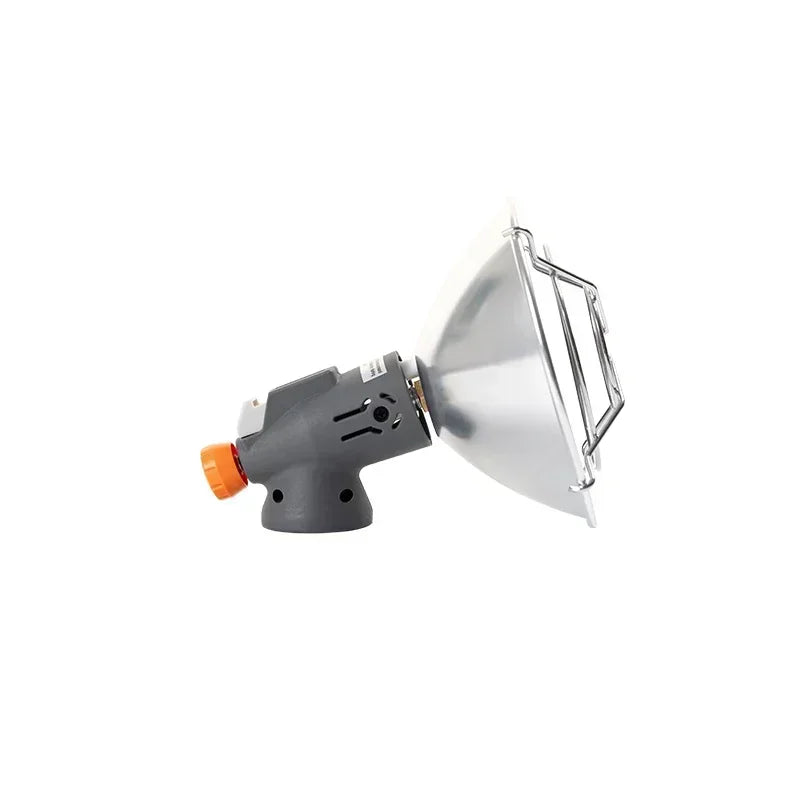
Confidence-building winter camping gear for staying warm while camping. See it in action.
Get equipped with trusted winter camping gear before temperatures drop.
Frequently Asked Questions About Camping in 30 Degree Weather
Is camping in 30 degree weather safe for beginners?
Yes, provided beginners use appropriate cold-weather gear, monitor the forecast carefully, and camp in stable weather conditions. Choosing a developed campground and testing your equipment before an overnight trip can make the experience much safer and more enjoyable.
How cold is 30 degrees for camping?
Thirty degrees Fahrenheit is considered cold-weather camping. Frost, frozen ground, and noticeable overnight heat loss are common, making proper clothing layers and an insulated sleep system essential.
What should I wear camping in 30 degree weather?
Wear a moisture-wicking base layer, an insulating fleece or down mid layer, and a windproof, waterproof outer shell. Complete your clothing system with insulated socks, gloves, and a warm hat to reduce heat loss from your extremities.
What sleeping bag rating is best for 30°F camping?
A sleeping bag with a comfort rating around 20°F provides an appropriate safety margin for most people camping in 30°F overnight temperatures.
How important is a sleeping pad R-value at 30°F?
Very important. An R-value between 3 and 5 helps prevent conductive heat loss into the cold ground and significantly improves sleeping comfort.
Can you use a 3-season tent in 30°F weather?
Yes. A quality 3-season tent is suitable for most 30°F camping trips when heavy snow and severe winds are not expected. Ensure the tent is properly pitched and ventilated to reduce condensation.
How do you stop condensation inside a tent?
Keep roof vents open, avoid drying wet clothing inside the sleeping area, and maintain gentle airflow throughout the night. Proper ventilation helps moisture escape before it condenses on the tent walls.
Can you camp in 30°F without a heater?
Yes. Most experienced campers rely on layered clothing, insulated sleeping pads, and appropriately rated sleeping bags instead of portable heaters, which can present fire and carbon monoxide hazards inside enclosed shelters.
Related Guide: How to Stay Warm Camping in Freezing Nights













