

What is a camping in cold weather checklist for first-time campers?
A camping in cold weather checklist is a practical packing and preparation guide that helps you stay warm, dry, and safe when camping in low temperatures. It covers essential gear, clothing, shelter, food, and safety planning so first-time campers can avoid common mistakes such as inadequate insulation, wet clothing, poor campsite selection, or forgetting emergency supplies.
Quick Summary Checklist (Printable Version)
- 4-season or insulated tent
- Cold-rated sleeping bag matched to expected temperatures
- Insulated sleeping pad with a high R-value
- Layered clothing (base, insulating mid-layer, weatherproof shell)
- Waterproof boots, insulated gloves, warm hat, and extra socks
- High-calorie meals, snacks, and insulated water bottles
- Headlamp with spare batteries
- Emergency kit with first aid supplies, fire starter, and thermal blanket
- Cold-weather stove and appropriate fuel
- Weather forecast, campsite plan, and emergency contact information
Camping in Cold Weather Checklist for First-Time Campers
⏱ 7 min read
Camping in cold weather can be one of the most rewarding outdoor experiences, but it also requires more preparation than camping in mild conditions. Have you ever wondered why some campers stay warm all night while others wake up freezing? The difference is usually preparation. This guide provides a complete camping in cold weather checklist to help beginners pack smarter, avoid preventable mistakes, and enjoy a safe, comfortable first cold-weather adventure.
Camping in cold weather checklist essentials laid out before sunset. See it in action.
Why a Cold Weather Camping Checklist Matters
Camping cold environments demands more than simply packing thicker clothing. Lower temperatures, moisture, wind, and shorter daylight hours create challenges that can quickly become safety risks without proper planning. A well-organized cold weather camping checklist helps ensure every critical item is packed before you leave home, reducing the chance of equipment failure or dangerous exposure.
Cold Weather Risks
Understanding the biggest hazards is the first step in learning how to camp in the cold safely.
- Hypothermia: Body temperature drops when heat is lost faster than it can be replaced. Wet clothing, wind, and poor insulation significantly increase the risk.
- Frostbite: Fingers, toes, ears, and the nose are especially vulnerable when exposed to freezing temperatures or strong wind.
- Moisture buildup: Sweat, rain, snow, or tent condensation reduce the insulating ability of clothing and sleeping gear.
- Dehydration: Cold weather often suppresses thirst, making it easy to drink less than your body needs.
- Gear failure: Batteries drain faster, stove performance can decline, and improperly rated equipment may not provide adequate protection.
How Preparation Prevents Problems
A complete camping in cold weather checklist creates a safety mindset before your trip begins. Instead of reacting to problems outdoors, you prepare for them in advance by checking weather forecasts, selecting appropriate gear, packing backup essentials, and understanding how each item contributes to warmth and safety.
Even experienced campers rely on checklists because forgetting a single essential item—such as an insulated sleeping pad or dry base layer—can make the difference between a comfortable night and an early trip home.
Complete Cold Weather Camping Checklist (Printable by Category)
Use this cold weather camping checklist as a final packing reference before leaving. Items are organized by category so you can quickly confirm you've covered every essential.
Quick Printable Checklist
- Shelter: Winter-rated tent, footprint, stakes, guylines
- Sleep: Cold-rated sleeping bag, insulated sleeping pad, sleeping bag liner
- Clothing: Base layers, insulating jacket, waterproof shell, gloves, hat, thermal socks
- Cooking: Cold-weather stove, fuel, lighter, cookware
- Food & Water: High-calorie meals, snacks, insulated bottles
- Safety: First aid kit, emergency blanket, fire starter, headlamp, spare batteries
- Navigation: Map, compass or GPS, fully charged phone and power bank
Essential vs Optional Gear
Essential Gear
- 4-season or winter-rated tent
- Ground tarp or footprint
- Cold-rated sleeping bag
- Insulated sleeping pad (R-value 4+ recommended)
- Moisture-wicking base layers
- Insulating mid-layer (fleece or down)
- Waterproof and windproof outer shell
- Warm hat, gloves, and thermal socks
- Cold-weather stove and fuel
- High-calorie food and insulated water bottles
- First aid kit
- Headlamp with extra batteries
- Emergency blanket or bivy
- Fire starter kit
- Multi-tool or knife
Optional Comfort Gear
- Sleeping bag liner
- Extra blanket or bivy sack
- Hand warmers
- Camp chair with insulation
- Hot water bottle
- Extra dry clothing reserved for sleeping
Trip Planning Checklist
- Check weather forecasts and overnight low temperatures.
- Share your itinerary with a trusted friend or family member.
- Confirm your sleeping bag and pad are rated for expected conditions.
- Pack one complete set of dry backup clothing.
- Test your stove and lighting equipment before departure.
- Review campsite access, road conditions, and emergency exit routes.
How to Camp in Cold Weather (Step-by-Step)
Check the Forecast
Before packing, review the forecast for daytime highs, overnight lows, wind speeds, precipitation, and potential weather changes. Wind chill can make conditions feel significantly colder than the reported air temperature, so choose gear based on the coldest expected conditions rather than average temperatures.
Choose a Campsite
Select a campsite with natural protection from prevailing winds, such as tree lines, rock formations, or gentle terrain. Avoid low valleys where cold air settles overnight and stay away from locations with overhead hazards such as unstable branches or heavy snow loads.
- Look for naturally sheltered locations.
- Choose well-drained ground whenever possible.
- Avoid camping directly beside rivers or frozen lakes unless conditions are well understood.
- Arrive before sunset to allow enough time for setup.
Set Up Shelter
Your shelter plays a major role in conserving heat. Proper positioning and ground insulation often have a greater impact than buying a larger tent.
- Pitch the smallest side of the tent toward the prevailing wind.
- Use a ground tarp or footprint beneath the tent to reduce moisture transfer.
- Secure guylines and winter-rated stakes firmly for changing weather.
- Clear snow, wet leaves, or standing water before pitching your tent.
- Add extra insulation beneath your sleeping area if camping on frozen ground.
Pro Tip: Slightly venting your tent reduces condensation buildup. A small amount of airflow helps keep sleeping gear drier and warmer throughout the night.
Stay Dry
Moisture is one of the biggest challenges when learning how to camp in cold weather. Sweat, snow, and condensation can all reduce insulation and increase heat loss.
- Open roof or door vents enough to control condensation.
- Keep wet boots and outer layers outside the sleeping area whenever possible.
- Avoid overheating during hikes by removing layers before you begin sweating.
- Carry dry clothing reserved exclusively for sleeping.
Sleep Warm
Prepare your sleeping area before temperatures drop. Place your sleeping pad on level ground, organize essential gear within reach, and change into clean, dry sleep clothing before climbing into your sleeping bag. A warm meal and hot drink shortly before bedtime can also help maintain core temperature.
Break Camp Safely
In the morning, inspect equipment for moisture or ice before packing. Shake snow from tents, dry gear whenever practical, and leave extra time for frozen stakes or stiff guylines. Double-check that campfires are completely extinguished and leave the campsite as you found it.
Safe Outdoor Heating Methods Explained
Safe heating practices can improve comfort during cold weather camping, but they should always be considered a supplement to proper insulation—not a replacement for an appropriate shelter, sleeping system, or layered clothing. Your primary defense against the cold is staying dry, blocking wind, and retaining body heat.
- Never use open flames or charcoal inside a sealed tent.
- Keep portable heat sources on a stable, nonflammable surface away from tent walls and sleeping bags.
- Maintain adequate ventilation whenever combustion-based equipment is operating.
- Carry a carbon monoxide detector when using enclosed shelters designed for compatible heaters.
- Turn off heaters before sleeping unless the manufacturer specifically certifies safe overnight operation.
- Keep children, pets, and flammable gear clear of active heat sources.
Good insulation, dry clothing, and an appropriate sleeping setup remain the safest and most effective ways to stay warm throughout the night.
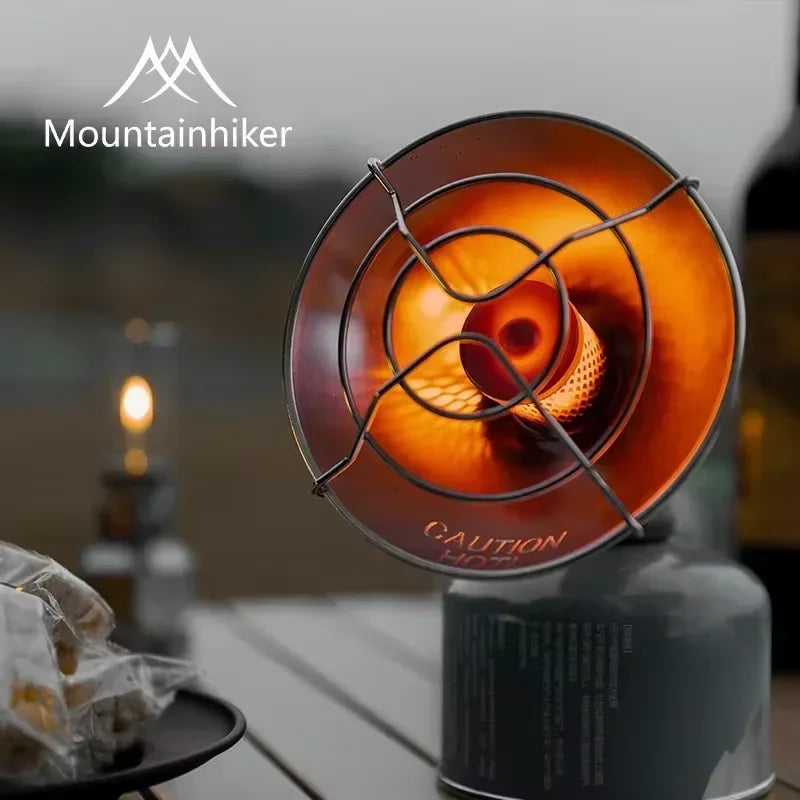
Safe outdoor heating methods during campsite setup. See it in action.
Portable Camping Heaters: When to Use Them Safely
Safe Heater Practices
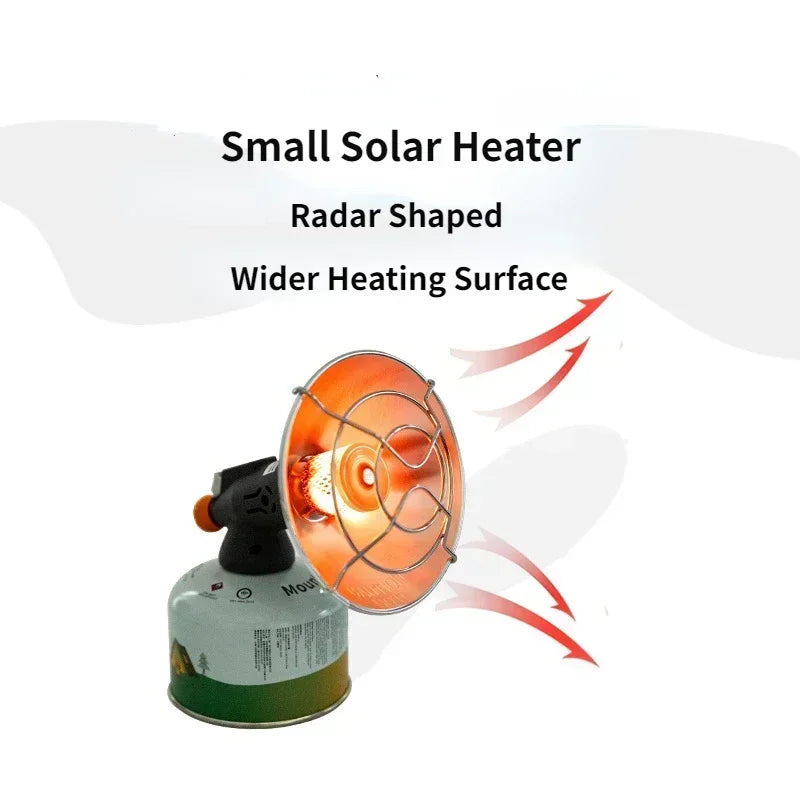
A portable camping gas heater can make evenings and meal preparation more comfortable, but it should never replace proper insulation, appropriate clothing, or a cold-weather sleep system. Use heaters only according to the manufacturer's instructions and prioritize ventilation whenever combustion is involved.
- Use heaters outdoors or in shelters specifically designed for safe ventilation.
- Keep the heater on a stable surface away from tents, sleeping bags, and flammable gear.
- Never leave a heater unattended while operating.
- Turn the heater off before sleeping.
- Follow all fuel storage and transportation recommendations.
When a Heater Is Worth Bringing
A portable camping heater is most useful during early mornings, evening camp setup, or meal preparation when you're stationary for extended periods. Many experienced campers rely on proper insulation first and use supplemental heat only for short periods of added comfort.
- Provides fast warmth during meal prep.
- Compact enough for many car camping trips.
- Helpful during extended evenings in very cold conditions.
- Works best when combined with quality cold-weather gear.
For those exploring compact options, a portable camping gas heater can provide convenient supplemental warmth when used responsibly and according to safety guidelines.
Essential Safety Checks Before Nightfall
- Change into completely dry clothing before temperatures begin to fall.
- Prepare a hot meal or warm drink to help maintain core body temperature.
- Store water bottles upside down to reduce freezing around the lid.
- Secure tents, guylines, and loose gear against overnight wind.
- Review the latest weather forecast and expected overnight temperatures.
- Confirm headlamps, batteries, navigation tools, and emergency gear are easily accessible.
Cold Weather Emergency Plan
Always have a backup plan before spending the night outdoors. Tell someone your planned campsite and expected return time, know your quickest exit route, and carry emergency insulation in case conditions deteriorate. Learn more in how to prevent hypothermia outdoors .
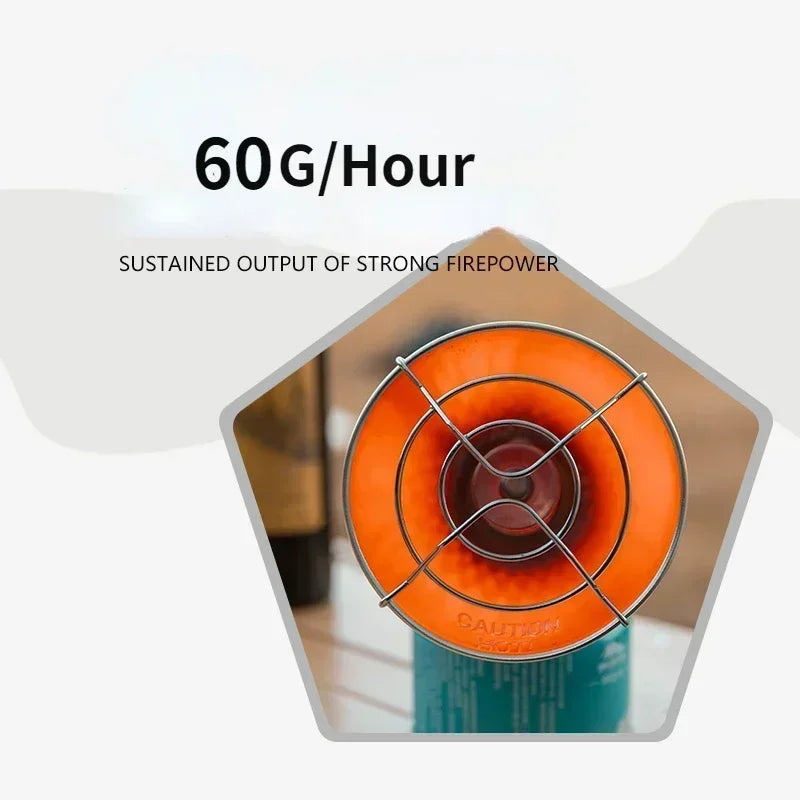
Portable camping gas heater packed with winter camping gear. See it in action.
How Cold Is Too Cold for Camping?
The answer depends on your experience, equipment, weather conditions, and the effects of wind chill—not just the air temperature. Beginners should choose conservative conditions while building skills and confidence.
Temperature Guidelines
- Above 5°C (41°F): Generally comfortable with standard cold-weather camping gear.
- 0°C to 5°C (32–41°F): Requires reliable insulation, proper layering, and a cold-rated sleep system.
- Below 0°C (32°F): Suitable only with winter-specific equipment and careful trip planning.
- Below -10°C (14°F): Not recommended for first-time campers due to increased safety risks.
When to Cancel Your Trip
Postponing a trip is often the safest decision if severe weather is expected. Consider rescheduling when forecasts include high winds, heavy snowfall, freezing rain, avalanche risk, or temperatures that exceed the performance limits of your equipment. If your gear is not rated for the expected conditions or you are uncertain about your ability to stay warm and dry, waiting for better weather is the responsible choice.
Common Cold Weather Camping Mistakes to Avoid
Even with quality equipment, small mistakes can quickly turn a comfortable camping trip into a cold and potentially unsafe experience. Learning how to camp in cold weather means recognizing these common errors before they happen.
Packing Errors
- Choosing a sleeping pad with insufficient R-value for the expected temperatures.
- Packing clothing that absorbs moisture instead of moisture-wicking base layers.
- Bringing too little food for increased cold-weather energy demands.
- Using stove fuel that performs poorly in low temperatures.
- Forgetting spare gloves, socks, or batteries.
Camp Setup Errors
- Pitching a tent in exposed, windy locations.
- Setting up in low-lying areas where cold air collects overnight.
- Failing to ventilate the tent, leading to excessive condensation.
- Leaving wet gear inside the sleeping area.
- Waiting until after dark to set up camp.
Safety Mistakes
- Overdressing during activity and sweating excessively.
- Sleeping in damp clothing instead of changing into dry layers.
- Ignoring hydration because you don't feel thirsty.
- Underestimating wind chill or rapidly changing weather forecasts.
- Relying on heaters instead of proper insulation and sleep systems.
For everyday wellness and recovery after outdoor trips, explore the Lifestyle collection for tools that support comfort and relaxation.
Frequently Asked Questions
What are the most important cold weather camping essentials?
The most important essentials include a weather-appropriate tent, a cold-rated sleeping bag, an insulated sleeping pad with a suitable R-value, layered clothing, waterproof footwear, reliable cooking equipment, high-calorie food, plenty of water, a headlamp with spare batteries, and a complete emergency kit.
How do I stay warm while camping below freezing?
Stay dry, wear moisture-wicking layers, insulate yourself from the ground with a quality sleeping pad, eat calorie-rich meals, drink warm fluids, and change into dry clothing before bed. Preventing heat loss is generally more effective than trying to generate additional heat.
How cold is too cold for camping?
There is no single temperature that applies to everyone. Your experience level, equipment ratings, wind chill, and weather conditions all matter. For most beginners, camping below 0°C (32°F) should only be attempted after gaining experience and using appropriate winter-rated gear.
What should beginners pack for cold weather camping?
Beginners should prioritize dependable shelter, an insulated sleep system, layered clothing, waterproof gear, emergency supplies, extra food, sufficient water, navigation tools, and a well-planned itinerary. Packing a few backup essentials is better than discovering you forgot a critical item after arriving at camp.
Do I need a portable heater for winter camping?
No. Most campers stay warm with a properly rated sleeping bag, insulated sleeping pad, layered clothing, and good campsite selection. A portable heater can add comfort during evenings or meal preparation but should never replace proper insulation and must always be used according to safety guidelines.
Related Guide: How to Stay Warm Camping in Freezing Nights













