

Does a camping stove heat attachment work safely in cold weather?
A camping stove heat attachment can provide effective radiant warmth during cold-weather camping when it is used outdoors or in well-ventilated areas with proper fuel management and safe positioning. While the attachment improves heat distribution, it does not eliminate carbon monoxide or fire risks, so following portable heater safety practices remains essential.
Using a Camping Stove as a Heater: Is It Safe + Best Practices
⏱ 6 min read — Cold nights can quickly drain the enjoyment from a camping trip. Many campers use a camping stove heat attachment to make the most of the heat their stove already produces, but using camping stove as heater requires careful attention to ventilation, flame safety, and fuel handling. This guide explains when it may be appropriate, when it should be avoided, and the safety rules every camper should follow.
Explore smart heating setups that balance comfort and safety.
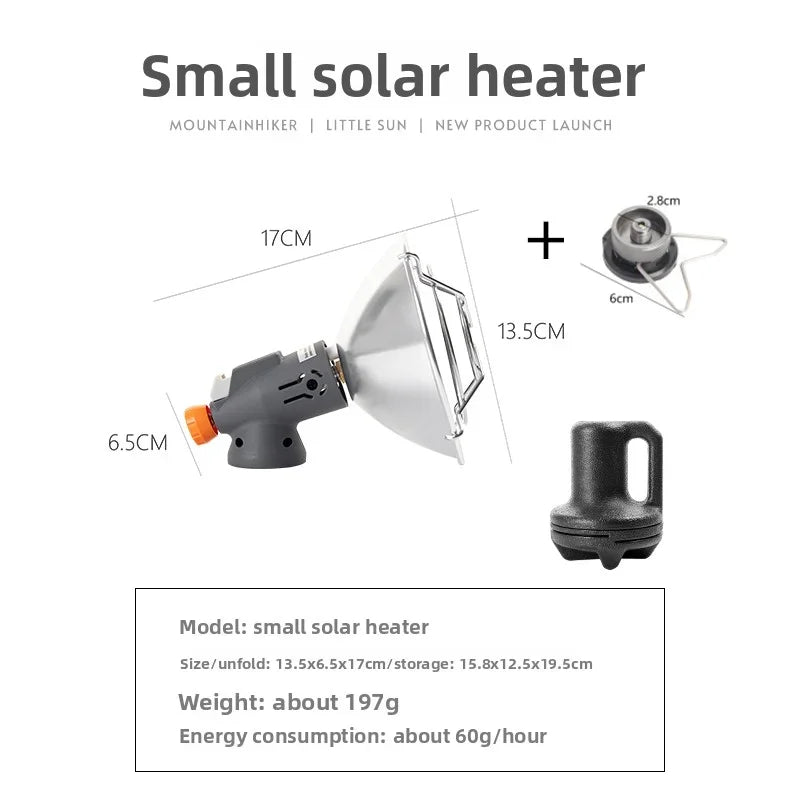
Camping stove heat attachment improves warmth at camp — See it in action
Can You Use a Camping Stove as a Heater? (Quick Answer First)
Yes—but only with important limitations. If you're asking, " can you use a camping stove as a heater ?" the answer is that it may provide temporary warmth outdoors or in a highly ventilated emergency setting. However, camping stoves are designed for cooking, not heating occupied spaces, and they produce carbon monoxide (CO), making enclosed use potentially life-threatening.
The short answer
Using camping stove as heater is safest in open outdoor environments where fresh air is constantly available. It should never be considered a substitute for a purpose-built portable heater, especially inside enclosed shelters.
If no safer heat source is available during an emergency, a camping stove may provide limited warmth for short, closely supervised periods in a well-ventilated location. Even then, ventilation must remain continuous, the flame must never be left unattended, and a portable carbon monoxide detector is strongly recommended.
When you should never do it
- Never: Use a camping stove in sealed rooms, tents, vehicles, or other enclosed spaces.
- Avoid: Sleeping while the stove is operating or leaving it burning unattended.
- Safer: Open campsites or semi-open shelters with continuous airflow and adequate clearance from combustible materials.
Why Using a Camping Stove as a Heater Can Be Dangerous
Carbon monoxide poisoning
The biggest camping stove heater safety concern is carbon monoxide. Propane and butane burn cleanly only under ideal conditions, but combustion still produces CO. Because the gas is colorless and odorless, dangerous concentrations can accumulate without warning in poorly ventilated areas, leading to headache, dizziness, nausea, confusion, loss of consciousness, or death.
Oxygen depletion
Every burning stove consumes oxygen while producing combustion gases. In confined spaces, oxygen levels gradually decrease as carbon monoxide and carbon dioxide increase, creating an increasingly hazardous environment even if the flame appears to burn normally.
Fire and burn hazards
An open flame creates additional risks beyond carbon monoxide exposure. Clothing, sleeping bags, tents, cookware, and other combustible items can ignite if placed too close to the burner or heat attachment. Accidental bumps or unstable ground can also tip the stove, increasing the risk of burns and fire.
Why tents and enclosed spaces are especially dangerous
If you're wondering is it safe to use camping stove indoors , the answer is generally no. Tents, vehicles, cabins, and enclosed awnings trap both heat and combustion gases. Because airflow is limited, carbon monoxide can build up rapidly even when doors or windows are slightly open, making these locations among the highest-risk places to operate a camping stove for warmth.
Camping Stove Heater Safety Rules You Must Follow
Ventilation requirements
Proper ventilation is non-negotiable. Fresh air must continuously enter the area while combustion gases are allowed to escape. Never rely on a tiny opening or assume fabric shelters provide sufficient airflow under calm conditions.
Carbon monoxide detector guidance
A battery-powered carbon monoxide detector provides an important additional layer of protection. While it does not make indoor stove use safe, it can alert you before CO concentrations become immediately dangerous during emergency situations where ventilation is being used.
Safe positioning
- Keep the stove on a stable, level, non-combustible surface.
- Maintain at least 1 meter (3 feet) of clearance from tents, clothing, sleeping bags, fuel canisters, and other flammable materials.
- Position the stove where it cannot be easily knocked over by people, pets, or wind.
Fuel and flame monitoring
Inspect hoses, fuel canisters, valves, and connections before every use. Watch the flame throughout operation. Sputtering, unusual flame color, or inconsistent burning may indicate fuel delivery or airflow problems that require immediate attention.
Never leave it unattended
Never leave a lit camping stove unattended, even for a short time. Turn off the fuel immediately when heating is no longer required, and allow the stove to cool completely before moving or storing it.
How to Use a Camping Stove as a Heater During an Emergency
Before lighting the stove
Before using a camping stove for emergency warmth, perform a thorough safety inspection. Confirm the fuel canister is compatible with the stove, check all connections for leaks, and make sure the burner is clean and operating correctly. Verify that fresh air can circulate freely through the area before igniting the stove.
- Inspect fuel connections, hoses, and valves for leaks or damage.
- Place the stove on a stable, level, non-combustible surface.
- Remove paper, fabric, fuel containers, and other flammable items from the surrounding area.
- Ensure adequate ventilation before lighting the burner.
Safe outdoor or semi-open setup
If emergency heating is necessary, use the stove only in an outdoor or well-ventilated semi-open location where combustion gases can disperse safely. A camping stove heat attachment should be securely mounted according to the manufacturer's instructions so it distributes radiant heat evenly without interfering with normal burner operation.
- Position the stove where it cannot be accidentally bumped or tipped over.
- Attach the camping stove heat attachment securely before ignition.
- Operate the stove at a steady flame rather than maximum output whenever practical.
- Maintain continuous airflow throughout use.
- Stay nearby and supervise the stove at all times.
When to stop immediately
Turn the stove off without delay if you notice any warning signs, including fuel odor, unstable flames, excessive soot, unusual noises, dizziness, headache, nausea, or signs of overheating. These symptoms may indicate unsafe combustion or carbon monoxide exposure and should never be ignored.
Safe shutdown
- Turn off the fuel supply completely before handling the stove.
- Allow all components, including the heat attachment, to cool naturally.
- Disconnect and store fuel canisters away from direct sunlight and heat sources.
- Inspect the equipment before packing it away for future use.
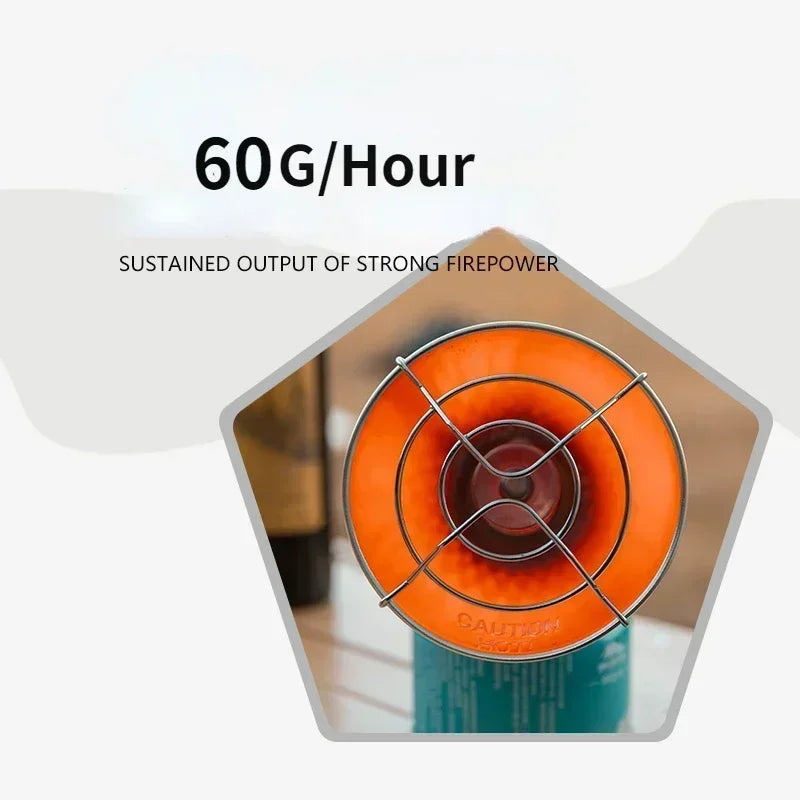
Outdoor stove mounted gas heater setup — Learn safe positioning
Explore the portable camping gas heater stove
Camping Stove Heat Attachments and Heat Diffusers Explained
A camping stove heat attachment is a metal accessory that fits above or around a stove burner to redirect heat outward instead of allowing most of it to rise vertically. By increasing radiant heat, it helps campers stay warmer around the campsite while continuing to use the stove's existing fuel source.
What a camping stove heat attachment does
The primary purpose of a camping stove heat attachment is to improve heat distribution rather than increase fuel output. It captures heat from the burner and radiates it more evenly, making it easier to warm the immediate area around the stove during outdoor use.
- Uses the stove's existing propane or butane fuel supply.
- Improves radiant warmth around the campsite.
- Compact and lightweight for backpacking or vehicle-supported camping.
- Designed for outdoor use where ventilation is readily available.
What a camping stove heat diffuser does
A camping stove heat diffuser works on a similar principle but focuses on spreading heat across a wider surface. Depending on the design, it may reduce concentrated hot spots and provide a more consistent flow of radiant warmth. While the terms are sometimes used interchangeably, both accessories are intended to improve heat distribution rather than transform a cooking stove into a certified space heater.
Do Camping Stove Heat Attachments Make It Safer?
What they cannot prevent
Although a camping stove heat attachment can make outdoor heating more comfortable by distributing warmth more evenly, it does not eliminate carbon monoxide production, oxygen consumption, or fire hazards. These accessories do not change how fuel burns and should never be viewed as a safety device.
Proper ventilation, careful supervision, safe stove placement, and responsible fuel management remain essential every time a camping stove is used for warmth. A heat attachment improves comfort—it does not make indoor or enclosed-space use safe.
Common Safety Mistakes to Avoid
Most camping stove accidents are preventable. Avoiding the following mistakes significantly improves camping stove heater safety and reduces the risk of carbon monoxide exposure, burns, and fire.
Blocking ventilation
Fresh air is essential whenever a fuel-burning appliance is operating. Closing tent vents, sealing vehicle windows, or blocking shelter openings to retain heat can quickly allow combustion gases to accumulate. Never sacrifice ventilation in an attempt to stay warmer.
Sleeping with the stove running
Never sleep while a camping stove is operating. Carbon monoxide can build up without noticeable warning, and an unattended flame increases the risk of fire if equipment shifts or combustible materials come into contact with the burner or heat attachment.
Using damaged equipment
Inspect your stove, fuel canisters, valves, hoses, and heat attachment before every trip. Replace damaged or worn components immediately. Cracked fittings, leaking seals, bent burner supports, or corroded connectors can lead to fuel leaks and unsafe combustion.
Ignoring carbon monoxide symptoms
Early symptoms of carbon monoxide exposure include headache, dizziness, weakness, nausea, confusion, and unusual fatigue. If anyone experiences these signs, extinguish the stove immediately, move everyone to fresh air, and seek medical assistance if symptoms persist or worsen.
Propane vs Butane Stove as Heater: Which Is Safer?
Propane camping stove as heater
Propane is generally the better choice for cold-weather camping because it continues to vaporize efficiently in freezing temperatures. This allows the stove to deliver more consistent heat output and reliable burner performance during winter conditions.
Although propane performs better in the cold, it still produces carbon monoxide and must only be used with proper ventilation and close supervision.
Butane stove heater attachment
Butane stoves are lightweight, compact, and popular for mild-weather camping. However, butane loses pressure as temperatures approach freezing, which can cause weak flames, reduced heat output, and unreliable performance when used for emergency warmth.
Cold weather performance differences
- Propane: Maintains dependable pressure and heat output in freezing conditions, making it the preferred fuel for winter camping.
- Butane: Performs well in moderate temperatures but becomes less efficient as temperatures drop, limiting its usefulness in cold environments.
Indoor vs Outdoor Use: Where Is a Camping Stove Safe?
Indoor use
Using a camping stove indoors is not recommended because enclosed spaces can quickly accumulate carbon monoxide and other combustion gases. Even with windows partially open, most homes, cabins, and garages do not provide the level of ventilation required for safe operation.
Tent use
Tents should never be heated with a standard camping stove. Fabric shelters trap combustion gases while increasing the risk of fire if the stove tips over or comes into contact with sleeping bags, clothing, or tent walls.
RV and camper use
Portable camping stoves should not replace installed heating systems in RVs or campers. If emergency use becomes unavoidable, follow the stove manufacturer's instructions, maximize ventilation, use a functioning carbon monoxide detector, and operate the stove only while fully awake and monitoring it.
Outdoor use
Outdoor environments remain the safest location for operating a camping stove with a heat attachment. Open air allows combustion gases to disperse naturally while reducing the risk of dangerous carbon monoxide accumulation. Even outdoors, maintain safe clearances from combustible materials and never leave the stove unattended.
Better Alternatives for Heating a Tent or Small Space
Catalytic heaters
Portable catalytic heaters generate radiant heat without an exposed flame and are designed specifically for camping or emergency use. Many models include built-in safety features, but they still require adequate ventilation and should always be operated according to the manufacturer's instructions.
Radiant propane heaters
Purpose-built radiant propane heaters provide more efficient warmth than using a cooking stove as a heater. Many certified models incorporate oxygen depletion sensors, tip-over protection, and automatic shutoff systems that improve safety when compared with a standard camping stove.
Electric heaters
If campground electricity or a reliable power source is available, an electric space heater is one of the safest ways to add warmth because it produces no combustion gases or carbon monoxide. Choose a model with overheat protection and automatic tip-over shutoff for additional peace of mind.
Passive insulation
Reducing heat loss is often more effective than generating additional heat. Combining quality insulation with appropriate camping gear can help maintain comfort throughout the night without relying heavily on active heating.
- Sleep on an insulated sleeping pad to reduce heat loss to the ground.
- Choose a sleeping bag rated for temperatures below the expected overnight low.
- Wear dry thermal base layers and insulating clothing before bed.
- Use reflective blankets or insulated liners to retain body heat.
- Pitch your tent in a sheltered location to reduce wind exposure.
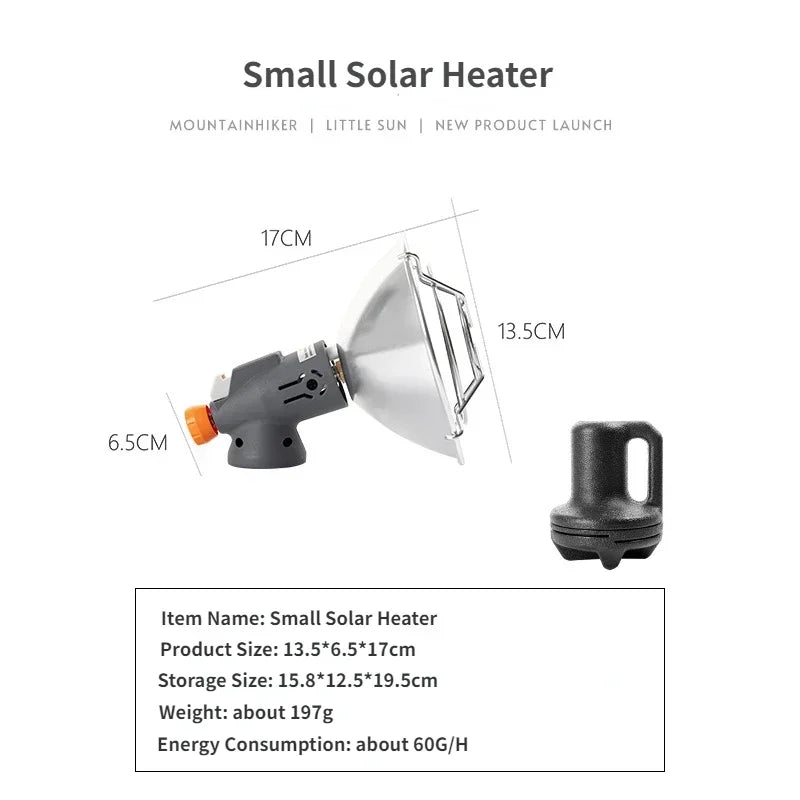
Portable heater safety outdoors — See responsible use
Get yours now — limited stock!
FAQ: Using a Camping Stove as a Heater Safely
Can you use a camping stove as a heater in a tent?
No. Standard camping stoves should not be used to heat tents because carbon monoxide can accumulate rapidly in enclosed spaces. The combination of limited ventilation and an open flame also increases the risk of fire.
Is it safe to use a camping stove indoors?
In normal circumstances, no. A camping stove is designed for outdoor cooking rather than indoor heating. Emergency use should only be considered when no safer alternative exists, with maximum ventilation, continuous supervision, and a working carbon monoxide detector.
Do camping stove heat attachments prevent carbon monoxide?
No. A camping stove heat attachment improves heat distribution but does not change the combustion process. Carbon monoxide is still produced whenever fuel burns, so proper ventilation remains essential.
Can a camping stove heat a room?
A camping stove can generate noticeable warmth in a small area, but it is not designed or certified to heat rooms safely. Using one inside an enclosed room creates significant carbon monoxide and fire hazards.
Can you sleep with a camping stove on?
No. Never sleep while a camping stove is operating. A burning stove should always be monitored by an alert adult so any equipment problem, fuel leak, or change in ventilation can be addressed immediately.
How long can you safely run a camping stove?
There is no universally safe operating time. Instead of relying on a specific duration, use the stove only for short, supervised periods, maintain adequate ventilation, and turn it off as soon as supplemental heat is no longer necessary.
Related Guide: How to Stay Warm Camping in Freezing Nights
Conclusion: Should You Use a Camping Stove as a Heater?
Using a camping stove as a heater can provide temporary warmth during outdoor camping, especially when paired with a camping stove heat attachment that improves radiant heat distribution. However, these accessories do not change the stove's intended purpose or eliminate the hazards associated with burning propane or butane.
If you're considering using camping stove as heater, reserve it for outdoor or well-ventilated emergency situations where the stove can be monitored continuously. Never rely on a cooking stove as a primary heating solution inside tents, vehicles, cabins, or other enclosed spaces because carbon monoxide buildup and fire risks remain significant.
For the safest cold-weather camping experience, prioritize purpose-built portable heaters, appropriate insulation, quality sleeping gear, and proper campsite setup before turning to a camping stove for supplemental warmth. Combining the right equipment with careful ventilation, safe fuel handling, and constant supervision will provide a far safer and more comfortable camping experience than attempting to heat enclosed spaces with a cooking stove.













