

Why does your camping stove tip over? (Quick diagnosis + fixes)
If your camping stove tips over, the problem is usually caused by unstable ground, an undersized stove base, oversized cookware, strong wind, or worn stove components. Identify the root cause before relighting the stove so you can apply the correct fix and reduce the risk of burns, fuel spills, or equipment damage.
Uneven ground
Soft dirt, grass, sand, snow, or rocky terrain can cause one or more stove legs to sink or lose contact with the ground. Even a slight tilt can shift the center of gravity enough for a loaded pot to tip.
Narrow or lightweight base
Many backpacking stoves are designed to save weight and pack small, so they naturally provide a smaller support footprint than larger tabletop camp stoves. The narrower the base, the easier it is for heavy cookware to affect stability.
Top-heavy cookware
Large pots, tall kettles, or unevenly distributed food raise the center of gravity. As the weight moves higher above the burner, the stove becomes easier to tip during stirring or when boiling water.
Wind and external movement
Strong gusts, uneven tent floors, accidental bumps, or pulling on a pot handle can all destabilize an otherwise properly positioned stove. Wind can also cause cookware to shift unexpectedly while cooking.
Loose or damaged stove parts
Loose pot supports, bent legs, worn hinges, damaged fuel connections, or uneven supports can create wobbling before cooking even begins. Inspect these parts before using the stove again.
Camping Stove Tips Over: How to Fix Stability Fast
A camping stove that tips over is more than an inconvenience—it can spill boiling food, waste fuel, and create a fire hazard. This guide explains why your camping stove tips over, how to stabilize it quickly at the campsite, and the best practices to prevent future stability problems without sacrificing cooking performance.
⏱ 6 min read
Discover smarter, more stable ways to cook outdoors without stress.
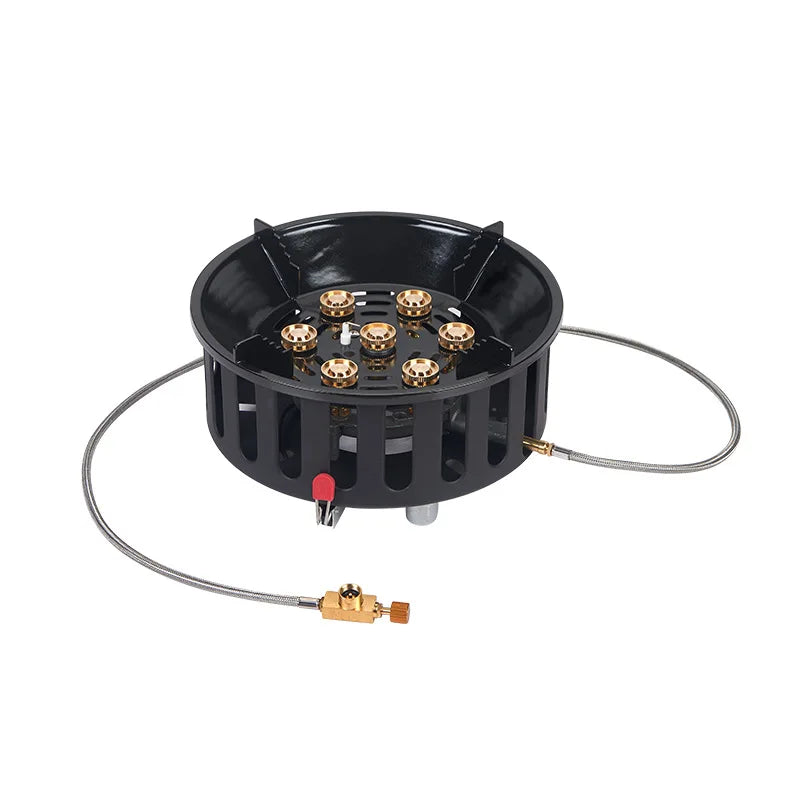
Camping stove tips over on uneven ground — see how to fix it fast
Quick Fix Checklist (Stabilize Your Stove in 60 Seconds)
5-step rapid stabilization method
- If the stove begins to wobble while lit, turn off the fuel immediately and allow the setup to stabilize before continuing.
- Move the stove to the flattest, firmest surface available and make sure every support point has solid contact with the ground.
- Center the cookware over the burner and reduce the load if the pot is unusually large or heavy.
- Use natural wind protection or a proper wind guard without restricting safe stove ventilation.
- Before relighting, gently test the setup from several directions to confirm it no longer rocks or shifts.
Quick tip: Taking one minute to check stability before cooking prevents most common camping stove stability problems and helps avoid spills during meal preparation.
Why a Camping Stove Tips Over So Easily
Physics of balance and center of gravity
A camping stove remains stable only while its combined center of gravity stays within the footprint of its base. Uneven ground, tall cookware, shifting food, or a heavy pot positioned off-center can move that balance point beyond the support area, making the stove much more likely to tip.
Cookware size and weight distribution
Oversized pots are one of the most common causes of camping stove stability problems. Wide or tall cookware places more leverage on the burner, while unevenly filled pots can shift unexpectedly as liquids boil or food is stirred. Whenever possible, use cookware that matches the stove's recommended pot size and keep the load centered over the burner.
Surface support and ground conditions
Even a well-designed stove can become unstable if one leg sinks into soft soil or rests on loose gravel. Firm, level ground provides better friction and support, helping prevent the stove from rocking during cooking. Small movements that seem harmless before ignition can become much more noticeable once a full pot is added.
Backpacking vs. car camping stove differences
Backpacking stoves are engineered for minimum weight and compact packing, often relying on smaller pot supports and canister-mounted designs. Tabletop and car camping stoves generally have wider bases and lower centers of gravity, allowing them to support larger cookware with greater stability. Choosing the right stove for your cooking style reduces the likelihood of repeat tipping issues.
Fast Fixes You Can Do at the Campsite
Fix for uneven ground
Move the stove onto the flattest nearby surface. If a perfectly level spot is unavailable, place a sturdy board, flat rock, or other stable platform beneath the stove to create consistent support before relighting.
Fix for wobbling legs or supports
Inspect each leg or pot support for proper contact with the ground. Tighten adjustable components if applicable, remove debris trapped beneath the stove, and stop using the stove if any structural part is bent, cracked, or loose.
Fix for wind-related instability
Position the stove behind natural windbreaks such as large rocks or logs, or use a suitable wind guard according to the manufacturer's recommendations. Avoid placing wind barriers so close that they create excessive heat around the fuel canister.
Fix for oversized cookware
If the cookware feels unstable, transfer part of the contents to another container or switch to a smaller pot. Lowering the total weight and reducing the height of the load improves balance and makes accidental tipping less likely.
Learn step-by-step how to set up a stable stove anywhere.
How to Stabilize a Camping Stove on Uneven Ground
Choose the safest cooking surface
When deciding how to stabilize a camping stove on uneven ground, start by selecting the firmest surface available. Packed dirt, solid rock, or a level wooden platform provides better support than loose sand, thick grass, mud, or snow. Avoid cooking on steep slopes where the stove can gradually shift as the ground settles.
Ground preparation techniques
- Clear away loose rocks, sticks, leaves, and other debris that could prevent full contact with the ground.
- Compact or level the cooking area using your boot or a small camp tool until the surface is as even as possible.
- Place a stable base, such as a flat stone or sturdy board, beneath the stove if the ground remains uneven.
- Before lighting the burner, gently test the stove from multiple directions to confirm it does not rock or wobble.
DIY stabilization methods
- Fill small gaps beneath the stove with compacted dirt or sand rather than stacking unstable materials.
- Use surrounding rocks only to support the cooking surface, not to hold the stove in place where they could shift.
- On uneven terrain, create a shallow, level area instead of balancing the stove on protruding stones or roots.
Surfaces to avoid
Deep sand, marshy ground, loose gravel, fresh snow, thick vegetation, and slick rocks can all reduce stability. If these surfaces cannot be avoided, create a firm platform before setting up the stove instead of relying on the stove legs alone.
Pro tip: Stable footing is often more important than finding perfectly flat ground. A firm, well-supported base helps prevent movement throughout the cooking process.
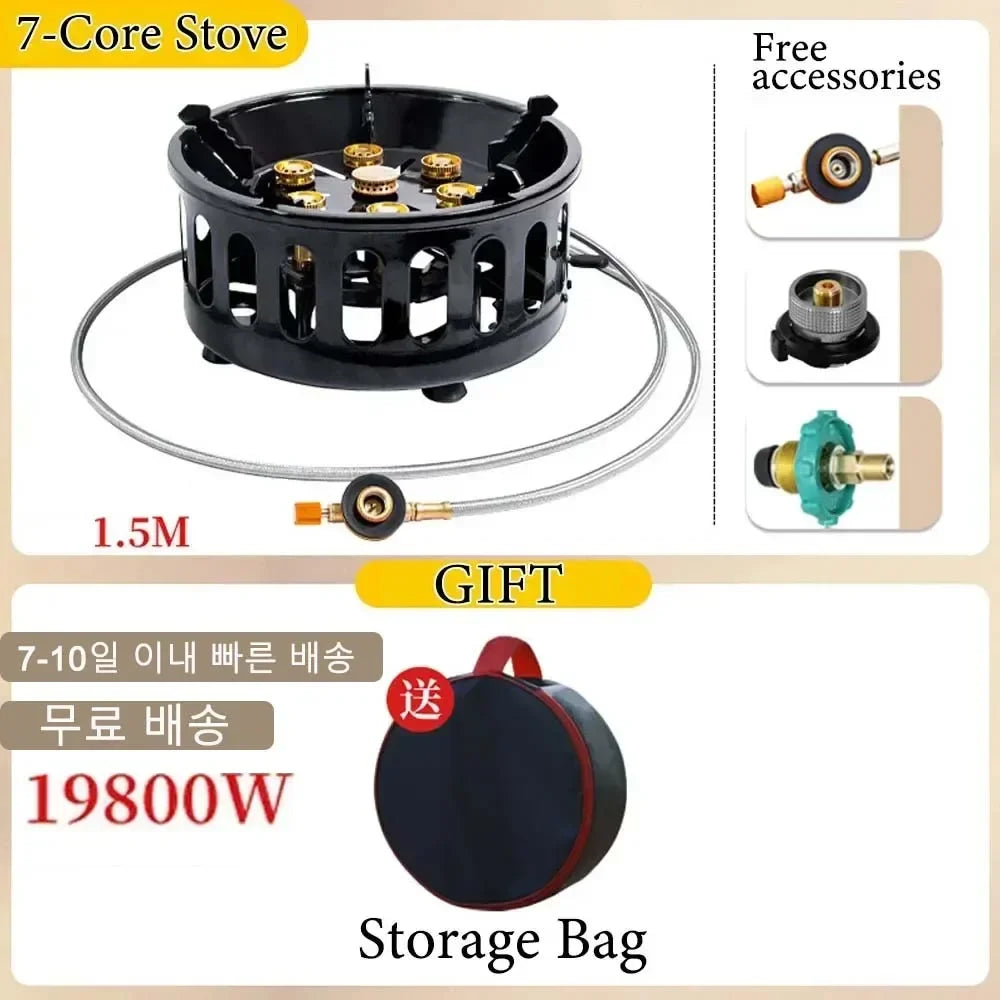
Uneven heat distribution on outdoor camping stoves — see the difference
Best Practices for a Stable Cooking Setup
Site selection
Choose a level location with compact ground and adequate clearance from tents, dry vegetation, and high-traffic areas. A stable campsite reduces both tipping risk and accidental contact while cooking.
Correct stove positioning
Place the stove so every support point rests firmly on the cooking surface. Keep the fuel canister or fuel line positioned according to the manufacturer's instructions, ensuring nothing pulls or twists the stove during use.
Cookware balance
Match pot size to the stove's recommended capacity whenever possible. Keep handles folded inward or turned away from walkways, and stir gently to avoid shifting the load unexpectedly.
Pre-cook stability check
Before igniting the burner, verify that the stove remains stable with cookware in place. A quick push from different directions should reveal any movement that needs correcting before cooking begins.
Recommended setup gear: Portable Camping Gas Stove 19800W
Common Camping Stove Stability Mistakes to Avoid
Using oversized pots
Large pots filled beyond the stove's recommended capacity place extra leverage on the burner and raise the center of gravity. Matching cookware size to your stove helps maintain balance and reduces the chance of spills.
Cooking on unstable surfaces
Loose gravel, soft sand, wet grass, snow, and uneven rocks can all shift during cooking. Taking a few moments to prepare a firm cooking surface is safer than trying to correct an unstable stove after it is lit.
Ignoring wind conditions
Strong wind can push against cookware, affect flame performance, and encourage accidental tipping. Whenever possible, cook in a naturally sheltered location or use an appropriate wind guard that allows safe ventilation.
Skipping stability checks
Many accidents happen because users assume the stove is stable without testing it. Before igniting the burner, confirm that the stove, cookware, and fuel system remain secure and do not wobble under normal cooking weight.
Camping Stove Safety Tips (Prevent Accidents)
Burn and spill prevention
Keep children, pets, and flammable materials away from the cooking area. Turn pot handles inward when practical, avoid reaching across an open flame, and never leave a lit stove unattended.
Safe fuel handling
Inspect fuel canisters, hoses, and connections for damage before every trip. Secure all connections according to the manufacturer's instructions and place fuel containers on stable ground away from direct heat.
Emergency actions if the stove tips over
If your camping stove tips over, turn off the fuel supply immediately if it is safe to do so. Allow the stove and cookware to cool, clean up any spilled fuel, and inspect the burner, supports, and fuel connections before attempting to use the stove again.
When not to reuse the stove
Do not continue using the stove if you notice bent supports, damaged fuel fittings, cracked burners, fuel leaks, or any component that no longer locks securely into place. Replacing damaged equipment is safer than attempting temporary field repairs on critical parts.
When to Upgrade Your Stove or Use Stabilizing Accessories
Wider-base stoves
If your current stove regularly feels unstable with the cookware you use, upgrading to a model with a wider footprint or integrated pot supports can improve balance without significantly affecting cooking performance. Backpackers may prefer lightweight models, while campers preparing larger meals often benefit from tabletop or broader-base designs.
Stove stands and stabilizers
Many canister stoves are compatible with stabilizing bases that widen the support area beneath the fuel canister. These accessories can improve stability on firm ground, but they should always be used according to the stove manufacturer's recommendations.
Pot supports
Larger or adjustable pot supports help distribute cookware weight more evenly and reduce movement while stirring or boiling. Before purchasing accessories, verify that they are compatible with your stove model and intended cookware size.
When replacement is the safer option
Replace your stove if it has damaged supports, cracked burners, worn locking mechanisms, or recurring stability issues that cannot be corrected through proper setup. A reliable stove is a better long-term investment than repeatedly using equipment that no longer performs safely.
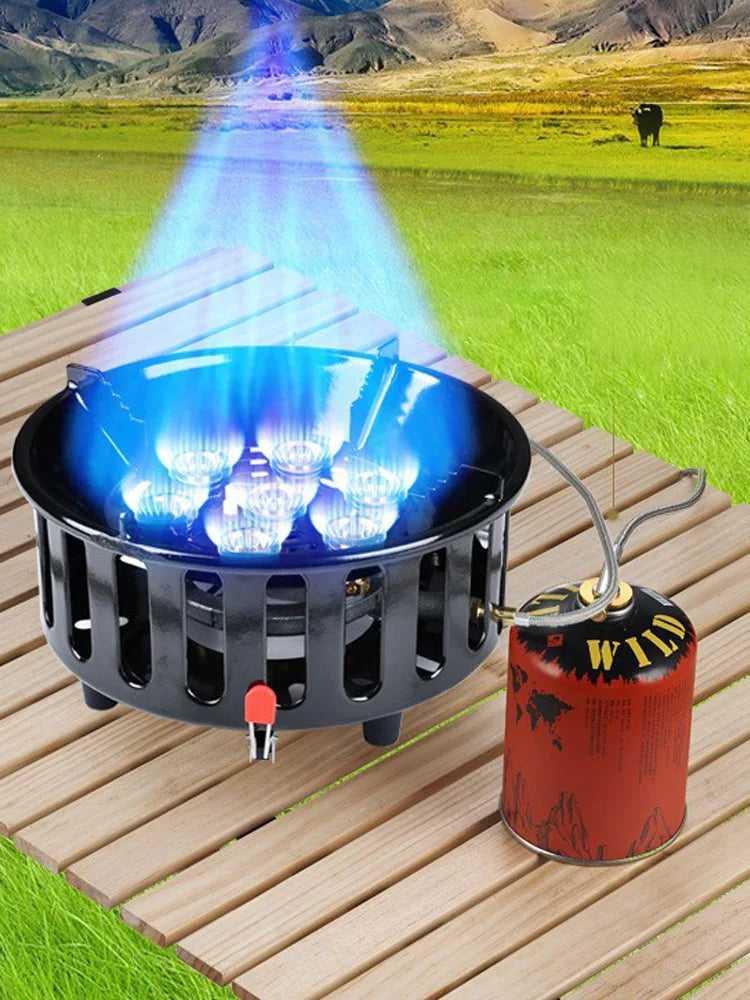
Stable burner camping stove setup — cook with confidence
Quick FAQs About Camping Stove Stability
Why does my camping stove tip over even on flat ground?
Even on level ground, a camping stove can tip if the cookware is too large, the weight is off-center, the pot supports are loose, or the stove has a narrow base that cannot adequately support the load.
How do I stabilize a camping stove on sand or grass?
Create a firm cooking platform using a flat board or solid rock so the stove cannot sink into the surface. Always check that the stove remains stable before lighting the burner.
Can a larger pot make a camping stove unstable?
Yes. Larger pots increase leverage and raise the center of gravity, making the stove more susceptible to tipping, especially on compact backpacking stoves.
Are canister stoves less stable than tabletop stoves?
Many canister-mounted backpacking stoves have a smaller footprint than tabletop camp stoves, so they generally require more attention to cookware size, balance, and ground conditions.
Is it safe to use a stove after it has tipped over?
Only after inspecting it carefully. Check for damaged burners, bent supports, loose fuel connections, and fuel leaks before relighting. If any safety-related component is damaged, discontinue use until the stove is repaired or replaced.
Do stove stabilizer accessories really work?
Quality stabilizers can improve support on compatible stoves by widening the base and reducing movement. They work best when combined with proper site selection and correctly sized cookware rather than replacing safe setup practices.
Related Guide: Safe Outdoor Gas Stove Use Step by Step for Worry-Free Cooking













