

Do Carbon Fiber Arch Support Insoles Really Work?
Carbon fiber arch support insoles work by stabilizing the foot with a rigid structure that redistributes pressure, limits excessive motion, and supports a more efficient walking pattern. Unlike soft foam inserts that gradually compress, carbon fiber maintains its shape under repeated loading, helping reduce foot fatigue, improve alignment, and relieve symptoms caused by inadequate arch support—particularly in shoes with minimal built-in support.
⏱ 8 min read
Carbon Fiber Arch Support Insoles Tested Against Top Brands
Carbon fiber arch support insoles are becoming a popular solution for people who need more than cushioning alone. Their rigid yet lightweight construction supports the foot's natural biomechanics, helping reduce stress on the arches, ankles, knees, and lower back during long workdays, exercise, or everyday walking.
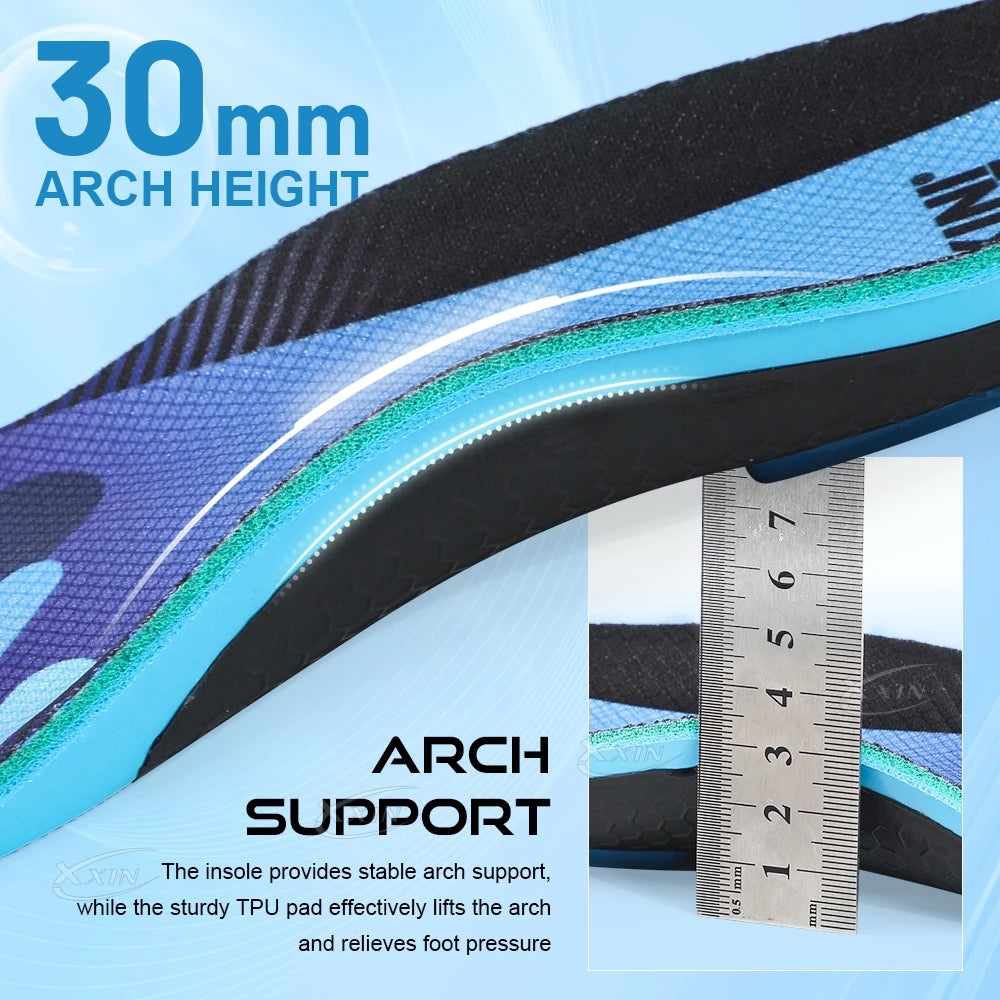
Carbon fiber arch support insoles for reducing lack of arch support symptoms — See it in action
What Problems Do These Insoles Solve?
Carbon fiber arch support insoles primarily address instability rather than simply adding cushioning. By limiting excessive arch collapse and improving weight distribution, they can reduce repetitive stress that contributes to discomfort during daily activities.
- Arch pain after prolonged standing or walking
- Foot fatigue during work shifts
- Overpronation and collapsing arches
- Pressure under the forefoot or heel
- Knee, hip, and lower back discomfort linked to poor foot alignment
- Minimal support in casual shoes or work footwear
How Carbon Fiber Insoles Work for Arch Support and Pain Relief
Carbon Fiber Arch Support Technology
Unlike foam-based inserts that mainly absorb impact, carbon fiber arch support insoles rely on a rigid composite plate that helps maintain the foot's position throughout the gait cycle. The material resists bending while remaining extremely lightweight, providing consistent support throughout the day.
Why Stiff Arch Support Improves Stability
Appropriate stiffness reduces excessive motion within the foot. For people with overpronation or unstable arches, limiting unnecessary movement may decrease strain on the plantar fascia, Achilles tendon, and surrounding joints.
- Supports the medial arch
- Reduces excessive pronation
- Maintains consistent shape under load
- Helps improve walking efficiency
How They Reduce Foot Fatigue
When the arch receives better structural support, muscles and connective tissues spend less energy compensating for instability. Many users notice reduced fatigue after extended periods of standing, walking, or repetitive movement, especially when combined with supportive footwear.
Top 5 Best Carbon Fiber Arch Support Insoles (2026 Review)
We evaluated the best carbon fiber insoles review candidates based on structural support, durability, comfort, versatility, and overall value. Rather than focusing only on cushioning, we prioritized models that maintain their performance over months of daily use.
Quick Comparison Table (Support, Stiffness, Best Use)
| Product | Support | Stiffness | Best Use | Rating |
|---|---|---|---|---|
| Model A | Excellent | High | Running & Everyday Wear | 9.5/10 |
| Model B | Excellent | Medium-High | Flat Feet | 9.2/10 |
| Model C | Very Good | Medium | Work Shoes | 9.0/10 |
| Model D | Good | Medium | Budget Buyers | 8.8/10 |
| Model E | Excellent | High | Work Boots | 9.3/10 |
How We Evaluated the Insoles
Each model was assessed using consistent criteria including support level, rigidity, comfort after break-in, compatibility with different shoe types, durability, and value for money. We also considered how well each design addressed common needs such as flat feet, sports performance, and all-day standing.
Product #1 – Best Overall
Offers an excellent balance between rigid arch support, comfort, and versatility for daily wear, commuting, and recreational exercise.
Product #2 – Best for Flat Feet
Designed with stronger structural support to help reduce excessive pronation while maintaining good long-term stability.
Product #3 – Best for Sports
Prioritizes energy transfer and consistent support during running, court sports, and high-impact activities.
Product #4 – Best Budget
An affordable introduction to carbon fiber orthotic insoles that still delivers noticeable improvements over standard foam inserts.
Product #5 – Best for Work Boots
Provides durable support for workers spending long hours on concrete floors while fitting most work boots with removable insoles.
Carbon Fiber Insoles Benefits by Foot Condition
Plantar Fasciitis
Rigid support helps reduce excessive stretching of the plantar fascia, especially during prolonged standing and walking. While not a cure, many users experience reduced morning discomfort when combined with appropriate footwear and stretching.
Flat Feet
People with flexible flat feet often benefit from better arch stability and reduced inward foot collapse, helping improve overall alignment.
Turf Toe & Metatarsal Injuries
Because carbon fiber limits forefoot bending, it may reduce stress across the big toe joint and forefoot during walking or athletic activities. Individuals recovering from injuries should follow guidance from a healthcare professional.
Standing All Day
Workers in healthcare, retail, hospitality, manufacturing, and warehouse environments often appreciate the reduced fatigue that comes from improved pressure distribution and structural support.
Carbon Fiber vs Foam, Gel, TPU and Orthotic Insoles
Carbon fiber emphasizes support and motion control, while foam and gel prioritize softness. TPU strikes a balance between flexibility and stability, whereas medical orthotics are designed for individualized correction.
| Type | Support | Durability | Best For |
|---|---|---|---|
| Carbon Fiber | Very High | Very High | Alignment & Stability |
| Foam | Low | Low | Soft Comfort |
| Gel | Medium | Medium | Shock Absorption |
| TPU | Medium-High | High | Balanced Support |
| Custom Orthotic | Very High | High | Medical Foot Conditions |
Durability Comparison
Carbon fiber typically outlasts foam and gel because it resists compression and maintains structural integrity over repeated use.
Who Should Choose Each Material
Choose carbon fiber for maximum stability, foam for comfort-focused casual wear, gel for shock absorption, TPU for a balanced feel, and custom orthotics when prescribed for specific medical conditions.
Who Should and Should Not Use Carbon Fiber Arch Support Insoles?
Best for Flat Feet
Excellent for people needing rigid arch support inserts to control excessive pronation and improve walking mechanics.
Best for Athletes
Suitable for runners, hikers, court sport athletes, and active individuals seeking consistent support during repetitive movement.
Best for Work Boots
Ideal for professionals who spend long hours standing on hard surfaces and require durable support throughout extended shifts.
Who Should Avoid Rigid Insoles
Individuals who prefer a highly cushioned feel, have certain foot deformities, or are recovering from acute injuries should consult a healthcare professional before switching to rigid support. Some people benefit more from semi-rigid or custom orthotic solutions.
How to Choose the Right Carbon Fiber Arch Support Insoles
Arch Height
Select an insole that matches your natural arch rather than choosing the highest available support.
Support Rigidity
Higher stiffness generally provides better stability, while moderate rigidity may offer a more comfortable transition for first-time users.
Shoe Compatibility
Carbon fiber insoles work best in shoes with removable factory insoles and adequate interior depth.
Sizing and Trimming
Some models can be trimmed at the forefoot, while others should never be cut because doing so may damage the carbon fiber structure. Always follow the manufacturer's sizing instructions.
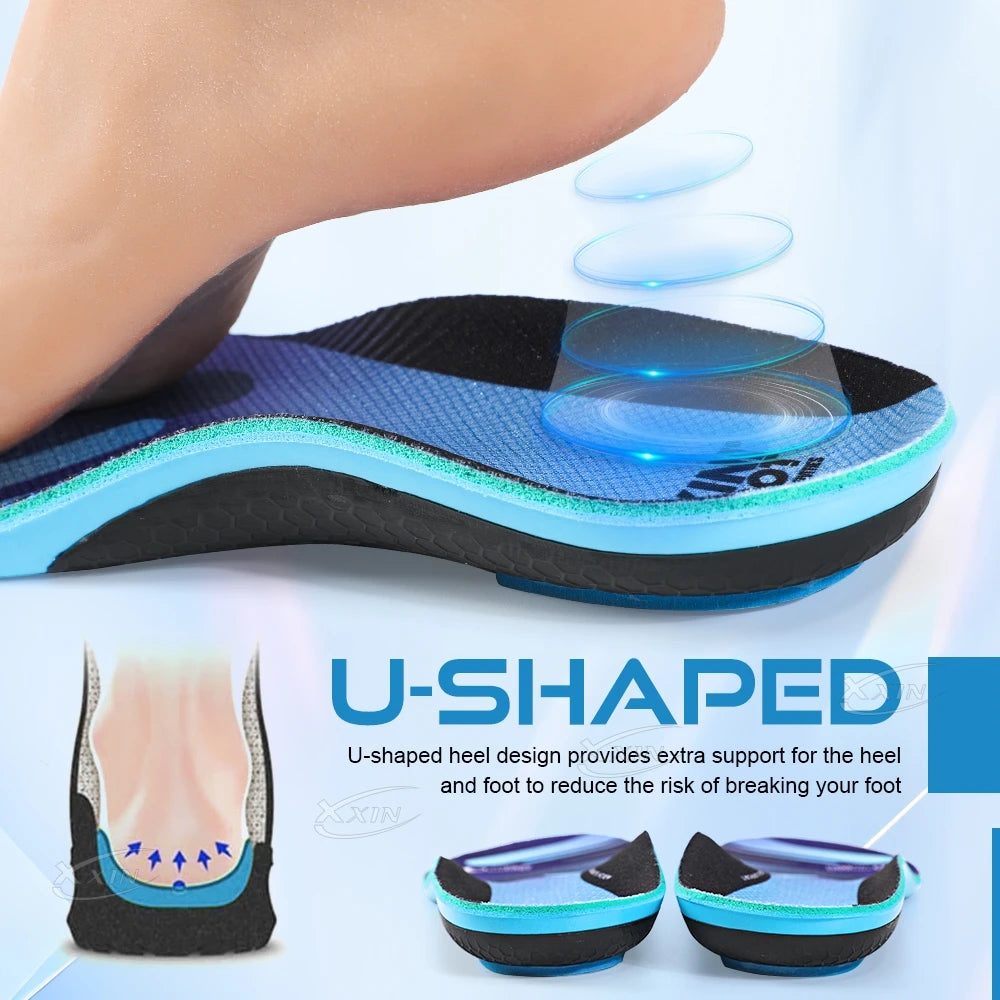
Lightweight stiffness with flexibility reduces joint impact — See it in action
Real-World Use Cases: Which Carbon Fiber Insole Fits Your Lifestyle?
Running
Choose lightweight models that provide efficient energy transfer without significantly increasing shoe weight.
Hiking
Look for durable designs that remain supportive over uneven terrain while fitting hiking boots comfortably.
Work Boots
Workers typically benefit from high-rigidity models that reduce fatigue during long hours on concrete or industrial flooring.
Post-Injury Recovery
Some clinicians recommend carbon fiber plates to limit forefoot motion during recovery from specific injuries, although treatment plans should always follow professional medical advice.
How to Use and Maintain Carbon Fiber Insoles
Break-In Period
- Wear for 1–2 hours on the first day.
- Gradually increase daily use over one to two weeks.
- Replace the original removable insole if recommended.
- Evaluate comfort and adjust footwear if necessary.
Cleaning
Wipe the surface using a damp cloth with mild soap. Avoid soaking the insoles or exposing them to excessive heat.
When to Replace
Replace the top cover if worn or the entire insole if structural damage, cracks, or noticeable loss of support develops. High-quality carbon fiber models often last considerably longer than conventional foam inserts.
Pros
- Exceptional structural support
- Excellent durability
- Improves walking stability
- May reduce foot and lower limb fatigue
- Maintains support over extended use
Cons
- Less cushioning than foam or gel
- Requires a short adjustment period
- Premium models cost more initially
- Not ideal for everyone with sensitive feet
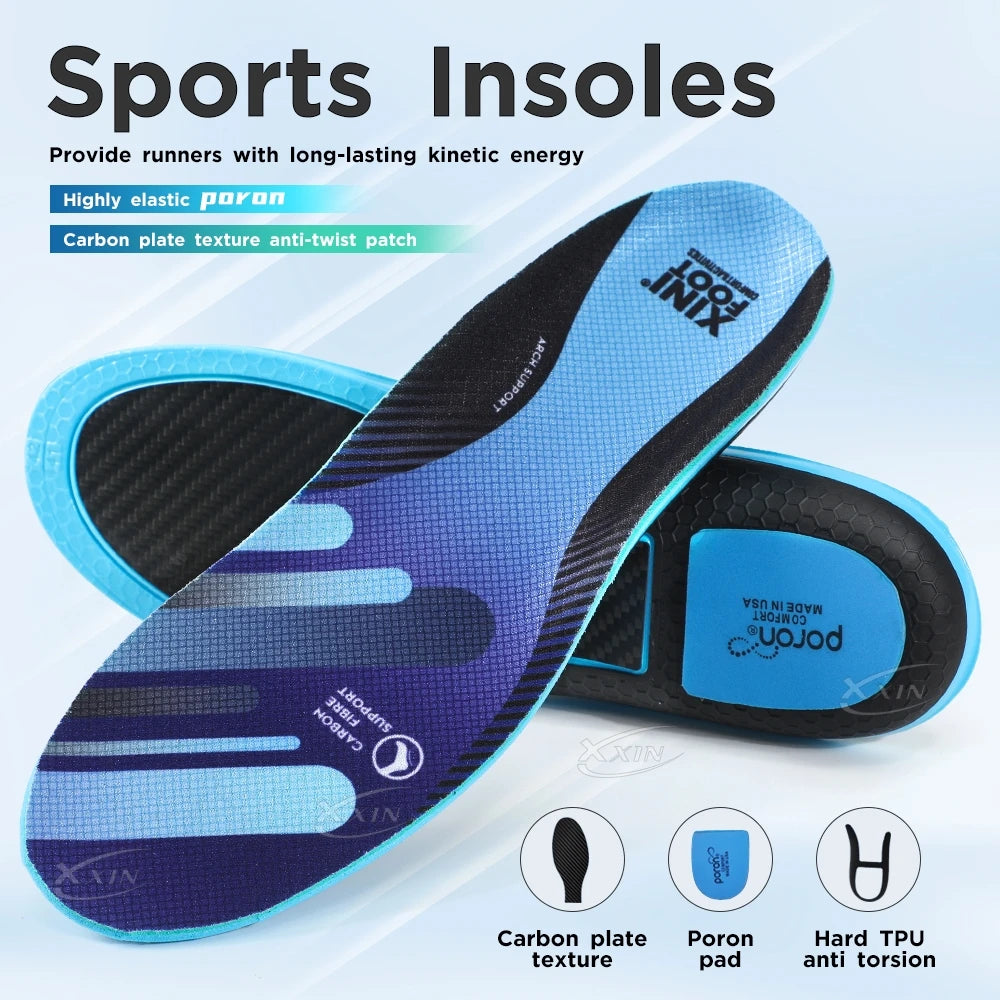
Premium carbon fiber arch support insoles for daily wear — See it in action
Are Carbon Fiber Arch Support Insoles Worth Buying?
For people seeking genuine structural support rather than extra cushioning, carbon fiber arch support insoles are among the strongest long-term options available. They are particularly well suited for flat feet, long work shifts, sports, and activities that demand consistent stability. However, those who prioritize soft cushioning or have complex medical foot conditions may be better served by cushioned or custom orthotic solutions.
Frequently Asked Questions
Do carbon fiber insoles help foot pain?
They can help reduce foot pain associated with poor support by improving stability and distributing pressure more evenly.
Are carbon fiber insoles good for flat feet?
Yes. Many people with flexible flat feet benefit from the added rigidity and improved arch support.
Can carbon fiber insoles fit work boots?
Yes, provided the boots have enough internal depth and preferably removable factory insoles.
Should carbon fiber insoles be trimmed?
Only if the manufacturer specifically states that trimming is safe. Some full carbon plates should never be cut.
How long do carbon fiber insoles last?
Most quality models last considerably longer than foam inserts and commonly provide reliable performance for 8–12 months or more, depending on usage.
Are rigid arch support inserts comfortable?
They typically feel firmer than traditional insoles. After a gradual break-in period, many users find the improved stability more comfortable than soft cushioning alone.
Related Guide: Performance Shoe Inserts for Sports Honest Athlete Review













