

Ski Helmet Safety Ratings Explained: CE, EN1077 & How to Choose Safely
Does a CE certified ski helmet really protect you?
Yes. A ce certified ski helmet is tested against recognized ski helmet safety certification requirements to reduce the risk of head injuries during common skiing and snowboarding impacts. However, certification alone isn't enough—a properly fitted helmet with quality EPS foam, a secure retention system, and optional rotational-impact technology provides the best real-world protection.
⏱ 7 min read
A ce certified ski helmet isn't just a logo on the shell. The CE mark shows the helmet complies with the European EN1077 standard for snow sports helmets. While no helmet can prevent every concussion or serious injury, choosing one with verified testing, proper fit, and modern impact-management materials greatly improves your protection on the mountain.
Which certification should you trust? Understanding what CE, EN1077, ASTM F2040, and newer safety technologies actually mean makes it easier to choose a helmet that matches both your skiing style and your risk level.
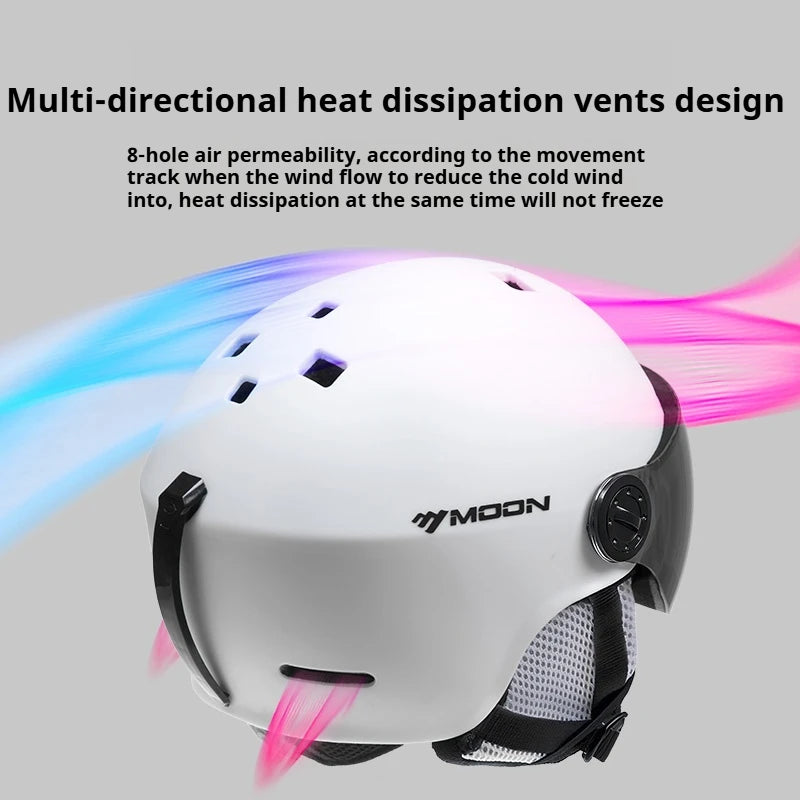
CE certified ski helmet overview — understand protection before you ride See it in action
What CE Certification Means on Ski Helmets
Understanding CE ski helmet certification helps you separate verified safety from marketing claims. The CE mark indicates the helmet complies with the EN1077 helmet standard , one of the most widely recognized safety standards for alpine skiing and snowboarding.
EN 1077 ski helmet standard explained
The EN1077 standard evaluates multiple aspects of helmet performance, including:
- Impact energy absorption
- Shell penetration resistance
- Retention strap strength
- Field of vision requirements
- Performance in cold-weather conditions
This means the helmet has passed repeatable laboratory testing designed specifically for snow sports rather than cycling or industrial environments.
CE Helmet Classes: Class A vs Class B
- Class A: Greater coverage around the ears and sides of the head, offering higher levels of protection for aggressive alpine skiing, higher speeds, and challenging terrain.
- Class B: Lighter with improved ventilation and hearing, making it popular for recreational skiers who prioritize comfort while still meeting EN1077 safety requirements.
Neither class is universally "better." The right choice depends on your skiing style, terrain, and preference for protection versus ventilation.
How to verify ski helmet certification labels
Before buying, inspect the inside of the helmet for certification markings. A genuine certified helmet typically includes:
- CE marking
- Reference to EN1077 Class A or Class B
- Manufacturer identification
- Size and production information
- User instructions and replacement guidance
If a helmet lacks clear certification labels or manufacturer information, consider choosing a model with verified safety documentation.
Ski Helmet Safety Standards Compared: CE, ASTM & EN
Different regions rely on different ski helmet safety standards , but they all aim to improve protection during typical snow sport impacts.
EN1077 Explained
EN1077 is the primary European standard and evaluates impact absorption, penetration resistance, retention systems, and cold-weather durability.
ASTM F2040 Overview
ASTM F2040 is the leading North American snow sports standard. It includes impact and retention testing comparable to EN1077 and is commonly used throughout the United States and Canada.
UKCA and regional requirements
In the United Kingdom, products may also carry UKCA marking depending on market requirements. Many premium helmets are designed to satisfy multiple certification systems, allowing them to be sold internationally.
Certification comparison table
| Standard | Main Region | Designed For | Key Focus |
|---|---|---|---|
| EN1077 (CE) | Europe | Skiing & Snowboarding | Cold-weather impact protection |
| ASTM F2040 | North America | Skiing & Snowboarding | Impact and retention performance |
| UKCA | United Kingdom | Market compliance | Regional regulatory requirements |
Many premium helmets meet both EN1077 and ASTM F2040 standards, giving buyers confidence when traveling internationally.
How EPS Foam and MIPS Technology Protect Your Brain
Certification verifies minimum performance, but the materials inside the helmet determine how impact energy is managed during a crash.
Why EPS Foam Performance Matters
- Absorbs high-energy impacts
- Distributes impact forces across a larger area
- Maintains performance in freezing temperatures
- Works together with the outer shell to reduce penetration risk
Remember that EPS foam is designed for significant impacts. Once compressed, it may no longer provide the same level of protection.
MIPS and rotational impact protection
MIPS allows a low-friction layer inside the helmet to move slightly during angled impacts, helping reduce rotational forces that may contribute to certain brain injuries. While MIPS is not required for CE certification, many premium helmets include it as an additional safety feature.
Other modern safety technologies
Some manufacturers also incorporate technologies such as Koroyd, WaveCel-inspired energy management systems, or proprietary rotational liners. Although these designs vary, they all aim to improve impact energy management beyond basic certification requirements.
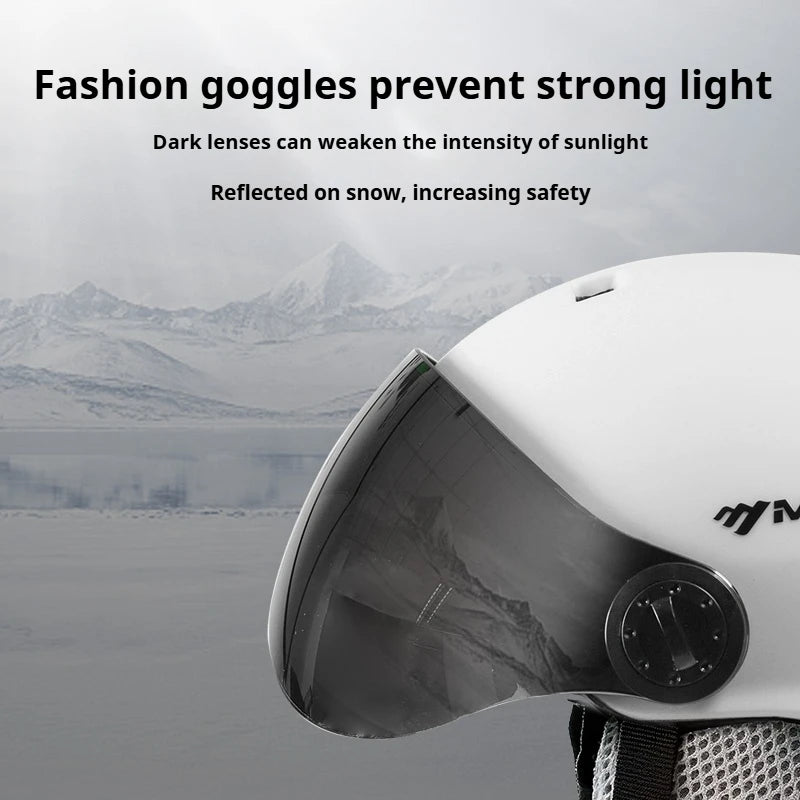
Inside a ce certified ski helmet — EPS foam and MIPS in action See it in action
Ski Helmet Fit: The Silent Factor in Injuries
Even the highest-rated helmet performs poorly if it shifts during a crash. Proper sizing remains one of the most important safety decisions you'll make.
How to measure your head
Use a flexible measuring tape around the widest part of your head, roughly one inch above your eyebrows. Compare the measurement with the manufacturer's sizing chart instead of relying on your hat size.
Common fit mistakes
- Choosing the wrong size
- Wearing the helmet too high above the forehead
- Loose adjustment dial
- Improper chin strap tension
- Poor compatibility with ski goggles
Adjusting your helmet correctly
A properly fitted helmet should sit low on your forehead, remain secure when you shake your head, and feel evenly snug without painful pressure points. Check that your goggles fit cleanly against the helmet without creating a large gap.
Best CE Certified Ski Helmets Compared
Quick comparison table
| Helmet | Best For | Highlights |
|---|---|---|
| Ski Helmet with Goggles | Best overall value | Integrated goggles, CE certified, comfortable fit |
| Smith Vantage MIPS | Performance | Premium ventilation, MIPS, lightweight |
| Giro Neo MIPS | Best value | Comfortable fit, adjustable ventilation |
| POC Obex MIPS | Backcountry | Excellent ventilation and lightweight design |
| Smith Glide Jr. | Kids | Easy fit adjustment and youth-focused sizing |
Best overall
The ski helmet with goggles offers an excellent balance of certified protection, integrated eye protection, and convenience for recreational riders.
Best value
Models like the Giro Neo MIPS provide strong safety features without reaching premium price levels.
Best for kids
Children benefit most from lightweight helmets with easy adjustment systems that encourage consistent use.
Best for backcountry
Backcountry skiers often prioritize lightweight construction, ventilation, and compatibility with additional winter gear.
Choosing the Right Helmet: Safety Ratings in Action
Choosing by skiing style
- Beginners: prioritize comfort and consistent fit.
- Resort skiers: balance ventilation with protection.
- Aggressive riders: consider Class A coverage and MIPS.
- Backcountry enthusiasts: focus on weight and ventilation.
Weight vs protection
Ultra-light helmets improve comfort but should never come at the expense of recognized certification or proper fit.
Ventilation and comfort
Adjustable vents help regulate temperature during changing weather while maintaining comfort throughout long days on the slopes.
When MIPS is worth paying for
If you ski frequently, ride faster terrain, or simply want an additional layer of rotational-impact protection, investing in MIPS can provide worthwhile peace of mind.
Who Benefits Most from a CE Certified Ski Helmet?
Beginners
New skiers benefit from certified protection because early learning often involves more falls.
Freestyle riders
Terrain parks and jumps increase impact exposure, making high-quality certified helmets especially important.
Racers
Competitive skiers should select helmets appropriate for their discipline and applicable competition requirements.
Children and families
Parents should prioritize certified helmets with accurate sizing and comfortable adjustment systems that children are willing to wear consistently.
Pairing a certified helmet with goggles—like those included in a ski helmet with goggles —also improves comfort and visibility throughout changing weather conditions.
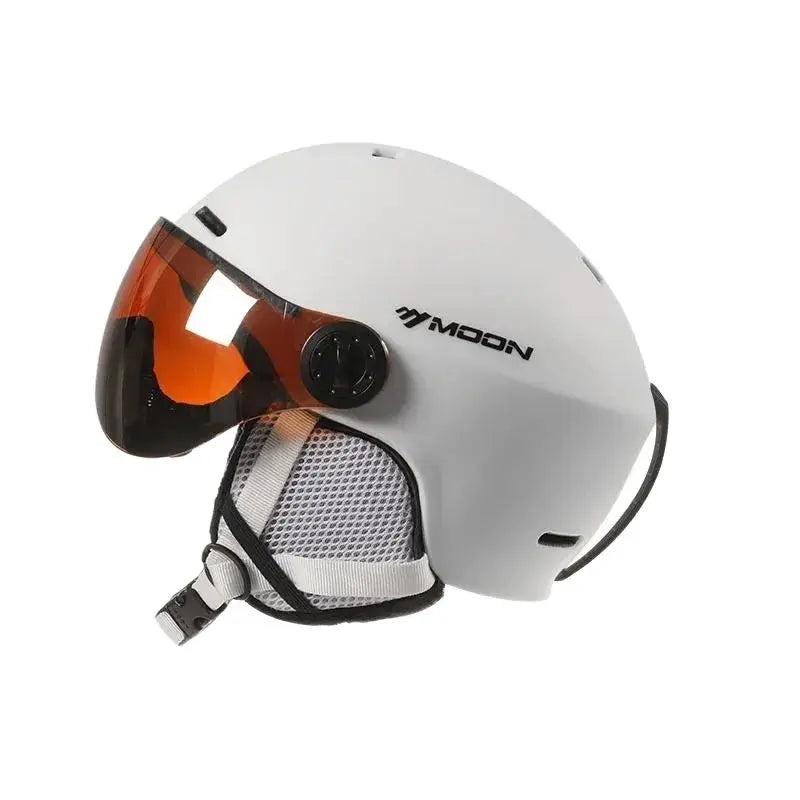
Complete snow sports head protection setup See it in action
For more everyday gear that supports active lifestyles and recovery, explore the Lifestyle collection, where protection and comfort go hand in hand.
When Should You Replace a Certified Ski Helmet?
After an impact
Replace your helmet after any significant crash, even if the shell appears undamaged. Internal EPS foam may have compressed and no longer absorb impacts effectively.
Age and material degradation
Most manufacturers recommend replacing helmets after approximately 3–5 years of regular use, depending on storage conditions, UV exposure, and overall wear.
Inspection checklist
- Visible cracks or dents
- Loose retention system
- Damaged straps or buckle
- Compressed interior foam
- Missing certification labels
Mini FAQ: Quick Answers Skiers Want
Is a CE certified ski helmet enough?
Yes, for most recreational skiers. Proper fit, good condition, and correct sizing remain just as important as certification.
What is the difference between EN1077 Class A and B?
Class A provides greater coverage and higher protection, while Class B emphasizes reduced weight and increased ventilation.
How long does a ski helmet last?
Most helmets last around 3–5 years with normal use but should be replaced immediately after a significant impact.
Can I use a bike helmet for skiing?
No. Bike helmets are designed for different impact conditions and are not certified for cold-weather snow sports.
How do I verify a helmet's certification label?
Look inside the helmet for the CE mark, EN1077 classification, manufacturer information, and sizing label.
Is MIPS required for CE certification?
No. MIPS is an optional technology that complements CE certification but does not replace it.
Related Guide: Best Integrated Goggle Ski Helmet Compared for Clarity and Comfort













