

Choosing the Best Ski Helmet with Built-in Goggles: Beginner-Friendly Guide
Choosing a ski helmet with built-in goggles is one of the easiest ways for new skiers and snowboarders to simplify their gear setup. Instead of matching separate helmets and goggles, an integrated system combines certified head protection with a built-in visor, helping reduce fogging, improve comfort, and create a better seal against cold wind and snow. If you're buying your first winter sports helmet, understanding how these all-in-one designs work can help you make a confident purchase.
Many first-time riders struggle with slipping goggles, pressure points around the face, cold drafts, or constantly removing gloves to readjust straps. Modern integrated ski helmet goggles are designed to minimize these frustrations, allowing you to spend more time focusing on technique and enjoying the mountain instead of managing your equipment.
⏱ 7 min read
What Is a Ski Helmet with Built-in Goggles and Is It Worth Buying?
A ski helmet with built-in goggles—also called an integrated visor helmet or ski helmet with integrated goggles —combines a protective helmet and eye shield into a single system. Instead of securing separate goggles with an elastic strap, the visor attaches directly to the helmet, creating a consistent fit while reducing gaps that allow cold air and snow inside.
For beginners, this design offers several practical advantages. The visor is easier to position, stays aligned during movement, and often includes anti-fog technology and ventilation channels that help maintain clear vision throughout changing weather conditions.
How integrated visor helmets work
Unlike traditional helmet-and-goggle combinations, integrated visor helmets are engineered so the visor and helmet function together. The visor pivots smoothly into place, seals comfortably around the face, and is designed to work with the helmet's ventilation system to improve airflow while helping reduce lens fogging.
Who benefits most from an all-in-one design
Integrated ski helmet goggles are especially popular with:
- Beginners learning skiing or snowboarding
- Recreational riders seeking convenience and comfort
- Families shopping for children who need simple equipment
- Skiers who wear prescription glasses, depending on helmet compatibility
- Anyone wanting quicker transitions between lifts, lessons, and runs
Key advantages and trade-offs
Before buying, it's helpful to understand both the strengths and limitations of an integrated visor helmet.
- ✔ Faster to put on than separate helmet and goggles
- ✔ Stable visor alignment with less shifting during movement
- ✔ Better protection from wind, snow, and cold air
- ✔ Reduced chance of losing or forgetting separate goggles
- ✔ Cleaner, streamlined appearance
- ✔ Many models offer interchangeable visors for different weather conditions
- ✔ Some premium models accommodate prescription glasses more comfortably than traditional goggles
- ✖ Riders who frequently swap specialty goggles may prefer separate equipment
Curious whether an all-in-one helmet system is worth it for your first ski season? Understanding how integrated visor helmets balance comfort, visibility, and convenience is the first step toward choosing the right model.
For lifestyle comfort upgrades beyond winter sports, explore additional outdoor gear in the Lifestyle collection.
How to Choose the Right Integrated Visor Ski Helmet
Selecting the right ski helmet with integrated goggles involves more than choosing a style you like. A quality helmet should provide certified protection, a secure fit, clear optics, and lasting comfort throughout a full day on the mountain. Use the checklist below to compare models before making your purchase.
Safety certifications
Always verify that the helmet meets recognized winter sports safety standards. Certifications such as ASTM, CE, or EN1077 indicate the helmet has been tested for impact protection. While certifications cannot prevent every injury, they provide confidence that the helmet meets established performance requirements.
Fit and sizing
- Helmet fit: The helmet should sit level on your head, covering your forehead without tilting backward. It should feel snug with no pressure points.
- Retention system: Adjustable dial-fit systems help fine-tune the fit as you add or remove hats or balaclavas.
- Goggle seal: The integrated visor should rest evenly across your face to reduce cold air gaps and maintain clear vision.
Lens technology
Choose anti-fog, scratch-resistant lenses with UV protection. If you ski in varying weather, look for interchangeable visors that can be swapped between bright, overcast, and low-light conditions.
Ventilation and weight
Adjustable ventilation allows airflow to reduce moisture buildup without making your head feel cold. Lightweight in-mold construction also helps reduce neck fatigue during longer skiing or snowboarding sessions.
Prescription glasses compatibility
If you wear glasses, check that the integrated visor provides sufficient clearance. Many modern designs are compatible with everyday prescription eyewear, eliminating the discomfort that can occur with traditional goggles.
Better fit and clearer vision help reduce distractions, allowing you to focus on improving technique and enjoying the mountain. Explore the helmet with built-in goggles to see how an integrated system can simplify your winter sports experience.
Best Ski Helmets with Built-in Goggles for 2026
The best integrated visor helmet depends on your experience level, budget, and preferred terrain. The comparison below highlights several popular categories to help narrow your choices.
| Model | Best For | Key Highlights | Price Range |
|---|---|---|---|
| AlpinePro Vision 2026 | Best for beginners and families | Lightweight construction, anti-fog visor, adjustable ventilation, comfortable fit | $120–$150 |
| SnowMaster OneFit | Best overall recreational option | Magnetic visor system, interchangeable lenses, secure face seal | $180–$220 |
| ProSlope Elite | Best premium performance | Advanced ventilation, durable shell, wide peripheral vision, premium finish | $250–$300 |
| KidSlope Junior | Best value for children | Lightweight design, secure adjustment system, high-visibility colors | $80–$100 |
When comparing models, don't focus solely on price. Long-term comfort, visor quality, ease of adjustment, and certified safety often provide better value than selecting the lowest-cost option. Beginners typically benefit most from lightweight helmets with intuitive adjustment systems, while experienced riders may prioritize premium ventilation and interchangeable visor options.
Ski Helmet with Built-in Goggles vs Separate Helmet and Goggles
Both systems can provide excellent protection when properly fitted, but they deliver different ownership experiences. An integrated helmet and goggles combo prioritizes convenience and consistent performance, while separate equipment offers greater customization for experienced riders who frequently change lenses or upgrade individual components.
Comfort and convenience
| Feature | Integrated System | Separate Helmet + Goggles |
|---|---|---|
| Fog Control | Integrated ventilation and anti-fog visor help maintain clearer vision | Performance depends on helmet and goggle compatibility |
| Fit Stability | Visor remains securely aligned with the helmet | Goggles may shift during aggressive movement or repeated adjustments |
| Cold Protection | Better face coverage with fewer air gaps | Small gaps can develop if equipment does not match well |
| Ease of Use | Quick one-step setup with minimal adjustments | Requires positioning and tightening goggles before each run |
| Maintenance | Fewer separate accessories to manage | Individual components can be cleaned or replaced independently |
Safety and visibility
Integrated visor helmets are engineered so the helmet ventilation and visor work together, helping reduce fogging while maintaining a stable field of vision. Separate goggles can deliver equally strong visibility when correctly matched with a compatible helmet, but mismatched equipment may create pressure points or ventilation issues.
Performance in changing weather
Many premium integrated visor helmets now offer interchangeable visors for sunny, cloudy, and low-light conditions. Riders who frequently ski in highly variable weather or who own multiple specialty lenses may still prefer traditional goggles for maximum flexibility.
Who should choose each option
- Choose an integrated system if: you are a beginner, recreational skier, family rider, or value convenience and fast setup.
- Choose separate equipment if: you already own premium goggles, regularly swap specialty lenses, or prefer mixing equipment from different manufacturers.
How to Get the Perfect Helmet Fit
A properly fitted helmet improves both comfort and protection. Even the highest-quality ski helmet with built-in goggles cannot perform as intended if it is too loose or incorrectly positioned.
Sizing guide
- Place the helmet level on your head so it covers your forehead without tilting backward.
- Tighten the adjustment dial or internal retention system until the helmet feels snug without creating pressure points.
- Fasten the chin strap so only one or two fingers fit comfortably beneath it.
Checking the visor seal
- Lower the integrated visor and confirm it seals evenly around your cheeks and nose.
- Open or close the ventilation ports as needed to balance warmth and airflow while reducing fog buildup.
Fit mistakes to avoid
- Choosing a helmet that rocks from side to side.
- Wearing the helmet too far back on the head.
- Leaving the chin strap overly loose.
- Ignoring pressure points that become uncomfortable after extended wear.
- Using a thick hat that compromises the helmet's intended fit.
Once properly adjusted, most integrated visor helmets remain comfortable throughout an entire day on the slopes with minimal readjustment. Pair your helmet with other protective gear from the Body Care and Health Devices collection to support recovery after long days of skiing or snowboarding.
Expert Reviews and Real-World User Feedback
Integrated visor helmets continue to gain popularity among beginner and recreational skiers because they simplify equipment management while delivering dependable comfort throughout the day. Professional instructors often recommend them to new riders who want fewer distractions and a quicker learning experience.
What beginners like
⭐⭐⭐⭐⭐ "No more fog stops every run." — Amanda K., ski instructor
⭐⭐⭐⭐⭐ "Warm face, clear vision, and effortless fit." — Chris R., beginner skier
⭐⭐⭐⭐⭐ "I felt safer immediately—perfect for learning." — Dylan P., snowboard coach
New skiers frequently mention that integrated systems reduce the time spent adjusting goggles between runs, allowing them to focus on balance, turning, and overall confidence on the slopes.
Common complaints
While most owners appreciate the convenience of an all-in-one design, some experienced riders prefer separate goggles because they already own multiple specialty lenses or want maximum flexibility for changing weather. Others recommend taking extra care when cleaning the visor to avoid scratches that could affect visibility.
Long-term durability
Quality integrated helmets are built to withstand repeated seasonal use when properly maintained. Regular cleaning, careful storage, and replacing worn padding or damaged visors as recommended by the manufacturer can help extend the life of the helmet. Any helmet involved in a significant impact should be replaced, even if no external damage is visible.
Overall value
Many owners find that the combination of simplified setup, reliable visor alignment, improved comfort, and reduced fogging provides excellent value, particularly for beginners and recreational winter sports enthusiasts.
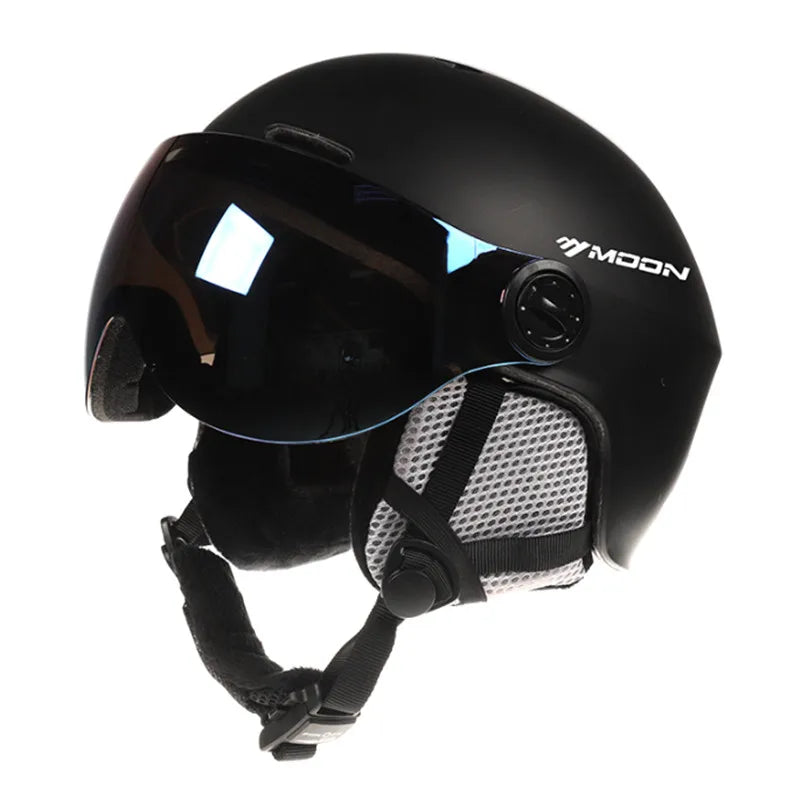
Winter sports eye protection that stays secure all day ❄️ Ride with confidence
Frequently Asked Questions
Do integrated helmets work in extreme cold?
Yes. A properly fitted integrated visor helmet helps reduce cold air entering around the face, while adjustable ventilation and anti-fog technology work together to maintain clear visibility in low temperatures.
Are lenses interchangeable for different light conditions?
Many mid-range and premium models feature interchangeable visors, allowing you to switch between lenses designed for bright sunshine, flat light, or cloudy conditions.
Do all-in-one helmets feel heavier than separate gear?
Not necessarily. Advances in lightweight shell materials mean many integrated helmets weigh similarly to, or only slightly more than, comparable traditional helmet-and-goggle combinations while offering improved convenience.
How do you maintain an integrated visor helmet?
Clean the visor with a microfiber cloth and manufacturer-approved cleaner, allow the helmet to air dry after each use, and store it in a cool, dry place away from direct sunlight. Avoid abrasive materials that may damage anti-fog coatings.
Can I wear prescription glasses comfortably?
Many integrated visor helmets provide sufficient interior space for prescription glasses. Before purchasing, verify that the helmet is compatible with your frame size and test for pressure points around the temples.
What safety certifications should I look for?
Choose helmets that meet recognized standards such as ASTM, CE, or EN1077. These certifications indicate that the helmet has been tested for impact performance appropriate for winter sports.
Final Verdict: Which Ski Helmet with Built-in Goggles Should You Buy?
The best ski helmet with built-in goggles is the one that matches your experience level, fits correctly, and provides dependable visibility in the conditions you ride most often. A properly fitted integrated visor helmet offers an excellent balance of comfort, convenience, and protection, making it a strong choice for beginners, families, and recreational skiers looking to simplify their gear.
Best choice by skier type
- First-time skiers: Choose a lightweight helmet with an adjustable fit system, anti-fog visor, and certified impact protection.
- Families and children: Prioritize easy adjustments, comfortable padding, and highly visible colors for added convenience.
- Recreational riders: Look for adjustable ventilation and interchangeable visor options to handle changing weather.
- Frequent mountain visitors: Consider premium models with wider fields of view, improved ventilation, and durable visor mechanisms.
When to choose separate goggles
Traditional helmet-and-goggle combinations remain an excellent option for advanced riders who frequently change specialty lenses, already own premium goggles, or prefer customizing each piece of equipment independently. For everyone else, an integrated visor helmet can reduce setup time while delivering reliable comfort and visibility throughout the day.
Key takeaways
- Choose a helmet that meets recognized safety certifications such as ASTM, CE, or EN1077.
- Ensure the helmet fits snugly without uncomfortable pressure points.
- Prioritize anti-fog lenses, effective ventilation, and UV protection.
- Consider prescription-glasses compatibility if needed.
- Replace any helmet after a significant impact, regardless of visible damage.
To continue building your winter sports knowledge, explore resources such as a Ski goggles buying guide, MIPS ski helmet guide, How to choose ski helmet size, Snowboard helmet vs ski helmet comparison, Ski goggles lens color guide, and Winter sports protective gear recommendations.
Related Guide: How Should a Ski Helmet Fit Step by Step for All-Day Comfort
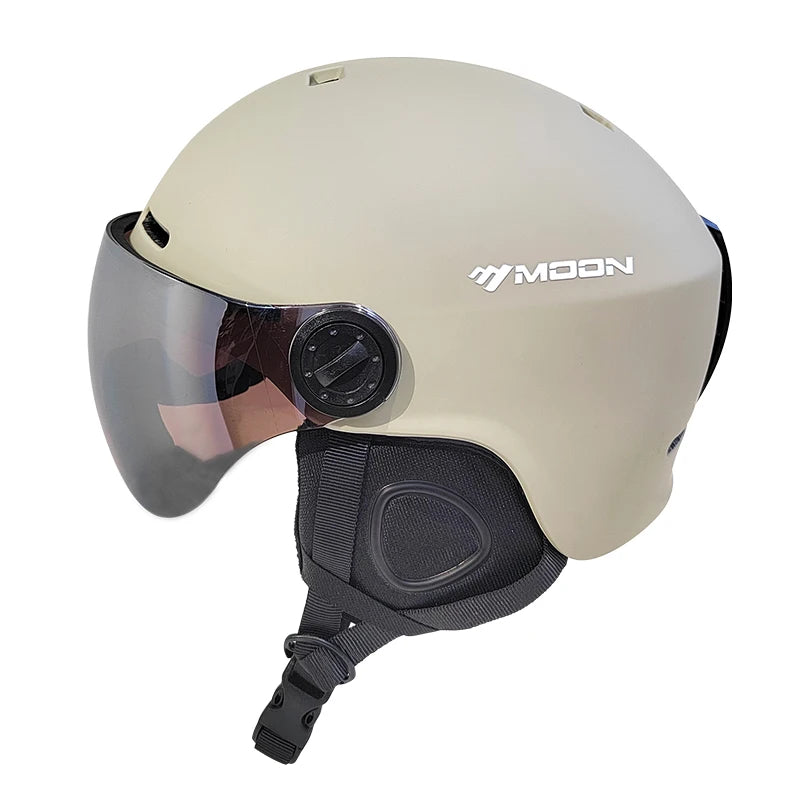
Integrated ski helmet goggles designed for comfort, clarity, and confidence ❄️ See it in action













