

Does chronic ankle soreness ever go away?
Chronic ankle soreness can improve with consistent, targeted support, proper rehabilitation, and smart daily habits. Instead of relying on rest alone, combining stability support, gentle movement, and therapies like heat can help reduce stiffness, improve circulation, and restore confidence in daily movement.
⏱ 6 min read
Chronic Ankle Soreness: Best Ankle Support for Chronic Pain
Chronic ankle soreness can affect everyday life—from walking the dog to standing at work or even getting out of bed. Weak, stiff, or unstable ankles often lead to cautious movement and recurring discomfort. With the right combination of support, strengthening, and therapy, you can reduce pain and regain confidence in how you move.
Explore supportive tools designed to improve comfort and daily mobility.
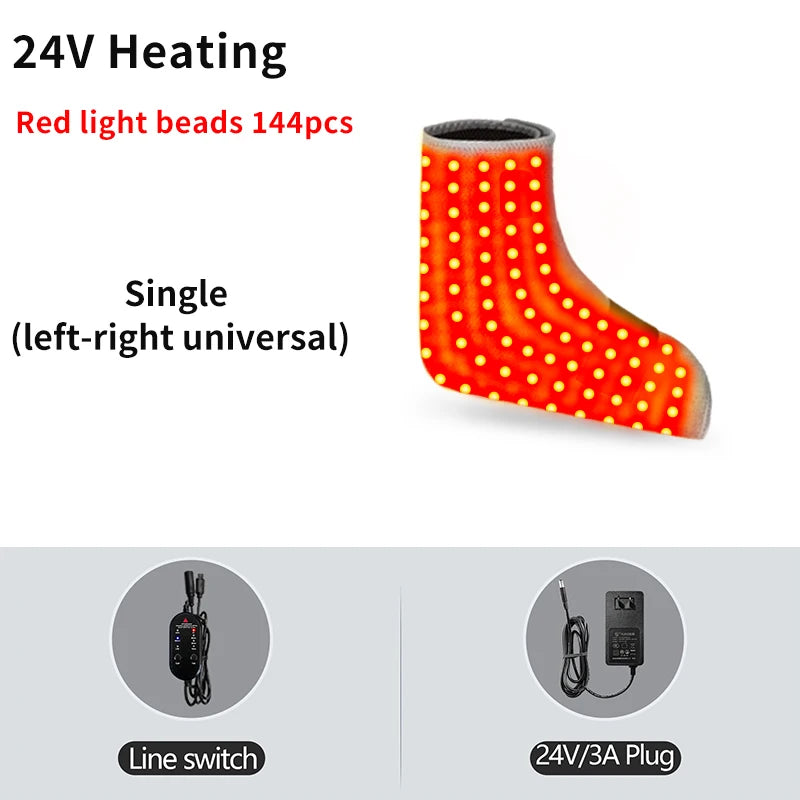
Stability and warmth working together for chronic ankle soreness relief
Chronic Ankle Pain: Causes, Symptoms, and Long-Term Relief Options
Chronic ankle pain refers to discomfort that persists for weeks or months rather than resolving after a short rest period. Many people wonder, “why does my ankle stay sore?”—and the answer often lies in underlying instability, incomplete healing, or repetitive strain.
What Causes Chronic Ankle Pain?
- Previous ankle sprains that weakened ligaments
- Chronic instability causing the ankle to “give way”
- Tendonitis from repetitive movement or overuse
- Osteoarthritis or joint degeneration
- Poor alignment or weak supporting muscles
Common Symptoms and Warning Signs
- Ongoing soreness or stiffness
- Swelling after activity
- Reduced range of motion
- Instability during walking or standing
- Pain that returns after temporary relief
Unlike temporary soreness, chronic ankle pain often requires a structured approach that combines support, movement, and therapy rather than rest alone.
How to Relieve Chronic Ankle Pain at Home
Effective chronic ankle pain relief starts with consistent at-home care. The goal is to restore mobility, rebuild strength, and reduce strain on the joint over time.
Rest, Mobility, and Gentle Stretching
- Limit high-impact activities during flare-ups
- Perform gentle ankle circles and flexion exercises daily
- Stretch calf muscles to reduce tension on the ankle
- Use controlled movement instead of complete inactivity
Strengthening Exercises for Ankle Stability
- Resistance band exercises for lateral strength
- Heel raises to improve calf and ankle support
- Balance training (standing on one foot)
- Progress gradually to avoid re-injury
Consistency matters more than intensity. Most people begin noticing improvement within 2–4 weeks of regular low-impact strengthening and mobility work.
Ankle Support for Chronic Ankle Pain: How It Helps
Using ankle support for chronic ankle pain can reduce strain while allowing safe movement. Rather than replacing rehabilitation, support devices work best alongside exercise and recovery routines.
Improving Stability and Reducing Strain
- Keeps the ankle aligned during movement
- Limits excessive side-to-side motion
- Reduces stress on weakened ligaments
Supporting Daily Movement During Recovery
- Improves confidence when walking or standing
- Helps prevent re-injury during daily activities
- Allows gradual return to normal movement
Many people also explore tools from the Body Care and Health Devices collection to support broader recovery routines.
Types of Ankle Support Explained: Brace, Wrap, and Compression Options
Different types of ankle support serve different needs depending on severity and activity level.
Stability Ankle Braces
Best for moderate to severe instability or post-injury recovery. These provide structured support and limit excessive movement.
Ankle Support Wraps and Compression Sleeves
Wraps offer adjustable compression, while sleeves provide light support and improved circulation. Both are suitable for mild to moderate soreness.
Choosing Support Based on Pain Type
- Severe instability → Stability brace
- Mild soreness or arthritis → Compression sleeve
- Swelling or daily support → Adjustable wrap
For combined support and therapy, some users integrate solutions like a red light heated ankle wrap into their routine.
Heat Therapy for Ankle Pain: Benefits and Safe Use
Heat therapy is commonly used for chronic stiffness and discomfort, especially when pain is not caused by acute swelling.
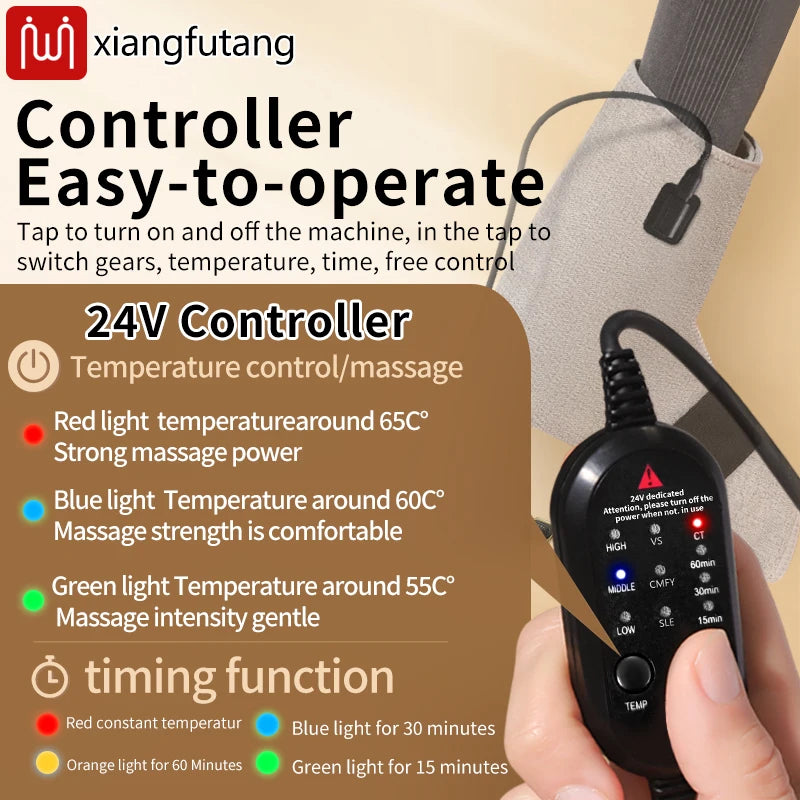
Targeted warmth for chronic ankle soreness and daily comfort
How Heat Helps Stiffness and Circulation
- Increases blood flow to the area
- Relaxes tight muscles and soft tissues
- Improves joint flexibility
When to Avoid Heat Therapy
- Immediately after injury or swelling
- If the area feels hot or inflamed
- For prolonged use without medical advice
Safety Tip: Use heat for 15–20 minutes per session and avoid direct skin contact to prevent burns.
Building a Chronic Ankle Pain Recovery Plan
A structured recovery plan is key for long-term ankle pain support. Combining multiple approaches delivers better results than relying on one method alone.
Combining Support, Exercise, and Therapy
- Use ankle support during activity
- Perform daily mobility and strengthening exercises
- Apply heat therapy to reduce stiffness
- Adjust activity levels based on pain response
Tracking Progress and Preventing Recurring Pain
- Monitor pain levels and movement quality
- Increase activity gradually
- Maintain strength and flexibility routines
- Avoid sudden increases in intensity
Discover how the red light heated ankle wrap fits into daily recovery routines.
How to Use an Ankle Brace or Support Wrap Correctly
When to Wear Ankle Support
- During walking, standing, or exercise
- When experiencing instability or soreness
- During recovery after previous injury
How Long to Use Ankle Support Safely
- Use during activity, not necessarily all day
- Avoid over-reliance without strengthening exercises
- Remove during rest unless advised otherwise
Correct usage ensures support enhances recovery rather than weakening the joint over time.
When to See a Doctor for Chronic Ankle Pain
If chronic ankle soreness persists despite home care and support, medical evaluation may be necessary.
- Severe or worsening pain
- Frequent ankle instability or “giving way”
- Persistent swelling
- Difficulty bearing weight
Professional assessment may include imaging, physical therapy, or targeted treatment depending on the underlying cause.
Frequently Asked Questions
Can chronic ankle soreness improve without surgery?
Yes. Most cases respond well to a combination of support, exercise, and therapy. Surgery is usually reserved for severe structural issues.
How can I relieve chronic ankle pain at home?
Use a combination of rest, gentle stretching, strengthening exercises, ankle support, and heat therapy to reduce stiffness and improve function.
Should I wear an ankle brace for chronic pain?
Yes, especially during activity or when instability is present. It should be combined with strengthening exercises.
How long can I safely use ankle support?
Ankle support is safe when used during activity, but long-term use should include exercises to prevent muscle weakness.
Does heat therapy help chronic ankle soreness?
Yes. Heat improves circulation and reduces stiffness, making it effective for chronic (non-acute) pain.
Why does my ankle stay sore after an old injury?
Old injuries may lead to ligament weakness, instability, or joint changes, which can cause recurring soreness without proper rehabilitation.
Related Guide: Ankle Injury Healing: Key Features That Speed Recovery













