

Knee Stiffness When Bending: Causes, Symptoms, and How to Improve Flexibility Safely
Understanding Knee Stiffness When Bending
Knee stiffness when bending can feel like tightness, resistance, reduced flexibility, or difficulty moving the joint through its normal range of motion. You may notice it when squatting, climbing stairs, sitting down, standing up, or trying to fully bend or straighten your leg.
How the knee bends: anatomy and biomechanics
The knee is a complex joint where the thighbone, shinbone, and kneecap work together. Cartilage, menisci, ligaments, tendons, muscles, and fluid inside the joint all contribute to smooth movement.
When you bend your knee, the joint moves through a combination of rolling, gliding, and rotation. Stiffness can occur when swelling, irritation, muscle tightness, joint changes, or an injury interferes with this movement. The location, timing, and severity of the stiffness can provide clues about what may be contributing to it.
Why your knee is stiff after sitting
If you wonder, “Why is my knee stiff after sitting?” , prolonged inactivity is a common explanation. Keeping the knee bent in one position for a long time can make surrounding muscles and soft tissues feel tight, while joint movement temporarily decreases.
This type of stiffness often improves after gentle movement. However, stiffness that consistently lasts for a long time after sitting, progressively worsens, or occurs with swelling or significant pain may require medical evaluation.
Stiffness vs pain vs locking vs instability
- Stiffness: The knee feels tight or resistant, and movement may be limited or less smooth.
- Pain: Discomfort occurs during movement, at rest, or after activity.
- Locking: The knee becomes stuck and cannot fully bend or straighten.
- Instability: The knee feels as if it may give way or cannot reliably support you.
These symptoms can overlap, but they do not always have the same causes. A stiff knee that gradually loosens with gentle movement is different from a knee that suddenly locks, repeatedly gives way, or becomes significantly swollen.
Does Chronic Knee Joint Stiffness Really Improve With Safe Home Care?
Chronic knee stiffness can improve with consistent, appropriate conservative care , especially when the underlying problem responds to movement, strengthening, flexibility work, and activity modification. Many people benefit from gradually restoring knee motion rather than avoiding movement altogether.
What research says
Exercise-based rehabilitation is commonly used to improve joint function, strength, mobility, and daily activity in people with many common causes of knee stiffness. The specific exercises and treatment plan should match the cause of the stiffness and the person's symptoms.
Home care is not a cure for every knee condition. A torn structure, significant inflammation, advanced joint disease, or another medical problem may require professional diagnosis and treatment. The goal of home care is to support comfortable movement while avoiding activities that aggravate the knee.
Who benefits most
People with stiffness related to inactivity, muscle tightness, mild mobility limitations, or some chronic joint conditions may benefit from a gradual program of mobility and strengthening. Improvement is usually more realistic when the routine is consistent and progressed slowly.
Expectations should also be realistic. Some people notice better movement within days or weeks, while others need longer-term management. The cause, severity, duration, age, activity level, and overall health of the knee all affect recovery.
⏱ 8 min read
If your knees feel tight, resistant, or uncomfortable when you stand up, climb stairs, or bend down, you're not alone. Chronic stiffness can develop gradually and affect everyday movement. The right approach depends on the cause, but gentle mobility, appropriate strengthening, and timely evaluation can help many people move more comfortably.
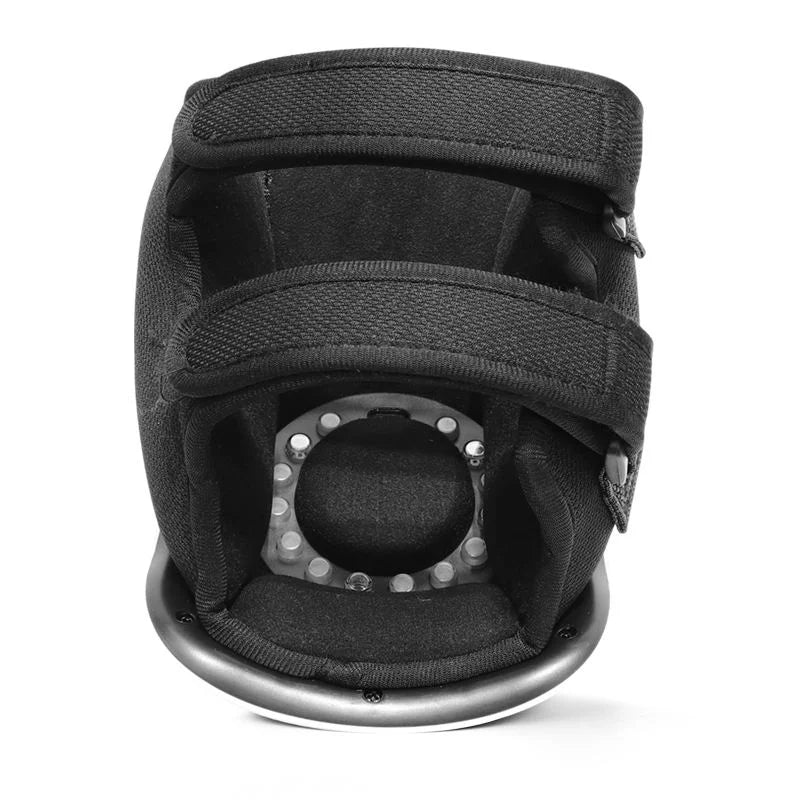
Early relief strategies for chronic knee joint stiffness See it in action
What Causes Knee Stiffness When Bending?
There are several possible stiff knees causes and treatment pathways. The cause may involve the joint itself, surrounding muscles and tendons, inflammation, an injury, or a medical condition. Understanding the pattern of stiffness can help determine the most appropriate next step.
Arthritis and cartilage changes
Osteoarthritis can affect the cartilage and other structures involved in knee movement. Stiffness may be more noticeable after rest, in the morning, or after sitting for a long time. Some people also experience pain, swelling, reduced range of motion, or a grinding sensation.
Inflammatory forms of arthritis can also cause stiffness and swelling. The pattern of symptoms and the presence of other affected joints can help healthcare professionals determine whether further evaluation is needed.
Meniscus, ligament and tendon injuries
A meniscus injury may cause pain, stiffness, clicking, catching, or difficulty moving the knee normally. Ligament injuries may be associated with instability, while tendon problems can cause pain and stiffness around the front or other areas of the knee.
Stiffness after an injury should not automatically be treated as simple tightness. If symptoms began after a fall, twist, impact, or sports injury, a healthcare professional can help determine whether the joint needs further assessment.
Bursitis, swelling and inflammation
Inflammation and fluid buildup can make the knee feel tight and restrict bending. Bursitis, irritation of soft tissues, and inflammation inside or around the joint may cause swelling, tenderness, warmth, or discomfort with movement.
When swelling is significant, forcing the knee through a deep stretch or intense exercise can aggravate symptoms. Reducing irritation and restoring movement gradually is generally more appropriate.
Overuse, inactivity and medical conditions
Repetitive activity, sudden increases in training, prolonged sitting, and inactivity can all contribute to knee stiffness. Tightness in the muscles around the hips, thighs, and lower legs may also affect how the knee moves.
Other medical conditions can cause joint stiffness as well. Persistent, unexplained, or progressively worsening symptoms deserve professional evaluation rather than relying only on home treatment.
Symptom Checker: What Your Knee Stiffness May Mean
Symptoms cannot confirm a diagnosis, but the combination of stiffness with other signs can help you decide what to monitor and when to seek care.
Stiffness with swelling
Swelling may occur after an injury, overuse, inflammation, or certain joint conditions. A visibly swollen knee, especially when the swelling is sudden or significant, should be assessed if it does not improve or is accompanied by substantial pain or difficulty bearing weight.
Stiffness with clicking or locking
Clicking without pain is not always a sign of a serious problem. However, painful catching, repeated locking, or an inability to fully bend or straighten the knee can indicate a mechanical problem that may require evaluation.
Stiffness with instability
If the knee feels as though it may give way, especially after an injury, the issue may involve structures that help stabilize the joint. Repeated instability can increase the risk of further injury and should not be ignored.
Pain location and likely causes
- Front of the knee: May be associated with kneecap-related problems, tendon irritation, or other structures around the front of the joint.
- Inside or outside of the knee: May involve the meniscus, ligaments, tendons, or surrounding soft tissues.
- Back of the knee: Can be related to muscles, tendons, joint swelling, or other conditions that require professional assessment if persistent.
Seek prompt medical care for severe symptoms, a major injury, an unusually hot or red joint, an inability to bear weight, or rapidly worsening swelling and pain.
How to Identify Your Knee Stiffness Type
Tracking when stiffness occurs can reveal patterns that are useful for deciding whether the problem is related to rest, activity, injury, or a persistent condition.
Morning vs evening stiffness
- Morning stiffness: May occur after the knee has remained still overnight. Persistent or prolonged morning stiffness, especially with swelling or other joint symptoms, may warrant evaluation.
- Evening stiffness: May become more noticeable after a full day of walking, standing, or other activity.
After sitting vs after exercise
- After sitting: Stiffness that improves after gentle movement may be related to prolonged inactivity or an underlying joint condition.
- After exercise: Stiffness may result from muscle fatigue, overuse, inadequate recovery, or an activity that places too much stress on the knee.
Temporary vs persistent stiffness
Temporary stiffness that gradually improves is different from chronic knee stiffness that is present most days or progressively limits movement. Keep track of how long symptoms last, what activities trigger them, whether swelling occurs, and whether the range of motion is changing.
The Safest Way to Improve Knee Flexibility Early
When the knee is stiff, the safest approach is usually to protect the joint from aggravating activities while gradually restoring comfortable movement . The right balance depends on the cause.
Reduce swelling first
If the knee is swollen after an injury or a flare-up, avoid forcing deep bending, high-impact exercise, or intense stretching. Activity modification and appropriate care may help reduce irritation before progressing mobility work.
For some injuries, short-term rest and cold therapy may be useful, while heat can feel more comfortable for general muscle tightness or stiffness without acute swelling. The appropriate approach depends on the situation.
Restore movement gradually
Once movement is comfortable, gentle range-of-motion exercises can help prevent prolonged inactivity from contributing to further stiffness. Start with a comfortable range and progress gradually rather than forcing the knee into painful positions.
- Reduce unnecessary muscle guarding and tension
- Restore comfortable joint movement gradually
- Build strength and control around the knee
- Avoid sudden increases in exercise intensity
Many people find that pairing movement with supportive tools from Body Care and Health Devices helps maintain consistency.
Step-by-Step Knee Range of Motion Exercises
These knee range of motion exercises are designed to encourage controlled movement. Perform them within a comfortable range and stop if an exercise causes sharp, worsening, or unusual pain.
Beginner knee mobility exercises
- Heel slides: While lying down or sitting, slowly slide the heel toward the body and then return to the starting position.
- Seated knee extensions: Sit in a stable chair and slowly straighten the knee as far as comfortable before lowering the leg.
- Gentle hamstring stretches: Use a controlled stretch without bouncing or forcing the knee into a painful position.
Progressive knee flexibility routine
- Begin with a comfortable number of repetitions.
- Increase repetitions or duration gradually if symptoms remain stable.
- Add light strengthening exercises when appropriate.
- Progress to controlled functional movements such as partial squats or step-ups only when the knee tolerates them comfortably.
Consistency is usually more useful than performing an intense routine occasionally. If a movement causes symptoms to worsen during the exercise or afterward, reduce the intensity or seek professional guidance.
Exercises to avoid when stiffness worsens
When knee stiffness is accompanied by significant swelling, sharp pain, or a recent injury, avoid forcing deep knee bends, high-impact exercise, heavy resistance, and sudden increases in training volume until the cause is clearer.
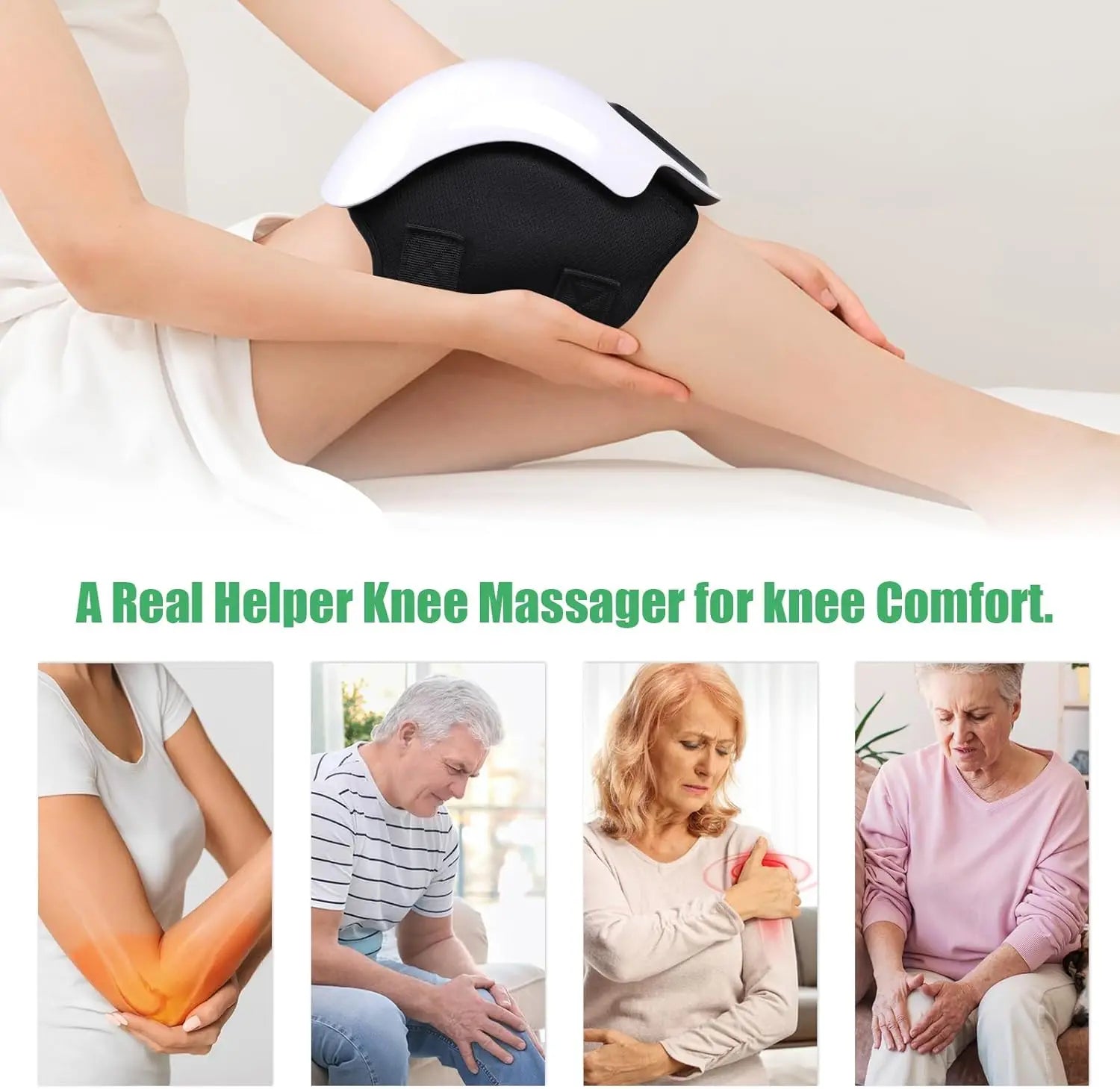
Daily routines that reduce knee tension when bending See it in action
How to Loosen Stiff Knee Joints Quickly
If you need short-term knee tightness relief , gentle movement is often a better starting point than remaining completely still. The best approach depends on whether the stiffness is related to inactivity, muscle tightness, swelling, or an injury.
Morning routine
- Begin with gentle knee bends and extensions.
- Walk slowly for a few minutes if comfortable.
- Use light mobility exercises before more demanding activity.
After sitting routine
- Move the ankle and knee gently before standing.
- Stand up gradually and take a short, easy walk.
- Avoid immediately moving from prolonged sitting into intense exercise.
Heat, ice and activity modification
- Heat: May feel soothing for general muscle tightness and stiffness before gentle movement.
- Ice: May help with short-term discomfort and swelling after certain injuries or periods of overuse.
- Activity modification: Temporarily reducing activities that aggravate the knee can help prevent repeated irritation.
Do not use short-term relief as a reason to ignore persistent swelling, locking, instability, or worsening pain.
Home Treatments vs Medical Treatments
When home care is appropriate
Home care may be reasonable when stiffness is mild, movement is generally possible, symptoms are not rapidly worsening, and there are no concerning signs such as major swelling, instability, or locking.
Common approaches include gentle mobility exercises, gradual strengthening, activity modification, and supportive comfort measures. If symptoms continue despite consistent care, professional evaluation can help identify the underlying cause.
When imaging or physical therapy is recommended
Imaging is not automatically needed for every stiff knee. A healthcare professional may consider imaging when there is a significant injury, persistent symptoms, suspected structural damage, concerning examination findings, or symptoms that do not improve with appropriate conservative care.
Physical therapy may be useful when stiffness, weakness, reduced range of motion, poor movement control, or recovery after injury affects daily activities. A physical therapist can tailor exercises to the individual's condition and progression.
When to see an orthopedic specialist
Consider professional evaluation for persistent or worsening stiffness, repeated locking or instability, significant swelling, ongoing pain after an injury, or a major limitation in bending or straightening the knee.
Urgent medical assessment is appropriate for severe symptoms, a major injury, inability to bear weight, rapidly increasing swelling, or a joint that is unusually hot and red, particularly when accompanied by feeling unwell.
Can Vibration Therapy Help Knee Stiffness?
Vibration therapy for knee stiffness may provide short-term comfort for some people , particularly when it helps relax surrounding muscles or makes movement feel easier. However, vibration should be considered a supportive option rather than a replacement for diagnosis, rehabilitation, or strengthening when those are needed.
Evidence for vibration therapy
Research on vibration-based therapies varies depending on the type of device, vibration settings, treatment duration, and condition being treated. Some people may experience temporary changes in muscle tension, comfort, or perceived mobility, but results are not identical for everyone.
For long-term improvement, vibration therapy is generally more useful as part of a broader routine that may include appropriate mobility exercises, strengthening, and activity modification.
Who should avoid vibration therapy
Do not use vibration over a recently injured or significantly swollen area without appropriate medical guidance. People with certain medical conditions or implanted devices should also ask a healthcare professional whether vibration-based treatments are appropriate for them.
Stop using a device if it causes increased pain, swelling, numbness, or other concerning symptoms.
Using a Knee Massager for Knee Tightness Relief
A knee massager may provide supportive comfort through features such as heat or vibration. For some people, this can make the surrounding area feel more relaxed and make a gentle mobility routine easier to maintain.
Potential benefits
- May provide temporary comfort for muscle tightness
- Can make a consistent self-care routine easier to follow
- May complement gentle mobility exercises
Safe use tips
Use a knee massager according to the manufacturer's instructions and start with a comfortable setting. Avoid using it to push through sharp pain or to delay evaluation of symptoms such as significant swelling, locking, or instability.
For convenient daily use, an option is the cordless knee massager . It should be viewed as a supportive tool rather than a treatment for the underlying cause of chronic knee stiffness.
Recovery Timeline and Prevention
Expected recovery by condition
There is no single recovery timeline for knee stiffness. Mild stiffness related to inactivity or temporary muscle tightness may improve relatively quickly once normal movement resumes. Stiffness after an injury may take longer, while arthritis and other chronic conditions may require ongoing management rather than a one-time cure.
If symptoms are not gradually improving, continue to limit normal activities, or become more severe, seek professional evaluation instead of repeatedly increasing home exercises.
Preventing future stiffness
Long-term mobility is supported by regular movement and gradual conditioning. Helpful habits may include:
- Break up long periods of sitting with comfortable movement.
- Build strength gradually instead of making sudden increases in exercise intensity.
- Maintain flexibility and joint mobility within a comfortable range.
- Use proper recovery after demanding activities.
- Address recurring pain, swelling, or instability early.
The goal is not to force the knee to become more flexible at any cost. The safest approach is to maintain comfortable movement while building the strength and control needed for everyday activities.
Quick Answers About Knee Stiffness (FAQ)
Why is my knee stiff after sitting for a long time?
Keeping the knee still for a prolonged period can temporarily increase the feeling of tightness and make movement feel less smooth. If the stiffness improves after gentle movement, inactivity may be contributing. Persistent stiffness, swelling, pain, locking, or instability should be evaluated.
What causes knee stiffness without severe pain?
Possible causes include prolonged inactivity, muscle tightness, overuse, early joint changes, mild inflammation, or recovery after an injury. The cause cannot be determined from stiffness alone, so persistent or worsening symptoms deserve professional assessment.
Can arthritis cause knee stiffness only when bending?
Yes. Arthritis-related changes can make certain movements, including deep bending, feel stiff or restricted. Symptoms may also occur after sitting, in the morning, or after activity. Other causes can produce similar symptoms, so a diagnosis requires a proper evaluation.
Should I exercise if my knee feels stiff?
Gentle, controlled movement may be appropriate for mild stiffness, particularly when it improves with movement. Avoid forcing painful ranges of motion or continuing activities that cause sharp or worsening symptoms. Significant swelling or a recent injury may require a different approach.
When does knee stiffness require an MRI?
An MRI is not required for every stiff knee. A healthcare professional may recommend one when symptoms suggest a soft-tissue injury or structural problem, when there has been a significant injury, or when persistent symptoms do not improve as expected.
How long does it take to regain knee flexibility?
The timeline depends on the cause and severity of the stiffness. Some mild mobility limitations improve over days or weeks, while injury-related or chronic conditions may take longer and require ongoing rehabilitation.
Does walking help loosen a stiff knee?
For some people, gentle walking can help reduce stiffness associated with inactivity. Start at a comfortable pace and avoid pushing through increasing pain, significant swelling, or instability.
Can vibration therapy improve knee mobility?
Vibration therapy may provide temporary comfort or help some people feel less muscle tightness, but evidence and results vary. It is best used as a supportive option alongside appropriate movement and rehabilitation rather than as a standalone solution.
Related Guide: Ways to Relax Knee Joints Step by Step at Home
Key Takeaways: How to Increase Knee Flexibility Safely
- Knee stiffness when bending can result from inactivity, overuse, injury, inflammation, arthritis, or other conditions.
- Pay attention to accompanying symptoms such as swelling, locking, clicking, instability, and the location of pain.
- Gentle knee mobility exercises can help restore comfortable movement when appropriate.
- Progress gradually and avoid forcing painful ranges of motion or suddenly increasing exercise intensity.
- Heat, cold, activity modification, vibration, and a knee massager may provide supportive symptom relief depending on the situation.
- Persistent, worsening, or severe symptoms should be evaluated by a healthcare professional.
- Regular movement, gradual strengthening, and early attention to recurring symptoms can help support long-term knee mobility.













