

Do leg circulation massagers really improve blood flow?
Yes—when used correctly. A quality leg circulation massager uses sequential air compression to gently squeeze the legs in a wave-like pattern, encouraging blood and excess fluid to move back toward the heart. This action mimics the natural pumping effect of walking muscles, helping reduce swelling, relieve heavy legs, and support poor leg circulation treatment at home. While these devices are not a cure for vascular disease, they can provide meaningful daily comfort and recovery for many healthy adults when combined with regular movement and healthy habits.
Best Leg Circulation Massager (2026): Do They Really Improve Blood Flow?
The best leg circulation massager can do much more than deliver a relaxing massage. Modern air compression systems are designed to improve circulation, reduce fluid buildup, ease muscle fatigue, and support faster recovery after long workdays, travel, or exercise. Compared with many traditional leg recovery devices, today's compression massagers are easier to use at home, require minimal setup, and offer adjustable programs for a wide range of users—from office workers and seniors to athletes.
⏱ 7 min read
Quick Comparison: Best Leg Circulation Massagers
If you want a quick overview, the comparison below highlights the most common types of leg circulation massagers, their ideal use cases, and the strengths that matter most when choosing the best leg massager for circulation.
| Product Type | Best For | Compression Levels | Coverage | Portability |
|---|---|---|---|---|
| Air Compression Leg Massager | Overall circulation support and recovery | Multiple adjustable levels | Feet to thighs | Medium |
| Foot + Calf Massager | Daily relaxation after standing or walking | Moderate | Feet & calves | Low |
| EMS Circulation Device | Targeted muscle stimulation | Adjustable | Localized muscle groups | High |
| Portable Compression Wraps | Travel and occasional use | Basic | Calves | High |
Top 7 Best Leg Circulation Massagers for Different Needs
Best Overall Leg Massager for Circulation
A full-leg air compression leg massager remains the top choice for most people because it delivers graduated compression from the feet toward the thighs. Look for adjustable pressure levels, multiple massage programs, and independent air chambers for balanced circulation support, swelling reduction, and everyday recovery.
Best for Seniors & Poor Circulation
Seniors typically benefit most from gentle compression systems with intuitive controls, automatic shutoff, and lower pressure settings. Comfortable wraps and easy-to-read controllers encourage consistent use without overwhelming first-time users.
Best for Swelling & Edema Relief
Graduated air compression models help move accumulated fluid upward through sequential inflation, making them a practical option for people experiencing mild swelling after prolonged sitting, standing, or travel. Persistent or unexplained swelling should always be evaluated by a healthcare professional.
Best for Athletes & Recovery
Athletes often prefer higher-performance compression systems that offer stronger pressure settings and multiple recovery modes. These devices can help reduce post-workout muscle soreness, improve comfort, and prepare the legs for the next training session.
Best Budget Option
Entry-level leg massagers may include fewer massage modes, but many still provide effective sequential compression for relieving tired legs after everyday activities. They are an excellent starting point for users new to compression therapy.
Best Foot + Calf Combo Device
Combination foot and calf massagers work well for people who spend hours on their feet. By treating two common fatigue areas simultaneously, they offer convenient daily relief for retail workers, healthcare professionals, and anyone with an active lifestyle.
Best Portable Leg Compression Massager
Compact compression wraps prioritize convenience over maximum coverage. Lightweight designs are easy to pack for business trips, flights, or office use, making it easier to maintain a regular recovery routine wherever you are.
Still deciding which recovery option fits your lifestyle? The following sections explain how leg circulation massagers work, who benefits most, and what features are worth prioritizing before you buy.
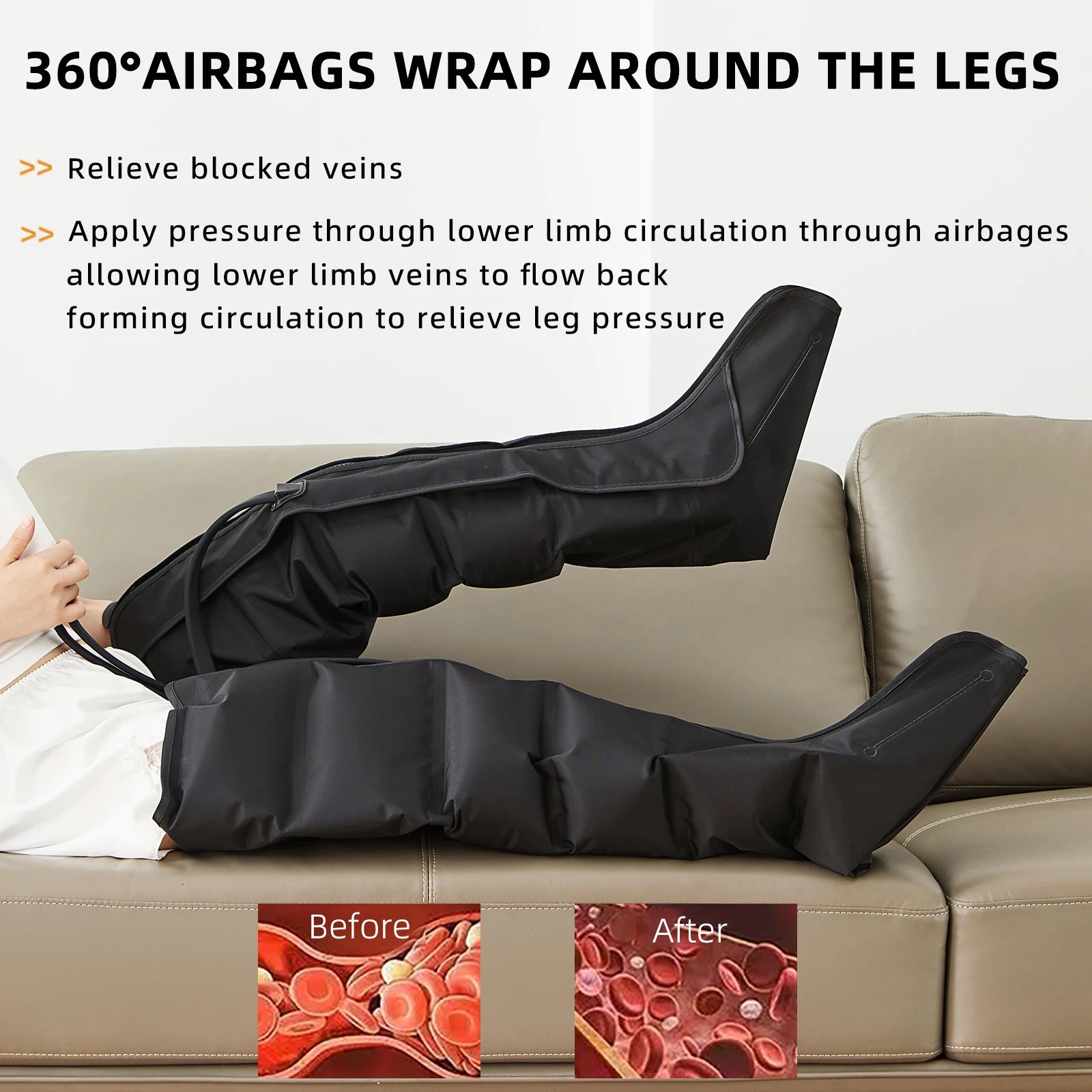
Circulation boosting leg massage for daily relief. See it in action.
Why Legs Feel Heavy and Tired
Heavy, achy legs are often the result of several factors working together rather than a single cause. Long periods of sitting, standing, or reduced physical activity can slow normal blood flow and allow fluid to collect in the lower legs. This may reduce oxygen delivery to working muscles, contribute to muscle fatigue, and create symptoms such as swelling, stiffness, tight calves, and a persistent feeling of leg heaviness. For many people, improving daily movement and using supportive recovery methods are effective components of poor leg circulation treatment at home.
How Leg Circulation Massagers Improve Blood Flow
Air Compression Technology Explained
An air compression leg massager uses inflatable chambers that fill and release air in a carefully timed sequence. Beginning near the feet and progressing upward, the chambers create graduated pressure that encourages venous return, supports lymphatic drainage, and helps reduce fluid pooling in the lower limbs. This rhythmic compression closely mimics the natural pumping action produced when walking, making it an effective circulation massage option for daily recovery.
Circulation Massage vs EMS vs Vibration
Each recovery technology serves a different purpose. Air compression physically applies external pressure to improve circulation and reduce swelling. EMS (electrical muscle stimulation) contracts muscles using electrical impulses and is primarily intended for muscle activation rather than fluid movement. Vibration massagers provide temporary relaxation by stimulating surface tissues, but they generally do not produce the same sequential compression that supports healthy blood flow throughout the legs.
Heat Therapy and Sequential Compression
Some premium leg circulation massagers combine gentle heat with sequential compression. Mild warmth can help muscles relax and improve overall comfort during a session, while the compression chambers continue moving blood and excess fluid upward. Although heat enhances the massage experience, sequential air compression remains the primary feature responsible for circulation support. These devices are intended to promote comfort and recovery and should not be considered a substitute for medical treatment of vascular conditions.
Key Benefits of Leg Compression Massagers
Reduce Swelling & Fluid Retention
One of the most recognized leg compression massager benefits is helping reduce mild swelling caused by prolonged sitting, standing, travel, or everyday fatigue. Graduated compression encourages excess fluid to move away from the lower legs, helping users feel lighter and more comfortable.
Improve Blood Circulation
By supporting healthy venous return and encouraging continuous blood movement, an improve leg circulation device can help deliver oxygen and nutrients more efficiently to muscles and surrounding tissues while reducing the sensation of sluggish circulation.
Speed Up Muscle Recovery
After exercise, better circulation helps transport metabolic byproducts away from working muscles while delivering fresh oxygenated blood. Many active individuals use compression massage as part of their post-workout recovery routine to minimize soreness and prepare for their next training session.
Relieve Heavy, Tired Legs
Regular sessions can help relieve fatigue, stiffness, and the uncomfortable sensation of heavy legs after long workdays, extended travel, or physically demanding activities. Consistent use often provides the greatest benefit when combined with regular movement, stretching, and proper hydration.
Leg Circulation Massager vs Other Recovery Devices
Different leg recovery devices are designed for different goals. Understanding how each technology works makes it easier to choose the right option for circulation support, muscle recovery, or everyday comfort.
Compression vs Massage Gun
Air compression leg massagers provide gentle, sequential pressure that encourages healthy blood flow and helps reduce fluid retention throughout the legs. Massage guns, by contrast, deliver targeted percussive therapy to specific muscles and are better suited for releasing muscle tightness or trigger points rather than supporting overall circulation.
Compression vs EMS
Compression massage uses external pressure to assist venous return and reduce swelling, making it a practical choice for daily circulation support. EMS devices stimulate muscles with electrical impulses to promote muscle activation and rehabilitation, but they do not create the same graduated compression pattern that helps move blood and fluid through the legs.
Compression vs Vibration Massager
Vibration massagers primarily produce surface-level stimulation and temporary muscle relaxation. While they may help ease tension, they generally provide less comprehensive circulation support than sequential air compression systems, which are specifically designed to encourage blood flow from the feet toward the heart.
| Recovery Option | Primary Purpose | Comfort | Best For |
|---|---|---|---|
| Air Compression Leg Massager | Circulation support and fluid movement | Gentle, adjustable | Daily recovery and tired legs |
| Massage Gun | Deep muscle relief | Moderate to intense | Targeted muscle soreness |
| EMS Device | Muscle stimulation | Adjustable electrical pulses | Muscle activation |
| Vibration Massager | Surface muscle relaxation | Comfortable | General relaxation |
| Static Compression Socks | Continuous compression | Constant pressure | Extended daily wear |
| Bulky Recovery Machines | High-pressure recovery sessions | Strong, intense | Occasional intensive recovery |
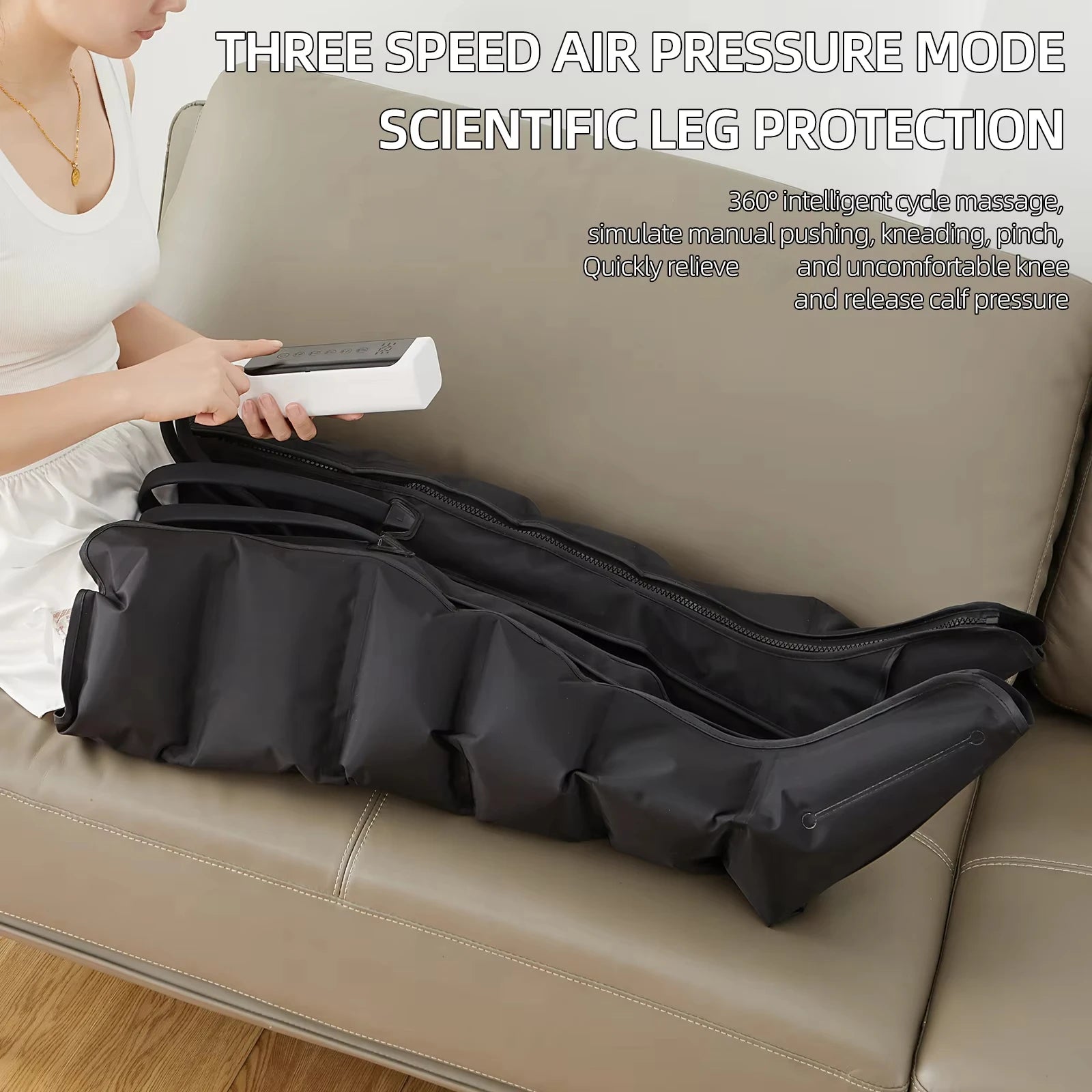
Comparing circulation massage benefits. See it in action.
Who Should Use a Leg Massager for Circulation
Seniors with Poor Circulation
Gentle, adjustable compression can help improve comfort, reduce leg stiffness, and support healthy circulation for older adults. Simple controls and automatic programs make regular use easier, although anyone with significant vascular disease should seek medical advice before beginning compression therapy.
Office Workers & Sedentary Lifestyle
Spending hours seated can contribute to sluggish circulation and swollen lower legs. A leg massager for circulation may help relieve discomfort after work by encouraging blood flow and reducing fluid buildup when paired with regular stretching and movement breaks.
Athletes & Fitness Recovery
Runners, cyclists, and strength athletes frequently use air compression as part of their recovery routine. Improved circulation can help reduce post-exercise soreness, support muscle recovery, and prepare the legs for the next training session.
People with Swelling or Edema
Individuals experiencing mild swelling from prolonged standing, travel, or everyday fatigue may benefit from graduated compression that encourages excess fluid to move away from the lower legs. Persistent, severe, or unexplained swelling should always be evaluated by a healthcare professional.
Who Should Avoid Using a Leg Compression Massager
Medical Contraindications
Although leg compression massagers are generally safe for healthy adults, they are not appropriate for everyone. Avoid using one unless specifically cleared by your healthcare provider if you have:
- Deep vein thrombosis (DVT) or suspected blood clots
- Severe peripheral arterial disease
- Uncontrolled hypertension
- Acute infections affecting the legs
- Recent leg surgery or significant injuries that have not fully healed
When to Consult a Healthcare Professional
If you have diabetes with complications, chronic venous disease, heart failure, severe edema, or any diagnosed circulatory disorder, speak with your healthcare provider before using a leg compression massager. These devices support comfort and circulation but should not replace professional evaluation or treatment for underlying medical conditions.
How to Use a Leg Circulation Massager for Best Results
Recommended Session Length
Begin with a low compression setting and gradually increase the intensity as your legs become accustomed to the pressure. Most manufacturers recommend sessions lasting 15–30 minutes , which is sufficient for everyday circulation support and muscle recovery without overusing the device.
Frequency of Use
Consistency typically delivers better results than occasional long sessions. Many people use a leg circulation massager once daily or several times each week after work, exercise, or prolonged sitting. Always follow the manufacturer's instructions if your device recommends a different schedule.
Positioning Tips
For maximum comfort, sit or recline with your legs slightly elevated while wearing the compression sleeves. Make sure the wraps fit securely without being excessively tight, remain hydrated before and after each session, and avoid sleeping while the device is operating unless the manufacturer specifically states it is safe to do so.
- Start with the lowest comfortable compression level.
- Use the device for 15–30 minutes per session.
- Keep your legs slightly elevated whenever possible.
- Use the massager consistently as part of your recovery routine.
- Drink water and combine compression with regular movement throughout the day.
How Long Does It Take to See Results?
Many users notice lighter, more relaxed legs immediately after their first session because sequential compression temporarily improves comfort and reduces the sensation of fatigue. Mild swelling from prolonged standing or sitting may also improve after regular use over several days.
Long-term benefits depend on consistent use and healthy lifestyle habits. A leg circulation massager works best when paired with regular walking, stretching, hydration, and medical treatment when recommended. These devices are designed to support circulation and recovery rather than treat underlying vascular disease.
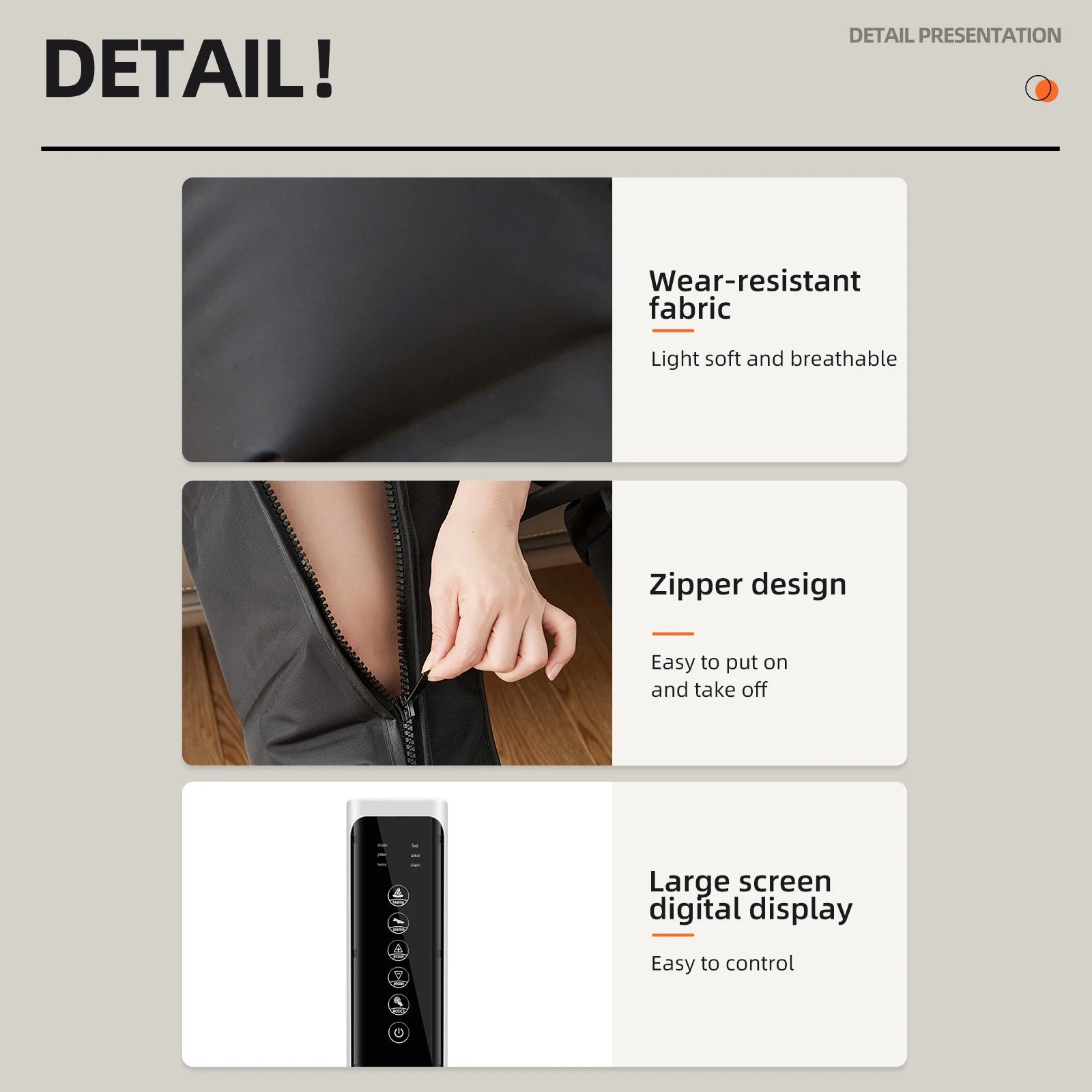
At-home leg massage comfort. See it in action.
Buying Guide: How to Choose the Best Leg Circulation Massager
Compression Levels & Intensity
Choose a model with multiple adjustable pressure levels so you can tailor each session to your comfort level and recovery goals. Beginners often appreciate gentle settings, while experienced users may prefer stronger compression for post-workout recovery.
Coverage Area (Feet, Calves, Thighs)
Coverage has a significant impact on performance. Full-leg systems that extend from the feet to the thighs generally provide more comprehensive circulation support than calf-only designs, particularly for people with widespread fatigue or swelling.
Programs & Modes
Look for devices that include several massage programs and customizable inflation sequences. Multiple modes allow you to alternate between relaxation, circulation support, and recovery depending on your daily needs.
Portability & Ease of Use
A lightweight controller, intuitive controls, and easy-to-wear wraps make it more likely that you'll use the device consistently. Compact storage and simple cleaning are additional advantages for long-term ownership.
Budget vs Premium Options
Budget models can provide reliable daily comfort, while premium units often include additional air chambers, wider pressure adjustment ranges, quieter operation, and higher-quality materials. When comparing the best leg massager for circulation, prioritize overall fit, comfort, and durability instead of focusing solely on price.
:::writing Here's the rewritten HTML for Part 5.Frequently Asked Questions
Do leg circulation massagers really improve blood flow?
For many healthy adults, yes. A leg circulation massager uses sequential air compression to encourage venous return and reduce fluid pooling in the lower legs. While it can support healthy circulation and recovery, it is not a treatment for underlying vascular disease.
Is circulation boosting leg massage safe for daily use?
Yes. Most air compression leg massagers are designed for regular use when operated according to the manufacturer's instructions. Daily sessions of 15–30 minutes are appropriate for many users, but anyone with an existing medical condition should consult a healthcare professional before beginning compression therapy.
How often should you use a leg circulation massager?
Many people achieve the best results by using their device once a day or several times each week. Consistency, combined with regular walking, stretching, and hydration, generally provides greater long-term benefits than occasional use.
How soon can results be felt?
Many users notice reduced leg fatigue and a lighter feeling immediately after their first session. Improvements in mild swelling and overall comfort typically become more noticeable after several days or weeks of consistent use.
Who should not use an air compression leg massager?
People with deep vein thrombosis (DVT), severe peripheral arterial disease, uncontrolled hypertension, acute leg infections, or recent lower-limb surgery should avoid using compression devices unless specifically advised by their healthcare provider.
Can a leg massager help with swelling and edema?
Sequential compression can help reduce mild swelling caused by prolonged standing, sitting, or travel by encouraging excess fluid to move away from the lower legs. Persistent, severe, or unexplained swelling requires medical evaluation.
What is the difference between compression, EMS, and vibration massagers?
Compression devices use inflatable air chambers to promote circulation and reduce fluid buildup. EMS devices stimulate muscles with electrical impulses, while vibration massagers primarily provide surface-level muscle relaxation. Each technology serves a different recovery purpose.
Can athletes use leg circulation massagers after workouts?
Yes. Many athletes include air compression therapy in their post-exercise recovery routine to reduce muscle soreness, improve comfort, and support recovery between training sessions.
Are leg circulation massagers safe for seniors?
Many seniors can safely benefit from gentle compression, especially models with adjustable pressure levels and easy-to-use controls. Those with cardiovascular or circulatory conditions should seek medical guidance before regular use.
Does it replace professional treatments?
No. A leg circulation massager is designed to complement—not replace—professional medical care. It can support comfort and circulation between appointments but should not be considered a substitute for diagnosis or treatment of circulatory disorders.
Related Guide: Leg Compression Massager for Circulation In Depth Review













