

Does cleaning ear canals really help restore hearing clarity?
Yes—cleaning ear canals can restore hearing clarity when excess earwax is the cause of muffled hearing. Safe earwax removal methods help clear sound by removing buildup without forcing wax deeper into the canal. However, not every case of muffled hearing is caused by earwax. Ear infections, fluid behind the eardrum, allergies, sinus congestion, or hearing loss may produce similar symptoms and require medical evaluation instead of home treatment.
⏱ 6 min read
How to Clean Ear Canals Safely (Doctor-Recommended Methods)
If your hearing suddenly sounds muffled, it's natural to reach for a cotton swab—but that can often make the problem worse. Learning how to clean ear canals safely starts with understanding that healthy ears are designed to clean themselves. When earwax builds up excessively, gentle, doctor-recommended earwax removal methods can improve comfort and hearing while protecting the delicate ear canal and eardrum.

Daily comfort starts with gentle cleaning ear canals routines. See it in action.
Why Does My Ear Sound Muffled?
Muffled hearing can develop gradually or appear suddenly. While impacted earwax is one of the most common causes, it is not the only explanation. Understanding the difference helps you decide whether home ear care is appropriate or if you should seek medical advice.
- Sound seems dull, distant, or blocked
- A feeling of fullness or pressure inside the ear
- Itching or discomfort associated with wax buildup
- Symptoms that began after attempting to clean the ear
Excess earwax can block sound from reaching the eardrum efficiently, making hearing seem reduced. However, if muffled hearing is accompanied by fever, severe pain, drainage, dizziness, or develops after an injury, an ear infection or another medical condition may be responsible. In these situations, avoid self-treatment and arrange a medical evaluation.
Is It Safe to Clean Ear Canals? (What Experts Say)
For most people, the answer is surprisingly simple: routine internal ear cleaning is unnecessary. Medical experts recognize that the ear canal has a natural self-cleaning mechanism that gradually moves earwax outward, where it can be wiped away from the outer ear.
When ear cleaning is necessary
Cleaning is generally appropriate only when excess earwax causes symptoms such as muffled hearing, a sensation of blockage, discomfort, or when a healthcare professional identifies impacted wax during an examination. In these cases, gentle earwax removal methods are preferred over aggressive cleaning.
When you should leave earwax alone
If you have no symptoms, earwax is usually beneficial rather than harmful. It traps dust and debris, helps maintain moisture inside the ear canal, and forms part of the ear's natural defense against irritation and infection. Removing normal amounts of wax can disrupt this protective process.
Who should avoid home ear cleaning
Home ear cleaning may not be appropriate if you have severe ear pain, drainage, a known or suspected perforated eardrum, recent ear surgery, ear tubes, or sudden hearing loss. People with these conditions should consult a healthcare professional before attempting any earwax removal method.
- Generally safe: Wiping the outer ear with a soft, damp cloth
- Sometimes appropriate: Using doctor-recommended earwax-softening drops when buildup causes symptoms
- Not recommended: Inserting objects into the ear canal or using excessive force to remove wax
Understanding Earwax: Why Your Ears Don’t Need Frequent Cleaning
How the ear canal cleans itself
Earwax, also known as cerumen, is produced by glands in the outer portion of the ear canal. As you chew, talk, and move your jaw, the skin inside the ear slowly migrates outward, carrying old earwax, dust, and tiny debris with it. This natural process is why most healthy ears require little to no internal cleaning as part of a normal ear hygiene routine.
Benefits of healthy earwax
Healthy earwax serves several important purposes. It helps trap dirt, dust, and microorganisms before they reach the eardrum while also lubricating the ear canal to reduce dryness and irritation. The slightly acidic properties of earwax can also discourage the growth of certain bacteria and fungi, making it an important part of your ear's natural defense system.
When earwax becomes impacted
Problems occur when earwax accumulates faster than it can naturally leave the ear. Impacted earwax may cause muffled hearing, a sensation of fullness, ringing in the ear, or mild discomfort. People who wear hearing aids, use earbuds frequently, or naturally produce more earwax may be more likely to develop buildup that requires treatment.
How to Clean Ear Canals Safely Without Irritation
Safe ear cleaning methods recommended by doctors
The safest ear cleaning methods support the ear's natural self-cleaning process rather than trying to remove all wax. If earwax buildup is causing symptoms, doctors generally recommend gentle softening techniques before considering irrigation or professional removal.
- Clean only the outer ear using a soft, damp cloth.
- Use saline, mineral oil, or other doctor-approved earwax-softening drops when appropriate.
- Allow softened wax to drain naturally without inserting tools into the ear.
How to clean ears without damaging the eardrum
The eardrum is extremely thin and delicate. Proper ear cleaning techniques focus on treating wax near the outer portion of the ear canal rather than attempting deep cleaning. If wax appears tightly impacted or symptoms persist despite home care, professional earwax removal is a safer option than repeated attempts at self-cleaning.
When to avoid cleaning entirely
Do not attempt home ear cleaning if you have severe ear pain, drainage, bleeding, dizziness, sudden hearing loss, a suspected perforated eardrum, or recent ear surgery. These situations require medical assessment because symptoms may be caused by conditions other than earwax buildup.
A Step-by-Step Guide to Safe Ear Cleaning at Home
Check if cleaning is needed
Before cleaning, consider whether symptoms are actually related to excess earwax. Mild visible wax without discomfort usually does not require removal.
-
Wash your hands thoroughly.
-
Clean the outer ear gently with a soft, damp cloth.
Use ear drops correctly
-
If earwax buildup is causing symptoms, apply a few drops of an appropriate earwax-softening solution according to the product directions.
-
Tilt your head for several minutes so the drops can coat the wax effectively.
When gentle irrigation is appropriate
-
If recommended on the product label and you have no history of eardrum problems, gentle irrigation with body-temperature water may help flush softened wax from the outer canal.
-
Never use excessive pressure or attempt irrigation if you have ear pain, drainage, ear tubes, or a known perforated eardrum.
Aftercare and monitoring
-
Allow the ear to drain naturally and gently dry the outside of the ear with a clean towel.
-
If hearing remains muffled, pain develops, or symptoms continue after several days, arrange an evaluation with a healthcare professional.
Following these steps helps remove earwax safely at home while reducing the risk of irritation or injury.
A calm routine makes cleaning ear canals easier and safer. See it in action.
Earwax Removal Methods Ranked by Safety (Best to Avoid)
Not all earwax removal methods offer the same level of safety. The best approach depends on your symptoms, medical history, and whether the earwax is soft, impacted, or associated with another ear condition. The following ranking reflects commonly recommended, evidence-based practices.
Safest methods
- Cleaning the outer ear with a soft cloth – Ideal for routine ear hygiene without disturbing the natural self-cleaning process.
- Doctor-approved earwax-softening drops – Help loosen wax so it can leave the ear naturally or be removed more easily.
- Professional ear irrigation or manual removal – Performed by trained healthcare providers when earwax is impacted or causing significant symptoms.
Use with caution
- Bulb syringes – May be effective only when used gently, with body-temperature water, and when there is no history of eardrum injury or ear surgery.
- Over-the-counter irrigation kits – Can help soften and rinse wax but should always be used according to the manufacturer's instructions and stopped if discomfort develops.
Methods to avoid completely
- Ear candles, which have not been shown to remove earwax effectively and may cause burns or blockages.
- Sharp or metal tools that can scratch the ear canal or injure the eardrum.
- Improvised household objects intended to dig out earwax.
Choosing safe ear cleaning methods reduces the risk of irritation, infection, and accidental injury while preserving the ear's natural protective function.
Common Ear Cleaning Mistakes That Cause Damage
Many ear problems develop not because of earwax itself but because of attempts to remove it incorrectly. Avoid damaging ear canal cleaning habits by following a few simple principles.
- Cleaning the ears more often than necessary, removing protective earwax.
- Using unverified home remedies that may irritate sensitive skin.
- Applying excessive pressure during irrigation or rinsing.
- Continuing home treatment despite pain, dizziness, drainage, or worsening hearing.
- Using products that are not designed for ear care.
Most people only need routine cleaning of the outer ear. If symptoms persist despite gentle care, professional evaluation is usually safer than repeated attempts at self-treatment.
When to See a Doctor Instead of Cleaning Your Ears
Home ear care is appropriate only for uncomplicated earwax buildup. Certain symptoms and medical conditions require evaluation by a healthcare professional to ensure ear canal cleaning safety and identify problems unrelated to earwax.
Pain or drainage
Persistent ear pain, fluid drainage, pus, or bleeding may indicate an infection, injury, or perforated eardrum rather than impacted earwax. These symptoms should not be treated with home irrigation.
Hearing loss or dizziness
Sudden hearing loss, severe dizziness, ringing that appears abruptly, or balance problems can signal conditions requiring prompt medical attention. Delaying evaluation may worsen outcomes.
Perforated eardrum concerns
If you have a known or suspected hole in the eardrum, recent ear surgery, or ear tubes, avoid home earwax removal methods unless specifically advised by your healthcare provider.
Children and hearing aid users
Young children may not be able to describe their symptoms accurately, and hearing aid users often experience increased earwax accumulation. Both groups may benefit from periodic professional ear examinations instead of frequent home cleaning.
Doctors can safely remove impacted earwax using specialized instruments, irrigation when appropriate, or suction while also checking for infections, hearing disorders, or other underlying causes of ear symptoms.
Choosing Safe Ear Cleaning Products (What Actually Works)
The best way to clean ear canals is to choose products that support the ear's natural cleaning process instead of forcing wax out aggressively. Most people only need simple, medically accepted products when earwax buildup causes noticeable symptoms.
- Saline or mineral oil drops – Help soften hardened earwax so it can move out of the ear more naturally.
- Bulb syringes – Can be used carefully with body-temperature water after wax has been softened, provided you have no history of eardrum injury or ear surgery.
- Medical-grade ear care kits – Designed for home use when used according to the manufacturer's instructions.
Avoid products that rely on rigid instruments, excessive suction, or unrealistic claims of instant earwax removal. Safe ear care products should prioritize gentle cleaning while minimizing the risk of irritation.
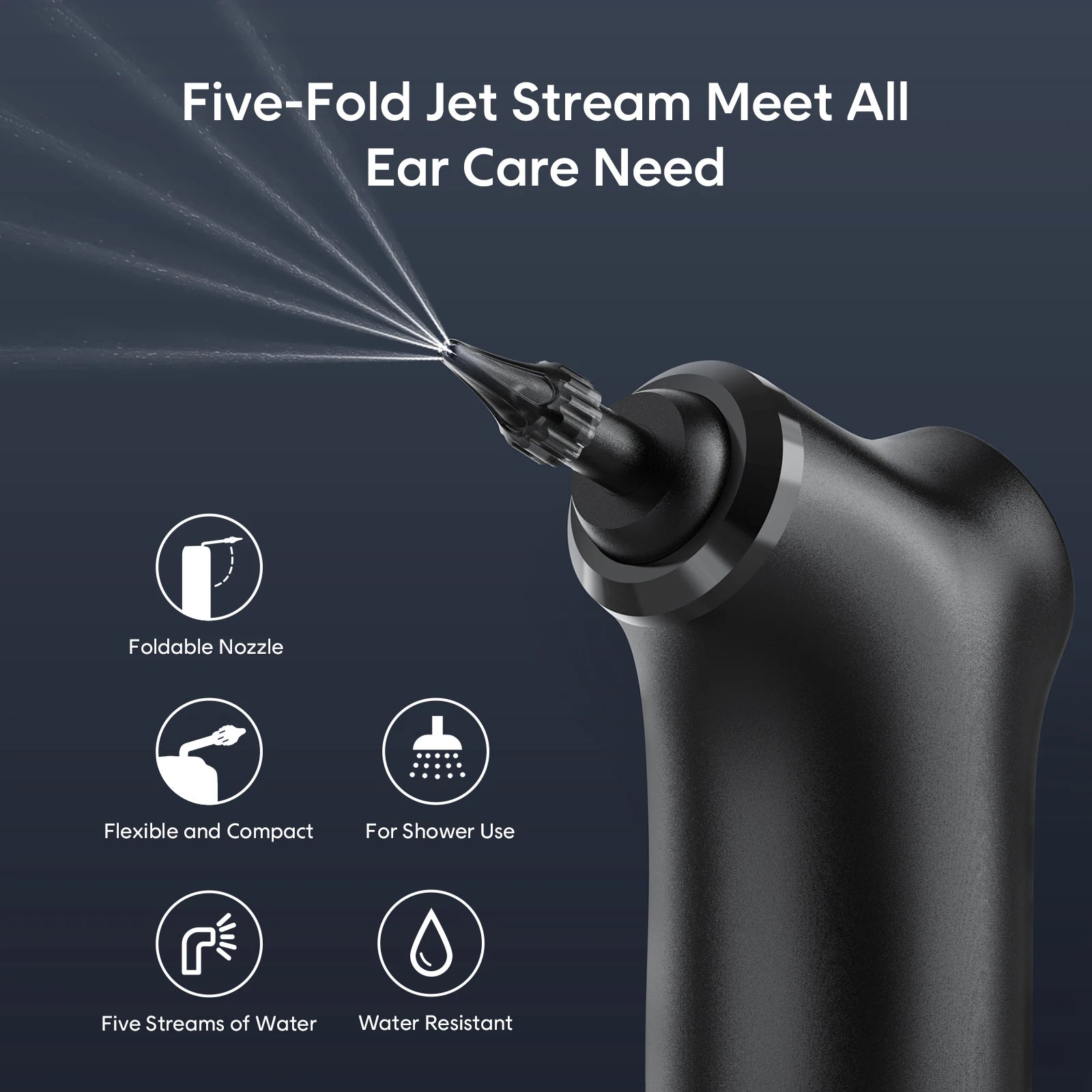
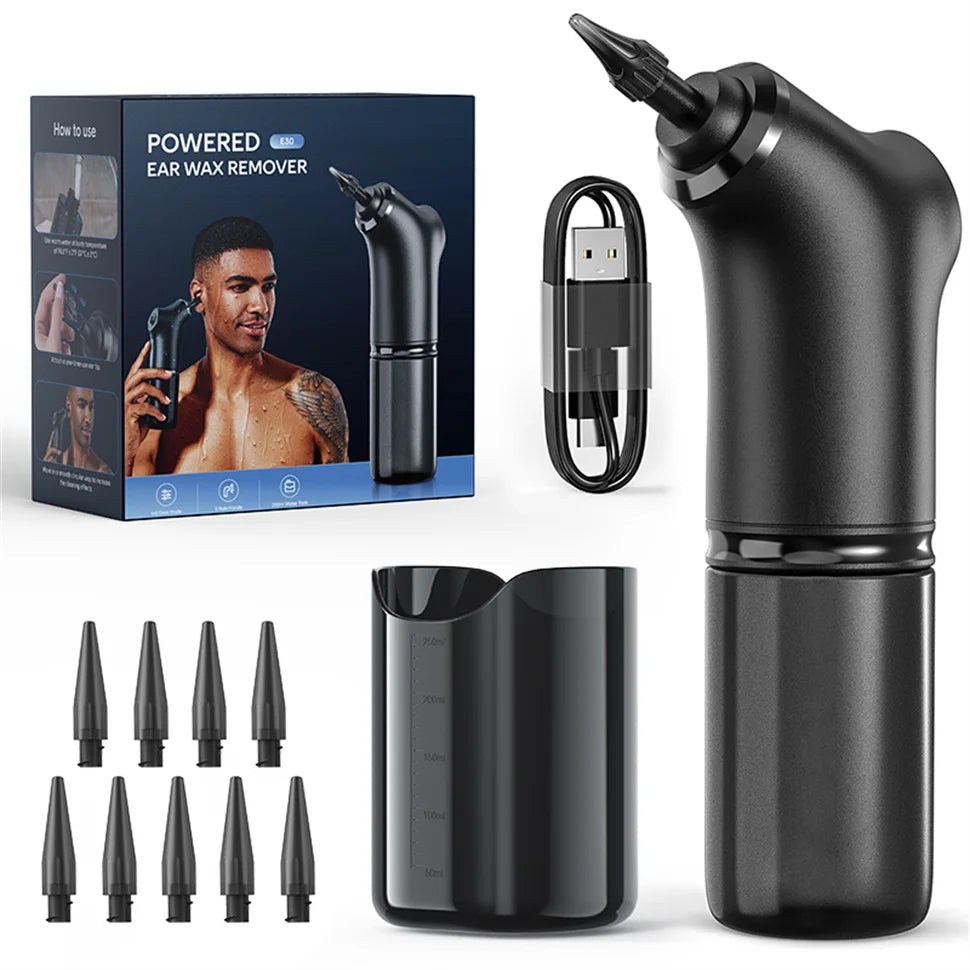
KentDO Electric Ear Cleaner is designed to support gentle earwax removal with controlled flow, helping reduce discomfort while avoiding excessive pressure.
For readers interested in broader self-care tools, you may also explore options within Body Care and Health Devices or educational insights from the Beauty & Self-Care Blog .
What Results Can You Expect After Proper Ear Care?
When earwax is the cause of your symptoms, proper ear cleaning techniques often produce noticeable improvements shortly after excess wax is removed. However, results vary depending on the underlying cause of hearing changes.
- Improved hearing clarity if wax was blocking the ear canal.
- Reduced pressure or fullness in the affected ear.
- Less itching or irritation caused by impacted earwax.
- A lower likelihood of recurring blockage when healthy ear hygiene habits are maintained.
If symptoms fail to improve after appropriate ear care or become worse, the cause may be unrelated to earwax and should be assessed by a healthcare professional.
Clear sound, calm comfort—cleaning ear canals done right. See it in action.
Ear Hygiene Routine: How Often Should You Clean Your Ears?
A healthy ear hygiene routine focuses on maintaining the ears rather than cleaning them frequently. Because earwax naturally migrates outward, routine internal cleaning is unnecessary for most adults.
- Clean the outer ear gently during bathing with a soft washcloth.
- Use earwax-softening drops only when excess buildup causes symptoms or as recommended by a healthcare provider.
- Avoid routine insertion of cleaning devices into the ear canal.
- People who wear hearing aids or frequently use earbuds may benefit from periodic ear checks if wax buildup becomes recurrent.
Cleaning too often can remove the protective layer of earwax, leading to dryness, irritation, and unnecessary discomfort. A balanced approach helps support long-term ear health while reducing the risk of impacted earwax.
Quick FAQ
Is it safe to clean ear canals at home?
Yes, provided you use safe, gentle methods. Cleaning the outer ear with a soft cloth and using doctor-approved earwax-softening drops when needed are generally appropriate. If you have severe pain, drainage, sudden hearing loss, or a suspected eardrum injury, seek medical care instead of attempting home treatment.
What is the best way to clean ear canals safely?
The best way to clean ear canals safely is to let the ears' natural self-cleaning process work whenever possible. If earwax buildup causes symptoms, soften the wax with appropriate ear drops and clean only the outer ear. Avoid inserting objects into the ear canal.
How do you remove earwax safely at home?
Use earwax-softening drops as directed and allow the wax to migrate out naturally. Gentle irrigation may be appropriate for some adults without ear disease or a history of eardrum problems, but persistent blockage should be evaluated by a healthcare professional.
Can cleaning ears damage hearing?
Yes. Improper ear cleaning techniques can push wax deeper into the canal, irritate delicate tissue, or injure the eardrum. Temporary hearing changes caused by impacted earwax often improve after safe removal, but sudden or persistent hearing loss requires medical assessment.
Why do ears feel itchy after cleaning?
Itching commonly occurs when too much protective earwax has been removed, leaving the ear canal dry. It may also result from irritation, allergies, or skin conditions. If itching continues or is accompanied by pain or discharge, consult a healthcare provider.
How often should you clean your ears?
For most people, cleaning the outer ear during normal bathing is sufficient. Internal ear cleaning should be performed only when excess earwax causes symptoms or when recommended by a healthcare professional.
Why are ear canals self-cleaning?
The skin lining the ear canal naturally moves outward over time. Combined with jaw movements from talking and chewing, this process gradually carries old earwax and debris out of the ear without routine internal cleaning.
Should you remove earwax if you have no symptoms?
Usually not. Earwax plays an important protective role by trapping debris, lubricating the ear canal, and helping reduce the risk of irritation and infection. As long as it is not causing symptoms, it is best left alone.
Can hydrogen peroxide be used safely for earwax?
Hydrogen peroxide-based ear drops may help soften earwax for some people when used according to the product instructions. They should not be used if you have ear pain, drainage, a perforated eardrum, or recent ear surgery unless advised by a healthcare professional.
Who should not irrigate their ears at home?
Home irrigation is not recommended for people with a perforated eardrum, ear tubes, recent ear surgery, active ear infection, significant ear pain, or unexplained hearing loss. These individuals should seek professional evaluation.
Is ear cleaning different for children?
Yes. Children's ears are more delicate, and symptoms may be harder to recognize. Parents should avoid inserting objects into a child's ear and consult a healthcare professional if earwax causes hearing problems, discomfort, or repeated blockage.
How do hearing aids affect earwax buildup?
Hearing aids and earbuds can reduce the natural movement of earwax, making buildup more likely. Regular device cleaning and periodic ear examinations can help prevent impacted wax.
Can excessive ear cleaning cause infections?
Yes. Removing too much earwax strips away the ear's natural protective barrier, which may increase dryness, irritation, and the risk of infection.
What are the signs of impacted earwax versus an ear infection?
Impacted earwax commonly causes muffled hearing, fullness, and mild discomfort. Ear infections are more likely to involve significant pain, fever, drainage, redness, or worsening symptoms. If you are unsure of the cause, seek medical evaluation before attempting further ear cleaning.
Related Guide: How to Remove Earwax Safely at Home Step by Step













