

Why won’t clothes dry indoors?
Clothes won't dry indoors when water cannot evaporate from the fabric efficiently. The most common reasons are high indoor humidity, poor airflow, low room temperature, or clothes being hung too closely together. When moisture cannot escape into the surrounding air, fabrics remain damp for much longer than expected.
How evaporation works indoors
Every load of wet laundry releases moisture into the surrounding air. Warm, dry, moving air absorbs that moisture much faster than cool, humid, stagnant air. If your home already has high humidity, evaporation slows dramatically because the air has little capacity to hold additional water vapor.
Quick diagnosis: what's preventing clothes from drying?
- Clothes feel damp after 24 hours: Usually caused by high humidity or insufficient airflow.
- Laundry smells musty: Clothes stayed wet long enough for odor-causing bacteria and mildew to develop.
- Windows become foggy while drying: Excess moisture is building up indoors.
- Heavy fabrics stay wet while lighter items dry: Thick materials retain more water and need better airflow and spacing.
To dry clothes faster indoors, improve air circulation with a fan, reduce humidity by opening windows or using a dehumidifier when needed, and leave enough space between garments so air can reach every surface.
Clothes Won’t Dry Indoors? Causes, Fixes & Faster Drying Methods
⏱ 7 min read
Clothes not drying indoors can leave laundry damp, stiff, or smelling unpleasant—especially during winter, rainy weather, or in small apartments with limited ventilation. Understanding what slows evaporation makes it much easier to speed up drying, prevent musty odors, and protect your indoor air quality.
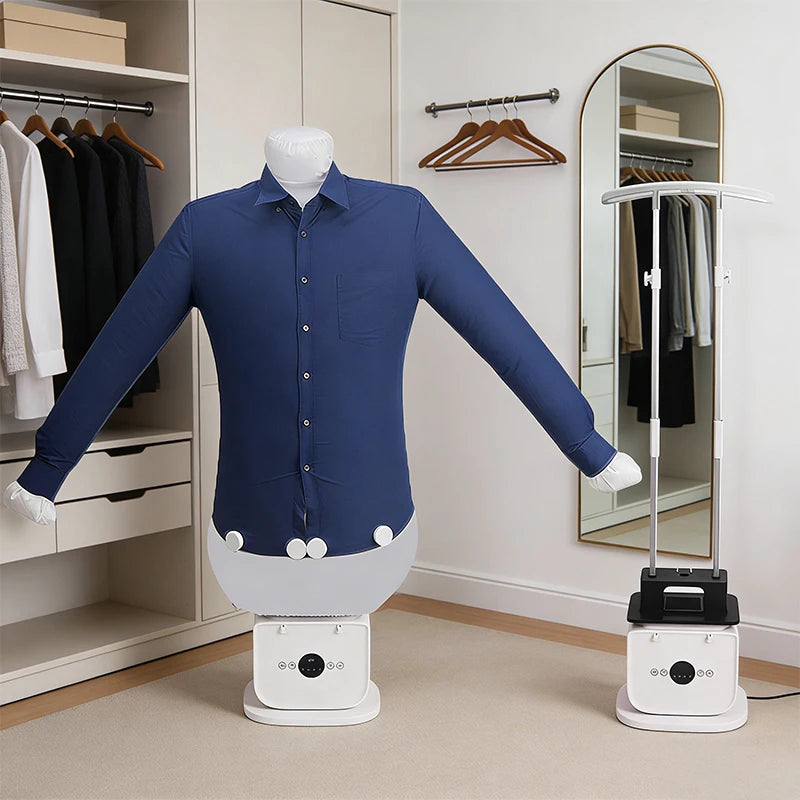
Clothes not drying indoors? See practical solutions in action.
The Real Reasons Clothes Don’t Dry Indoors (Backed by Science)
Indoor drying depends on three environmental conditions—humidity, airflow, and temperature—as well as how your laundry is washed and hung. Identifying which factor is limiting evaporation helps you choose the most effective solution instead of relying on trial and error.
High Humidity Slows Evaporation
Humidity has the greatest impact on indoor drying time. When relative humidity is high, the surrounding air cannot absorb much more moisture, so water remains trapped in fabrics. This is why clothes often dry much more slowly during rainy weather or inside poorly ventilated homes.
Poor Airflow Traps Moisture
Still air creates a layer of moisture around each garment. Without continuous air movement, evaporation slows because humid air stays in contact with the fabric instead of being replaced by drier air. Even a small fan can noticeably improve drying performance.
Low Temperature Reduces Drying Speed
Warm air can hold more moisture than cold air. Drying clothes in a comfortably heated room generally shortens drying time compared with an unheated garage, basement, or cold utility room.
Fabric Type, Load Size and Spin Cycle Matter
Heavy fabrics such as towels, hoodies, bedding, and jeans absorb more water than lightweight synthetic clothing. Large laundry loads and a weak washing machine spin cycle also leave extra moisture in garments, increasing the time needed for indoor drying. Running a high-speed final spin before hanging clothes can significantly reduce drying time.
How Long Should Clothes Take to Dry Indoors?
Most clothes dry indoors within 6 to 24 hours , but the exact time depends on fabric thickness, room temperature, humidity, and airflow. Well-ventilated rooms with moving air typically produce much faster results than enclosed spaces.
- Lightweight clothing (T-shirts, sportswear, thin synthetics): 4–8 hours
- Medium-weight garments (shirts, dresses, cotton tops): 8–12 hours
- Heavy fabrics (jeans, towels, sweatshirts, bedding): 12–24+ hours
If clothes are still damp after a full day, the problem is usually excessive indoor humidity, inadequate ventilation, overcrowded drying racks, or garments retaining too much water after washing. Addressing those factors is often more effective than simply waiting longer.
How to Dry Clothes Faster Indoors (Step-by-Step Fixes)
If you're drying wet clothes indoors, making a few small changes to your setup can significantly reduce drying time. Follow these steps in order for the greatest improvement.
Improve Airflow
Air movement is one of the fastest ways to speed up indoor drying. Position a fan so it blows across—not directly into—the drying rack. Constant airflow removes the humid layer surrounding each garment, allowing moisture to evaporate more quickly.
Lower Indoor Humidity
Open a window when outdoor conditions are dry, switch on an exhaust fan, or use a dehumidifier if indoor humidity remains high. Lower humidity allows fabrics to release moisture more efficiently and reduces the risk of musty odors.
Increase Warmth Safely
Dry clothes in a comfortably heated room whenever possible. Moderate warmth accelerates evaporation, but avoid placing garments directly on radiators, space heaters, or other heat sources, as excessive heat may damage delicate fabrics or create a fire hazard.
Hang Clothes Correctly
Spread every garment fully and leave several centimeters of space between items. Hang sleeves, pant legs, and towels open rather than folded over themselves so both sides are exposed to moving air. A drying rack generally provides better airflow than chairs, doors, or crowded clothes hangers.
Best Ways to Air Dry Clothes Inside Without Smell
When clothes stay damp for too long, bacteria and mildew can multiply, causing unpleasant odors. The key to keeping laundry fresh is reducing the amount of time fabrics remain wet.
Prevent Mildew
- Hang clothes immediately after the wash cycle finishes.
- Keep air circulating with a fan whenever possible.
- Avoid drying laundry in sealed, poorly ventilated rooms.
- Wash with the recommended amount of detergent and rinse thoroughly.
- Aim to have most clothing completely dry within 24 hours.
Dry Towels and Thick Fabrics Properly
Towels, hoodies, blankets, and jeans retain much more water than lightweight garments. Hang them individually with extra spacing, turn them halfway through drying if needed, and avoid layering thick items on the same rack.
Store Only Fully Dry Clothes
Before folding or putting laundry away, check seams, waistbands, cuffs, and thicker sections for hidden moisture. Storing slightly damp clothes can quickly lead to stale odors and mildew, even if the fabric feels mostly dry.
If clothes already have a musty smell, rewash them promptly and dry them again using better airflow and ventilation rather than simply leaving them on the rack longer.
Best Ways to Improve Airflow Indoors
Fan Placement
Place a fan approximately 1 to 2 meters from the drying rack so air moves across every garment. Oscillating fans often provide more even airflow than fixed-position fans because they circulate air over the entire rack.
Cross-Ventilation
When weather allows, open a window or door to create a steady path for humid air to leave the room. Combining natural ventilation with a fan usually dries clothes faster than relying on still indoor air alone.
Spacing and Rack Position
Use a drying rack that allows clothes to hang freely instead of draping garments over furniture. Position the rack away from walls and corners where air circulation is limited, and avoid overcrowding so every item receives consistent airflow.
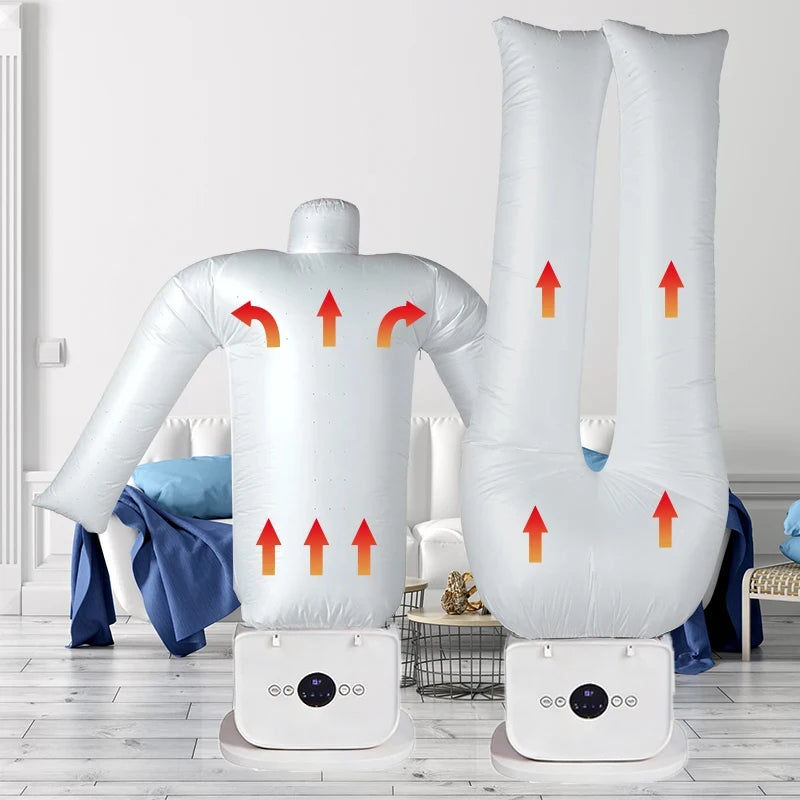
Air drying clothes indoors works best with smart airflow. See it in action.
How to Reduce Indoor Humidity When Drying Clothes
Natural Ventilation
Reducing indoor humidity allows moisture to evaporate from fabrics more efficiently. If outdoor conditions are dry, open windows or doors to let humid air escape while bringing in fresh air. Running an exhaust fan in a nearby bathroom or kitchen can also help remove excess moisture.
- Open windows when the outside air is drier than indoors.
- Use an exhaust fan to improve air exchange.
- Dry laundry in the largest, best-ventilated room available.
Using a Dehumidifier
If indoor humidity regularly stays above 60%, a dehumidifier can significantly shorten drying times by removing moisture from the air. It is especially useful during rainy seasons, winter, or in apartments where opening windows is not practical.
When a Heated Drying Rack Helps
A heated drying rack can be helpful for households that frequently air dry laundry indoors. It provides gentle, even warmth that speeds evaporation without exposing clothing to the high temperatures used by conventional tumble dryers. It works best when combined with good ventilation or a dehumidifier.
For more ways to manage indoor moisture and comfort, explore tools in the Lifestyle collection.
Common Indoor Drying Mistakes
Many cases where clothes won't dry are caused by simple setup mistakes rather than the weather itself. Correcting these issues can noticeably improve drying performance.
Overloading Drying Racks
Packing too many garments onto one rack blocks airflow and traps moisture between fabrics. Dry fewer items at a time and leave space around each piece of clothing.
Poor Spinning Before Hanging
If clothes leave the washing machine holding excessive water, indoor drying will take much longer. Use the highest safe spin speed for the fabric before transferring laundry to the drying rack.
Drying in Closed Rooms
Keeping doors and windows shut without any ventilation allows humidity to build up quickly. Even a small amount of fresh air or mechanical ventilation helps moisture leave the room.
Stacking Thick Fabrics
Avoid folding towels over rails or hanging heavy garments directly against one another. Thick fabrics dry more evenly when they are fully unfolded and exposed to circulating air.
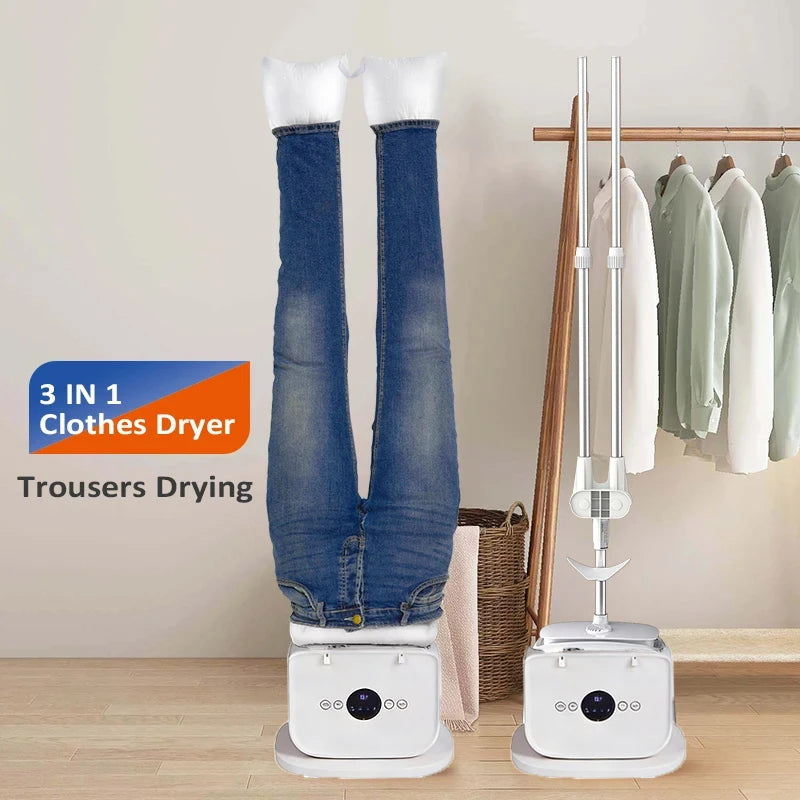
Drying wet clothes indoors made easy. See results for yourself.
Best Indoor Drying Methods by Room and Season
Apartments
Compact homes benefit from vertical drying racks, continuous airflow, and drying smaller loads to prevent excess humidity from building up indoors.
Bathrooms
Bathrooms are convenient only if an exhaust fan can remove moisture effectively. Otherwise, they often remain too humid for efficient drying.
Laundry Rooms
A dedicated laundry room with ventilation, moderate warmth, and adequate space between garments generally provides the fastest air-drying conditions.
Winter vs Summer
Winter drying often takes longer because windows stay closed and outdoor temperatures are lower. During summer, natural ventilation usually improves drying unless humidity is exceptionally high. Adjust airflow and humidity control based on seasonal conditions for the best results.
When Extra Drying Equipment Is Worth It
Natural air drying works well in many homes, but extra equipment can save time when you regularly deal with high humidity, limited space, or frequent laundry loads. The right solution depends on your home environment and how often clothes won't dry indoors.
Portable Dryers
A portable dryer is a practical choice for apartments, shared accommodation, RVs, and homes without a full-size tumble dryer. Models that combine gentle heat with continuous airflow can shorten drying times while taking up minimal floor space.
- Reliable drying regardless of outdoor weather
- Helps reduce musty odors caused by prolonged dampness
- Makes it easier to keep up with multiple laundry loads
- Suitable for small living spaces
Recommended option: Portable Clothes Dryer — designed for efficient indoor use with minimal space.
Heated Drying Racks
Heated drying racks provide gentle warmth and are ideal for delicate garments, smaller loads, or households that regularly air dry clothes. They generally work best when paired with good ventilation or a dehumidifier.
Dehumidifiers
If excess indoor moisture is the primary problem, a dehumidifier often provides the greatest improvement. It lowers room humidity, helping clothes dry faster while reducing condensation and the risk of mold growth.
FAQ: Clothes Not Drying Indoors
Why do clothes smell when drying indoors?
Clothes develop musty odors when they remain damp for too long, allowing bacteria and mildew to multiply. Improving airflow, lowering humidity, and ensuring garments dry completely helps prevent unpleasant smells.
Is air drying clothes indoors bad for health?
Air drying clothes indoors is generally safe, but it can raise indoor humidity. Without adequate ventilation, excess moisture may encourage mold growth and reduce indoor air quality. Good airflow minimizes these risks.
How long does it take to dry clothes inside?
Most clothing dries within 6 to 24 hours, depending on fabric type, room temperature, humidity, and air circulation. Thick items such as towels and jeans usually require the longest drying time.
How to air dry clothes inside without smell?
Hang laundry immediately after washing, leave space between garments, maintain steady airflow, and keep indoor humidity under control so clothes dry as quickly as possible.
Why are my clothes still damp after 24 hours indoors?
Clothes that remain damp after a full day are usually affected by high humidity, poor ventilation, overcrowded drying racks, or too much water remaining after the spin cycle. Improving one or more of these factors typically solves the problem.
What indoor humidity is best for drying clothes?
Indoor humidity below about 60% generally provides better drying conditions. Lower humidity allows moisture to evaporate from fabrics more efficiently.
Do fans dry clothes faster than opening windows?
A fan increases airflow around clothing, while open windows help remove humid air. Using both together often produces the fastest indoor drying results when outdoor conditions are suitable.
Why do towels take longer to dry indoors?
Towels have thick, absorbent fibers that retain significantly more water than lightweight clothing. They also need extra spacing and consistent airflow to dry evenly.
Can drying clothes indoors cause mold?
It can contribute to mold growth if excess moisture accumulates in poorly ventilated rooms. Proper ventilation, airflow, and humidity control greatly reduce this risk.
Should I dry clothes in the bedroom?
It is generally better to dry clothes in a well-ventilated room. If you must use a bedroom, open a window when possible or use a fan or dehumidifier to prevent excess humidity from building up.
Related Guide: How to Dry Clothes Fast Indoors Step by Step













