

Why do clothes smell musty after drying? (Quick answer + diagnosis)
Clothes smell musty after drying because odor-causing bacteria, residue, or trapped moisture remain in the fabric or laundry system. Drying does not always remove an odor that developed during washing or while clothes stayed damp. If laundry dries slowly, a dirty washer or dryer can also transfer musty smells back onto otherwise clean clothes.
Start by identifying where the smell begins:
- Smells bad immediately after washing: the washer, detergent buildup, or the wash cycle may be the source.
- Smells fine when wet but becomes musty after drying: slow drying, high humidity, or trapped moisture is more likely.
- Only some loads smell: thick fabrics, towels, sportswear, or detergent residue may be holding onto odor.
- Clothes smell after using the dryer: check the lint filter, airflow, dryer interior, and whether the odor was already trapped in the fabric.
Start by identifying where the smell begins
The fastest way to fix clothes that smell after drying is to find the stage where the odor appears. Smell the clothes immediately after the wash cycle, then again after they are fully dry. This simple comparison helps separate a washing problem from a drying problem.
Quick diagnostic checklist
- Musty before drying: inspect the washer and review detergent use.
- Musty only after air drying: improve airflow and reduce drying time.
- Musty only after machine drying: check the dryer and its airflow system.
- Musty only in thick fabrics: make sure the inside of the fabric dries completely.
- Musty after repeated rewashing: persistent residue or appliance contamination may be involved.
Clothes Smell Musty After Drying? Fix It for Good
Clothes smell musty after drying is one of the most frustrating laundry problems—you wash carefully, use detergent, and yet that damp odor lingers. Whether you're dealing with air drying clothes humidity or struggling during rainy weather, the real solution is not masking odors—it’s identifying where the smell begins, removing the source, and drying laundry completely.
⏱ 8 min read
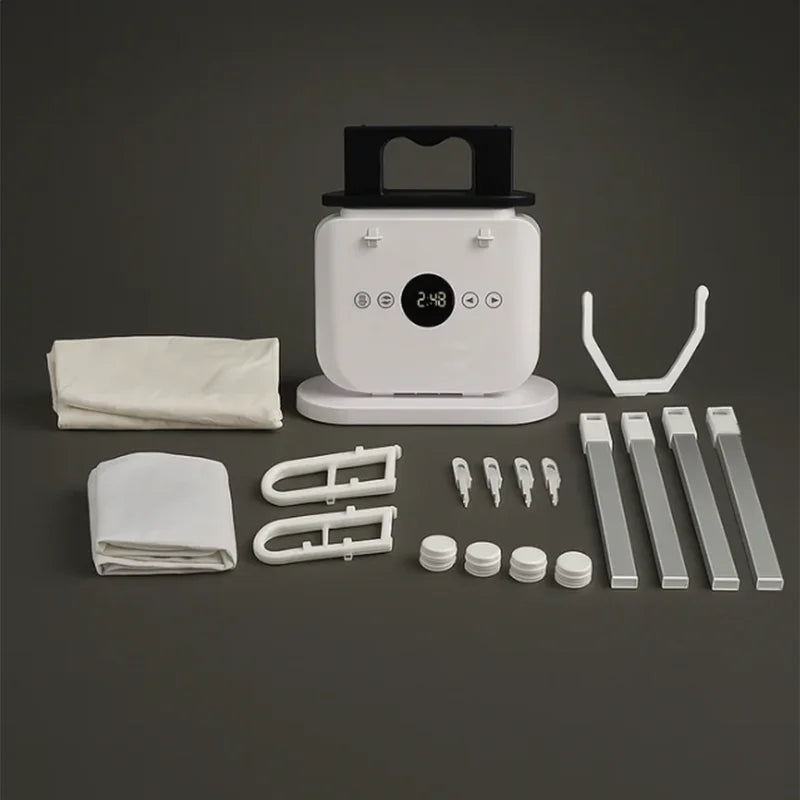
Musty smell in clothes after drying often starts with trapped moisture
Identify the source of the odor before fixing it
When laundry smells bad after drying, it is easy to assume the drying method is the problem. However, the odor may have started in the washing machine, developed during slow drying, or become trapped in fabric because of residue. Matching the symptom to the likely source helps you avoid treating the wrong problem.
Washer-related signs
- Clothes already smell sour or musty when removed from the washer.
- The smell affects most loads, not just thick fabrics.
- The washer drum, rubber seal, or detergent drawer smells unpleasant.
- Odor returns even after clothes are dried quickly.
Dryer-related signs
- Clothes smell normal before entering the dryer but develop an odor afterward.
- The dryer has a stale smell when empty.
- Clothes take longer than usual to dry.
- The lint filter or airflow path is heavily coated with lint and residue.
Indoor drying and humidity signs
- Clothes smell worse during rainy or humid weather.
- Drying takes many hours in a closed room.
- The room feels damp while laundry is drying.
- Garments hanging close together remain damp in the middle or along thick seams.
Fabric and detergent buildup signs
- Only towels, gym clothes, synthetic fabrics, or thick garments smell.
- The odor returns quickly after washing.
- Clothes feel coated, waxy, or less absorbent than usual.
- Using more detergent seems to make the problem worse.
The real reasons clothes smell after drying
Clothes can smell after drying for several connected reasons. The main problem is usually a combination of organic residue, microbes, excess product buildup, and moisture that remains in the fabric or appliance for too long.
Washing machine mildew and biofilm
A washing machine can develop buildup in areas that stay damp, including seals, detergent drawers, drains, and hidden internal components. This residue can contribute to recurring odors and transfer unpleasant smells to laundry during the wash cycle.
If clothes smell musty before they are dried, cleaning the washer is often a more important first step than changing the drying method.
Detergent and fabric softener buildup
Using more detergent does not necessarily make clothes cleaner. Excess product can remain in fabric and combine with body oils, dirt, and moisture. Fabric softener can also leave a coating that makes some fabrics less absorbent and more likely to hold onto odors.
Use the amount recommended for the load size, soil level, water conditions, and detergent instructions. Overloading the machine can also prevent proper rinsing, leaving residue behind.
Slow drying and trapped moisture
Even freshly washed clothes can develop a musty smell if they remain damp for too long. Thick towels, denim, layered garments, and dense fabrics may feel dry on the outside while retaining moisture in seams, folds, and inner layers.
The longer damp fabric remains in a warm, humid environment, the greater the chance that unwanted odors will return.
Poor dryer airflow and overloaded loads
If clothes smell after drying in a dryer, poor airflow may be part of the problem. An overloaded drum prevents warm air from circulating evenly, while a clogged lint filter or restricted vent can slow moisture removal.
A dryer may also fail to remove an odor that was already embedded in the fabric. In that case, improving the appliance alone will not solve the problem; the affected clothes may need to be washed again.
Why clothes smell worse after air drying or indoors
Air dry clothes can smell bad when moisture evaporates too slowly. Indoor drying is especially challenging when the room has high humidity, limited ventilation, or too many garments packed closely together.
High humidity
When the surrounding air already contains a lot of moisture, water evaporates from fabric more slowly. This is why laundry may take much longer to dry during rainy weather or in humid rooms.
Poor ventilation
As clothes release moisture, the air around them becomes more humid. Without ventilation, that damp air can remain trapped around the laundry and slow further evaporation.
Drying clothes too close together
Closely packed garments block airflow and create damp areas between layers. Leave space between items, spread thick fabrics open where possible, and reposition garments during long indoor drying sessions.
To stop clothes smelling damp when drying indoors, combine faster evaporation with better air circulation. A fan, ventilation, or dehumidification can help reduce the amount of time fabric stays damp.
How to fix clothes smell musty after drying
The best fix depends on where the odor originates. Use the following steps to address the most common causes of clothes that stink after drying.
Clean the washing machine
- Remove visible residue from the rubber seal, detergent drawer, and accessible surfaces.
- Run the washer's cleaning cycle or follow the appliance manufacturer's cleaning instructions.
- Leave the door or lid open after washing when appropriate so the interior can dry.
- Use the correct detergent amount instead of adding extra product to mask odors.
- Run an additional rinse when residue or excessive suds are a recurring problem.
Do not mix household cleaning chemicals. If using a commercial washing machine cleaner, follow its label directions and the washer manufacturer's instructions.
Improve drying speed
- Remove clothes from the washer as soon as the cycle ends.
- Use the highest appropriate spin setting for the fabric and garment-care instructions.
- Space clothes apart on a drying rack.
- Improve airflow with ventilation or a fan.
- Use dehumidification when indoor humidity is slowing evaporation.
Remove odors already trapped in fabric
- Check the care label before choosing a wash temperature or treatment.
- Rewash affected clothes rather than simply adding fragrance to cover the odor.
- Use the correct amount of detergent and an appropriate rinse cycle.
- For persistent odors, use a laundry product specifically designed for odor removal and follow its label directions.
- Dry the garment completely before storing it.
Restore fresh-smelling laundry
If clothes still smell musty after one complete wash and dry cycle, inspect the appliance and the fabric rather than repeatedly adding more detergent. Persistent odors may require a deeper appliance clean, a different wash approach, or professional inspection if an appliance has a drainage or airflow problem.
How to clean and maintain your washer and dryer
Regular appliance maintenance helps prevent recurring laundry smells bad after drying. A clean washer reduces odor transfer, while a well-maintained dryer can remove moisture more efficiently.
Washer maintenance schedule
- After washing: remove wet laundry promptly and allow appropriate parts of the washer to dry.
- Regularly: wipe accessible seals, detergent compartments, and areas where residue collects.
- Monthly or as recommended: run the appliance's cleaning cycle or use an approved washer cleaner according to the manufacturer's instructions.
- When odors persist: check filters, drains, and hidden areas according to the appliance manual.
Dryer vent and lint filter care
- Clean the lint filter regularly according to the appliance instructions.
- Keep the dryer airflow path clear of accumulated lint.
- Inspect the vent system as recommended for the appliance and installation.
- Do not overload the dryer because crowded loads dry unevenly.
- If drying times suddenly become much longer, investigate restricted airflow or an appliance issue.
The fastest way to dry clothes without odors
Reducing the time clothes remain damp is one of the most practical ways to prevent a damp clothes smell. The goal is not simply to make the surface feel dry; thick areas, seams, and folded sections should also be completely dry before storage.
Indoor drying tips
- Remove laundry from the washer immediately after the cycle ends.
- Shake out garments before hanging them to separate layers.
- Leave space between clothes instead of overcrowding a drying rack.
- Turn thick garments and pockets outward where appropriate.
- Keep laundry away from poorly ventilated corners and enclosed humid rooms.
Using airflow and dehumidification
Air movement helps replace the humid air surrounding wet fabric, while dehumidification can reduce moisture in the room. Together, these methods can make indoor drying more consistent, particularly during rainy weather.
Knowing when clothes are fully dry
Check thick seams, waistbands, cuffs, pockets, and areas where fabric overlaps. A garment can feel dry on the outside while still holding moisture in these areas. Do not fold or store laundry until all parts are fully dry.
For a simple all-in-one solution, a portable clothes dryer removes moisture quickly without relying on weather.
- Ideal for apartments
- Works in high humidity
- Useful during rainy seasons
- Can help reduce prolonged dampness when used according to the manufacturer's instructions
For those upgrading their home routines, exploring smart home essentials in the Lifestyle collection can elevate everyday comfort.
Prevention checklist
After every wash
- Remove wet laundry promptly.
- Do not leave damp clothes sitting in the washer.
- Use the correct amount of detergent.
- Separate heavily soiled or strongly scented laundry when appropriate.
- Dry thick fabrics completely before folding.
Weekly maintenance
- Check for lint, residue, or visible buildup around laundry appliances.
- Clean accessible washer surfaces and detergent compartments as needed.
- Inspect drying areas for poor airflow or excessive humidity.
- Wash towels and gym clothes according to their care requirements rather than allowing them to remain damp.
Monthly maintenance
- Run the washer cleaning cycle or approved maintenance routine.
- Check dryer lint and airflow components according to the appliance instructions.
- Inspect drying racks and storage areas for moisture buildup.
- Review whether longer drying times indicate a ventilation or appliance problem.
Common laundry mistakes that trap odors
Leaving wet laundry too long
Wet laundry left in the washer can develop an unpleasant odor before drying even begins. Remove it promptly and rewash if it already smells stale or musty.
Overloading machines
Overloaded washers may not clean or rinse effectively, while overloaded dryers may circulate air poorly. Follow the appliance's recommended load capacity.
Using too much detergent
Extra detergent can leave residue that traps oils, dirt, and moisture. More product is not always a more effective solution for odor problems.
Storing clothes before fully dry
Folding or storing slightly damp clothes can trap moisture in layers and create a musty smell later. Check thick seams, pockets, cuffs, and folded areas before putting laundry away.
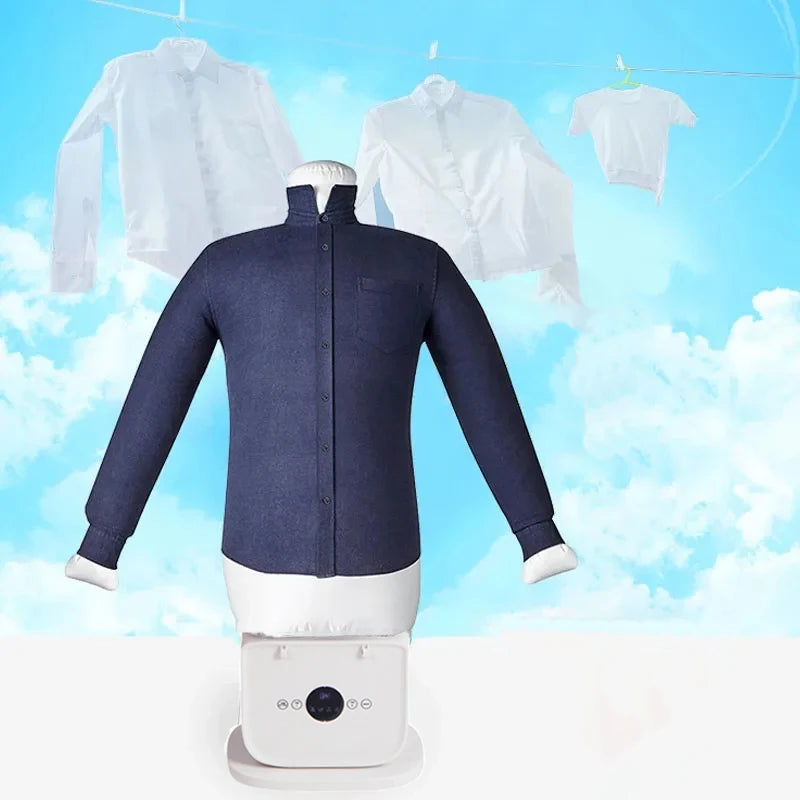
Stop clothes smell musty after drying with smarter drying
Quick FAQ
Why do my clothes smell bad after air drying?
Clothes can smell bad after air drying when they remain damp for too long, especially in high humidity or areas with poor ventilation. Improve airflow, space garments apart, and reduce drying time.
Why do clothes smell bad after drying in the dryer?
Clothes may smell bad after drying in a dryer because the odor was already trapped in the fabric, the dryer has buildup, airflow is restricted, or the load was too large to dry evenly.
Why do clothes smell like mildew after drying?
A mildew-like smell can develop when odor-causing residue or microbes remain in the fabric or washer and the clothes stay damp for too long. Rewash affected items, clean the appliance, and dry the clothes completely.
Can detergent buildup make clothes smell after drying?
Yes. Excess detergent can leave residue that traps oils, dirt, and moisture, making clothes more likely to retain odors. Using the correct amount and ensuring thorough rinsing can help.
How do I stop clothes smelling damp when drying indoors?
Remove laundry promptly, increase airflow, leave space between garments, reduce indoor humidity when possible, and use a faster drying method when weather or room conditions slow evaporation.
Why do clean clothes smell musty after drying?
Clean clothes can still smell musty after drying if the washer transfers odor, detergent residue remains, the fabric dries too slowly, or moisture is trapped inside thick sections of the garment.
Should I rewash clothes that still smell musty after drying?
Yes. If clothes still smell musty after drying, rewash them using an appropriate cycle and detergent amount, then dry them completely. If the odor keeps returning, inspect and clean the washer or dryer instead of repeatedly washing the same load without addressing the source.
Related Guide: How to Dry Clothes Fast Indoors Step by Step













