

Does heating a cold bedroom actually work?
Yes—heating a cold bedroom works when you combine heat input with heat retention. If warm air escapes through drafts, poor insulation, or gaps, the room will feel cold again quickly. The most effective approach is layered: seal heat loss first, then add controlled heating.
How heat retention works in a bedroom
Warm air rises and escapes through weak points like windows, doors, and thin walls. Heat stays inside when it’s trapped by insulation, fabrics, and sealed airflow paths. Without these, even powerful heaters struggle to maintain comfort.
Why insulation matters as much as heating
Insulation reduces how quickly heat escapes. A well-sealed room needs less energy to stay warm, making heating faster, cheaper, and more consistent overnight.
Common misconceptions about heating small rooms
Many assume a stronger heater solves everything. In reality, most cold bedroom problems come from heat loss—not lack of heating power. Fixing leaks often improves warmth more than upgrading the heater.
How to Keep a Cold Bedroom Warm: Practical Winter Heating Guide
Cold bedroom winter heating problems don’t just affect comfort—they disrupt sleep, mood, and daily energy. If your cold bedroom never seems to warm up and the room cold in winter leaves you piling on blankets, you’re not alone. The good news? With smart, proven steps and the right tools, you can create a cozy, restful space without wasting money.
⏱ 6 min read

Cold bedroom winter heating starts with smart heat control
Why your bedroom stays cold in winter
Bedrooms often lose heat faster than other rooms due to structure, airflow, and placement in the home.
Heat loss through windows, walls, and floors
Single-pane glass, thin walls, and uninsulated floors allow constant heat escape—especially overnight.
Poor insulation and airflow issues
Small gaps around doors, windows, and outlets create drafts that replace warm air with cold air.
Why bedrooms are colder than other rooms
Bedrooms are often located on exterior walls, receive less airflow from central heating, and are used differently than living spaces.
How to identify the main source of heat loss
- Feel for cold air near windows and doors
- Check floors for cold spots
- Notice uneven temperatures across the room
- Look for condensation on windows (sign of poor insulation)
Quick ways to warm a cold bedroom fast
You can improve warmth within minutes using simple, no-cost actions.
Immediate fixes you can apply tonight
- Close doors and windows tightly
- Add thick curtains
- Lay rugs over cold floors
- Block drafts with towels
Close drafts and trap warm air
Even small gaps can drop room temperature quickly. Blocking airflow helps heat build up instead of escaping.
Fast temperature-boosting techniques
- Preheat your room before bedtime
- Use layered bedding
- Keep doors closed to concentrate heat
Seal hidden heat leaks to feel warmer fast
Sealing air leaks is the fastest way to improve warmth without increasing energy use.
Draft-proofing windows and doors
Use weatherstripping, adhesive seals, or draft stoppers to block airflow.
Identifying air leaks
Check around frames, outlets, and vents. Any noticeable airflow means heat is escaping.
Low-cost sealing methods
- Door draft blockers
- Window seal tape
- Foam insulation strips
Use fabrics and bedding to retain heat overnight
Soft materials act as insulation, slowing heat loss and improving comfort instantly.
Thermal curtains and rugs
These block cold surfaces and reduce heat escape through windows and floors.
Warmer bedding layers
Layered blankets trap body heat and maintain consistent warmth during sleep.
Electric blankets and heated mattress pads safely
These provide targeted warmth with low energy use. Always choose models with auto shut-off and safety certification.
Many readers exploring comfort upgrades also browse Lifestyle collections for cozy essentials.
Cheap vs long-term ways to keep a bedroom warm
Low-cost vs high-investment solutions
- Low-cost: curtains, rugs, draft blockers
- Medium-cost: portable heaters
- High-cost: insulation upgrades
Which options give the best ROI
Sealing drafts and improving insulation deliver the highest long-term savings.
When insulation upgrades are worth it
If your room loses heat daily, investing in insulation or window upgrades provides lasting results.
Choose the right bedroom heating solution
Portable heaters with thermostats
These maintain stable temperatures and reduce energy waste.
Central heating adjustments
Balancing vents and airflow can improve bedroom warmth without extra devices.
Radiant vs convection heating
Radiant heaters warm objects directly, while convection heaters warm air. Small bedrooms benefit from controlled convection heating.
Selecting the right heater size
Match heater power to room size. Oversized heaters waste energy, while undersized ones struggle to maintain warmth.
For safe, compact warmth, many users choose a portable electric fan heater designed for bedrooms and small spaces.

Consistent heat makes a bedroom feel warm all night
How to use a heater safely and efficiently at night
Placement and ventilation tips
Keep heaters away from fabrics and ensure proper airflow.
Timer and thermostat settings
Preheat your room, then rely on thermostat control overnight.
Common safety mistakes to avoid
- Placing heaters near bedding
- Blocking airflow
- Running unsafe heaters unattended
Renters vs homeowners: best ways to heat a cold bedroom
Non-permanent solutions for renters
- Thermal curtains
- Portable heaters
- Rugs and bedding
Structural upgrades for homeowners
- Insulation improvements
- Window upgrades
- Heating system upgrades
Energy-saving habits that keep rooms warm longer
Daily habits that reduce heat loss
- Close doors and curtains
- Seal gaps
- Minimize airflow
Smart heating behavior
Maintain steady temperatures instead of frequent high heating bursts.
Balancing comfort and cost
Combine insulation, targeted heating, and consistent habits.
Cost and effectiveness comparison of bedroom warming methods
| Method | Cost | Effectiveness | Energy Impact |
|---|---|---|---|
| Draft sealing | Low | High | Reduces usage |
| Rugs & curtains | Low | Medium | Improves retention |
| Portable heater | Medium | High | Moderate usage |
| Insulation upgrade | High | Very high | Long-term savings |
Bedroom warming checklist
Tonight
- Close all drafts
- Add layers to bedding
- Preheat room
This weekend
- Install draft seals
- Add curtains or rugs
- Optimize heater placement
Long-term improvements
- Upgrade insulation
- Improve windows
- Optimize heating system
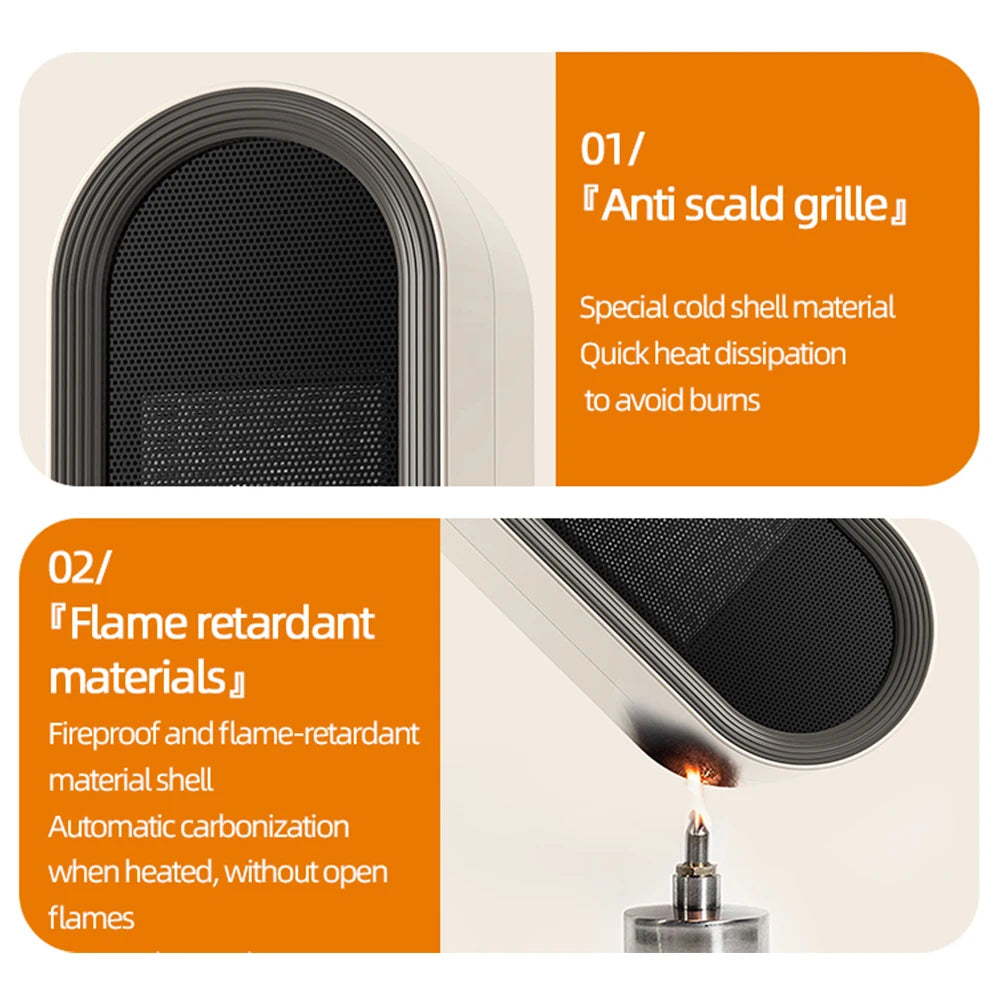
Simple steps can transform a cold bedroom into a warm space
Frequently asked questions
Why is my bedroom colder than the rest of the house?
Bedrooms often have more exterior exposure, less airflow, and weaker insulation.
What is the cheapest way to keep a bedroom warm in winter?
Sealing drafts and using curtains or rugs provides the best low-cost improvement.
Is it safe to leave a space heater on all night?
Yes, if it has safety features like thermostat and overheat protection.
Do thermal curtains really keep a bedroom warmer?
Yes, they reduce heat loss through windows significantly.
How can renters warm a cold bedroom?
Use non-permanent solutions like rugs, curtains, and portable heaters.
Should I heat the whole house or just my bedroom?
Targeted heating is usually more energy-efficient.
What temperature is best for sleeping during winter?
Between 16°C and 20°C for most people.
Related Guide: Quiet electric heater comparison: Which stays warm without noise













