

Why do I get cold feet while lying down?
Cold feet while lying down often happen because circulation naturally slows as your body prepares for sleep, especially in a cool room. Blood vessels in your hands and feet may narrow slightly to conserve core body heat, making your feet feel cold even under blankets. In most cases, simple warming habits restore comfort quickly, but persistent cold feet with pain, numbness, or color changes deserve medical evaluation.
How to Warm Cold Feet in Bed (Fast Fixes + Real Causes Explained)
If your feet are cold in bed at night, you're not alone. Many people struggle with cold feet when sleeping, even under thick blankets, making it harder to fall asleep and stay comfortable. The good news is that you can warm up your feet quickly with simple, evidence-based strategies—and prevent the problem long-term once you understand why your feet are cold at night.
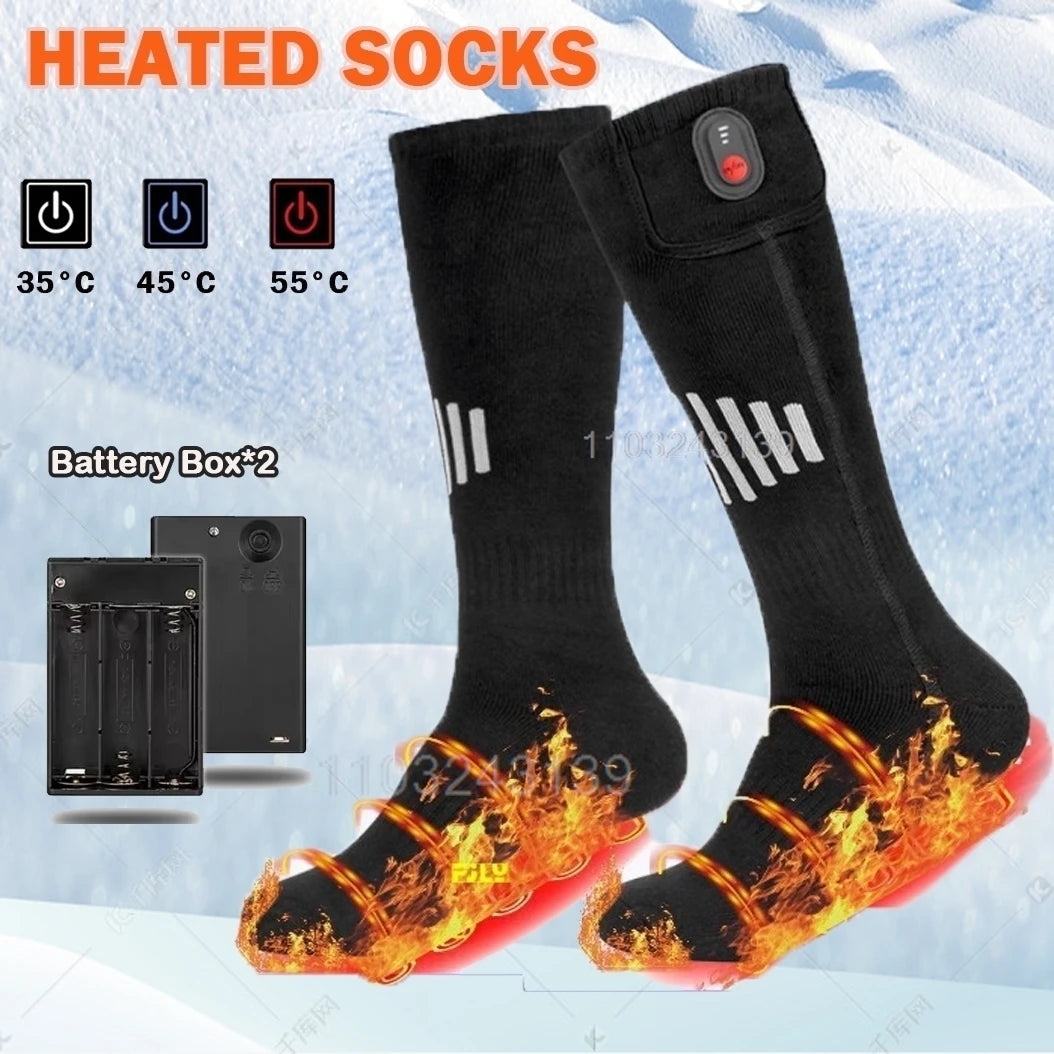
Cold feet while lying down can disrupt sleep — See it in action
Why Are My Feet Cold at Night?
Feet cold at night are often a normal response to your body's sleep cycle. However, environmental factors and certain medical conditions can make the sensation more noticeable. Understanding the difference helps you know when home remedies are enough and when it's time to seek medical advice.
Normal body temperature changes during sleep
As bedtime approaches, your core body temperature gradually falls to support healthy sleep. During this process, your body redistributes heat, and your feet may feel colder than the rest of your body. This explains why many people notice their feet are cold when sleeping but feel perfectly normal during the day.
Reduced circulation while lying down
Remaining still for long periods means your calf muscles aren't actively helping pump blood back toward your heart. While this doesn't usually cause poor circulation in healthy people, it can make naturally cool feet feel even colder—especially after a sedentary evening.
Cold bedroom or bedding
If your bedroom is cool or your bedding doesn't retain warmth efficiently, your feet lose heat faster than your core. This is also why your feet may feel cold under blankets if they were already cold before you got into bed. Blankets trap existing heat—they don't create new warmth.
When cold feet may indicate a medical condition
Occasional cold feet are common. However, if your feet are cold every night, especially with numbness, tingling, pain, skin color changes, slow-healing sores, or swelling, an underlying medical condition may be contributing to the problem.
Common Medical Causes of Cold Feet at Night
Poor circulation
Reduced blood flow is one of the most common reasons for cold feet in bed at night. Peripheral artery disease, heart disease, or long-standing vascular conditions can reduce blood reaching your feet, leaving them persistently cold regardless of blankets or room temperature.
Peripheral neuropathy and diabetes
Diabetes can damage nerves in the feet, a condition called peripheral neuropathy. Some people experience burning sensations, while others notice numbness or feet that constantly feel cold. Because reduced sensation increases the risk of unnoticed injuries, proper foot care is especially important.
Hypothyroidism and anemia
An underactive thyroid slows metabolism, making it harder for your body to generate heat. Anemia reduces oxygen delivery throughout the body, which can also contribute to cold hands and feet. Fatigue, pale skin, and reduced exercise tolerance often occur alongside these conditions.
Raynaud's phenomenon and other conditions
Raynaud's phenomenon causes small blood vessels in the fingers and toes to narrow excessively in response to cold temperatures or stress. Episodes often cause the toes to turn white or blue before becoming red as circulation returns. Other neurological or autoimmune disorders may also contribute to chronically cold feet.
How to Tell What May Be Causing Your Cold Feet
Although symptoms can overlap, looking at the full picture may help you understand what could be contributing to your cold feet. This comparison is not a substitute for medical diagnosis but may help guide a conversation with your healthcare provider.
| Possible Cause | Common Symptoms | Typical Risk Factors | What It May Suggest |
|---|---|---|---|
| Normal nighttime cooling | Cold feet only at bedtime | Cool bedroom, inactivity | Usually normal physiology |
| Poor circulation | Cold feet, leg pain when walking, slow healing | Smoking, older age, vascular disease | Circulatory problem |
| Peripheral neuropathy | Numbness, tingling, burning | Diabetes, nerve disorders | Nerve damage |
| Hypothyroidism or anemia | Fatigue, cold intolerance | Hormonal or blood disorders | Systemic medical condition |
| Raynaud's phenomenon | Color changes in toes | Cold exposure, autoimmune disease | Blood vessel spasm |
If your symptoms are severe, persistent, or accompanied by pain, ulcers, weakness, or significant skin color changes, avoid self-diagnosis and arrange a medical evaluation.
How to Warm Cold Feet in Bed Fast
If you're wondering how to warm cold feet in bed tonight, focus on increasing warmth before you get under the blankets rather than trying to warm cold feet afterward.
- Warm your body before bed. Take a warm shower, soak your feet for 5–10 minutes, or wrap them in a warm towel before getting into bed. Starting warm makes it much easier to stay warm.
- Improve circulation. Walk around the house for a few minutes, perform ankle circles, or flex and extend your toes to stimulate blood flow before lying down.
- Use safe warming devices. Heating pads on a low setting or targeted warming products can provide quick relief. Always follow manufacturer instructions and avoid falling asleep on an active heating pad.
- Avoid overheating. Instead of turning up the heat for your whole body, focus warmth on your feet. Targeted warming is often more comfortable and reduces nighttime overheating.
Learn how to stay warm from lights-out to morning
How to Keep Feet Warm All Night
Choose the right socks and bedding
Loose-fitting wool or thermal socks help retain warmth without restricting circulation. Layered blankets generally regulate temperature better than one very heavy comforter.
Optimize bedroom temperature
A bedroom that's too cold forces your body to conserve heat, while one that's too warm may interrupt sleep. Many sleep experts recommend a cool—but not cold—bedroom that allows comfortable sleep without excessive heat loss.
Healthy bedtime habits
Wear slippers on cold floors, stay hydrated, and avoid going to bed chilled after spending time outdoors. These simple habits help prevent cold feet before they start.
Support circulation naturally
Regular exercise, avoiding prolonged sitting, and managing chronic health conditions all contribute to healthier circulation over time.
| Method | Pros | Cons |
|---|---|---|
| Regular thick socks | Easy, inexpensive | If too tight, may reduce comfort |
| Layered bedding | Adjustable warmth throughout the night | Requires experimenting with layers |
| Targeted foot warming | Direct warmth without overheating the whole body | Requires an appropriate warming device |
For consistent overnight comfort, many people prefer targeted solutions like heated socks , which provide steady warmth without overheating the rest of the body.
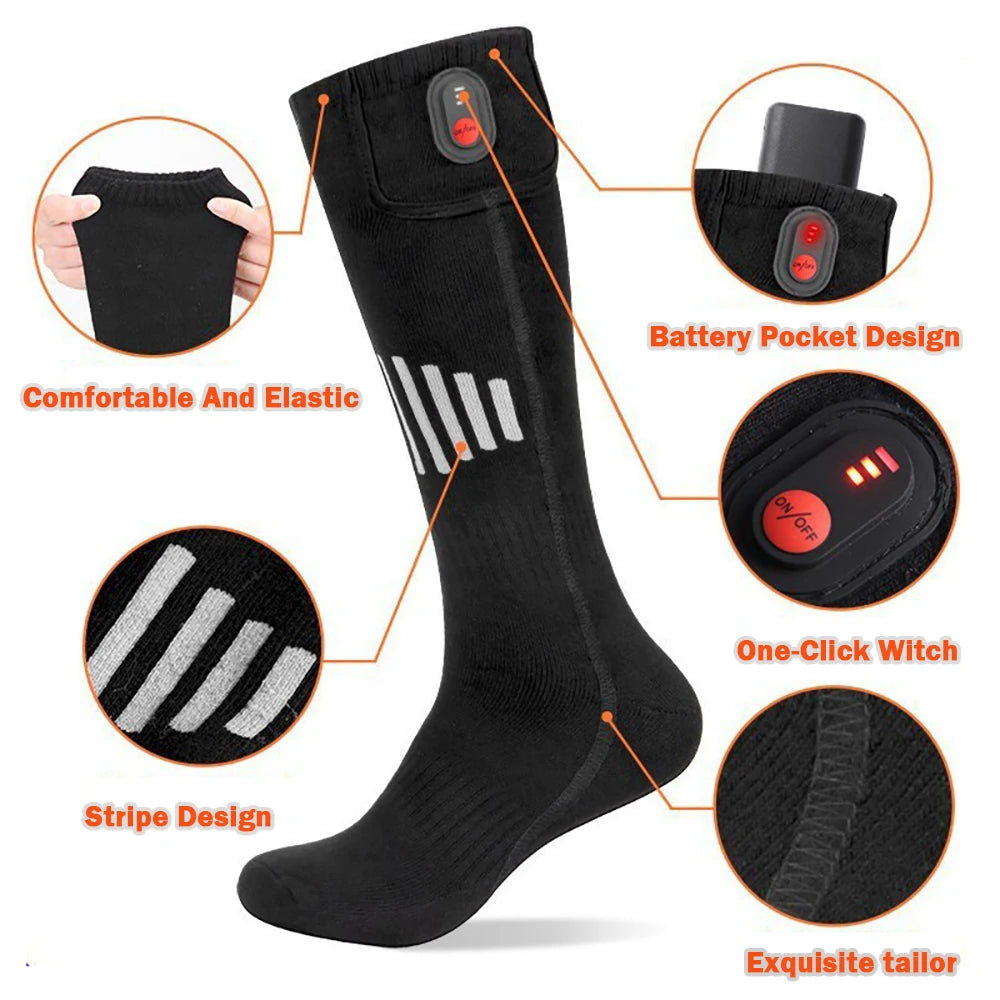
Best way to keep feet warm at night — See it in action
Habits That Can Make Cold Feet Worse
Smoking and nicotine
Nicotine narrows blood vessels, temporarily reducing blood flow to your hands and feet. For some people, smoking significantly worsens cold feet.
Sitting for long periods
Long periods of inactivity reduce muscle activity that normally supports healthy circulation. Brief movement breaks during the day may help reduce nighttime cold feet.
Tight footwear or socks
Footwear or socks that compress the feet too tightly can leave them feeling colder by reducing comfort and limiting normal circulation.
Going to bed already cold
If your body temperature is already low when you climb into bed, your feet may take much longer to warm up, even under multiple blankets.
For broader self-care routines, explore the Body Care and Health Devices collection, designed to support comfort and relaxation at home.
When Should You See a Doctor for Cold Feet?
Symptoms requiring prompt evaluation
Arrange a medical assessment if your feet are consistently cold and you also experience numbness, tingling, persistent pain, non-healing sores, swelling, or significant changes in skin color.
Diagnostic tests your doctor may recommend
Depending on your symptoms, your healthcare provider may recommend blood tests for anemia or thyroid disease, diabetes screening, circulation studies, or nerve function testing.
Emergency warning signs
Seek urgent medical care if a foot suddenly becomes extremely cold, pale, blue, painful, or loses sensation after an injury or if symptoms occur with chest pain, severe leg pain, or sudden weakness.
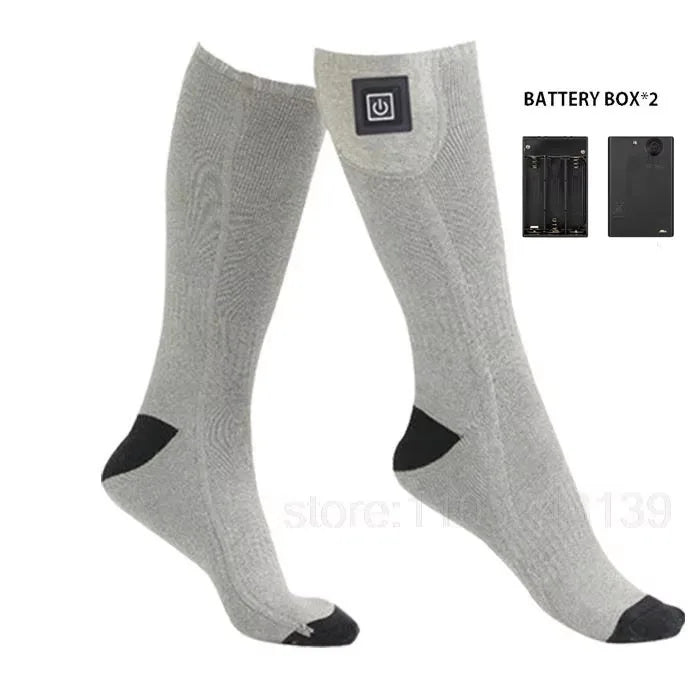
Warm feet at night change sleep quality — See it in action
For lifestyle-focused comfort upgrades, browse the Lifestyle collection curated for everyday ease.
Frequently Asked Questions
Why are my feet still cold under blankets?
Blankets insulate existing body heat but don't generate warmth. If your feet are already cold before bed, warming them first with warm water, movement, or targeted heat is often more effective than adding extra blankets.
Why are my feet cold when sleeping but not during the day?
Your body naturally lowers its temperature during sleep, and reduced movement may make your feet feel colder than they do during normal daytime activity.
Is it normal to have cold feet every night?
Occasional cold feet are common, especially in cooler weather. Persistent nightly symptoms or cold feet accompanied by numbness, pain, or skin color changes should be evaluated by a healthcare professional.
Can poor circulation cause cold feet only at night?
Yes. Mild circulation problems may become more noticeable while lying still because your muscles are no longer helping move blood through your legs. Persistent symptoms deserve medical assessment.
Do heated socks or heating pads help cold feet safely?
Yes, when used according to manufacturer instructions. Heated socks provide targeted warmth throughout the night, while heating pads are best used before sleep or for short periods rather than overnight unless specifically designed for that purpose.
Related Guide: How to Warm Feet Up Fast With Simple Daily Habits













