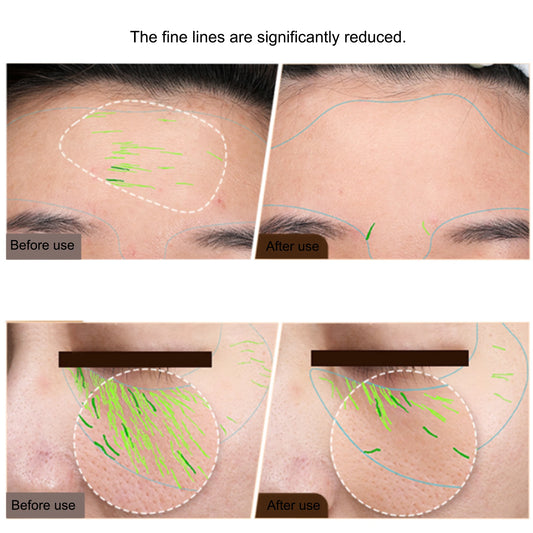
Does cold therapy for muscle pain really work?
Yes. Cold therapy for muscle pain is a proven short-term treatment for acute muscle strains, sprains, impact injuries, and post-exercise soreness when inflammation is present. By lowering tissue temperature, it narrows blood vessels, reduces swelling, slows pain signals, and helps limit the body's early inflammatory response.
While cold therapy benefits for muscle pain are well supported during the first 24–72 hours after an injury, it is less effective for chronic muscle tightness or long-standing stiffness, where heat therapy is often the better choice. Using the right method at the right time is the key to faster, safer recovery.
Cold Therapy for Muscle Pain: When to Use It, Benefits, and Safe Recovery Guide
⏱ 6 min read
Muscle pain can appear after exercise, long hours of sitting, or minor injuries. One of the most common questions is whether to apply ice or not. Cold therapy has been widely used for decades, but its effectiveness depends on timing, technique, and the type of pain you're dealing with.
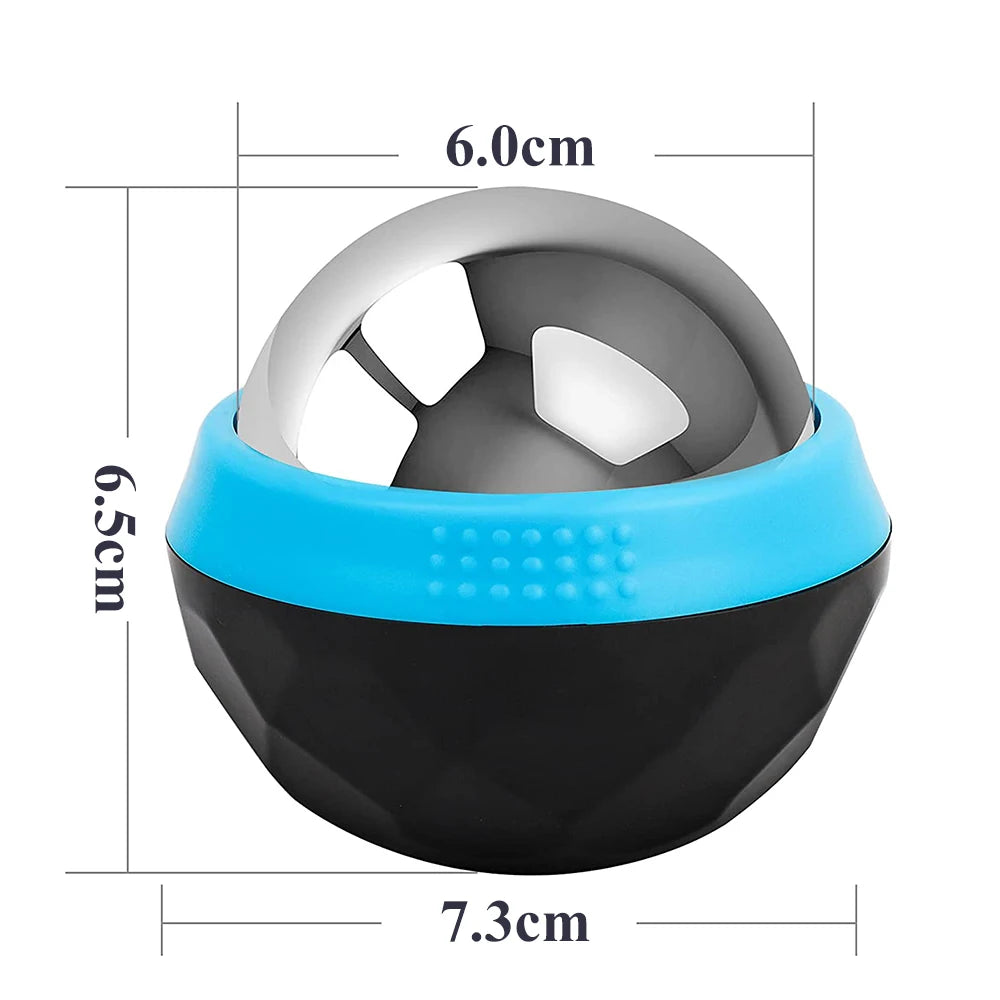
Cold therapy for muscle pain in action — See how targeted cooling supports recovery
How Cold Therapy Works (Science Explained Simply)
Vasoconstriction and Reduced Blood Flow
Cold therapy works by narrowing blood vessels (vasoconstriction), reducing blood flow to the affected area. This helps control swelling and limits excess fluid buildup after muscle strains, sprains, or impact injuries.
Numbing Effect on Nerve Signals
Cooling slows the transmission of pain signals through local nerves. This temporary numbing effect can provide noticeable pain relief within minutes without medication.
How It Limits Inflammation After Injury
Lower tissue temperatures reduce cellular metabolism, helping slow the inflammatory response during the first stages of healing. For most acute injuries, cold therapy for inflammation is most beneficial during the first 24–72 hours.
Cold Therapy Benefits for Muscle Pain and Recovery
Benefits After Exercise
Cold therapy for muscle recovery may help reduce soreness after intense training, especially when muscles feel swollen or tender.
- Reduces delayed onset muscle soreness (DOMS) for some individuals.
- Temporarily relieves pain after demanding workouts.
- Supports faster return to activity by reducing discomfort.
Benefits After Acute Injury
Following a strain, sprain, or direct impact, cold therapy benefits for muscle pain include:
- Reducing inflammation during the early healing phase.
- Limiting swelling around injured tissue.
- Reducing pain through temporary nerve desensitization.
- Supporting functional recovery by making gentle movement more comfortable.
When to Use Cold Therapy for Muscle Pain (Decision Guide)
First 24–72 Hours After Injury
This is when cold therapy is most effective. Early application helps minimize swelling and may reduce secondary tissue damage.
After Intense Exercise or DOMS
If soreness is accompanied by tenderness or mild inflammation after strenuous activity, ice therapy for sore muscles can help improve comfort. Mild muscle fatigue without inflammation may not benefit as much.
When Swelling or Inflammation Is Present
Visible swelling, warmth, redness, or tenderness are signs that cold therapy is usually appropriate.
When Cold Therapy Is Not Recommended
Avoid relying on cold therapy alone for chronic muscle tightness, persistent stiffness, or pain lasting several weeks without inflammation. Heat, mobility exercises, or medical evaluation may be more appropriate.
Cold vs Heat Therapy for Muscle Pain
Key Differences Explained
Cold therapy reduces inflammation and numbs pain, while heat therapy increases circulation, improves flexibility, and relaxes tight muscles.
When Heat Is Better Than Cold
Heat is generally preferred for:
- Chronic muscle tightness
- Muscle spasms
- Joint stiffness
- Pain without swelling
Decision Table by Condition
| Condition | Best Choice |
|---|---|
| Fresh sprain or strain | Cold therapy |
| Swollen muscle | Cold therapy |
| Post-workout inflammation | Cold therapy |
| Chronic stiffness | Heat therapy |
| Tight muscles before stretching | Heat therapy |
How to Use Cold Therapy Safely at Home
Ice Packs vs Gel Packs vs Ice Massage Roller
Each option has advantages depending on the area being treated.
- Ice packs: Best for covering larger muscle groups.
- Gel packs: Flexible and reusable with more even cooling.
- Ice massage roller : Combines targeted cooling with gentle massage, making it useful for trigger points and smaller muscles.
Cold Compression and Cryotherapy
Cold compression combines cooling with gentle pressure, making it useful for sprains and swelling. Whole-body cryotherapy is available in some sports clinics but has less evidence for routine muscle recovery than simple local cold therapy.
How Long and How Often to Apply
Apply cold for 10–15 minutes at a time, repeating every few hours if needed. Allow your skin to return to normal temperature before another session.
Best Practices to Avoid Ice Burns
- Never place ice directly on bare skin.
- Use a towel or cloth barrier.
- Stop if skin becomes white, extremely numb, or painful.
Choosing the Right Cold Therapy Method
Ice Packs
Affordable and effective for larger injuries but can be difficult to secure around joints.
Ice Massage Roller
An ice massage roller provides precise cooling while allowing gentle movement over sore muscles. Many users prefer it because it is cleaner than loose ice and easier to control.
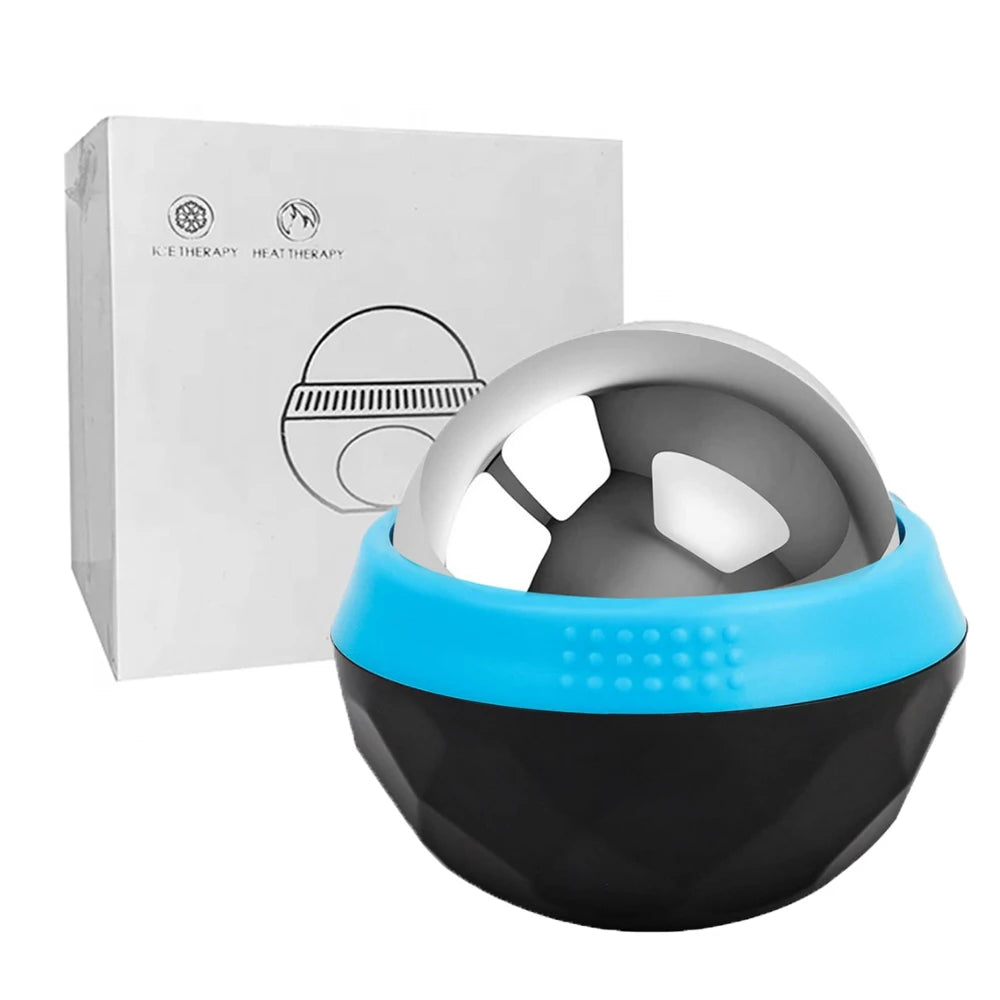
Ice massage roller for cold therapy recovery — Roll, relax, recover
Cold Compression
Helpful after sprains and sports injuries where both swelling control and support are needed.
Whole-Body Cryotherapy
Cryotherapy chambers expose the body to extremely cold air for a few minutes. While some athletes report temporary relief, evidence for superior recovery compared with traditional ice therapy remains limited.
For those building a complete recovery routine, pairing cold therapy with tools from the Body Care and Health Devices collection can support daily muscle comfort.
Common Mistakes to Avoid With Cold Therapy
Applying Ice Too Long
Long sessions increase the risk of skin injury without improving recovery. More is not better.
Using Cold Therapy Too Late
If inflammation has already resolved, cold therapy is less likely to help. Heat or active rehabilitation may provide better results.
Applying Directly to Skin
Always use a protective barrier between ice and skin.
Ignoring Warning Signs
Stop treatment and seek medical advice if pain becomes severe, swelling rapidly increases, the limb cannot bear weight, or numbness persists after treatment.
When Cold Therapy Helps—and When It Doesn't
Acute Injuries
Cold therapy works best for fresh injuries, swelling, bruising, and inflammation.
Chronic Muscle Tightness
Cold usually provides less benefit for muscles that feel stiff but are not inflamed. Heat therapy is generally the preferred option.
Conditions Requiring Medical Care
Persistent pain, severe swelling, deformity, inability to move the joint, or symptoms lasting more than several days should be evaluated by a healthcare professional.
How to Reduce Muscle Inflammation at Home
Rest and Compression
Reduce activity for the injured muscle while using compression if appropriate.
Elevation
Elevating the affected area above heart level can help reduce swelling.
Recovery Habits
- Stay hydrated.
- Resume gentle stretching after the acute phase.
- Gradually return to normal activity.
- Keep an ice massage roller available for targeted cooling.
For a balanced self-care routine, explore tools from the Lifestyle collection that support relaxation and recovery.
Real Use Cases
Sports Injuries
Apply cold as soon as practical after a sprain or muscle strain to reduce swelling.
Post-Workout Recovery
Ice therapy for sore muscles may help athletes recover comfortably after demanding training sessions involving heavy eccentric exercise.
Everyday Muscle Strain
People who stand for long hours or perform repetitive lifting often benefit from short cooling sessions when inflammation develops.
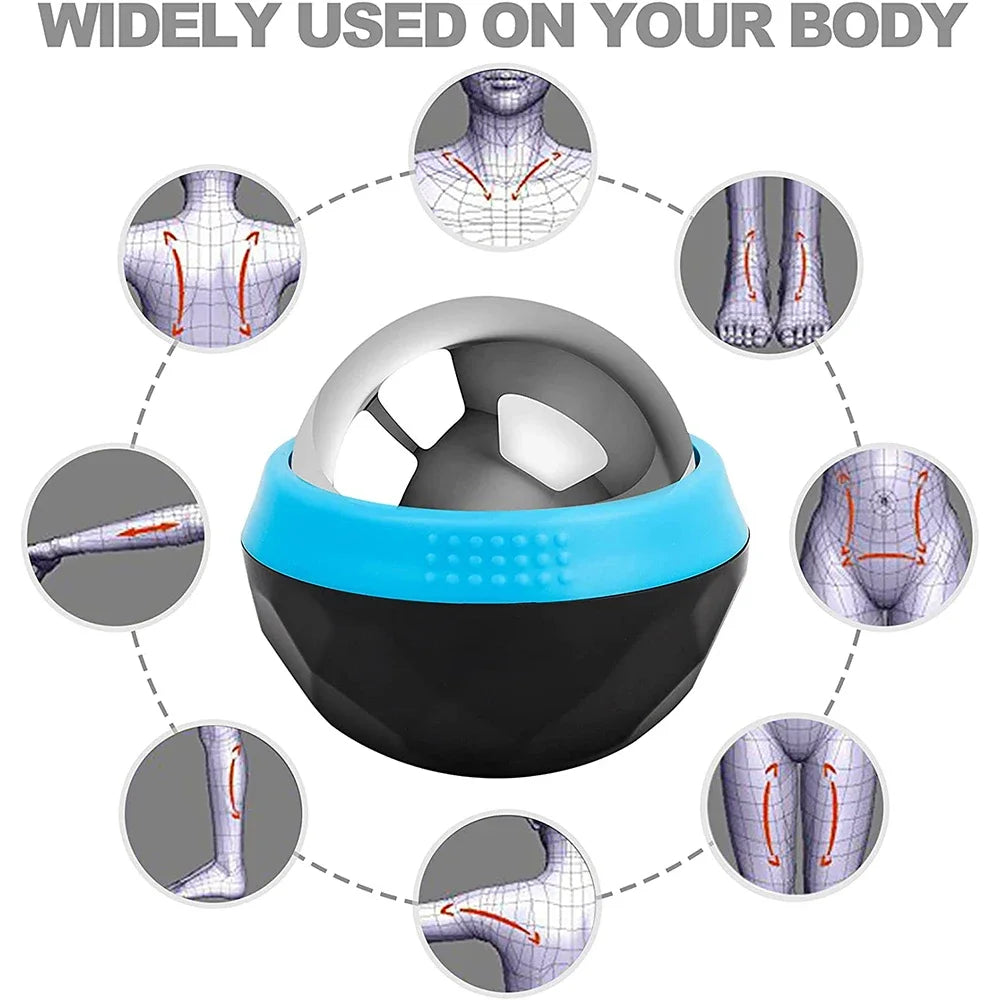
Targeted cold therapy for muscle recovery — Feel the difference today
Cold Therapy Treatment Timeline
First 24 Hours
Prioritize cold therapy, rest, compression, and elevation. Apply cooling for 10–15 minutes several times throughout the day.
24–72 Hours
Continue using cold therapy if swelling or inflammation persists. Begin gentle movement as tolerated.
Beyond 72 Hours
If swelling has resolved but stiffness remains, consider transitioning to heat therapy and progressive stretching. Persistent or worsening symptoms should be medically evaluated.
Who Should Avoid Cold Therapy?
Poor Circulation
People with significant circulation disorders should consult a healthcare professional before applying cold.
Nerve Disorders
Individuals with reduced sensation may not recognize excessive cooling and have a higher risk of skin injury.
Cold Sensitivity
Those with cold hypersensitivity or conditions triggered by cold exposure should avoid cold therapy unless advised by a clinician.
Quick FAQ
How often can I use cold therapy for muscle pain?
Most people can safely apply cold therapy every few hours for 10–15 minutes, allowing the skin to fully warm between sessions.
How long should I ice sore muscles?
Generally, 10–15 minutes is sufficient. Longer applications do not improve results and increase the risk of skin damage.
Is cold therapy safe for everyone?
No. People with poor circulation, certain nerve disorders, or cold sensitivity should speak with a healthcare professional first.
Can I combine cold therapy with other recovery tools?
Yes. Cold therapy works well alongside rest, gradual stretching, and wellness tools featured in the Body & Face Blog .
Should I use cold or heat for muscle soreness?
Choose cold if soreness involves swelling or inflammation. Choose heat if muscles are tight, stiff, or chronically tense without swelling.
Does cold therapy reduce inflammation?
Yes. Cold therapy helps reduce inflammation by limiting blood flow and slowing inflammatory activity during the early stages after injury.
Related Guide: Muscle Soreness After Exercise Which Recovery Tool Fits You