

Cold Therapy for Muscle Recovery: Science, Timing, and Best Use Cases
Does muscle soreness after exercise go away faster with recovery tools?
Yes. Muscle recovery cold therapy can help reduce post-exercise soreness when used appropriately alongside rest, hydration, quality sleep, and good nutrition. Methods such as ice massage rollers, ice baths, and other post workout recovery ice therapy techniques may decrease perceived pain, limit excessive inflammation, and improve comfort, making it easier to return to training sooner. While recovery tools cannot eliminate muscle soreness entirely, many people experience meaningful relief within the first 24–48 hours after demanding workouts.
What Is Cold Therapy for Muscle Recovery?
Cold therapy for muscle recovery is the controlled application of low temperatures to sore muscles after physical activity. Common approaches include ice baths, ice massage rollers, reusable cold packs, and cryotherapy tools for home use. The primary goal is to reduce discomfort, manage temporary inflammation, and support recovery after strenuous exercise.
Cold therapy muscle recovery works by lowering tissue temperature, causing blood vessels to temporarily narrow (vasoconstriction). This response can reduce excess fluid accumulation in exercised muscles, slow metabolic activity in the treated area, and lessen pain sensitivity. As the tissues gradually warm again, normal circulation resumes, delivering oxygen and nutrients that support the body's natural recovery process.
Research suggests cold exposure is particularly useful for managing delayed onset muscle soreness (DOMS) after intense training or competition. However, recovery strategies should always match your training goals, since frequent immediate cold exposure after heavy strength sessions may slightly reduce some muscle-building adaptations.
Common forms of cold therapy
- Ice baths: Full-body immersion following demanding endurance or team-sport sessions.
- Ice massage rollers: Targeted cooling combined with gentle pressure for localized muscle soreness.
- Cryotherapy tools for home: Reusable cold packs, wraps, and handheld devices designed for convenient recovery.
Muscle soreness after exercise is a normal part of adaptation, but it shouldn't prevent you from staying active. Whether you're dealing with mild stiffness after a long run or significant DOMS following strength training, choosing the right recovery method can improve comfort, restore mobility, and help you train more consistently.
⏱ 6 min read
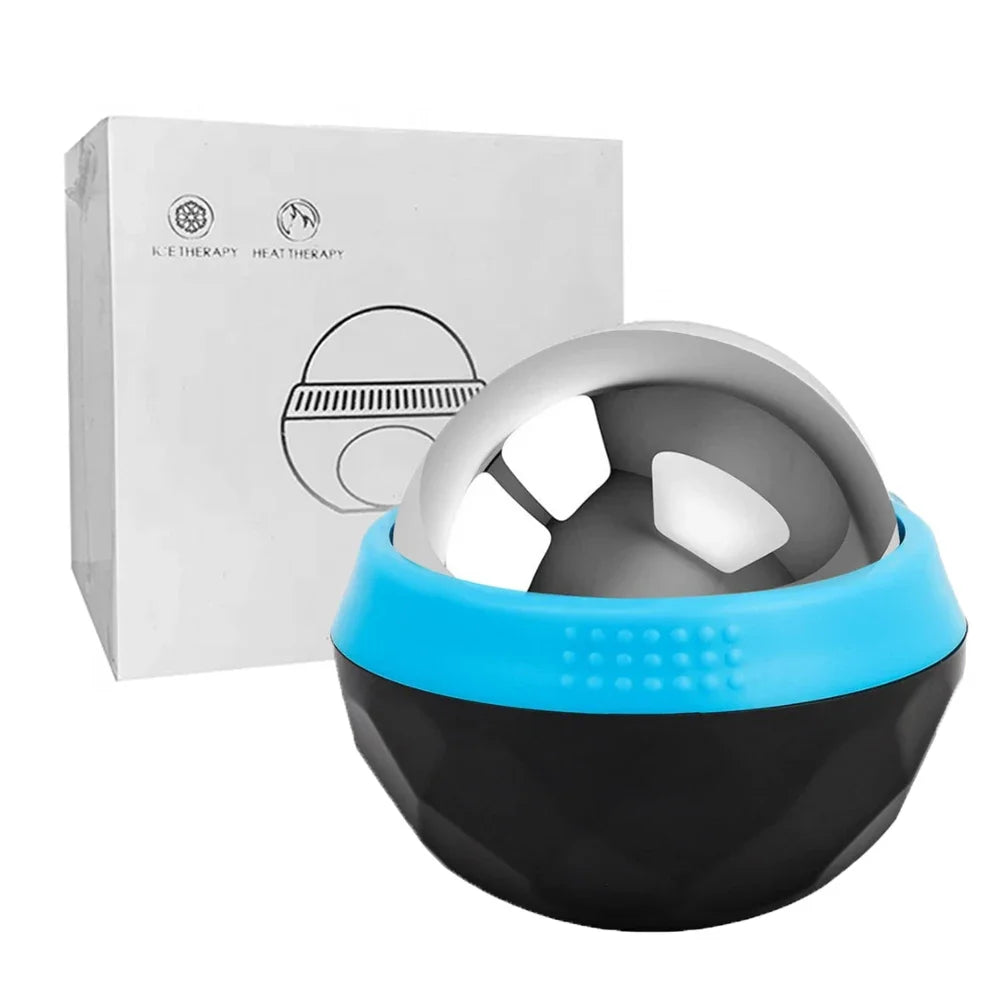
Target muscle soreness after exercise early for faster recovery — See it in action
Why Muscles Hurt After Workouts
Muscle soreness after exercise develops because training creates microscopic stress within muscle fibers. This controlled damage is a normal part of adaptation, stimulating repair processes that ultimately help muscles become stronger and more resilient. During recovery, the body triggers a temporary inflammatory response that can cause tenderness, stiffness, and reduced range of motion.
For most people, delayed onset muscle soreness (DOMS) begins about 12–24 hours after unfamiliar or high-intensity exercise, peaks between 24–72 hours, and gradually improves over the following days. Recovery speed depends on workout intensity, training experience, sleep quality, nutrition, hydration, and the recovery methods used. Strategic muscle recovery cold therapy may help reduce discomfort during this period, allowing you to return to activity with greater comfort.
The Science Behind Cold Therapy (Inflammation, Blood Flow, and Recovery)
Understanding how cold therapy works helps you decide when it is most likely to improve recovery. After challenging exercise, muscles experience microscopic fiber damage that activates a temporary inflammatory response. This natural process is necessary for tissue repair, but excessive swelling and pain can make movement uncomfortable. Appropriate cold therapy aims to manage these symptoms without replacing the body's normal healing process.
Inflammation Control
One of the primary cold therapy benefits is reducing excessive inflammation after strenuous activity. Lower tissue temperatures can decrease nerve sensitivity and slow the release of inflammatory chemicals, helping reduce soreness, swelling, and discomfort during the first few days after exercise.
Blood Flow Regulation
Cold exposure causes blood vessels to narrow temporarily, a process known as vasoconstriction. This limits fluid accumulation in exercised tissues and may reduce swelling. As the treated area gradually returns to normal temperature, blood flow increases again, delivering oxygen and nutrients that support recovery.
Reduced Metabolic Activity
Cooling muscles briefly lowers cellular metabolic demand in the treated area. This may help minimize secondary tissue stress immediately after intense exercise while providing temporary pain relief. Short, controlled applications are generally more effective than prolonged exposure.
Recovery Trade-Off
Although the benefits of cold therapy after workouts include improved comfort and reduced soreness, frequent use immediately after heavy resistance training may slightly reduce some muscle-building signals. If maximizing strength or hypertrophy is your primary goal, consider reserving cold therapy for particularly demanding sessions, competitions, or periods of significant soreness rather than every workout.
Current Research Evidence
Current research suggests that cold therapy can improve perceived recovery and reduce delayed onset muscle soreness (DOMS), particularly after endurance events, repeated competitions, or high-volume training. Evidence for faster long-term muscle healing is less consistent, so cold therapy should be viewed as one component of a comprehensive recovery strategy that also includes adequate sleep, nutrition, hydration, and progressive training.
Types of Muscle Soreness and When Cold Therapy Helps
Cold therapy is not equally effective for every type of muscle discomfort. Matching the recovery method to the underlying cause often produces better results than applying cold after every workout.
Acute Muscle Soreness
Acute soreness develops during or immediately after exercise because of temporary fatigue or metabolite buildup. Gentle movement and hydration are often sufficient, although cold therapy may provide short-term pain relief after especially demanding sessions.
Delayed Onset Muscle Soreness (DOMS)
DOMS typically develops 12–48 hours after unfamiliar or high-intensity exercise. This is when cold therapy is most likely to reduce pain, improve comfort, and make everyday movement or subsequent training sessions easier.
Minor Muscle Strain or Inflammation
Localized swelling or mild soft-tissue irritation often responds well to targeted cooling. Applying cold therapy to a specific area can help manage inflammation and discomfort, but severe pain, significant swelling, or suspected muscle tears should be evaluated by a healthcare professional.
Cold Therapy Benefits (and Limitations You Should Know)
Evidence-Based Benefits
- Helps reduce muscle soreness following strenuous exercise.
- Temporarily decreases pain sensitivity and improves comfort.
- May limit excessive swelling after intense training or competition.
- Supports short-term recovery between demanding workouts or sporting events.
- Can help athletes maintain performance during periods of frequent training.
Important Limitations
- Routine use after every strength workout may slightly reduce muscle-building adaptations.
- Cold therapy is generally less effective than heat for persistent muscle tightness without inflammation.
- Recovery outcomes vary depending on training type, timing, and individual response.
- Cold therapy cannot replace proper sleep, balanced nutrition, hydration, or progressive training.
The greatest cold therapy benefits come from using it strategically for the right recovery goal instead of making it an automatic part of every workout.
Heat vs Cold Muscle Therapy: When to Use Each
Choosing between heat and cold depends on the type of discomfort you have and your recovery objective. Neither method is universally better—using the right therapy at the right time delivers the greatest benefit.
Use Cold Therapy When
- You have noticeable swelling or inflammation after exercise.
- Muscles feel sore following high-intensity workouts or competitions.
- You have localized tenderness that benefits from targeted cooling.
- Your goal is to reduce discomfort and recover between training sessions.
Use Heat Therapy When
- Muscles feel tight or stiff without visible swelling.
- You are warming up before exercise to improve flexibility.
- You have chronic muscle tension or overuse-related stiffness.
- You want to increase circulation before stretching or mobility work.
Decision Framework
If your primary symptom is inflammation, swelling, or acute soreness, cold therapy is generally the better choice. If the problem is stiffness, restricted movement, or ongoing muscle tightness, heat is often more effective. Many active individuals benefit from combining both methods at different stages—cold soon after demanding exercise and heat later when stiffness becomes the main concern.
Best Timing: When to Use Cold Therapy After a Workout
Knowing when should you use cold therapy after exercise is just as important as choosing the right recovery method. Timing should reflect your workout intensity and training goals.
Immediately After Exercise
Cold therapy is most commonly used soon after demanding endurance events, tournaments, or high-volume training sessions where soreness and inflammation are expected. Short sessions are generally sufficient to provide symptom relief.
If soreness develops gradually, applying post workout recovery ice therapy within the first 24–48 hours can help reduce discomfort associated with delayed onset muscle soreness (DOMS). This approach is often preferred when symptoms become more noticeable later in the day or the following morning.
Recovery by Training Type
- Endurance training: Cold therapy may improve comfort after long runs, cycling sessions, or extended competitions.
- Team sports: Helpful during tournaments or congested competition schedules when rapid recovery is important.
- Strength training: Consider limiting routine immediate cold exposure if maximizing muscle growth is your primary objective.
- Recreational exercise: Use cold therapy only when soreness significantly affects movement or daily activities.
Types of Cold Therapy Methods (Ice Baths, Ice Rollers, Cryotherapy Tools for Home)
Home cold therapy for muscle recovery ranges from simple ice packs to specialized recovery equipment. The best option depends on whether you need whole-body or targeted treatment.
Ice Bath Recovery
Ice bath recovery involves immersing much of the body in water typically maintained between 10–15°C for approximately 10–15 minutes. It is commonly used after endurance races, tournaments, or demanding training blocks where multiple muscle groups require recovery at once.
Ice Massage Roller
An ice massage roller combines localized cooling with gentle massage pressure, making it well suited for calves, quadriceps, hamstrings, shoulders, forearms, and other specific areas of soreness. It offers greater precision than full-body cooling while remaining convenient for routine use.
Cryotherapy Tools for Home
Cryotherapy tools for home include reusable cold packs, cooling wraps, handheld massage devices, and other portable solutions designed for targeted recovery without requiring specialized facilities. These products are practical for people who want regular recovery sessions at home.
Cold Packs and Compression
Cold packs paired with compression wraps provide another accessible option for localized swelling or post-exercise discomfort. They are easy to apply, inexpensive, and suitable for short recovery sessions after training, particularly when treating one specific muscle group or joint.
Common Mistakes That Reduce Cold Therapy Effectiveness
Even the best recovery strategy can become less effective if cold therapy is used incorrectly. Avoiding these common mistakes helps maximize the benefits while reducing the risk of unnecessary discomfort.
- Applying cold therapy for too long, which may increase stiffness instead of improving comfort.
- Placing ice or frozen devices directly on bare skin without a protective barrier.
- Using cold therapy after every workout, even when there is little soreness or inflammation.
- Ignoring heat therapy when muscles are primarily tight rather than swollen.
- Using cold therapy to mask pain from a potentially serious injury instead of seeking medical evaluation.
- Skipping essential recovery habits such as sleep, hydration, balanced nutrition, and active recovery.
Using cold therapy muscle recovery techniques strategically—not automatically—produces better long-term results and supports a safer recovery routine.
Who Should (and Should NOT) Use Cold Therapy
Best Candidates
- Athletes completing frequent or high-intensity training sessions.
- Recreational exercisers experiencing post-workout soreness and mild inflammation.
- Individuals recovering from minor muscle strains or localized soft tissue irritation.
- People seeking convenient home cold therapy for muscle recovery between workouts.
Use With Caution
- People with circulation disorders or conditions affecting blood flow.
- Individuals with reduced sensation or significant sensitivity to cold.
- Those with cold-related medical conditions or allergies.
- Anyone recovering from an injury where inflammation is an important part of early healing, unless advised otherwise by a healthcare professional.
If you are unsure whether cold therapy is appropriate for your situation, consult a qualified healthcare provider or physical therapist before making it a regular part of your recovery routine.
For targeted recovery, the Ice Massage Roller Ball provides controlled cooling and precision application.
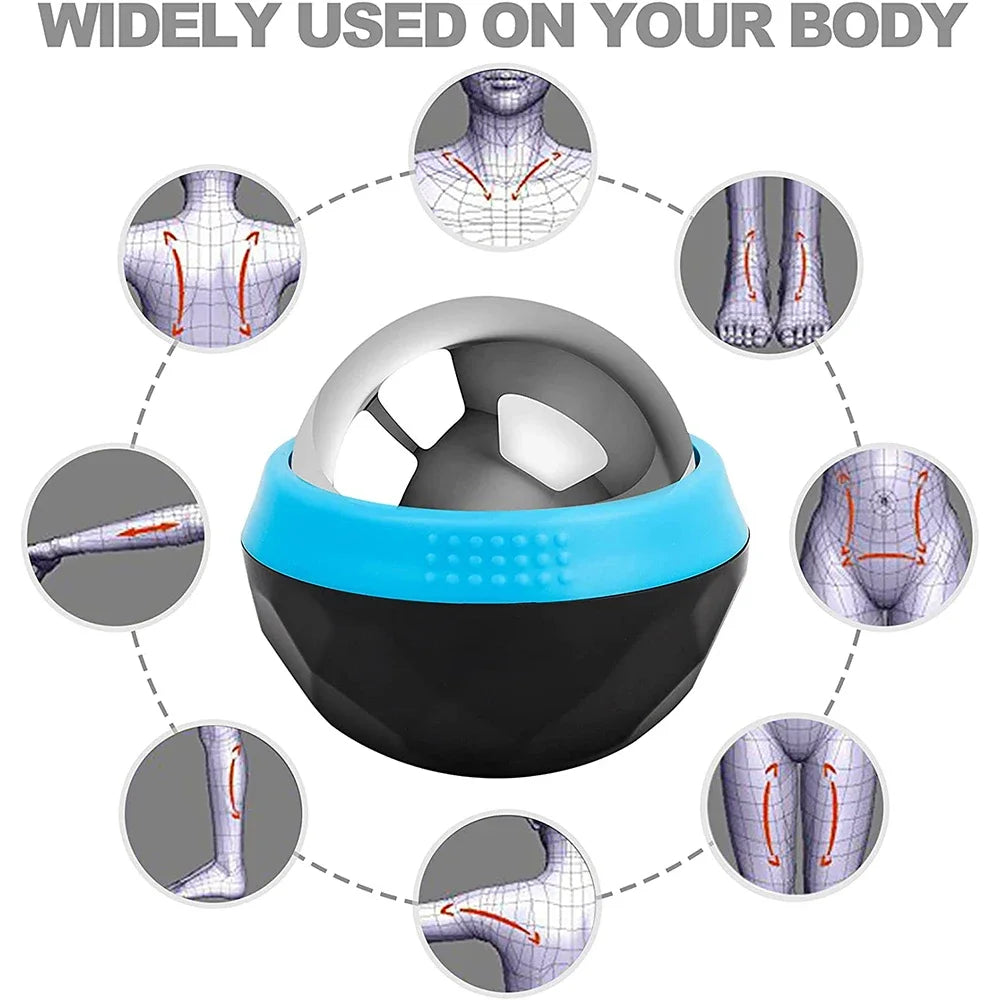
Targeted cold therapy helps reduce inflammation and improve recovery — See it in action
How to Use an Ice Massage Roller Correctly
Proper technique helps you get the most benefit from an ice massage roller while minimizing unnecessary discomfort.
- Freeze the roller according to the manufacturer's instructions, typically for at least 2 hours.
- Clean and dry the treatment area before use.
- Apply light to moderate pressure using slow, controlled rolling movements.
- Treat each sore muscle group for approximately 30–60 seconds before moving to the next area.
- Pause briefly between muscle groups and stop if you experience numbness, sharp pain, or excessive discomfort.
Consistent, moderate sessions are generally more effective than applying excessive pressure or extending treatment time.
Pro Tip for Sensitive Muscles
If you are new to cold therapy or have sensitive skin, place a thin towel between the roller and your skin for the first few sessions. As your tolerance improves, you can gradually transition to direct application if it remains comfortable and appropriate.
Real User Results and Practical Scenarios
The most effective recovery plans match the type of training performed rather than relying on the same approach after every workout. These examples illustrate when post workout recovery ice therapy is most likely to provide meaningful benefits.
Runner Recovery
Distance runners and trail athletes often experience widespread soreness after long runs or races. Ice bath recovery may help reduce perceived leg fatigue and improve comfort before the next training session, particularly during periods of high mileage or back-to-back events.
Strength Athlete
Weightlifters and recreational gym users generally benefit more from targeted cooling than full-body immersion. An ice massage roller can provide localized relief for heavily worked muscle groups while allowing athletes to use cold therapy selectively when soreness is significant.
Team Sports
Athletes participating in tournaments or multiple games over a short period often prioritize rapid recovery over long-term training adaptations. In these situations, strategic cold therapy may help reduce soreness and maintain performance throughout a busy competition schedule.
Regardless of activity level, targeted use based on symptoms typically produces better outcomes than routine cold therapy after every workout.
For broader wellness support, explore tools curated under Body Care and Health Devices .
Enhance recovery routines with relaxation tools from Lifestyle collections.
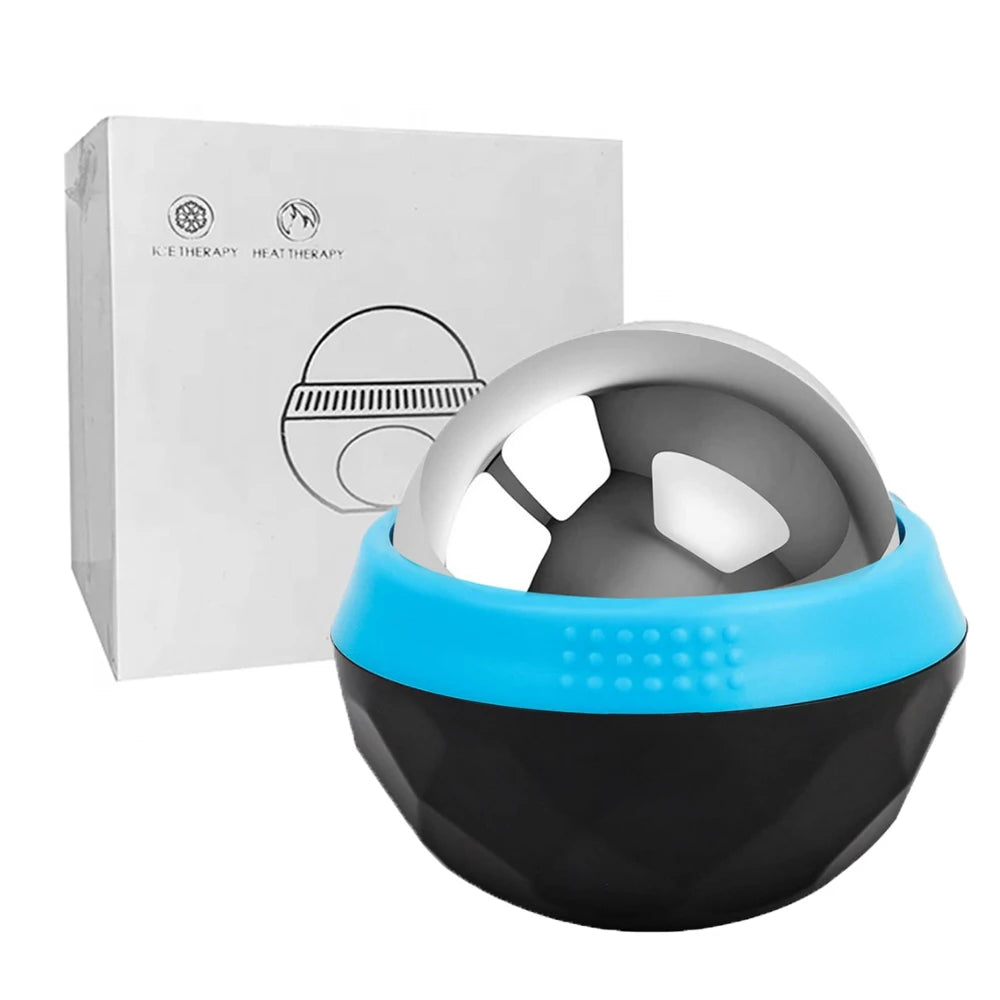
Reduce muscle inflammation and stay active longer — See it in action
Frequently Asked Questions
How long should you use cold therapy for muscle recovery?
Most cold therapy sessions last between 10 and 15 minutes. Longer exposure does not necessarily improve recovery and may increase discomfort or skin irritation.
Is ice bath recovery better than ice rollers?
Neither method is universally better. Ice bath recovery is useful when multiple muscle groups need treatment after demanding exercise, while ice rollers are better suited for targeted relief in specific sore areas.
Can cold therapy slow muscle growth?
Frequent immediate cold exposure after heavy resistance training may slightly reduce some muscle-building adaptations. If hypertrophy is your primary goal, reserve cold therapy for particularly demanding sessions or periods of excessive soreness.
How often should you use cold therapy?
Use cold therapy as needed rather than automatically. Many people benefit from using it after intense workouts, competitions, or when soreness interferes with normal movement.
Does cold therapy reduce inflammation after exercise?
Yes. Cold therapy can help manage excessive inflammation and swelling following strenuous exercise, although some inflammation remains necessary for normal muscle repair.
When should you avoid cold therapy for muscle recovery?
Avoid or seek medical advice before using cold therapy if you have certain circulation disorders, reduced sensation, cold hypersensitivity, or an injury that requires individualized treatment.
Is cold therapy better than heat for sore muscles?
Cold therapy is generally preferred for swelling and acute post-exercise soreness, while heat is often better for muscle tightness and chronic stiffness without inflammation.
How cold should an ice bath be for recovery?
A temperature of approximately 10–15°C (50–59°F) is commonly used for ice bath recovery, with sessions typically lasting 10–15 minutes.
Can you combine heat and cold therapy?
Yes. Many people use cold shortly after strenuous exercise to manage soreness and heat later to relieve lingering stiffness and improve mobility.
Are cryotherapy tools for home effective?
Home cryotherapy tools can provide convenient, localized relief when used correctly. Their effectiveness depends on proper timing, consistent use, and selecting the appropriate tool for the area being treated.
Related Guide: Post Workout Muscle Soreness Relief Honest Brand Review













