What Is the Best Heater for a Power Outage?
The best heater for a power outage depends on your home, available fuel, and how long you expect to be without electricity. For most households, an indoor-safe propane heater offers the best balance of portability, efficiency, and emergency readiness. Kerosene heaters provide longer runtime for larger spaces, while wood stoves are ideal for homes already equipped with a chimney. Portable electric heaters only work when paired with a generator or a sufficiently large battery power station.
Whichever option you choose, always prioritize indoor safety. Select heaters specifically approved for indoor use, install carbon monoxide detectors, and follow the manufacturer's ventilation requirements. A properly chosen backup heater can help maintain a safe indoor temperature during extended winter outages.
Best Heater for Power Outage: Stay Warm When the Lights Go Out
Winter outages don't just cut the lights—they test your comfort, safety, and preparedness. The best heater for a power outage keeps your family warm even when the electrical grid fails. This guide compares the safest emergency heating options, explains which heaters work without electricity, and helps you choose the right solution for your home.
⏱ 8 min read
Explore dependable winter-ready solutions before the next outage hits.
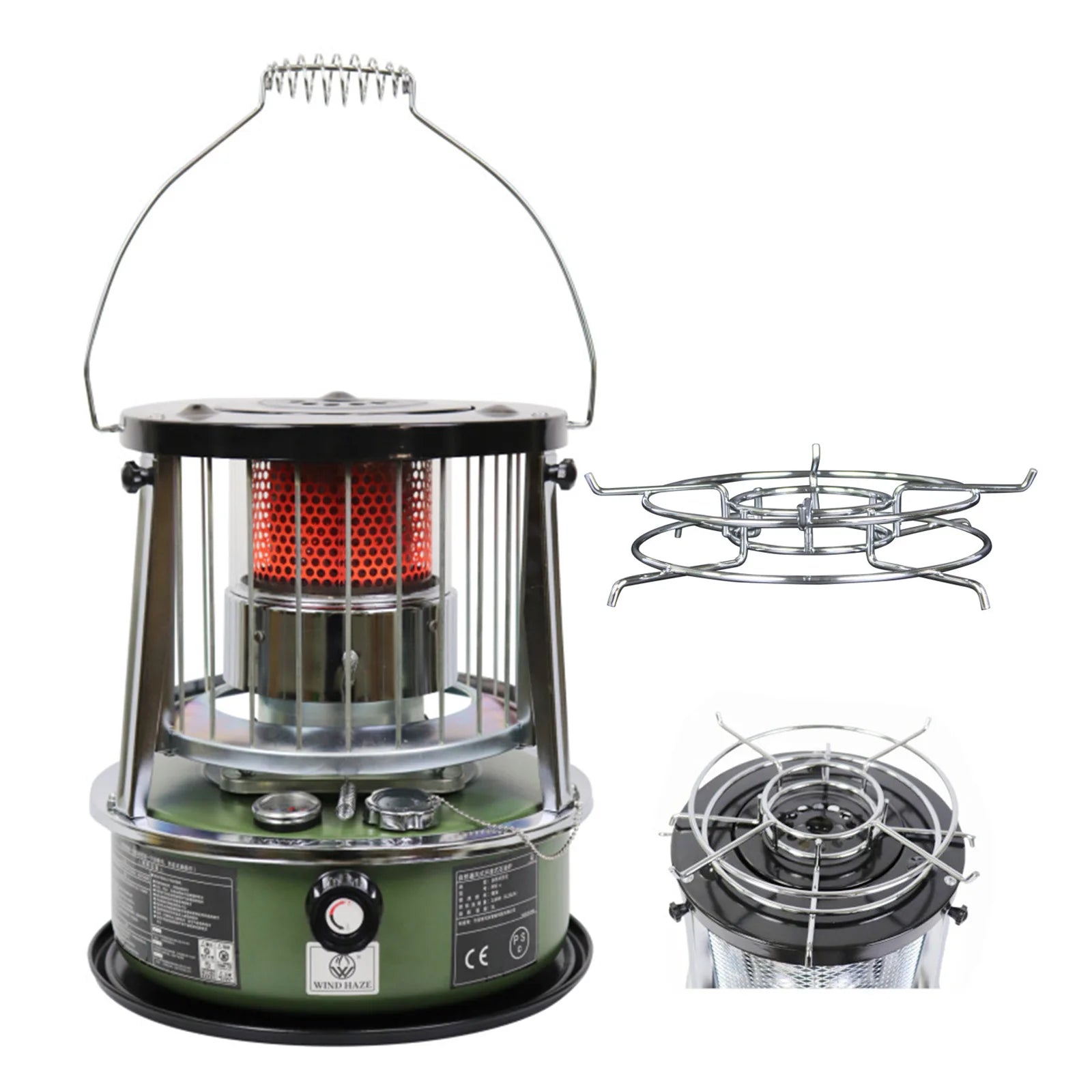
Reliable warmth when it matters most — see how a cold weather backup heater performs in real outages
Compare Heater Types for Power Outages
Indoor-safe propane heaters
Indoor-rated propane heaters remain one of the most popular emergency heating options because they require no grid power and provide steady heat almost immediately. Look for models equipped with low-oxygen shutoff systems, tip-over protection, and automatic flame shutoff. These heaters work well for apartments, bedrooms used only while awake, offices, and family rooms.
Catalytic propane heaters
Catalytic propane heaters generate radiant heat without an open flame, making them quieter and more fuel-efficient than many conventional propane heaters. They are a good choice for enclosed spaces where approved indoor operation and low fuel consumption are priorities. Always follow ventilation recommendations and never operate them without a working carbon monoxide detector nearby.
Kerosene heaters
Kerosene heaters deliver higher heat output and longer burn times than many portable propane units. They are well suited for garages, basements, cabins, and larger living spaces during multi-day outages. Because they produce combustion gases, proper ventilation, safe refueling practices, and regular maintenance are essential.
Portable electric heaters with generator or battery
Electric space heaters cannot operate during a blackout unless connected to a generator or a battery power station with sufficient continuous output. Even then, runtime is usually limited because electric heaters consume significant power. They are best reserved for short outages or supplemental heating.
If your home already includes a properly installed wood stove or fireplace insert, it can provide dependable whole-home or zone heating without relying on electricity. Store seasoned firewood before winter, maintain your chimney annually, and follow local fire safety regulations.
Best Heater for Power Outage by Scenario
Best for apartments
Compact indoor-safe propane heaters are often the best solution for apartments because they occupy little floor space while producing enough heat for a living room or studio. Always verify that your building permits propane appliances and maintain adequate ventilation.
Best for whole-home backup
Homes with existing natural gas systems, wood stoves, or professionally installed backup heating systems generally achieve the most reliable long-term heating during prolonged outages. These solutions are especially valuable in regions that experience severe winter storms.
Best for large rooms
Kerosene heaters or high-BTU propane heaters can warm larger family rooms, workshops, or open-plan spaces more effectively than compact portable models. Match the heater's BTU rating to the room size for efficient performance.
Best portable heater for emergencies
A lightweight indoor-rated propane heater is easy to transport, store, and deploy quickly during unexpected outages. Pair it with emergency lighting, extra fuel, and a battery-powered carbon monoxide detector for a complete emergency kit.
Best budget option
Entry-level indoor propane heaters typically provide the lowest cost of ownership for occasional emergency use. They require minimal maintenance and offer excellent value when combined with proper fuel storage.
For additional emergency preparedness, consider exploring the Emergency Lighting , Portable Power Stations , and Camping Gear collections.
How to Choose the Best Backup Heater for Winter
Heating capacity and BTUs
Choose a heater based on the size of the area you need to heat. Small rooms generally require fewer BTUs than open living areas or garages. Oversized heaters may waste fuel, while undersized models struggle to maintain comfortable temperatures.
Fuel availability and storage
Select a fuel that is easy to obtain before winter storms arrive. Store propane cylinders or kerosene only in approved containers and according to local regulations.
Runtime and fuel consumption
Long burn time is especially important during multi-day outages. Compare fuel tank capacity with average hourly consumption rather than focusing only on maximum heat output.
Essential safety certifications
Look for CSA or UL certifications, automatic shutoff systems, low-oxygen sensors, and sturdy tip-over protection. These features significantly reduce the risks associated with indoor heating.
Ease of operation and maintenance
Simple ignition systems, accessible fuel tanks, replaceable wicks where applicable, and readily available replacement parts all contribute to long-term reliability when emergencies occur.
Indoor Heater Safety During Power Outages
Carbon monoxide risks
Fuel-burning heaters can produce carbon monoxide if used improperly. Install battery-powered CO detectors on every occupied level of your home and test them regularly.
Ventilation requirements
Even heaters approved for indoor use may require fresh air ventilation. Always follow manufacturer instructions regarding window openings or room size requirements.
Sleeping safely
Unless the manufacturer specifically states otherwise, avoid sleeping with a fuel-burning portable heater operating. Maintain safe overnight temperatures using approved equipment and functioning CO alarms.
Fire prevention
Keep heaters at least three feet away from curtains, bedding, furniture, paper products, and other combustible materials. Never dry clothing directly on or over a heater.
Legal restrictions
Apartment buildings, condominiums, and local fire codes may restrict certain fuel-burning appliances. Confirm local requirements before purchasing a backup heater.
Fuel Runtime and Emergency Preparedness
Estimated runtime by fuel type
Small propane heaters commonly operate for 6–12 hours per cylinder depending on heat settings. Many kerosene heaters provide approximately 10–20 hours of continuous operation per full tank, while wood stoves can produce heat throughout the day with regular refueling.
Fuel storage tips
Keep reserve fuel in approved containers stored away from living spaces, direct sunlight, and ignition sources. Rotate stored fuel periodically according to manufacturer recommendations.
Winter emergency checklist
- Backup heater suitable for indoor use
- Carbon monoxide and smoke detectors with fresh batteries
- Adequate fuel supply
- Emergency lighting and flashlights
- Portable power station for essential electronics
- Warm blankets and winter clothing
Learn more about backup energy planning in Home Solar Backup Power and Battery Backup for Home Power Outage .
Frequently Asked Questions
What is the best heater for a power outage?
For most homes, an indoor-safe propane heater provides the best combination of portability, safety features, and reliable heat without electricity. Larger homes may benefit from kerosene heaters, wood stoves, or permanent natural gas backup systems.
Can you safely use a propane heater indoors during a power outage?
Yes, provided the heater is specifically approved for indoor use, operated according to manufacturer instructions, and paired with working carbon monoxide detectors and proper ventilation.
What heater works without electricity?
Indoor-safe propane heaters, catalytic propane heaters, kerosene heaters, wood stoves, fireplaces, and many natural gas heaters continue operating without grid electricity.
How long will a propane heater run on one tank?
Depending on heater size and output setting, many portable propane heaters operate between 6 and 12 hours on a standard cylinder before refueling.
Is kerosene or propane better for emergency heating?
Propane is generally cleaner and easier to store, while kerosene often provides longer runtime and higher heat output for larger spaces.
Can you sleep with an indoor-safe propane heater on?
Only if the manufacturer explicitly approves overnight operation. Even then, use functioning carbon monoxide detectors and follow all safety recommendations.
What is the safest way to heat your home during a power outage?
Use a properly certified indoor-safe heater, maintain ventilation, install CO detectors, keep combustible materials away from the heater, and follow all operating instructions.
Do portable electric heaters work during power outages?
Only when connected to a generator or a battery power station capable of supplying enough continuous power.
Related Guide: Multi Purpose Kerosene Heater Review Real World Pros and Cons
Final Recommendations
If you're looking for the best heater for a power outage , choose according to your living situation rather than simply buying the highest-output model. Indoor-safe propane heaters are the best all-around option for most households, catalytic propane models offer quiet and efficient operation, kerosene heaters excel during prolonged outages, and wood stoves remain unmatched for homes already equipped with them.
Pair your heater with emergency lighting, backup power, carbon monoxide detectors, and sufficient fuel supplies before winter weather arrives. Planning ahead ensures your family stays warm, comfortable, and safe throughout even extended power outages.
Get yours now — limited stock for cold season readiness
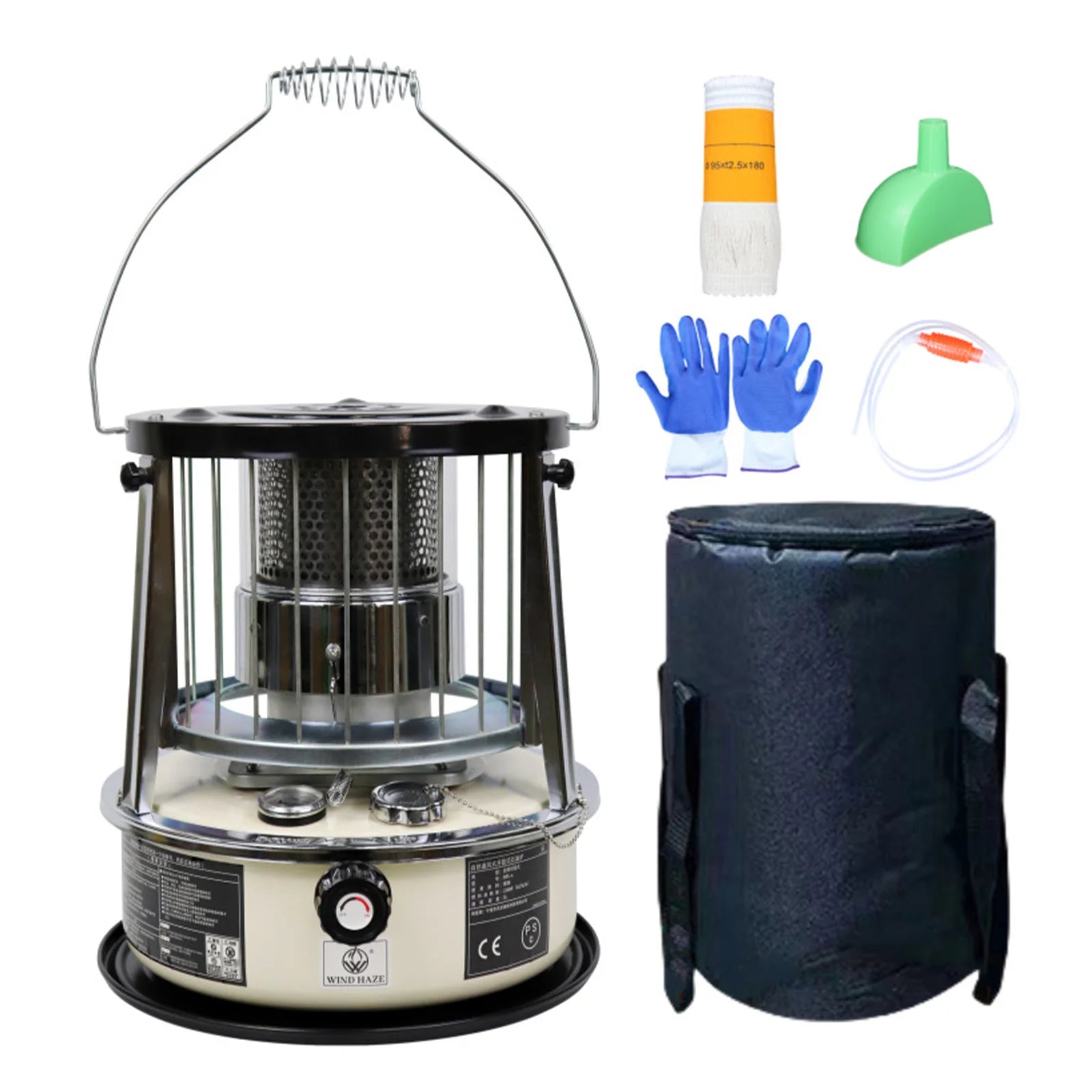
From outage to comfort — see this cold weather backup heater in action