

Does a cold weather camping checklist really help you stay warm all night?
A cold weather camping checklist helps prevent heat loss by prioritizing insulation, moisture control, nutrition, and safe backup warmth. Using a clear checklist reduces common mistakes during camping in cold weather, especially in below freezing temperatures, so you can sleep warmer, safer, and more comfortably through the night.
Cold Weather Camping Tips: How to Stay Warm All Night
Cold weather camping tips are the difference between a miserable night and deep, restorative sleep outdoors. When temperatures drop, heat loss accelerates faster than most campers expect. This step-by-step guide shows exactly how to stay warm all night—covering gear, setup, layering, food, and safety—so you can camp confidently even in below freezing temperatures.
⏱ 7 min read
Cold weather camping checklist basics many campers forget See it in action
Why Cold Nights Steal Your Heat Faster Than You Expect
The Science of Heat Loss and Hypothermia
When camping in cold weather, your body loses heat through conduction (ground contact), convection (wind), radiation (exposed skin), and evaporation (sweat). Understanding these mechanisms helps you stop heat loss before it starts—critical for preventing hypothermia.
How Wind, Moisture, and Terrain Affect Your Body Heat
Wind chill can make temperatures feel dramatically colder. Moisture—whether sweat or damp gear—accelerates heat loss, while frozen ground pulls warmth from your body overnight. Smart campsite selection and insulation are essential to staying warm.
Plan Your Trip Based on Temperature and Conditions
How to Read Weather and Wind Chill for Camping
Always check real-feel temperature, wind speed, and overnight lows. A calm 25°F night is very different from a windy 25°F night. Wind chill often determines your true gear needs.
Choosing Safe Campsites in Winter Conditions
Look for natural windbreaks like trees, rocks, or terrain dips. Avoid exposed ridges and valleys where cold air settles. A well-chosen site can significantly reduce heat loss.
Beginner vs Extreme Cold Planning
Beginners should start above freezing or just below, focusing on sheltered campsites. Extreme cold camping requires advanced layering, redundant insulation systems, and emergency backup plans.
Cold Weather Camping Checklist That Actually Keeps You Warm
Cold Weather Camping Essentials by Category
- Shelter: Four-season tent, snow stakes, tarp, wind protection
- Sleeping: Insulated sleeping pad, winter-rated sleeping bag, liner
- Clothing: Moisture-wicking base layers, insulation layers, shell
- Food & Cooking: High-calorie meals, insulated bottles, stove
- Emergency: Heat source, firestarter, first aid, communication
Winter Camping Gear Checklist Printable
A printable checklist ensures nothing is missed. Organizing gear ahead of time reduces mistakes that lead to cold, uncomfortable nights.
How to Choose the Right Gear for Your Conditions
Match gear to temperature, wind exposure, and terrain. For example, sleeping bag ratings should be lower than expected temperatures, and pad insulation (R-value) should increase as conditions get colder.
Build a Sleep System That Works in Freezing Temperatures
Why the Ground Steals More Heat Than Air
The ground is the biggest source of heat loss. Without insulation beneath you, even a high-end sleeping bag won’t keep you warm.
Sleeping Bag Temperature Ratings Explained
Ratings indicate survival, not comfort. Choose a sleeping bag rated at least 10–15°F lower than expected nighttime temperatures for reliable warmth.
Advanced Sleep Setup for Sub-Freezing Nights
Combine a foam pad with an inflatable pad, add a liner, and insulate the tent floor. Pre-warm your bag with a hot water bottle and sleep in dry base layers.
| Setup | Warmth Impact |
|---|---|
| High R-value pad | Blocks ground heat loss |
| Cold-rated sleeping bag | Traps body heat |
| Sleeping liner | Adds extra warmth |
Layering System for Staying Warm While Camping in Cold Weather
Smart layering for camping in cold weather See it in action
Base, Mid, and Outer Layer Strategy
- Moisture-wicking base layer
- Insulating mid-layer (fleece/down)
- Windproof outer shell
Adjusting Layers for Activity vs Sleep
During activity, reduce layers to prevent sweating. At rest, add insulation quickly before body heat drops.
Common Layering Mistakes to Avoid
- Wearing cotton (retains moisture)
- Overheating and sweating
- Ignoring hands, feet, and head insulation
Food, Hydration, and Fueling Your Body Heat
Best High-Calorie Meals for Cold Weather Camping
- Nuts, jerky, chocolate
- Hot soups and stews
- Complex carbs for sustained warmth
Hydration Strategies in Freezing Temperatures
Drink regularly even if you’re not thirsty. Use insulated bottles and warm fluids to maintain hydration and core temperature.
Timing Food for Maximum Warmth
Eat a calorie-dense meal before bed to fuel your body’s overnight heat production.
Emergency Heat Sources and Cold Weather Safety
When to Use an Emergency Heat Source
- Unexpected temperature drops
- Extended exposure
- Basecamp or vehicle setups
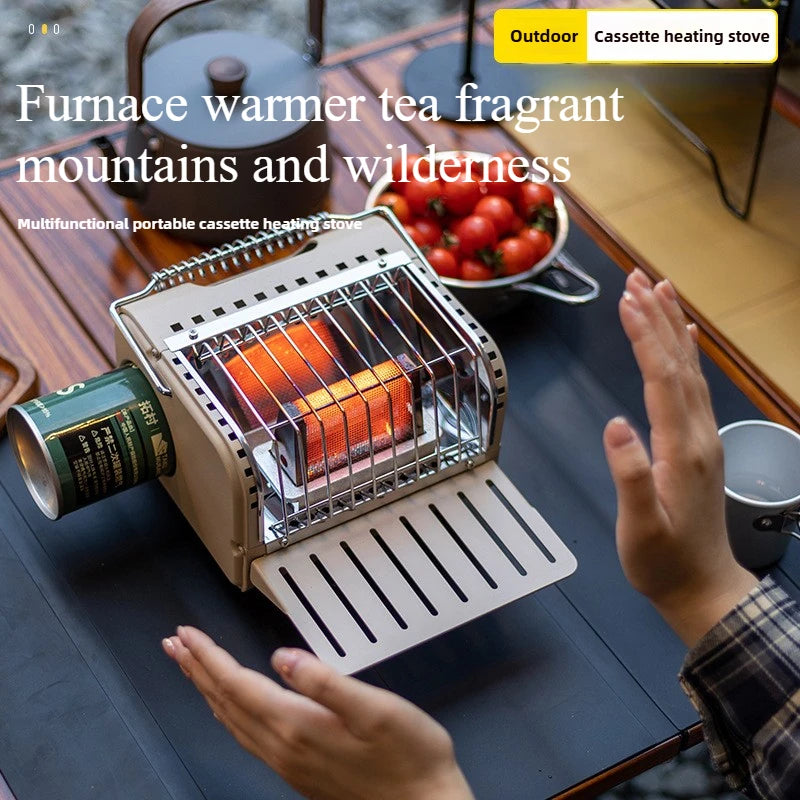
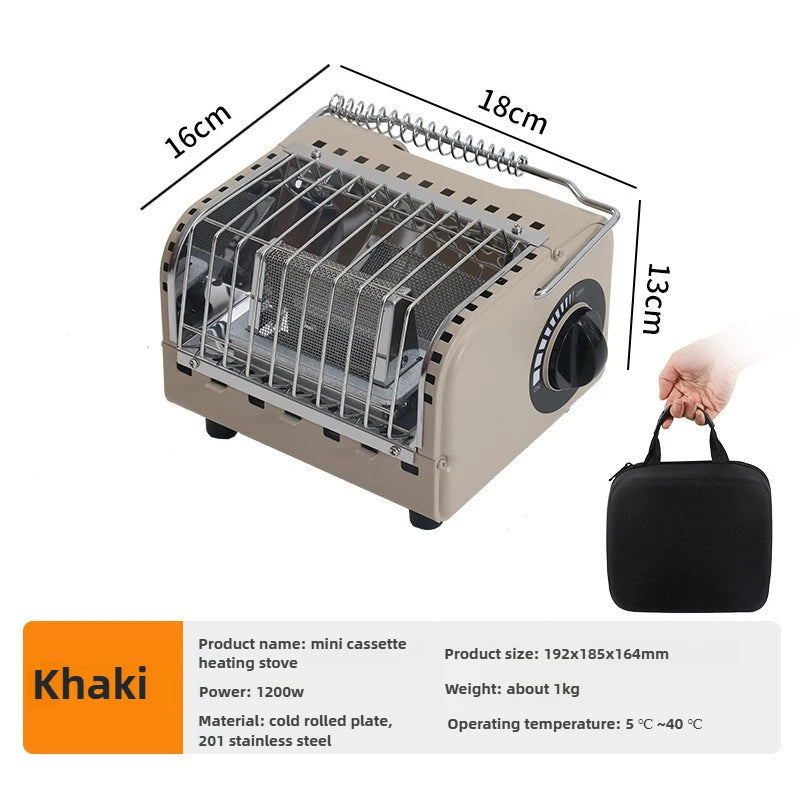
Many campers rely on a portable camping gas heater for controlled, backup warmth.
Safe Heating Methods for Tents
- Never use heaters in enclosed tents without ventilation
- Keep distance from flammable materials
- Monitor carbon monoxide risks
Recognizing and Preventing Hypothermia
Watch for shivering, confusion, and fatigue. Act early by adding layers, consuming warm food, and sheltering from wind.
Tent Setup and Campsite Positioning for Maximum Warmth
How to Block Wind and Reduce Heat Loss
Position your tent behind natural barriers. Use tarps or snow walls to block wind and maintain internal warmth.
Snow vs Ground Setup Differences
Snow can insulate if packed properly. On bare ground, additional insulation layers are essential to prevent heat loss.
Ventilation Without Losing Warmth
Vent your tent slightly to prevent condensation while maintaining as much heat as possible.
Common Cold Weather Camping Mistakes That Make You Cold
Setup Errors That Cause Heat Loss
- Camping in exposed areas
- Poor ground insulation
- Wet gear inside the tent
Clothing and Moisture Mistakes
- Cotton layers
- Sweating during activity
- Ignoring extremities
Gear Misuse in Freezing Conditions
- Using under-rated sleeping bags
- Skipping insulation layers
- Improper tent ventilation
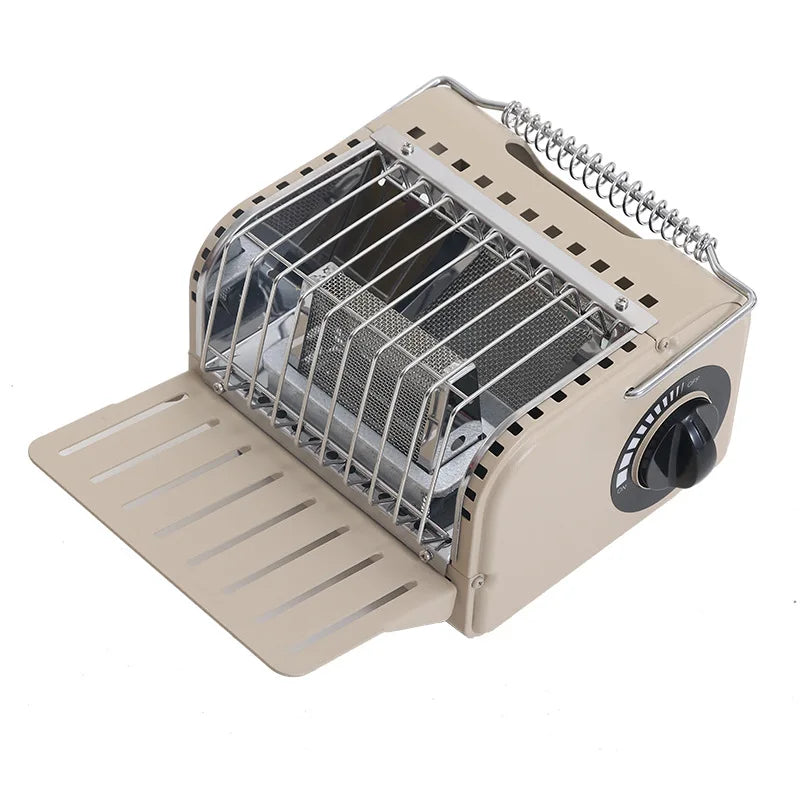
Emergency heat source planning for winter camping warmth See it in action
Campers who prioritize warmth systems—not just gear—consistently sleep better and stay safer in cold environments.
Cold Weather Camping FAQ
What is the most important item on a cold weather camping checklist?
Ground insulation is critical. Without it, heat loss is rapid regardless of sleeping bag quality.
Is camping in below freezing temperatures safe?
Yes, with proper preparation including insulation, nutrition, and wind protection.
How do campers stay warm winter camping without heavy gear?
They focus on preventing heat loss first, then add targeted warmth when needed.
Should beginners camp in cold weather?
Yes, starting in mild conditions with proper planning and sheltered campsites.
How do I manage condensation inside a tent?
Ventilation, dry gear, and breathable materials help reduce moisture buildup.
Can you sleep safely on snow or ice?
Yes, with layered insulation, proper anchoring, and a winter-rated sleep system.
How cold is too cold for camping?
It depends on experience and gear, but beginners should avoid temperatures below 20°F.
What temperature sleeping bag do I need for winter camping?
Choose a bag rated at least 10–15°F below expected temperatures.
How do you stay warm camping without electricity?
Use insulation, layering, high-calorie food, and controlled heat sources.
What should beginners know about cold weather camping?
Focus on preparation, dry gear, and simple systems rather than excessive equipment.
Can you use a heater safely inside a tent?
Only with proper ventilation and strict safety precautions to avoid carbon monoxide risks.
Related Guide: Camping Portable Heater Setup: Stay Warm Safely Step by Step













