

Does a bunion corrector for walking actually work?
A bunion corrector for walking can reduce discomfort, improve temporary toe alignment, and make everyday movement feel more comfortable, but it does not permanently correct the underlying bunion. Instead, it gently positions the big toe, cushions the joint, and helps redistribute pressure during each step.
Because the first metatarsophalangeal (MTP) joint absorbs substantial force while walking, even small improvements in alignment and pressure distribution may reduce rubbing inside shoes and decrease irritation for many people.
What results to realistically expect
- Temporary improvement in toe alignment while the device is worn
- Reduced pressure on the bunion inside footwear
- Less friction that can contribute to redness and soreness
- Improved walking comfort during daily activities
- Support that may help reduce stress on the joint over time when combined with proper footwear
Evidence suggests these devices are most effective for symptom management rather than structural correction. Combining a walking-friendly corrector with supportive shoes, toe-strengthening exercises, and appropriate foot care often produces better long-term comfort than relying on a corrector alone.
Who benefits most from walking correctors
People with mild to moderate bunions, those who spend long hours standing, and individuals who experience shoe friction often benefit the most. If your bunion causes severe pain, rapidly worsens, or significantly limits walking, consult a healthcare professional before relying on conservative treatment alone.
For best results, choose a flexible design specifically intended for movement instead of a rigid nighttime splint.
Comfortable Bunion Corrector for Walking: Best Options Compared for Daily Wear
Foot pain can quietly affect how you walk, stand, and even feel throughout the day. If bunions are making daily movement uncomfortable, choosing the right support can significantly improve your walking experience. This guide explains what works, how different options compare, how to select the right walking-friendly design, and realistic expectations for daily use.
⏱ 7 min read
Explore how different designs support walking comfort and foot alignment.
Ever notice how bunion discomfort worsens after a long walk—even in supportive shoes? The reason lies in how pressure shifts across your forefoot with every step.
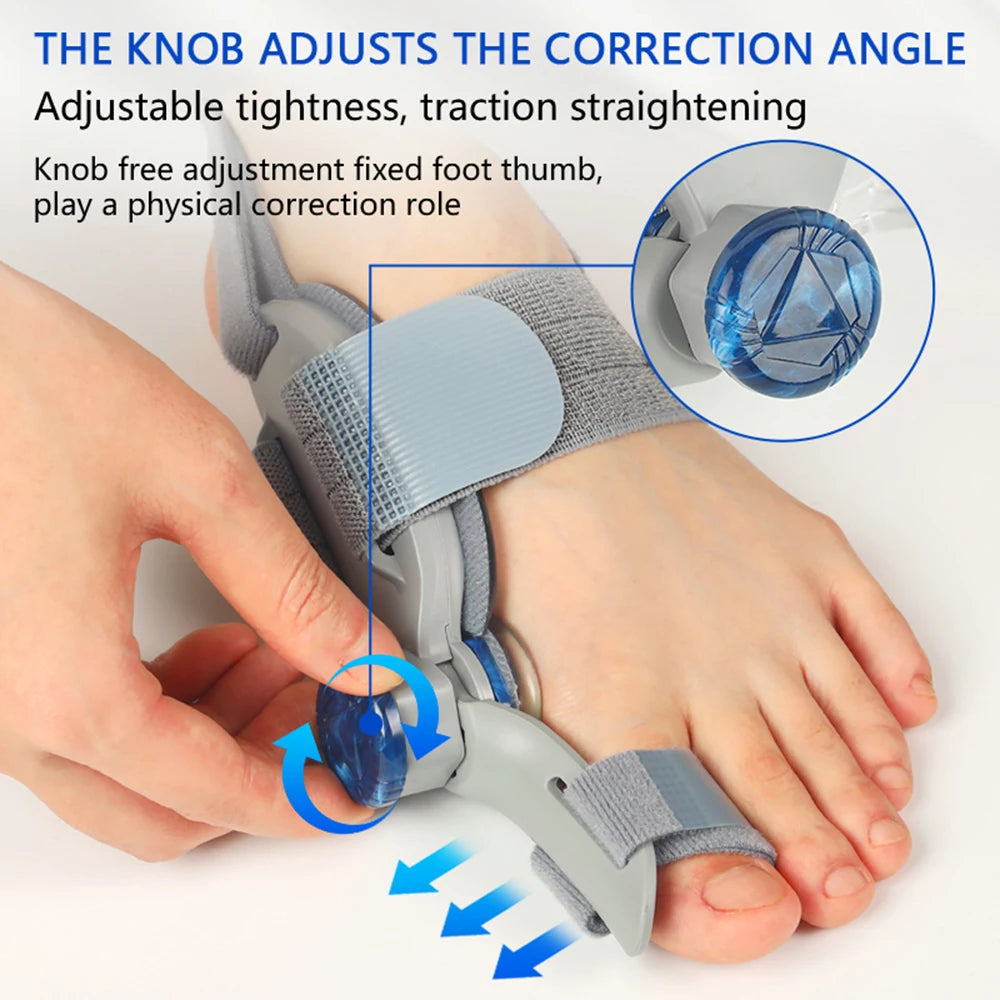
A closer look at a walking-friendly bunion corrector — See it in action
Why walking with bunions causes pain (and how correctors help)
Bunions develop when the big toe gradually drifts toward the smaller toes, causing the joint to protrude outward. This changes foot biomechanics, making it harder for the forefoot to distribute body weight evenly while walking.
Pressure redistribution during walking
Each step places body weight across the forefoot. When the big toe no longer aligns properly, pressure shifts toward surrounding joints, often causing pain, fatigue, and shoe irritation.
- Higher impact on the bunion prominence
- Increased rubbing against footwear
- Reduced efficiency during push-off
- Greater forefoot fatigue after long walks
Toe alignment and biomechanics
A toe corrector for bunions gently separates the first and second toes while cushioning the joint. Although this does not reverse the deformity, it can improve bunion relief toe alignment by reducing sideways pressure and encouraging a more balanced walking pattern.
- Supports temporary toe positioning
- Reduces lateral pressure on the MTP joint
- Improves stability during walking
- Helps decrease friction inside shoes
For additional strategies, many people also benefit from learning about Best Shoes for Bunions, Best Insoles for Bunions, Hallux Valgus Exercises, and Choosing Wide Toe Box Shoes.
Can you safely walk in a bunion corrector?
Who should wear one
Walking bunion correctors are generally appropriate for adults with mild to moderate bunions who want additional comfort during work, errands, travel, or recreational walking.
- People standing for extended periods
- Office workers commuting daily
- Travelers walking long distances
- Individuals experiencing shoe friction
When to avoid walking in one
Even flexible devices are not suitable for every situation. Avoid wearing a walking corrector if you have:
- Open wounds or skin infections
- Large blisters or severe skin irritation
- Circulation problems unless advised by a clinician
- A rigid night splint that restricts normal foot movement
- Increasing pain after wearing the device
Safe bunion corrector use means stopping if numbness, excessive pressure, or worsening pain develops.
What makes the best bunion corrector for walking?
The best bunion corrector for walking balances flexibility, comfort, stability, and durability while remaining comfortable inside everyday footwear.
Key comfort and walking-specific features
- Soft silicone or medical-grade gel: Cushions the joint without creating pressure points.
- Low-profile construction: Fits comfortably inside walking shoes.
- Breathable materials: Help reduce moisture buildup.
- Secure non-slip design: Prevents shifting throughout the day.
- Flexible support: Allows natural gait mechanics.
Toe separators vs bunion splints for walking
| Type | Best For | Walking |
|---|---|---|
| Soft gel separator | Daily comfort | Excellent |
| Soft sleeve with separator | Extra cushioning | Very good |
| Adjustable strap brace | Moderate support | Good |
| Rigid night splint | Resting | Not recommended |
Fit inside shoes
Choose low-profile designs if you regularly wear sneakers, walking shoes, or wide-toe-box footwear. Thick braces may feel bulky in narrow shoes.
Sizing and adjustability
A walking corrector should fit snugly without compressing the toes. Adjustable designs accommodate swelling throughout the day and improve long-term comfort.
Discover how modern designs support movement instead of restricting it.
Best bunion correctors for walking (side-by-side comparison)
Different styles perform better depending on your footwear, activity level, and bunion severity.
Quick comparison table
| Style | Walking Comfort | Best Use |
|---|---|---|
| Soft gel separator | ★★★★★ | Daily wear |
| Soft sleeve | ★★★★☆ | Extended walking |
| Adjustable splint | ★★★☆☆ | Moderate bunions |
| Ultra-thin separator | ★★★★☆ | Dress shoes |
Soft sleeves vs gel separators vs adjustable splints
Soft sleeves provide extra cushioning, gel separators maximize flexibility, and adjustable splints offer greater support at the expense of mobility. Walking-focused users generally prefer flexible separators over rigid braces.
Top picks reviewed
The strongest performers combine flexibility, breathability, secure fit, and enough cushioning to reduce rubbing without interfering with natural foot movement.
Walking vs nighttime bunion correctors
Key differences
Walking correctors prioritize flexibility and comfort, while nighttime splints emphasize passive positioning during rest.
- Walking models allow natural movement.
- Night splints provide stronger positioning while sleeping.
- Walking designs fit inside shoes.
- Night splints are usually too bulky for footwear.
When to use each
Many people use a flexible separator throughout the day and reserve a nighttime splint for resting if recommended by a healthcare professional.
Can you actually walk comfortably with a bunion corrector?
Yes—provided the device is designed specifically for walking and fits correctly.
Short walks vs long distances
Most users adapt quickly during short walks. Longer distances become more comfortable after gradually increasing wear time and pairing the corrector with supportive shoes.
Walking-friendly correctors are suitable for commuting, shopping, sightseeing, and many low-impact activities. High-impact sports may require additional support or specialized footwear.
- Severity of the bunion
- Proper sizing
- Shoe fit
- Activity level
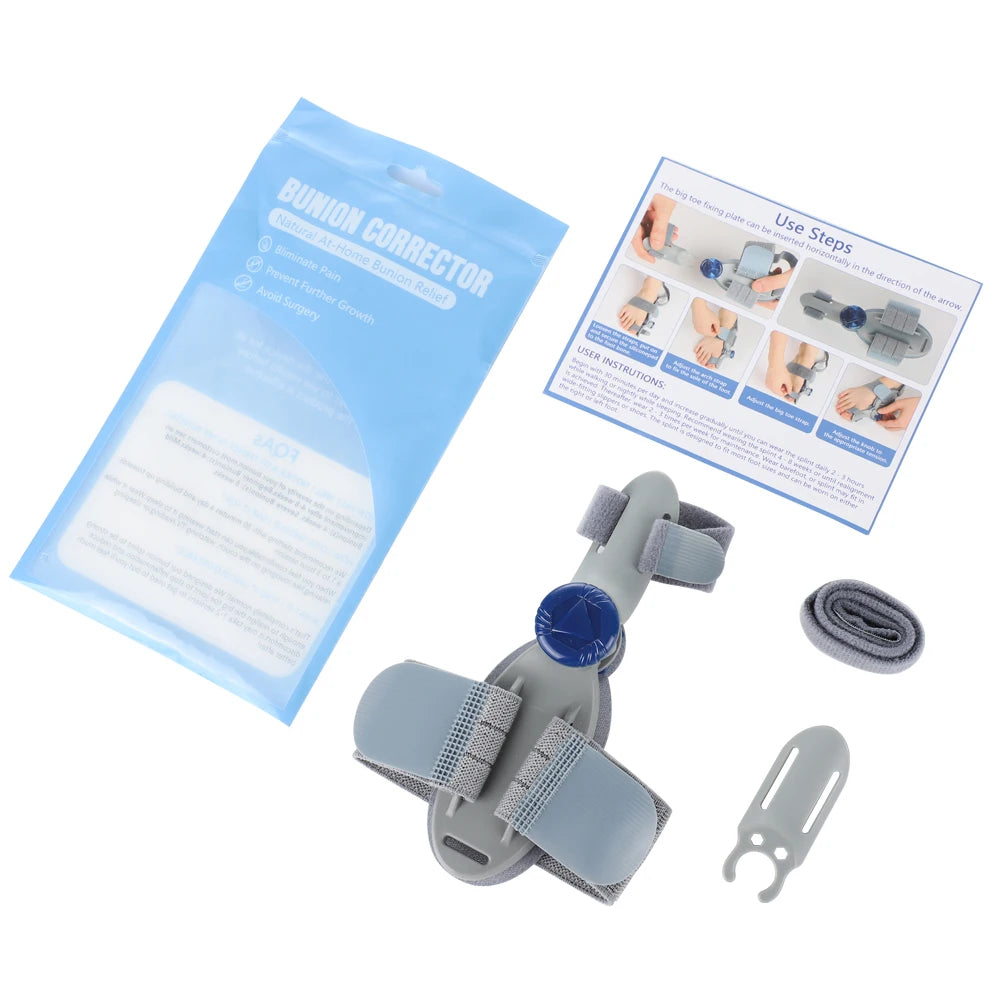
Flexible support in motion — See it in action
How to wear a bunion corrector for daily walking (step-by-step)
- Wash and dry your feet.
- Position the separator between the big and second toes.
- Adjust until snug but never tight.
- Wear with wide or flexible shoes.
- Increase wear time gradually over one to two weeks.
Breaking it in
Begin with 30–60 minutes daily before progressing to several hours. This allows your foot to adapt without unnecessary soreness.
Choosing compatible footwear
Supportive walking shoes with a wide toe box help maximize the effectiveness of a bunion corrector for daily wear . Avoid narrow or pointed shoes that compress the toes.
Learning how to wear a bunion corrector properly improves both comfort and effectiveness.
Safety tips: when NOT to wear a bunion corrector while walking
- Severe bunions causing intense pain
- Open wounds or significant skin irritation
- Poorly fitted devices causing numbness
- Rigid splints intended only for nighttime use
Persistent pain should always be evaluated by a healthcare professional.
Buying guide: choose the right bunion corrector for your lifestyle
By shoe type
- Walking shoes: Gel separators or soft sleeves.
- Office shoes: Ultra-thin separators.
- Athletic shoes: Breathable flexible separators.
- Wide-toe footwear: Adjustable comfort designs.
By daily activity
- Desk work: lightweight separator.
- Retail or healthcare: cushioned sleeve.
- Frequent travel: compact low-profile design.
- Extended walking: breathable gel separator with cushioning.
You may also benefit from learning about Toe Separators vs Bunion Correctors and How to Relieve Bunion Pain Naturally.
Cleaning, maintenance, and product lifespan
Wash reusable silicone or gel correctors with mild soap and warm water after regular use. Allow them to air dry completely before storing away from direct sunlight.
- Clean several times each week.
- Inspect regularly for tears or stretching.
- Replace if the material loses elasticity or cushioning.
- Store flat to maintain shape.
Real user experiences and walking performance insights
Overall feedback consistently highlights improved comfort rather than permanent correction.
Common pros
- Reduced friction inside shoes
- Less soreness after prolonged walking
- Improved comfort during standing
- Better toe spacing while wearing the device
Common complaints
- Some adjustment period is normal.
- Poor sizing may cause slipping.
- Bulky models fit poorly inside narrow shoes.
- Results vary depending on bunion severity.
Get yours now — limited stock!
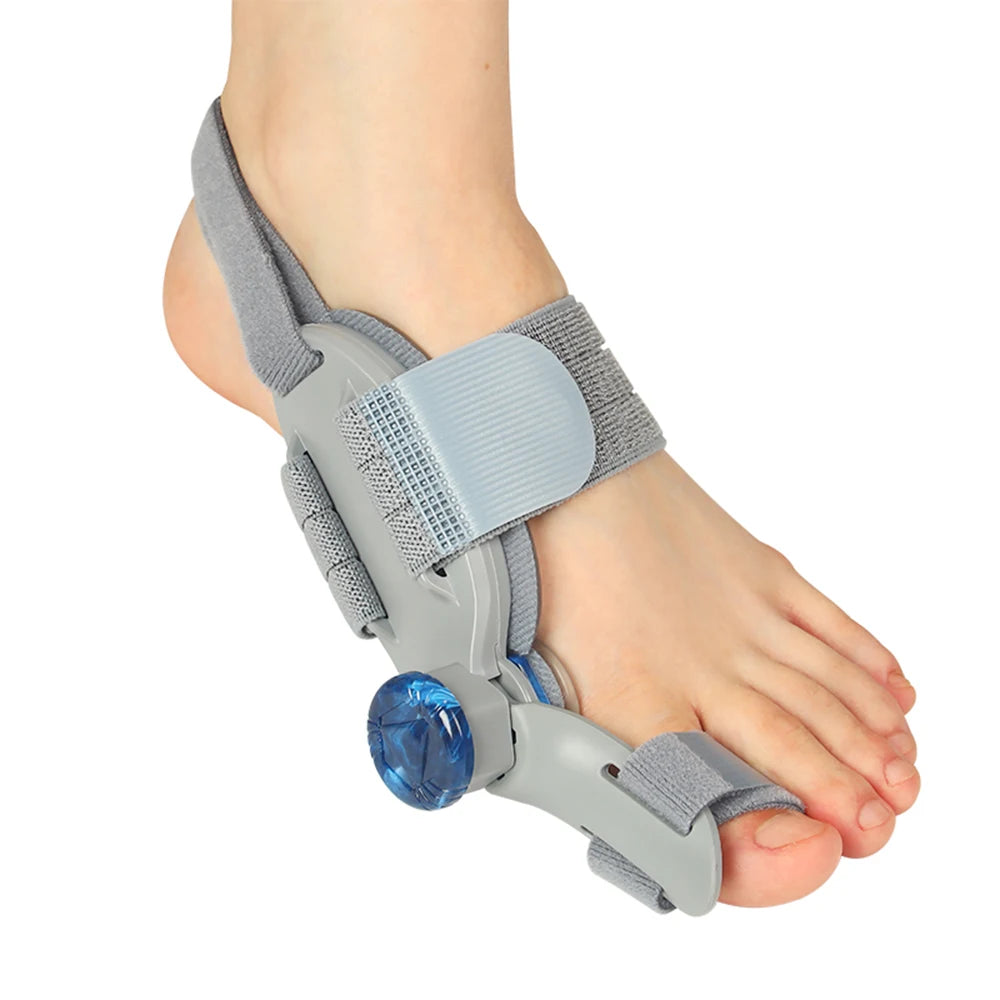
Everyday wear made simple — See it in action
Frequently asked questions
Can I wear a bunion corrector all day?
Most flexible designs can be worn for several hours once you have gradually adapted. Remove the device if it causes discomfort or skin irritation.
Will it fit inside regular shoes?
Low-profile walking correctors fit comfortably inside most sneakers and shoes with adequate toe room.
Can I exercise while wearing a bunion corrector?
Yes, for walking and many low-impact activities. High-impact sports may require additional support depending on comfort.
Does a bunion corrector work while walking?
Yes. It temporarily improves toe positioning, reduces friction, and makes walking more comfortable, but it does not permanently eliminate a bunion.
How long should I wear one each day?
Begin with 30 to 60 minutes daily and gradually increase wear time as your feet adapt.
Can it stop bunions from getting worse?
While no corrector can guarantee prevention, reducing pressure, improving footwear choices, and maintaining better toe alignment may help limit progression in some people.
Can you wear a bunion corrector while walking long distances?
Yes, provided it fits properly and you have gradually increased your wear time. Comfortable footwear remains essential.
Are bunion correctors safe inside running shoes?
Flexible, low-profile models are generally compatible with roomy running shoes, but avoid bulky braces that interfere with foot movement.
How tight should a walking bunion corrector be?
It should feel secure without restricting circulation, causing numbness, or increasing pain.
Can a bunion corrector make walking less painful immediately?
Some people notice immediate relief from reduced rubbing, while others improve gradually over several days of consistent use.
Should you choose a toe separator or adjustable splint for daily walking?
Toe separators are usually the better choice for daily walking because they prioritize flexibility and natural movement.
How often should you replace a bunion corrector used every day?
Replace it when the material stretches, tears, loses cushioning, or no longer stays securely in place.
For more self-care insights, explore the Beauty & Self-Care Blog .
Related Guide: Non surgical bunion correction comparison for real relief













