Are portable outdoor gas heaters safe and effective for tents and vans?
Yes, a portable outdoor gas heater can be a safe and effective way to warm a small tent, camper van, or sheltered outdoor space when it is used correctly. Choose a model designed for the intended environment, maintain continuous ventilation, keep clearances from combustible materials, and never ignore the manufacturer's safety instructions. For campers who need reliable off-grid heat, compact propane or butane heaters offer fast, fuel-efficient warmth without taking up much storage space.
Portable Outdoor Gas Heater: Best Picks for Camping, Tents & Van Life (2026 Guide)
⏱ 5 min read
Cold temperatures can turn an enjoyable camping trip into an uncomfortable night. A portable outdoor gas heater provides quick, dependable warmth while remaining compact enough for tents, camper vans, and vehicle-based adventures. This guide explains what to look for, compares common heater types, and highlights the best options for different camping styles while emphasizing safe operation and realistic heating expectations.
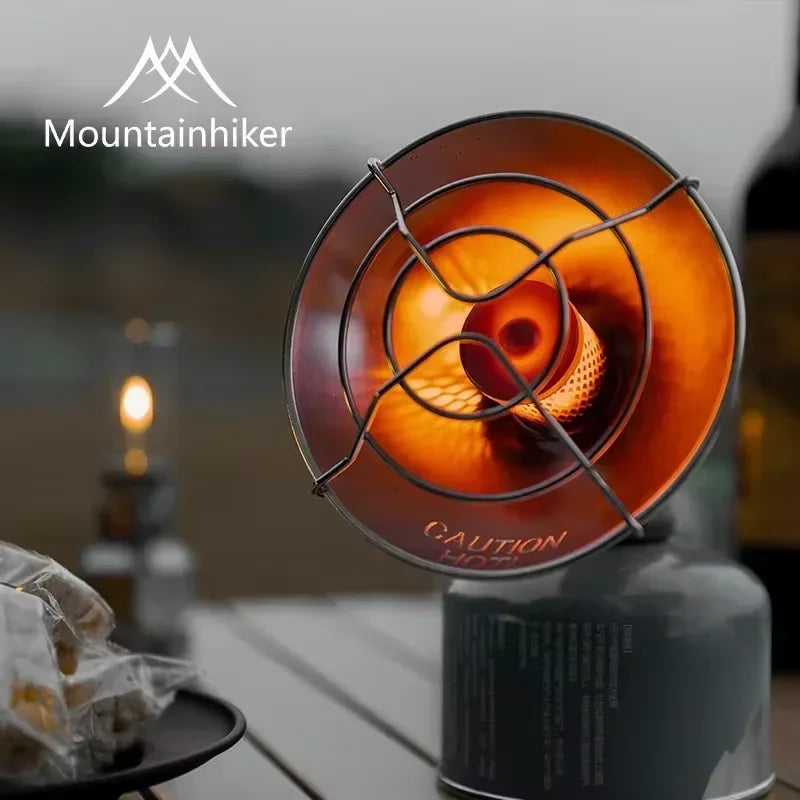
Compact outdoor gas heater for tents and vans — See it in action
Best Portable Outdoor Gas Heater (Top Picks for 2026)
Best overall portable camping gas heater
The best all-around models balance heat output, portability, and safety. Look for units delivering approximately 4,000–9,000 BTU , dependable piezo ignition, tip-over protection, and an oxygen depletion sensor (ODS). These features make them suitable for campsite use, outdoor shelters, and well-ventilated van setups.
Best compact outdoor gas heater for small tents
Compact heaters in the 3,000–6,000 BTU range are generally sufficient for one- or two-person tents. Their lightweight design, lower fuel consumption, and easy storage make them a practical choice for backpackers and minimalist campers who need targeted warmth rather than heating a large area.
Best propane heater for van camping
For camper vans, prioritize heaters with a stable base, adjustable heat settings, extended runtime, and compatibility with larger propane cylinders where appropriate. Built-in safety shutoff systems and sturdy construction are especially valuable when traveling on uneven terrain.
Best budget portable gas heater
Affordable models provide dependable heat for occasional camping trips, outdoor gatherings, or emergency backup. While they can offer excellent value, compare safety features carefully, as premium models often include additional protections that improve long-term usability.
Safest outdoor gas heater for enclosed spaces
If you may use a heater in semi-enclosed environments such as awnings or well-ventilated camper vans, choose models equipped with oxygen depletion sensors (ODS) , automatic tip-over shutoff, flame failure protection, and clear ventilation guidance from the manufacturer.
Quick Comparison Table (BTU, Runtime, Fuel, Weight)
| Heater Type | BTU Range | Typical Coverage | Runtime | Fuel Type | Best Use |
|---|---|---|---|---|---|
| Compact Tent Heater | 3,000–6,000 | Small tents | 4–7 hours | Butane / Propane | Solo campers and compact shelters |
| Mid-Size Camping Heater | 6,000–9,000 | Medium tents & vans | 5–10 hours | Propane | General camping and van life |
| High Output Heater | 9,000–15,000 | Large shelters | 6–12 hours | Propane | Large campsites and outdoor workspaces |
How Portable Outdoor Gas Heaters Work
Portable outdoor gas heaters create heat by burning propane or butane in a controlled combustion chamber. Most compact camping models use radiant heat to warm nearby people and objects directly, while some also produce gentle convection heat that helps circulate warm air through small, well-ventilated spaces.
Because the heat is concentrated rather than dispersed throughout a large area, these heaters can quickly improve comfort inside a campsite shelter, under an awning, or in a properly ventilated camper van while using relatively little fuel. Heating performance depends on the heater's BTU rating, outdoor temperature, wind conditions, insulation, and ventilation.
Propane vs Butane: Which Fuel Type Is Better?
Propane heaters
Propane remains the preferred fuel for cold-weather camping because it continues to vaporize efficiently at lower temperatures. It generally delivers stronger heat output, works well with a wide range of portable heaters, and is widely available, making it an excellent choice for winter camping, overlanding, and van life.
Butane heaters
Butane is lightweight, easy to transport, and commonly packaged in compact canisters that suit weekend camping trips. It performs best in mild to moderate weather but becomes less effective as temperatures approach freezing.
Which should you choose?
Select propane if you regularly camp in cold climates, stay out overnight during winter, or need dependable heat for a camper van. Butane is a practical option for shorter trips, warmer seasons, and campers who prioritize lighter gear and compact fuel storage.
Key Benefits for Camping, Van Life & Small Spaces
- Rapid heat output: Delivers noticeable warmth within minutes in compact outdoor spaces.
- Efficient fuel use: Modern burners maximize runtime while minimizing propane or butane consumption.
- Compact and portable: Small enough to fit easily into camping gear, vans, or vehicle storage compartments.
- Off-grid operation: Provides reliable warmth without requiring electrical hookups or generators.
- Flexible applications: Suitable for camping, overlanding, outdoor work areas, emergency preparedness, and recreational vehicle travel when used according to manufacturer safety guidelines.
Portable Gas Heater vs Electric Heater vs Wood Stove
| Feature | Gas Heater | Electric Heater | Wood Stove |
|---|---|---|---|
| Portability | High | Medium | Low |
| Power Source | Propane/Butane | Electricity | Firewood |
| Off-grid Use | Excellent | Poor without external power | Good |
| Heat Speed | Fast | Moderate | Slow |
| Best For | Camping, vans, emergency backup | Powered campsites and RV parks | Cabins and large canvas shelters |
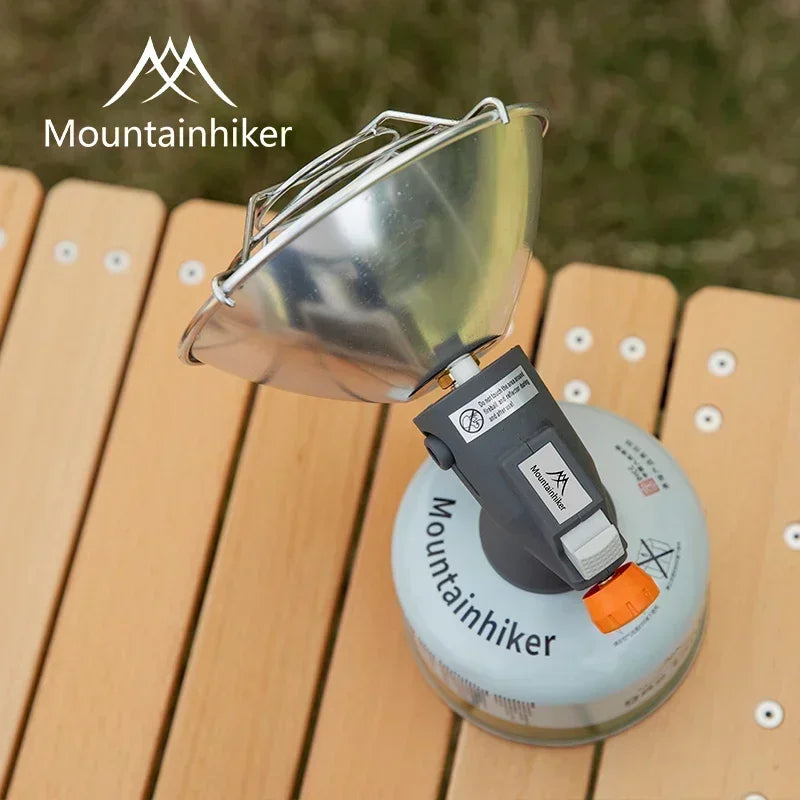
Portable camping gas heater for flexible setups — See it in action
How to Use a Portable Camping Gas Heater Safely
Ventilation rules you must follow
Never operate a gas heater inside a completely sealed tent, camper van, or shelter. Keep roof vents, windows, or tent flaps partially open to allow fresh air to circulate continuously and reduce the risk of oxygen depletion.
Carbon monoxide risks explained
All fuel-burning heaters can produce carbon monoxide if combustion is incomplete. Because the gas is colorless and odorless, it cannot be detected without a carbon monoxide alarm. Stop using the heater immediately if you suspect poor ventilation or combustion problems.
Safe placement inside tents and vans
Position the heater on a stable, level, heat-resistant surface with at least 2–3 feet (60–90 cm) of clearance from sleeping bags, clothing, curtains, fuel containers, and other combustible materials. Never block air intakes or move a heater while it is operating.
Must-have safety accessories
- Carbon monoxide detector
- Fire extinguisher
- Heat-resistant mat
- Spare fuel stored away from heat sources
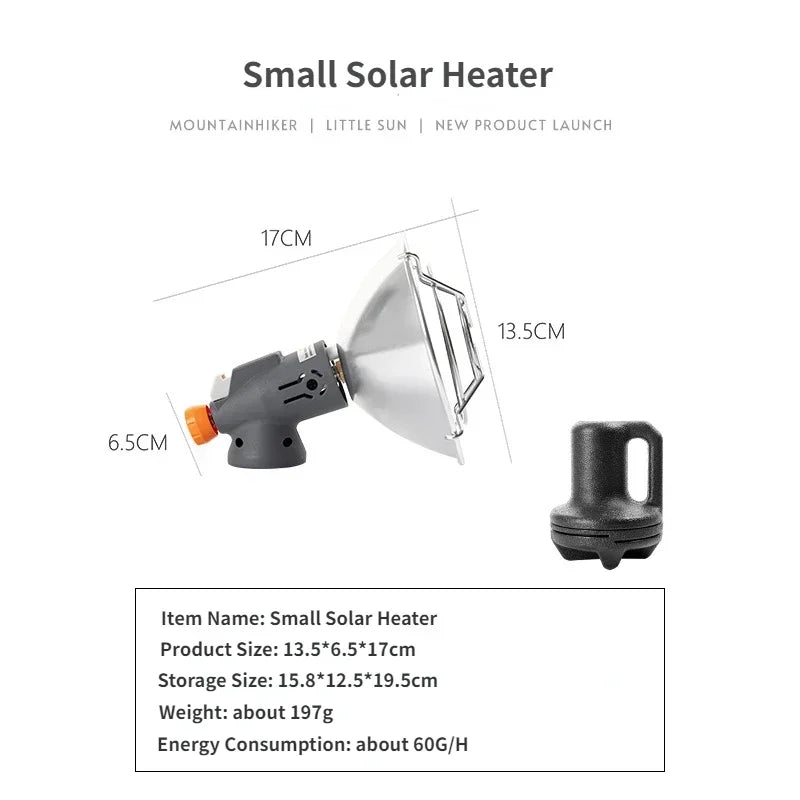
Safe outdoor heating methods for van life comfort — See it in action
Real-World Use Cases (Camping, Vans, Emergency Heating)
Portable gas heaters are versatile tools for outdoor recreation and emergency preparedness when used responsibly.
- Camping: Quickly warm small tents, cooking shelters, and seating areas during chilly mornings and evenings.
- Van life: Provide supplemental heat inside well-ventilated camper vans during cold-weather travel.
- Emergency heating: Offer temporary warmth during power outages where manufacturer guidelines permit safe operation.
Buying Guide: How to Choose the Right Portable Gas Heater
BTU output and heating area
Choose a heater with an output that matches the space you intend to warm. As a general guideline, 3,000–6,000 BTU is suitable for most small tents, while 6,000–9,000 BTU is better suited to larger tents, camper vans, and sheltered outdoor seating areas. Oversized heaters can waste fuel, while undersized models may struggle in freezing temperatures.
Runtime and fuel efficiency
Longer burn times reduce the need for frequent fuel changes and improve convenience on overnight trips. Compare fuel consumption at both low and high heat settings, as actual runtime varies depending on outside temperature and heater output.
Size and portability
If storage space is limited, prioritize compact, lightweight heaters with carrying handles and stable bases. Portable designs are easier to transport, pack, and position safely around your campsite.
Safety features to look for
Look for essential safety features such as tip-over protection, an oxygen depletion sensor (ODS), flame failure shutoff, reliable ignition, and clear operating instructions. These features provide additional protection but should never replace proper ventilation and responsible operation.
FAQ: Mini Camping Gas Heaters
Can you use a gas heater in a tent?
Some camping heaters are designed for use in well-ventilated tents, but you should always follow the manufacturer's instructions. Maintain adequate airflow, keep the heater away from combustible materials, and never operate it inside a completely sealed shelter.
What is the safest camping gas heater?
The safest models include tip-over shutoff, an oxygen depletion sensor, stable construction, and low-emission burners. Pair the heater with a carbon monoxide detector for additional safety during camping or van travel.
Is propane or butane better for winter camping?
Propane is generally the better choice because it performs reliably in freezing temperatures. Butane is better suited to mild-weather camping where compact fuel canisters and lighter weight are priorities.
How long does a small gas heater run?
Runtime depends on the heater's BTU rating, fuel cylinder size, and heat setting. Many compact camping heaters operate for approximately 4–7 hours on a small cylinder at moderate output, while lower settings typically extend runtime.
Can you sleep with a camping gas heater on?
It is generally not recommended to sleep with a portable camping gas heater operating unless the heater is specifically certified for that use and all manufacturer safety requirements are met. Many campers prefer to warm the shelter before bedtime and switch the heater off before sleeping.
Related Guide: Winter Camping Gear That Works for Freezing Adventures
Final Verdict: Which Portable Outdoor Gas Heater Should You Choose?
A mid-range propane heater with dependable safety features offers the best balance of performance, portability, and value for most campers. Smaller low-BTU models are ideal for compact tents, while van campers benefit from heaters with longer runtimes, stable bases, and adjustable heat output.
Ultimately, the best portable outdoor gas heater is the one that matches your camping style, expected weather conditions, and available space. Prioritize certified safety features, adequate ventilation, fuel efficiency, and an appropriate BTU rating to enjoy comfortable off-grid warmth throughout the camping season.