

Does constant knee soreness ever go away?
Constant knee soreness is common, especially with aging, repetitive activity, or muscle imbalances. While the underlying cause determines whether symptoms completely resolve, many people can significantly reduce discomfort through consistent movement, strengthening, targeted heat, and healthy recovery habits. The goal is not simply to mask pain, but to improve joint function so everyday activities become more comfortable.
Constant Knee Soreness: How to Manage Knee Pain Throughout the Day
Living with constant knee soreness can feel frustrating, limiting, and unpredictable. One moment your knees feel fine, and the next they become stiff, tight, or achy after standing, walking, climbing stairs, or even resting. Understanding how symptoms change throughout the day can help you choose the right strategies to reduce discomfort, improve mobility, and stay active.
⏱ 8 min read
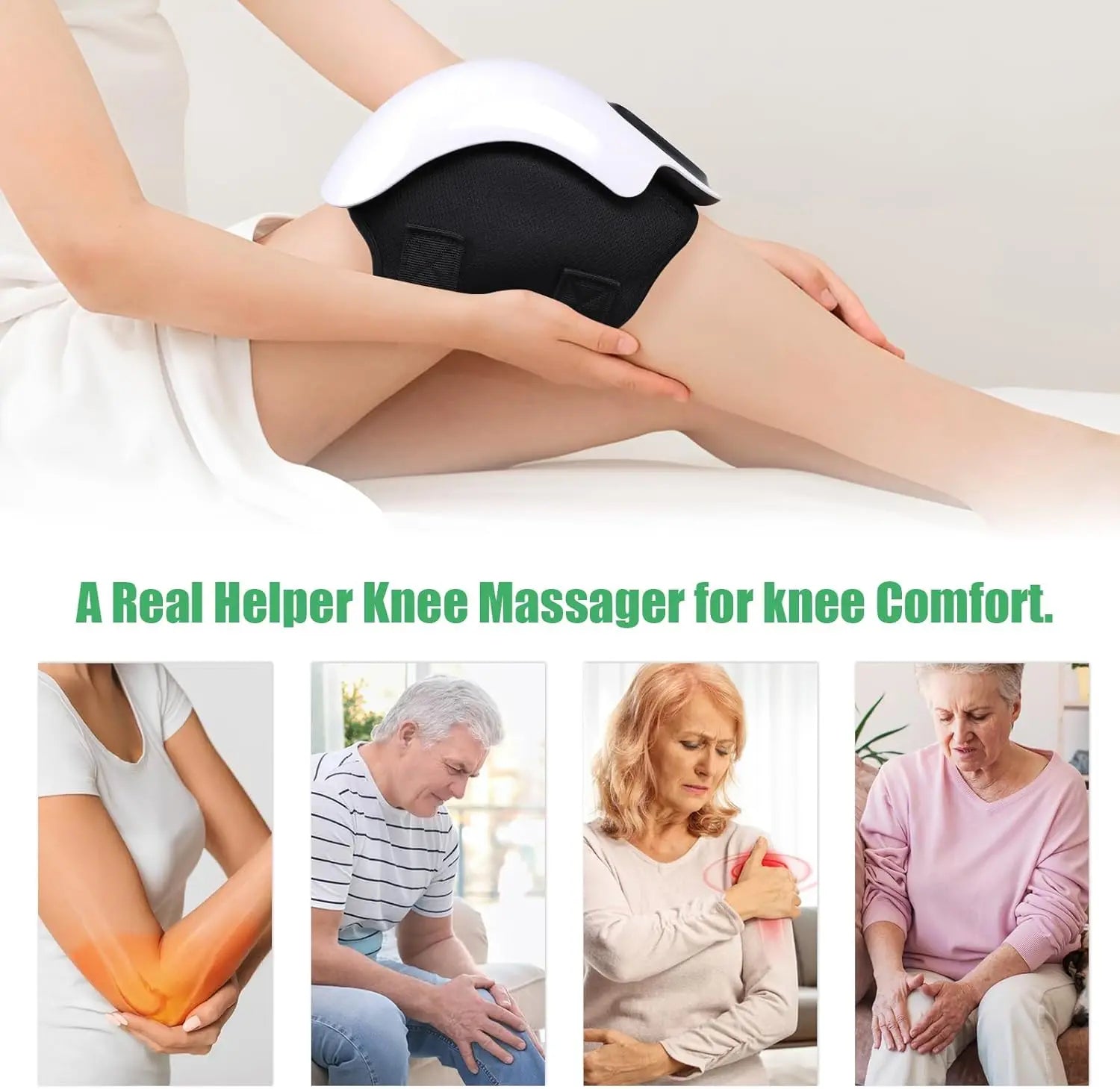
Daily relief for constant knee soreness — See it in action
Why do my knees hurt all day? Understanding knee pain throughout the day
Knee pain throughout the day often follows recognizable patterns. Paying attention to when symptoms appear can help distinguish mechanical problems from inflammatory conditions and guide appropriate self-care.
Morning knee stiffness
Stiffness after waking is common because joints move less overnight and muscles become less flexible. Symptoms that improve within 30 minutes often suggest mechanical stiffness, while prolonged morning stiffness may indicate inflammatory arthritis and should be discussed with a healthcare provider.
Pain during walking or standing
Knee pain when walking or standing often develops from increased joint loading, muscle weakness, poor walking mechanics, or cartilage wear. Pain that gradually increases with activity is commonly associated with mechanical knee conditions.
Soreness after prolonged standing
Standing for extended periods increases pressure across the knee joint while reducing muscle recovery time. Hard flooring, unsupportive footwear, and limited movement breaks can make soreness progressively worse.
Evening and nighttime knee pain
By evening, muscles surrounding the knee may become fatigued and tight after daily activities. Joint irritation accumulated throughout the day may also become more noticeable once you stop moving.
Time-of-day knee pain symptom guide
| Time of day | Common symptoms | Possible causes | Helpful self-care |
|---|---|---|---|
| Morning | Stiffness, reduced flexibility | Joint stiffness, muscle tightness | Gentle mobility, heat therapy |
| Midday activity | Pain when walking or climbing stairs | Overuse, patellofemoral stress | Walking breaks, posture adjustments |
| After prolonged standing | Deep aching, muscle fatigue | Joint loading, muscle exhaustion | Stretching, elevation, heat |
| Nighttime | Throbbing, stiffness | Daily inflammation, muscle tension | Heat, relaxation, supportive positioning |
If your symptoms consistently follow the same daily pattern or gradually worsen over weeks, it's worth discussing them with a healthcare professional to identify the underlying cause.
Common causes of knee discomfort and how they differ
Constant knee soreness can result from several different conditions. Understanding the typical symptom pattern may help you recognize when professional evaluation is appropriate.
Osteoarthritis
Osteoarthritis develops as cartilage gradually wears down over time. Symptoms often include stiffness after inactivity, pain during weight-bearing activities, and reduced flexibility.
Patellofemoral pain syndrome
Often called runner's knee, this condition causes pain around the front of the kneecap, especially during stairs, squatting, prolonged sitting, or repeated walking.
Tendonitis
Tendon irritation typically causes localized pain that worsens with repetitive movement, jumping, or sudden increases in activity.
Bursitis
Inflamed bursae create tenderness, swelling, and pain around the knee, particularly when kneeling or applying pressure.
Inflammatory arthritis
Unlike mechanical knee pain, inflammatory arthritis may cause prolonged morning stiffness, warmth, swelling, and symptoms affecting multiple joints.
Morning routine to reduce knee stiffness
A simple morning routine helps loosen knee stiffness and prepares the joint for daily movement.
Gentle mobility
- Slowly bend and straighten your knees before getting out of bed.
- Perform gentle ankle pumps to improve circulation.
- Complete several seated knee extensions before standing.
Warm-up exercises
Spend five minutes performing low-impact movements such as mini squats, heel raises, or short walks to gradually activate the muscles supporting your knees.
Heat therapy
A warm shower, heating pad, or gentle heat wrap may reduce knee stiffness and tight muscles before beginning your day.
How to relieve knee pain during the day
Managing knee pain throughout the day is often more effective when small habits are repeated consistently.
Walking modifications
- Walk at a comfortable pace instead of rushing.
- Avoid sudden increases in distance or intensity.
- Choose flatter routes whenever possible.
Standing posture
- Distribute weight evenly between both legs.
- Avoid locking your knees.
- Shift position regularly when standing for work.
Desk movement breaks
- Stand up every 30–60 minutes.
- Perform gentle knee bends or calf stretches.
- Alternate between sitting and standing if possible.
Supportive footwear
Shoes with adequate cushioning and arch support may reduce repetitive stress on the knees during walking or prolonged standing.
How to ease sore knees after standing
Sore knees after standing often improve with a brief recovery routine that reduces muscle tension and restores comfortable movement.
Recovery stretches
- Stretch the quadriceps, hamstrings, and calves for 20–30 seconds.
- Walk gently for several minutes before sitting completely.
Elevation
If mild swelling develops, elevating your legs during rest may improve comfort.
Compression
Some people benefit from a compression sleeve that provides light support during activity. Compression should feel supportive rather than restrictive.
Targeted knee support tools from the Body Care and Health Devices collection are designed to deliver relief without interrupting your routine.
The link between knee pain and tight muscles
Knees depend on surrounding muscles to absorb force efficiently. Tight or weak muscles can increase stress on the joint and contribute to knee stiffness.
Quadriceps
Tight quadriceps may increase pressure on the kneecap during walking and stair climbing.
Hamstrings
Reduced hamstring flexibility can limit knee movement and alter normal mechanics.
Calves
Tight calf muscles may affect ankle mobility, indirectly increasing forces through the knee.
Hip muscles
Weak hip stabilizers may allow the knee to move inward during walking or squatting, contributing to discomfort over time.
Combining stretching, strengthening, and heat can often improve movement quality more effectively than relying on passive support alone.
Do knee massagers work for daily knee pain relief?
Knee massagers may provide temporary relief for people experiencing muscle tightness, stiffness, or soreness related to daily activity. Research suggests that heat therapy can improve flexibility and comfort, while vibration may temporarily reduce muscle tension and improve local circulation.
Evidence overview
Current evidence supports heat therapy as a useful option for reducing stiffness, while vibration therapy may help relax surrounding muscles. Neither treatment reverses arthritis or structural joint damage.
Who may benefit
- People with mild daily stiffness
- Individuals who stand for long hours
- Those recovering after exercise
- Adults with muscle-related knee discomfort
Limitations
Knee massagers work best as part of a broader routine that includes strengthening exercises, movement, weight management when appropriate, and medical care if symptoms persist.
| Option | Benefits | Limitations |
|---|---|---|
| Heat Wrap | Simple warmth for stiff joints | No massage or vibration |
| Knee Massager | Heat plus vibration for temporary muscle relaxation | Requires charging and regular use |
Modern options like the cordless knee massager allow flexible use while working, sitting, or relaxing.
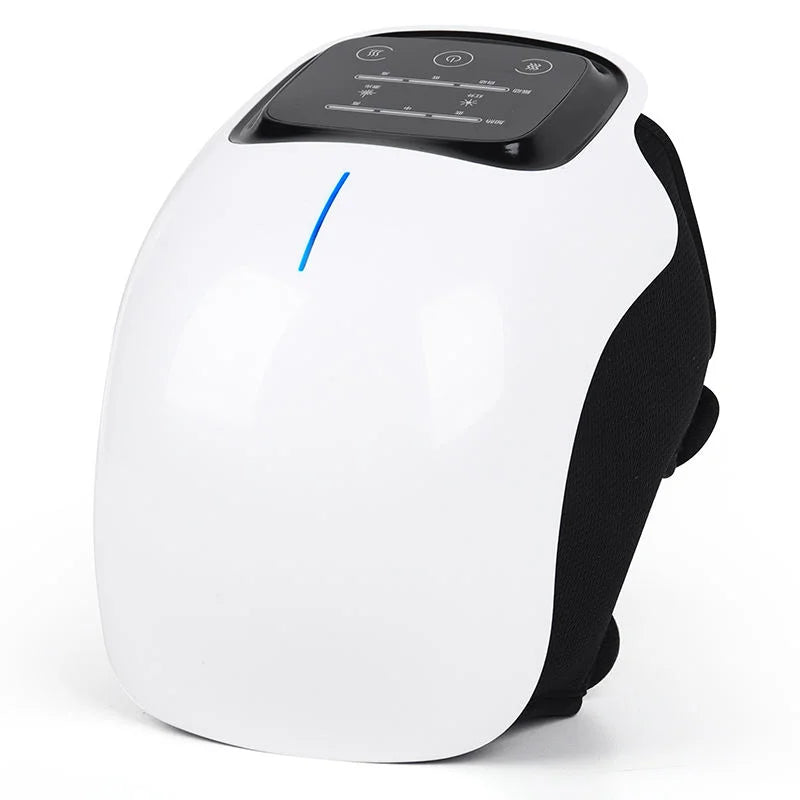
Heat and vibration for sore knees after standing — See it in action
Evidence-based knee pain relief at home
Home management is most successful when several evidence-based strategies are combined consistently.
Heat vs cold
Heat generally works best for stiffness and muscle tightness, while cold therapy may help reduce swelling after acute activity or injury.
Strengthening exercises
Low-impact exercises such as straight leg raises, step-ups, wall sits, and glute strengthening improve joint stability over time.
Weight management
For individuals carrying excess body weight, gradual weight reduction may decrease stress placed on the knee joint during walking.
Recovery habits
- Stay physically active most days.
- Stretch after exercise.
- Maintain good hydration.
- Allow adequate sleep and recovery.
Red flags: when knee pain needs medical evaluation
Although many cases of constant knee soreness improve with conservative care, certain symptoms require prompt medical assessment.
Urgent symptoms
- Inability to bear weight
- Significant swelling after injury
- Visible deformity
- Fever with a painful swollen knee
Persistent pain
Seek evaluation if knee pain lasts several weeks despite self-care, continues to worsen, or regularly limits daily activities.
Imaging considerations
Your healthcare provider may recommend X-rays, ultrasound, or MRI depending on your symptoms, physical examination, and suspected diagnosis.
Sleeping with knee pain
Nighttime care can reduce overnight discomfort and improve morning mobility.
Best sleep positions
Sleeping on your back with a pillow beneath the knees or on your side with a pillow between the knees may reduce joint stress.
Nighttime symptom relief
- Apply heat for 10–15 minutes before bed.
- Use gentle vibration therapy to relax surrounding muscles.
- Avoid vigorous activity immediately before sleeping.
Mattress and pillow support
A supportive mattress and properly positioned pillows can help maintain comfortable leg alignment throughout the night.
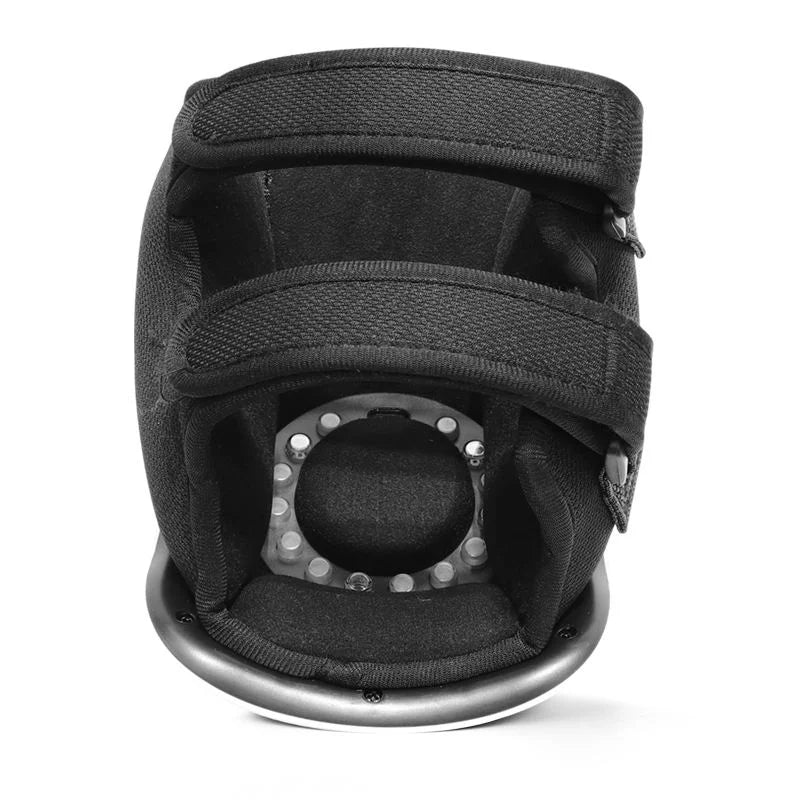
Nighttime comfort for knee pain and tight muscles — See it in action
Frequently asked questions
Why does knee pain get worse as the day goes on?
Repeated loading, muscle fatigue, and accumulated joint stress can make symptoms more noticeable by evening.
Why are my knees stiff in the morning but better later?
Movement helps lubricate joints and warm surrounding muscles, reducing stiffness for many mechanical knee conditions.
Can standing all day permanently damage my knees?
Standing alone does not necessarily damage healthy knees, but prolonged standing can worsen existing joint problems or contribute to muscle fatigue if recovery is inadequate.
What is the difference between arthritis and tendonitis knee pain?
Arthritis usually affects the joint itself and commonly causes stiffness, while tendonitis primarily involves painful, irritated tendons that worsen with specific movements.
Do knee massagers really help with chronic knee soreness?
They may temporarily reduce stiffness and muscle tightness through heat and vibration, but they should complement—not replace—exercise and appropriate medical care.
Which exercises are safe for sore knees every day?
Low-impact strengthening exercises such as straight leg raises, mini squats, wall sits, and gentle stretching are commonly recommended, provided they do not significantly increase pain.
When should constant knee pain be evaluated by a doctor?
If symptoms persist for several weeks, worsen despite home treatment, involve swelling or instability, or interfere with normal daily activities, schedule a medical evaluation.
Related Guide: Ways to Relax Knee Joints Step by Step at Home













