

Does Dead Skin Build Up on Feet Go Away Naturally?
Dead skin build up on feet can improve naturally if your skin renews itself normally and stays well hydrated. However, many people experience dead skin accumulation on feet because repeated pressure, friction, and dryness slow the natural shedding process. For most people, combining gentle exfoliation with daily moisturizing produces visible improvement within 1–2 weeks.
How the Skin Naturally Sheds
Your skin continuously replaces old cells through a renewal cycle that typically takes 28–40 days. As fresh skin cells move toward the surface, older cells naturally flake away. Healthy hydration, good circulation, and minimal friction help this process occur without noticeable buildup.
Why Dead Skin Sometimes Accumulates Instead
If you've ever wondered, why does my feet have so much dead skin , the answer is usually that your skin is producing protective keratin faster than it can shed it. Standing for long periods, poorly fitting shoes, dry climates, aging skin, and frequent pressure on the heels can all contribute to thickened skin that doesn't disappear on its own.
Instead of forcing thick layers off at once, gradual exfoliation combined with barrier repair is the safest long-term solution.
⏱ 7 min read
Dead Skin Build Up on Feet: Causes, Safe Removal, and Long-Term Prevention
Dead skin build up on feet can make even confident people avoid sandals. If your heels feel rough or keep cracking despite using lotion, the issue is usually not effort—it’s often using the wrong routine or expecting instant results. This guide explains the causes of thick dead skin, how to remove it safely, and how to keep your feet smooth over time.
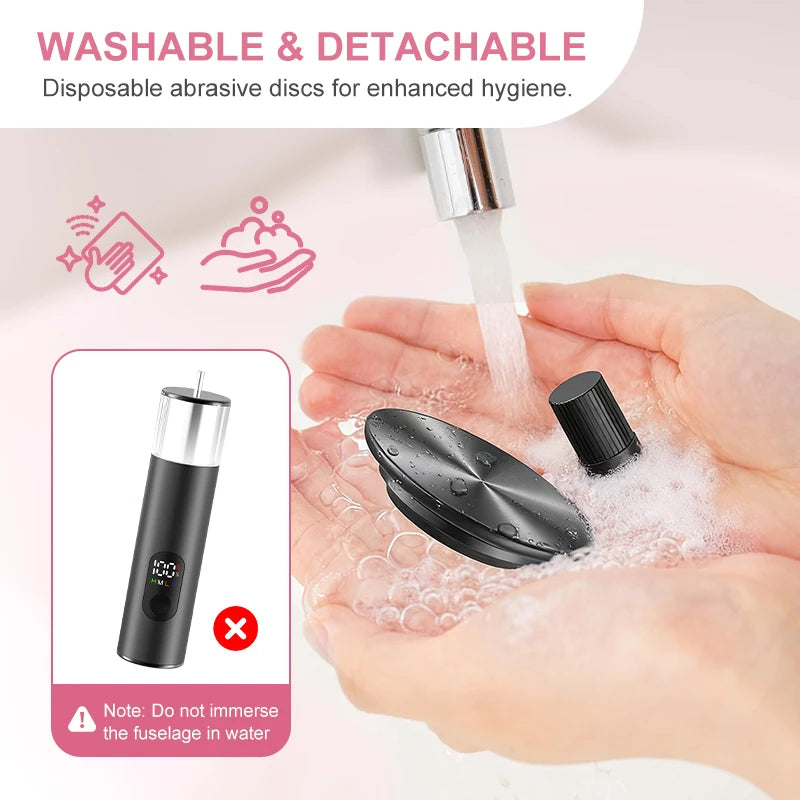
Dead skin build up on feet often starts invisible — See it in action
What Causes Dead Skin Build Up on Feet?
The most common causes of dead skin on feet involve a combination of natural skin renewal, repeated pressure, and environmental factors. Thickened skin develops because your body creates extra keratin to protect areas exposed to constant stress.
Natural Skin Renewal vs. Keratin Buildup
Your skin normally renews itself every few weeks. When this shedding slows or keratin production increases, layers of old skin accumulate into rough, hardened patches. This is why some people notice so much dead skin on feet despite regular washing.
Friction, Pressure, and Foot Mechanics
Walking, running, standing for extended periods, and wearing shoes that create pressure all stimulate thicker skin. Common pressure points include the heels, balls of the feet, and sides of the big toe.
Dryness, Dehydration, and Environment
Feet contain relatively few oil glands, making them especially vulnerable to moisture loss. Hot showers, cold weather, harsh cleansers, and low humidity all increase dryness, allowing thick dead skin on feet to form more easily.
Medical Conditions That Cause Thick Dead Skin
Sometimes excessive buildup is linked to eczema, psoriasis, fungal infections, abnormal foot mechanics, or chronic pressure from structural foot problems. Diabetes and poor circulation may also contribute to dry, cracked skin while increasing the risk of complications, making professional evaluation important if symptoms become severe.
Dead Skin vs. Calluses, Corns, Cracked Heels, and Foot Infections
How to Tell the Difference
- Dead skin: Thin to moderately thick dry flakes that gradually peel away.
- Calluses: Broad, thickened protective skin caused by repeated pressure.
- Corns: Small, concentrated areas of hard skin that often become painful when pressed.
- Cracked heels: Splits that develop when dry, thick skin loses flexibility.
When It May Be More Than Dry Skin
If the affected area becomes red, swollen, warm, drains fluid, develops an unpleasant odor, or spreads rapidly, the problem may involve infection rather than simple dryness. Persistent itching and scaling between the toes may also suggest athlete's foot instead of ordinary dead skin.
Signs You Have Excessive Dead Skin on Your Feet
Knowing the difference between ordinary dryness and excessive dead skin buildup on feet helps you choose the right treatment before cracks develop.
Normal Dry Skin vs. Thick Dead Skin
Normal dry skin usually appears as light flaking that improves with moisturizer. Thick dead skin often looks yellowish or white, feels waxy or stiff, and remains rough even after applying lotion.
Arrange a medical evaluation if you notice:
- Deep cracks that bleed or become painful
- Rapidly worsening thick skin
- Swelling, redness, or drainage
- Loss of sensation in your feet
- Persistent symptoms despite several weeks of home care
How to Remove Dead Skin From Feet Safely: Step-by-Step
The safest way to remove dead skin from feet combines softening, controlled exfoliation, and skin barrier repair. Trying to remove everything in one session usually causes irritation.
Step 1: Soften the Skin
Soak your feet in comfortably warm water for 10–15 minutes. Mild soap or Epsom salt can help soften hardened skin, making exfoliation easier without excessive force.
Step 2: Choose the Right Exfoliation Method
Select a foot exfoliation method based on the amount of buildup. Gentle circular motions with a pumice stone, manual foot file, or electric device remove loose skin more safely than aggressive scraping.
Step 3: Remove Thick Dead Skin Gently
Focus only on hardened areas. Removing thin layers over multiple sessions reduces irritation and lowers the chance that your skin will respond by producing even thicker protective layers.
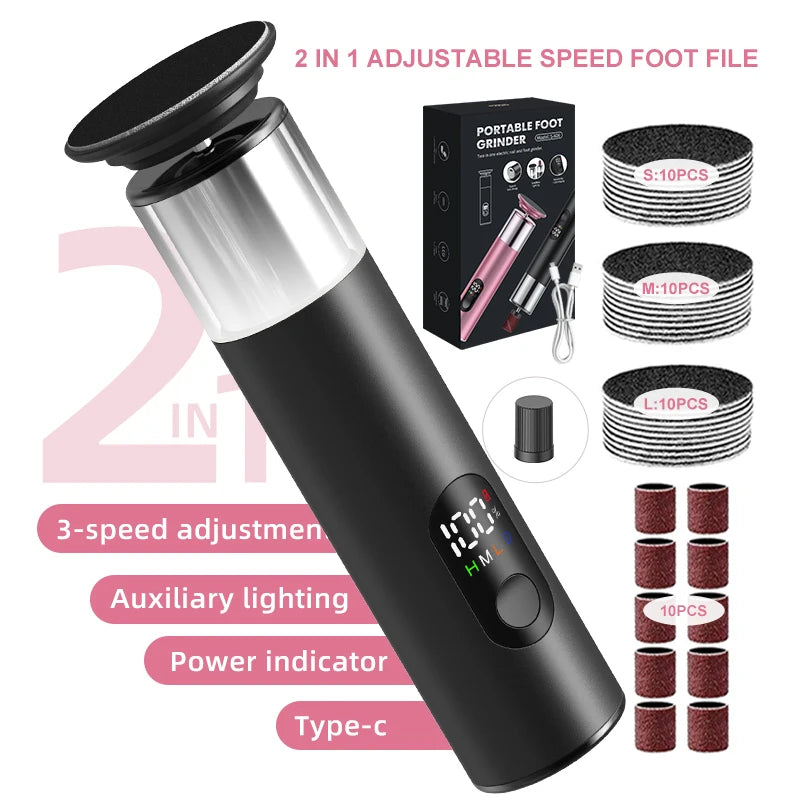
Consistent foot smoothing reduces buildup — See it in action
This is where an electric foot file grinder becomes a practical solution for stubborn buildup.
Step 4: Moisturize and Protect the Skin Barrier
Immediately after exfoliation, apply a moisturizer containing urea, glycerin, ceramides, or lactic acid. Locking in moisture helps prevent future thickening while supporting healthy skin renewal.
Foot Exfoliation Methods Compared
Different foot exfoliation methods work better depending on the severity of buildup.
Pumice Stones and Foot Files
Manual tools are inexpensive, easy to control, and ideal for mild to moderate buildup. They require consistent use but allow precise treatment of problem areas.
Chemical Exfoliants (Urea, AHAs, BHAs)
Products containing urea soften hardened keratin, while alpha- and beta-hydroxy acids gradually dissolve accumulated dead skin. These ingredients work well when paired with regular moisturizing.
Electric Foot Files
Electric foot files use rotating rollers to buff away hardened skin with consistent pressure. They can make removing thicker buildup easier while reducing the effort required.
Which Method Is Best for Your Skin
| Method | Best For | Advantages | Considerations |
|---|---|---|---|
| Pumice stone | Light dryness | Affordable, gentle | Slower results |
| Manual foot file | Moderate buildup | Good control | Requires consistent technique |
| Chemical exfoliants | Dry, rough skin | Softens skin gradually | Needs regular application |
| Electric foot file | Thicker buildup | Fast, even exfoliation | Use only 1–2 times weekly |
Using an Electric Foot File Safely
Who Benefits Most
An electric foot file is particularly useful for people with stubborn heel buildup, recurring calluses, or difficulty maintaining consistent pressure with manual tools. It should always be used gently without forcing the roller against the skin.
Common Mistakes to Avoid
- Using the device on broken or bleeding skin
- Holding the roller in one spot too long
- Using excessive pressure
- Exfoliating more than twice per week
- Skipping moisturizer after treatment
For best results, explore tools in Body Care and Health Devices and Skin and Beauty Care Devices .
Common Mistakes That Make Dead Skin Worse
Over-Scraping
Removing too much skin at once can trigger the body to produce even thicker protective layers.
Skipping Moisturizer
Without restoring moisture after exfoliation, the skin barrier weakens and dryness quickly returns.
Ignoring Underlying Conditions
If recurring buildup is caused by fungal infections, eczema, psoriasis, abnormal gait, or diabetes, exfoliation alone will not solve the problem.
Weekly Foot Care Routine for Smooth, Healthy Feet
Daily Care
- Apply moisturizer every day.
- Wear breathable socks.
- Inspect your heels for early dryness.
Weekly Exfoliation
- Soak feet once or twice weekly.
- Gently exfoliate softened skin.
- Apply a rich moisturizer immediately afterward.
Long-Term Maintenance
Consistency matters more than aggressive treatment. Small amounts of regular exfoliation are far more effective than occasional heavy scraping.

Smooth feet are built with consistency — See it in action
How to Prevent Dead Skin Accumulation on Feet
Hydration and Skin Care
Daily moisturizing is the most effective way to reduce dead skin accumulation on feet . Applying moisturizer after bathing and before bed helps maintain a stronger skin barrier.
Footwear and Pressure Management
Wear supportive, properly fitted shoes that reduce excessive pressure on the heels and forefoot. Replace worn-out footwear that no longer cushions impact.
Lifestyle Habits That Reduce Buildup
- Stay hydrated.
- Avoid walking barefoot on rough surfaces for long periods.
- Change damp socks promptly.
- Address foot pain or abnormal walking patterns early.
Who Should Avoid Removing Dead Skin at Home?
Diabetes
People with diabetes should avoid aggressive home removal because reduced sensation and slower healing increase the risk of injury and infection.
Poor Circulation
Reduced blood flow can delay healing even after minor skin damage. Professional foot care is generally safer for these individuals.
Peripheral Neuropathy
If you have numbness or decreased feeling in your feet, you may not notice injuries caused by exfoliation. Consult your healthcare provider before using foot files or blades.
When to See a Podiatrist or Dermatologist
Red Flags
- Bleeding cracks
- Signs of infection
- Rapidly thickening skin
- Persistent pain while walking
Persistent or Recurrent Thick Skin
If thick dead skin on feet continues returning despite proper care, a podiatrist or dermatologist can determine whether biomechanical issues, skin disease, or another medical condition is contributing to the problem and recommend appropriate treatment.
Frequently Asked Questions
Why do my feet have so much dead skin even after exfoliating?
Persistent pressure, dry skin, poorly fitting footwear, or an untreated medical condition can cause skin to rebuild faster than it sheds.
How often should I exfoliate dead skin on my feet?
Most people benefit from exfoliating once or twice per week. More frequent exfoliation may irritate the skin.
Can I remove thick dead skin from my feet at home?
Yes, provided the skin is not infected or deeply cracked. Remove buildup gradually rather than trying to eliminate it in one session.
What causes dead skin to build up on heels?
The heels absorb high pressure during walking, making them especially prone to thickened protective skin, dryness, and callus formation.
Are electric foot files safe for thick dead skin?
Yes. When used according to the manufacturer's instructions, electric foot files can safely smooth thick buildup without excessive pressure.
What moisturizer works best after foot exfoliation?
Products containing urea, glycerin, ceramides, or lactic acid help soften hardened skin while repairing the skin barrier.
Can dead skin on feet be a sign of a medical condition?
Sometimes. Eczema, psoriasis, fungal infections, diabetes, and circulation problems can all contribute to persistent thickened skin.
Should people with diabetes remove dead skin themselves?
In most cases, people with diabetes should seek guidance from a healthcare professional before attempting home removal because even minor injuries can lead to serious complications.
Explore more care solutions in the Beauty & Self-Care Blog and Body & Face Blog .
Related Guide: How to Remove Calluses From Feet Safely at Home













