Does deep conditioning natural hair really work without a steamer?
Yes. Deep conditioning natural hair can be highly effective without a steamer. By trapping your natural body heat with a plastic cap, warm towel, or DIY heat cap, conditioning ingredients have more time to penetrate the hair cuticle. This deep conditioning without heat approach helps improve moisture retention, softness, elasticity, and curl definition while reducing breakage—making it an excellent option for at-home hair care.
Deep Conditioning Natural Hair at Home Without a Steamer
⏱ 6 min read
Healthy natural hair depends on consistent moisture—not expensive equipment. If your curls still feel dry after conditioning, the issue is often technique rather than the products you use. Learning how to deep condition natural hair at home without a steamer allows you to maximize hydration using simple household items while minimizing heat exposure. Whether your hair is curly, coily, low-porosity, or recovering from damage, the right routine can leave it softer, stronger, and easier to manage.
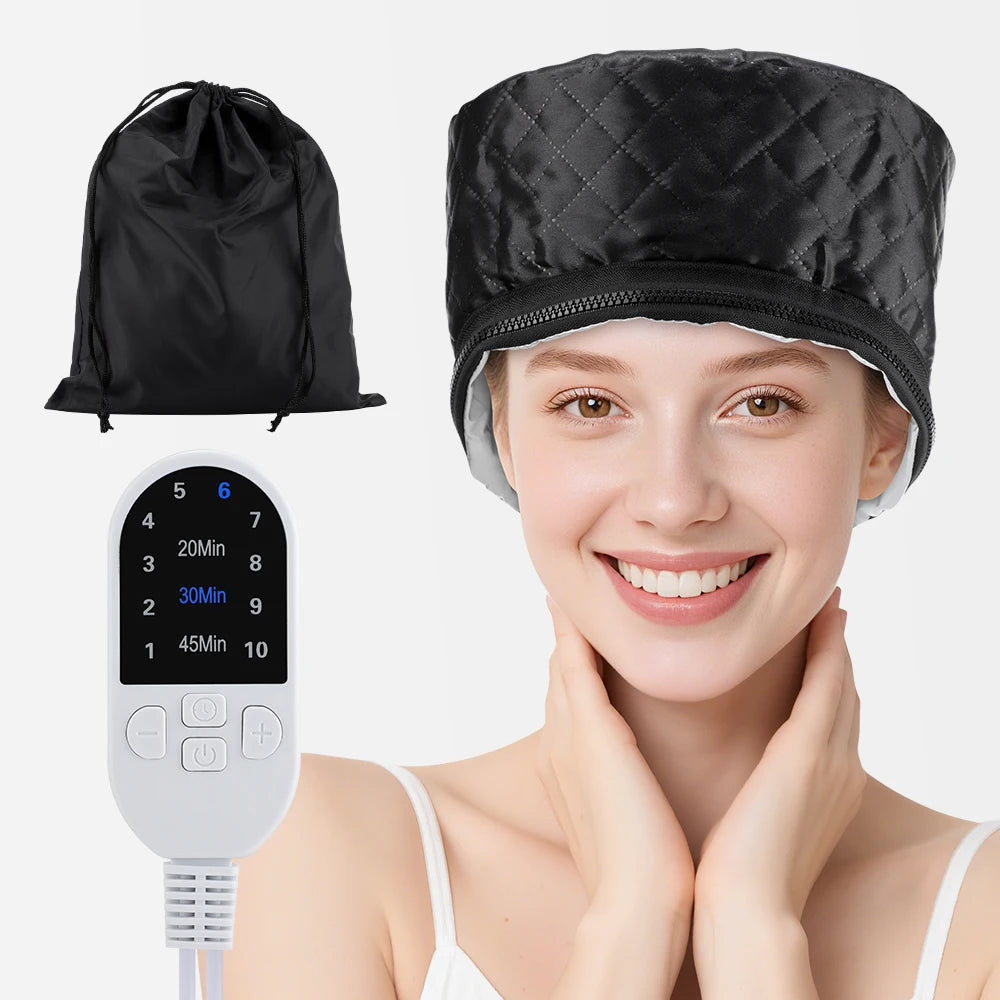
Deep conditioning natural hair without tools — See it in action
Best DIY Hair Steaming Methods Without a Steamer
If you don't own a hair steamer, you can still create a warm, humid environment that helps your deep conditioner work more effectively. These DIY hair steaming without steamer techniques rely on gentle heat, trapped moisture, and longer processing time to support hydration without exposing hair to excessive temperatures.
Hot Towel Method
The hot towel method is one of the simplest at-home hair steaming methods. It provides even warmth that encourages the conditioner to coat the hair strands more effectively.
- Wash or dampen your hair before applying deep conditioner.
- Soak a clean towel in hot (not boiling) water.
- Wring out excess moisture until the towel is damp.
- Wrap the towel around a plastic shower cap.
- Replace or rewarm the towel if it cools too quickly.
- Leave on for 20–30 minutes.
Shower Steam Method
This method uses the humidity created during a warm shower as an easy alternative to a hair steamer. It works well when you're short on time and already planning wash day.
- Apply deep conditioner evenly.
- Cover hair with a plastic cap.
- Take a warm shower while avoiding direct water on your hair.
- Allow the bathroom steam to surround your covered hair for 15–20 minutes.
Plastic Cap + Warm Towel Method
This combines trapped body heat with a warm towel to increase heat retention while remaining gentle on the hair and scalp.
- Apply deep conditioner section by section.
- Cover hair with a plastic shower cap.
- Wrap a warm towel around the cap.
- Secure with a scarf or bonnet if desired.
- Leave on for 30–45 minutes.
Bowl Steam Method
This DIY hair steaming without steamer option creates light steam around your hair without requiring specialized equipment.
- Fill a heat-safe bowl with hot water.
- Apply deep conditioner before steaming.
- Lean over the bowl while keeping a safe distance from the hot water.
- Drape a towel over your head to trap steam.
- Steam for 10–15 minutes, avoiding excessive heat.
DIY Steam Tent Method
If you want longer-lasting warmth, create a temporary steam tent using a shower cap, warm towel, and hooded sweatshirt or large towel wrapped loosely around your head. This helps maintain gentle heat while your conditioner processes.
- Apply deep conditioner to damp hair.
- Cover with a plastic cap.
- Wrap with a warm towel.
- Loosely cover everything with a hood or dry towel to help retain warmth.
- Process for up to 30 minutes.
How to Steam Your Hair at Home Without a Steamer
Quick Answer
To steam your hair at home without a steamer, apply a deep conditioner to clean, damp hair, cover it with a plastic cap, and use a warm towel, bathroom steam, or another gentle heat source to trap warmth for 20–45 minutes. This encourages better moisture absorption while minimizing the risk of heat damage.
Before You Start: What You'll Need
- A moisturizing deep conditioner
- Plastic shower cap
- Wide-tooth comb or detangling brush
- Clean towel
- Warm water
- Optional bonnet or scarf to help retain warmth
Step-by-Step Instructions
- Begin with freshly cleansed, damp hair.
- Section your hair to ensure even product application.
- Apply deep conditioner generously from roots to ends.
- Detangle gently with your fingers or a wide-tooth comb.
- Cover your hair with a plastic cap to trap moisture.
- Choose one of the at-home hair steaming methods above.
- Allow the treatment to process without overheating your hair.
- Rinse thoroughly with cool or lukewarm water to help smooth the cuticle.
- Continue with your preferred leave-in conditioner and styling routine.
How Long to Steam Your Hair
For most hair types, 20–30 minutes provides excellent results. Low-porosity, coarse, or particularly dry hair may benefit from up to 45 minutes when using gentle warmth. Avoid leaving treatments on significantly longer than recommended unless the product directions specifically state otherwise, as prolonged conditioning may contribute to over-moisturized, limp hair.
DIY Heat Cap for Deep Conditioning: Simple, Effective, Affordable
A DIY heat cap for deep conditioning creates a warm, enclosed environment that closely mimics the effects of salon steaming without requiring electricity. It is an excellent option for anyone looking to improve conditioner absorption using common household items.
How to Make a DIY Heat Cap
- Apply your deep conditioner generously from roots to ends.
- Cover your hair with a plastic shower cap.
- Wrap a warm towel or a gently heated rice sock over the cap.
- Secure everything with a bonnet or scarf to help retain warmth.
This simple setup keeps moisture close to the hair while remaining gentle enough for regular use. Many users pair this routine with tools found in the Hair Care and Styling Devices collection for consistent results.

DIY heat cap for deep conditioning — See it in action
Hair Type and Porosity Guide
Curly and Coily Hair
Curly and coily hair naturally loses moisture more quickly because the shape of each strand makes it harder for natural oils to travel from the scalp to the ends. A no heat deep conditioning method performed weekly can improve softness, reduce breakage, enhance curl definition, and make detangling easier without exposing delicate strands to frequent heat.
Wavy and Straight Hair
Wavy and straight hair can also benefit from deep conditioning natural hair at home, especially if it is dry, chemically treated, or exposed to frequent heat styling. Choose lightweight, protein-balanced conditioners to avoid weighing the hair down while restoring moisture.
Low Porosity Hair
Low-porosity hair has tightly packed cuticles that slow moisture absorption. Using a plastic cap with gentle warmth from a towel or DIY heat cap can help conditioners penetrate more effectively. Allow treatments to process for 30–45 minutes, then rinse thoroughly to prevent product buildup.
High Porosity Hair
High-porosity hair absorbs moisture quickly but also loses it faster. Rich, emollient-based deep conditioners followed by a leave-in conditioner or sealing oil can help lock hydration into the hair shaft and reduce frizz.
Color-Treated Hair
Hair that has been colored, bleached, or chemically processed often benefits from regular deep conditioning without heat. Alternate moisturizing and strengthening treatments as needed to improve elasticity while minimizing additional stress from hot tools.
At-Home Hair Steaming Methods Compared
| Method | Best For | Processing Time | Key Advantage |
|---|---|---|---|
| Hot Towel | Most hair types | 20–30 minutes | Simple and effective with household items |
| Shower Steam | Busy routines | 15–20 minutes | Convenient during wash day |
| Plastic Cap + Warm Towel | Low-porosity or dry hair | 30–45 minutes | Excellent moisture retention |
| Bowl Steam | Occasional intensive treatments | 10–15 minutes | Creates gentle steam without equipment |
| DIY Steam Tent | Long conditioning sessions | 20–30 minutes | Maintains warmth for consistent conditioning |
The best alternative to a hair steamer depends on your hair type, available time, and personal preference. Regardless of the method you choose, keeping your hair covered while the conditioner processes helps reduce moisture loss. Wearing a bonnet after styling can also minimize overnight friction and help preserve hydration between wash days.
For enhanced comfort and more consistent heat retention, many people prefer a ready-made conditioning cap instead of assembling a DIY setup for every treatment. A reusable deep conditioning cap helps maintain gentle warmth throughout the conditioning session while simplifying your routine.
Deep Conditioning With Heat vs Without Heat
Both approaches can improve moisture retention when paired with a quality deep conditioner. The right choice depends on your hair type, porosity, and styling routine rather than one method being universally better.
| Method | Main Benefits | Ideal For |
|---|---|---|
| Without Heat | Gentle, flexible, minimal risk of heat damage | Healthy, heat-sensitive, or regularly conditioned hair |
| DIY Heat Cap | Improves product absorption with mild, controlled warmth | Low-porosity, coarse, or particularly dry hair |
| Hair Steamer | Provides consistent salon-style warmth | Frequent deep conditioning or professional treatments |
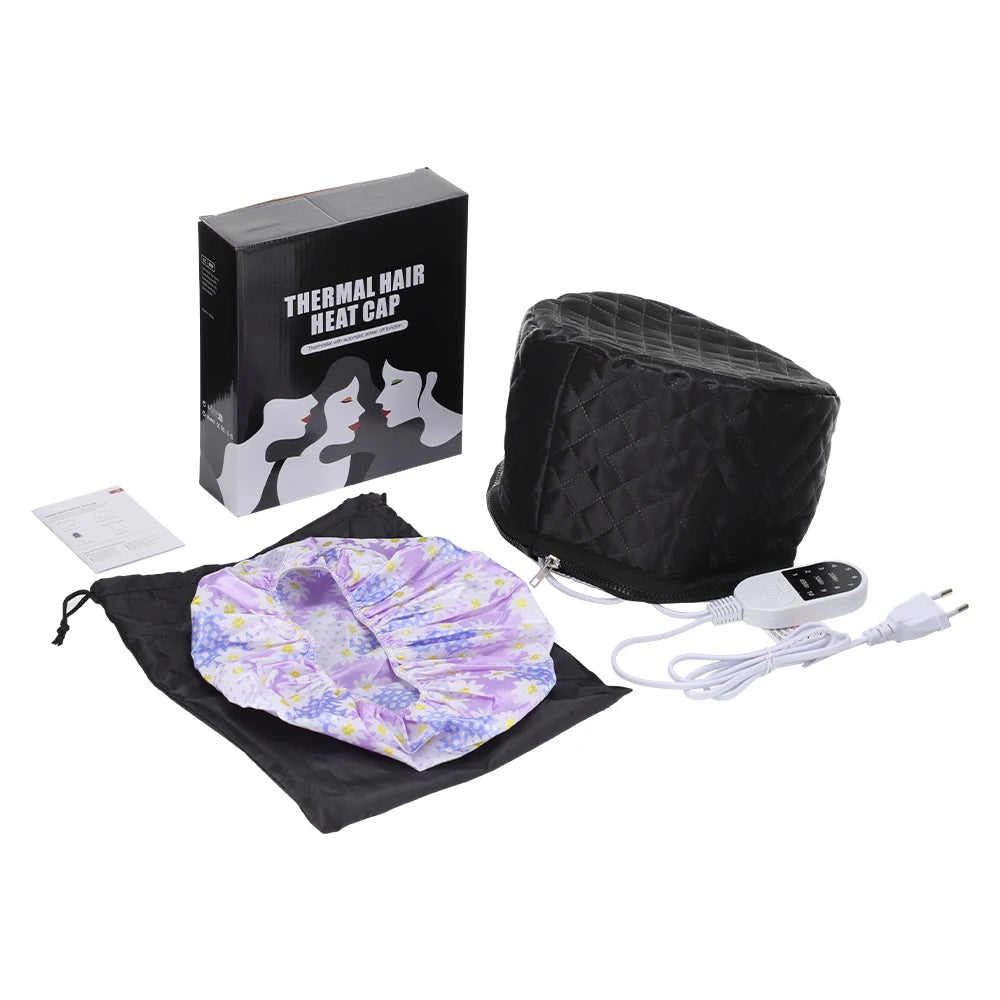
Salon-level moisture at home — See it in action
Common Mistakes to Avoid
Using Excessive Heat
Very hot towels, overheated rice socks, or prolonged exposure to intense heat can dry out the hair and irritate the scalp. Gentle warmth is sufficient for most deep conditioning sessions.
Steaming Too Long
Leaving a treatment on for significantly longer than recommended does not always produce better results. Most deep conditioning sessions are effective within 20–45 minutes, depending on your hair type and porosity.
Skipping Moisture Sealing
After rinsing, apply a leave-in conditioner and, if appropriate for your hair type, a lightweight oil or cream to help reduce moisture loss and keep hair hydrated for longer.
Choosing the Wrong Conditioner
Select a deep conditioner that matches your hair's needs. Moisturizing formulas work well for dry hair, while protein-enriched treatments may be more suitable for weakened or chemically processed strands when used in moderation.
Avoiding these common mistakes makes any no heat deep conditioning method more effective and helps maintain softer, healthier hair over time.
Frequently Asked Questions
Can I steam my hair with just a hot towel?
Yes. A warm, damp towel wrapped over a plastic shower cap is one of the easiest ways to steam your hair at home without a steamer. The towel helps trap gentle heat and moisture, allowing your deep conditioner to work more effectively.
Can I deep condition hair without heat?
Absolutely. Deep conditioning without heat is effective for most hair types when you apply the conditioner to clean, damp hair, cover it with a plastic cap, and leave it on for the recommended amount of time.
How long should I steam my hair at home?
Most DIY hair steaming without steamer methods work well for 20–30 minutes. If your hair is particularly dry, coarse, or low porosity, extending the treatment to about 45 minutes can improve moisture absorption without excessive heat exposure.
How often should I steam natural hair?
For most people, steaming or deep conditioning once a week is enough to maintain healthy moisture levels. Hair that is very dry, chemically treated, or damaged may benefit from twice-weekly treatments until its condition improves.
Is shower steam enough for deep conditioning?
Yes. A warm, steamy bathroom can create a gentle environment that supports conditioner absorption, especially when your hair is covered with a plastic shower cap throughout the treatment.
Can low-porosity hair benefit from steaming?
Yes. Low-porosity hair often resists moisture because its cuticles are tightly closed. Gentle warmth from a hot towel, DIY heat cap, or shower steam can help conditioners penetrate more effectively without using high heat.
What should I apply before steaming my hair?
Start with freshly cleansed, damp hair and apply a moisturizing deep conditioner evenly from roots to ends. Sectioning your hair before application helps ensure every strand receives adequate product coverage.
Can too much steaming damage hair?
It can. Excessive heat or overly frequent steaming may contribute to over-conditioning or reduced elasticity in some hair types. Stick to gentle warmth, follow the recommended treatment times, and balance moisturizing treatments with protein treatments when needed.
Related Guide: How to Deep Condition Hair Step by Step at Home