

Why does my desk area feel too cold even when the room is warm?
Desk areas often feel colder than the rest of the room because airflow, drafts, cold floors, and prolonged sitting create a cooler microclimate around your workspace. Instead of raising the thermostat for the entire office, proper desk heater placement helps direct warmth where you need it while using less energy.
⏱ 8 min read
Desk area feels too cold? Fix it with smart heater placement
Desk area feels too cold while everyone else seems comfortable? That persistent chill in your hands, legs, and shoulders usually has a practical explanation. Air vents, windows, poor insulation, and long hours of sitting all reduce your comfort. With the right heater placement and a few workspace adjustments, you can stay warm without overheating the entire room.
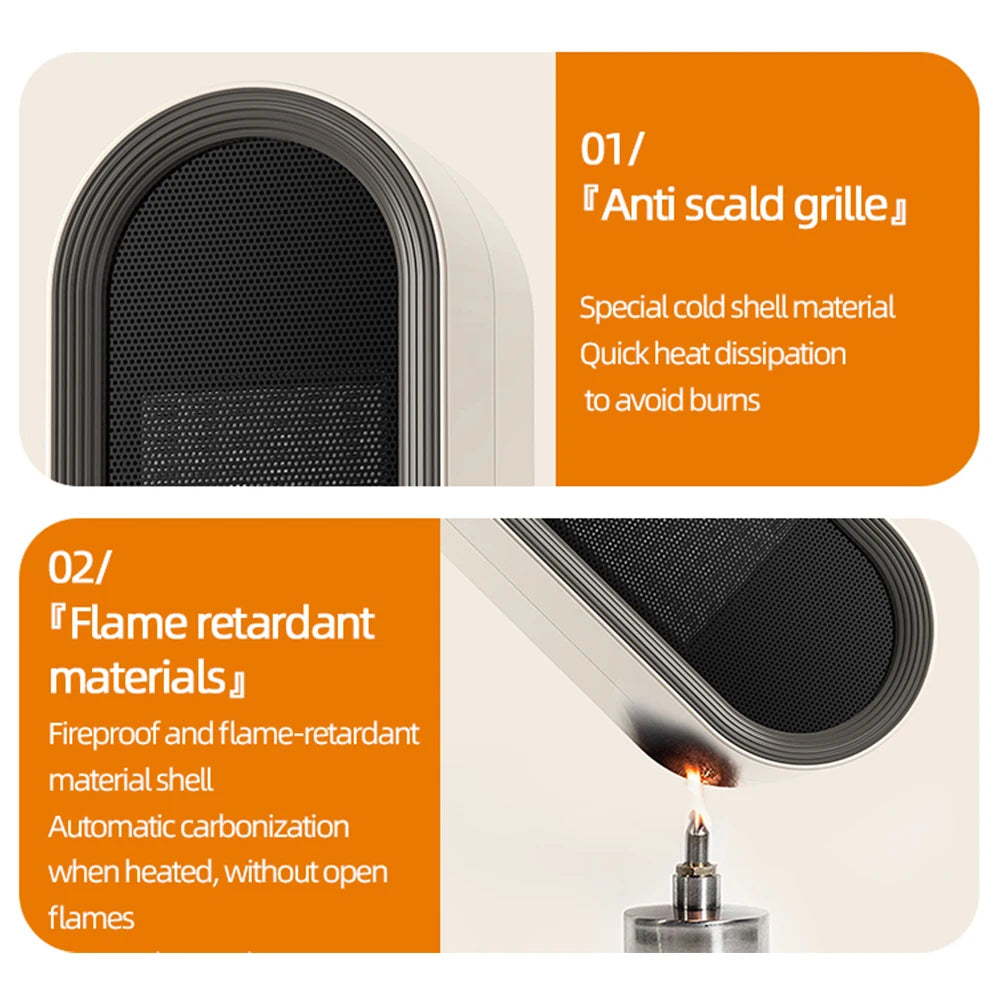
Desk area feels too cold? See how proper heater placement improves comfort.
Desk heater placement: Where should you place a heater for the safest and warmest workspace?
The best heater placement for an office desk is close enough to warm your body directly while maintaining the manufacturer's recommended safety clearance from walls, furniture, paper, and fabric. For most workspaces, positioning a compact heater beside or slightly in front of your feet provides efficient warmth without wasting energy heating the entire room.
- Keep airflow unobstructed so warm air reaches your seating position.
- Aim heat toward your lower body or torso instead of directly at your face.
- Leave recommended clearance around the heater on every side.
- Avoid placing heaters beneath clutter , cables, or hanging fabric.
- Use grounded wall outlets and follow the manufacturer's electrical guidance.
Balancing safety with targeted heating allows a small personal heater to improve comfort quickly while reducing unnecessary energy use.
Why does my desk area feel too cold even when the room is warm?
If you're wondering, " Why is my desk area so cold? " the answer is usually a combination of room layout and how your body experiences temperature during long periods of sitting.
Cold air near windows and exterior walls
Desks positioned next to windows, exterior walls, or glass doors often experience lower surface temperatures. Even quality heating systems may struggle to offset these localized cold spots.
HVAC airflow and vent location
Heating vents rarely distribute warm air evenly. Furniture, partitions, and monitors can block circulation, allowing cool air to collect underneath your desk.
Poor insulation and drafts
Small gaps around windows, doors, and flooring continuously introduce cold air. These drafts are especially noticeable around your feet and lower legs.
Sedentary work reduces perceived warmth
Sitting for several hours slows circulation, making your hands and feet feel colder even when room temperature is comfortable for others. This explains why coworkers may feel fine while your workstation remains uncomfortable.
Identifying which of these factors affects your workspace makes it much easier to choose effective heater placement and fix a cold workspace without increasing the thermostat.
How heater placement affects warmth, airflow, and efficiency
Proper heater position does more than increase temperature—it improves airflow, distributes heat evenly, and reduces energy waste.
Heat circulation basics
Warm air naturally rises. Positioning a heater where airflow reaches your body before rising creates faster, more effective comfort.
Heater position for better heat distribution
Rather than pointing a heater across the entire room, angle it toward your legs or lower torso. This provides direct warmth while encouraging warm air to circulate around your seating area.
Avoid blocked airflow
Desk panels, storage boxes, backpacks, and cables can all interrupt airflow. Even a powerful heater performs poorly if warm air cannot circulate freely.
Targeted heating allows lower thermostat settings while maintaining comfort. Heating the occupied workspace instead of the whole office is often the most efficient solution for individual desks.
Best heater placement for different office desk setups
Different workspaces benefit from different placement strategies.
Desktop placement
A compact desktop heater works well when positioned on a stable surface with clear airflow toward your upper body. Keep papers, notebooks, and electronics outside the recommended clearance area.
Under desk heater placement
Under desk heater placement is ideal for warming feet and legs. Leave open space around the heater so air can circulate, and avoid enclosing it inside storage compartments or surrounding it with bags.
Standing desk setup
Adjust heater height or direction so warmth reaches your body whether you're sitting or standing. Portable heaters with adjustable angles provide greater flexibility.
Home office vs. cubicle
Home offices often deal with drafts from windows, while cubicles usually experience uneven HVAC airflow. Position heaters based on the primary source of heat loss instead of placing them randomly.
| Workspace | Recommended Placement | Main Benefit |
|---|---|---|
| Home Office | Beside or under desk away from windows | Reduces drafts |
| Cubicle | Near feet with open airflow | Improves localized comfort |
| Standing Desk | Adjustable side placement | Comfort while sitting or standing |
| Shared Office | Compact personal heater | Targeted warmth with minimal disruption |
Explore lifestyle-focused comfort solutions in the Lifestyle collection for everyday wellness upgrades.
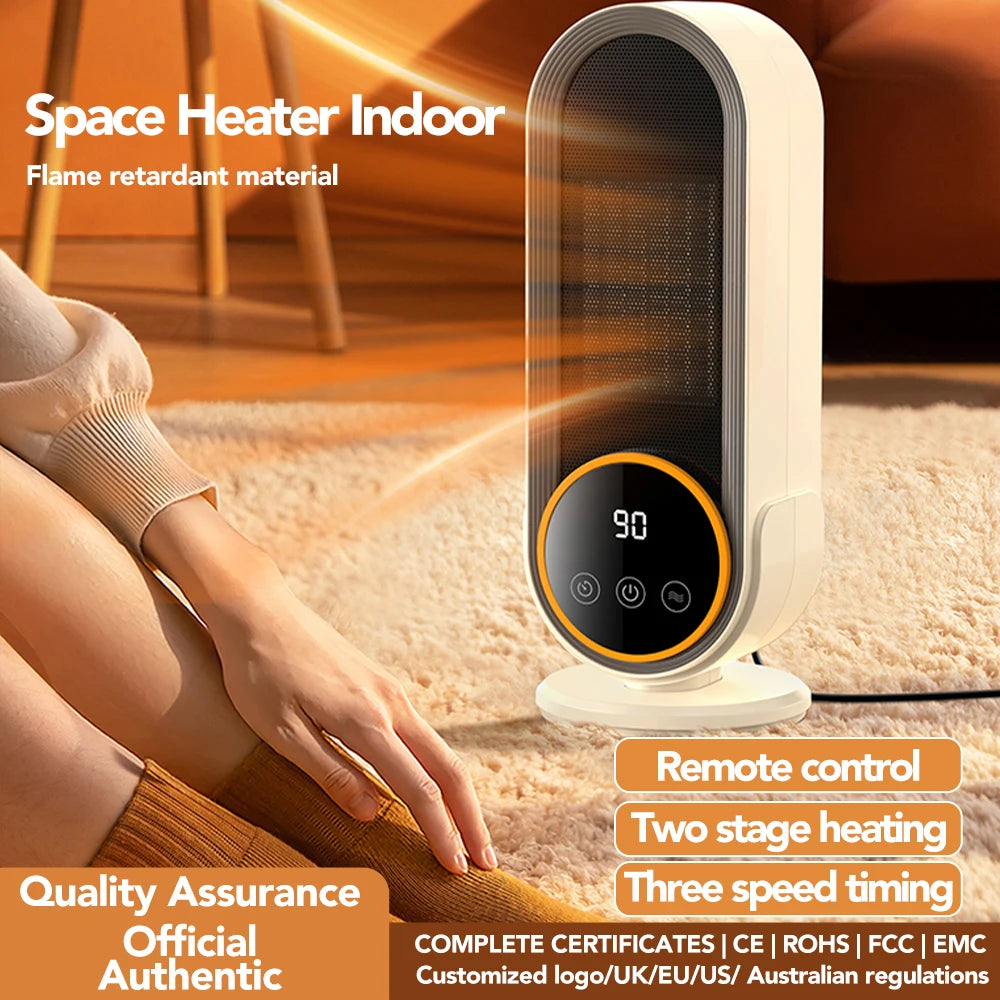
A compact desktop heater can improve comfort without heating the entire room.
Safe clearance distances and fire prevention
Distance from walls and furniture
Always follow the manufacturer's clearance recommendations. Leave adequate space around all air intakes and exhaust areas to prevent overheating.
Keep away from paper and fabric
Office supplies, curtains, clothing, cardboard boxes, and backpacks should never touch or cover a space heater.
Extension cord safety
Portable heaters typically draw significant electrical current. Whenever possible, plug directly into a grounded wall outlet rather than using extension cords or overloaded power strips.
Electrical outlet best practices
Inspect cords regularly, avoid damaged outlets, and never run heater cables beneath rugs or heavy furniture where heat can build up unnoticed.
Step-by-step guide: How to use a space heater at your desk
- Choose the right location. Position the heater where airflow reaches your body without obstruction.
- Aim airflow correctly. Direct warm air toward your feet or lower torso rather than electronics.
- Adjust settings safely. Start with a moderate setting instead of maximum heat.
- Monitor comfort throughout the day. Make small adjustments as room temperature changes.
- Maintain a clutter-free area. Keep the heater surrounded by open space for safe airflow.
Using a compact option like the portable electric fan heater allows precise control without overheating the room.
Visual guide: Desk heater placement scenarios
These common layouts demonstrate effective desk heater placement.
Window-side desk
Place the heater between your seating position and the window so it offsets incoming drafts.
Corner office
Aim airflow diagonally toward your seating area rather than into the corner where heat becomes trapped.
Cubicle
Position the heater beneath the desk with clear airflow around chair legs and storage units.
L-shaped workstation
Place the heater near the section where you spend most of your time instead of heating unused desk space.

Correct desk heater placement provides efficient warmth without wasting energy.
Common desk heater placement mistakes to avoid
- ❌ Blocking vents with desk panels or storage boxes.
- ❌ Heating only your feet while your upper body remains cold.
- ❌ Placing a heater beneath papers, clothing, or bags.
- ❌ Ignoring room airflow and thermostat location.
- ❌ Positioning the heater too close to electronics or furniture.
A few placement adjustments often solve uneven heating while improving both comfort and energy efficiency.
Pair warmth with wellness tools from Body Care and Health Devices to support circulation during long desk hours.
Additional office desk heating solutions beyond a heater
A heater works best when combined with other methods that reduce heat loss.
- Seal drafts around windows and doors.
- Improve insulation with thermal curtains or weather stripping.
- Use insulated footrests or floor mats to reduce cold from hard flooring.
- Dress in breathable layers that trap warmth without restricting movement.
- Take short movement breaks every hour to improve circulation.
Combining these office desk heating solutions with smart heater placement creates a warmer workspace while minimizing energy consumption.
FAQ: Desk heater placement and office warmth
Is it safe to use a space heater on a desk?
Yes. Place it on a stable surface, keep recommended clearance around the unit, and choose a model with overheat protection and tip-over shutoff.
How far should a desk heater be from walls and furniture?
Always follow the manufacturer's instructions. Most heaters require open space around air intake and exhaust areas to operate safely.
Can I safely use an under-desk heater?
Yes, provided there is sufficient airflow, the heater is not surrounded by clutter, and nothing blocks the vents.
How do I warm up a desk area without overheating the room?
Use targeted heating aimed at your seating position instead of increasing the building thermostat. Eliminating drafts also improves comfort.
Why is my desk area so cold even when the office is warm?
Drafts, HVAC airflow, window placement, poor insulation, and prolonged sitting often create a colder microclimate around your workstation.
How should I position a heater for better heat distribution?
Aim airflow toward your lower body or torso with nothing blocking the warm air. Avoid pointing the heater directly at walls or furniture.
When used correctly with proper clearance, a heater should not damage electronics. Avoid directing concentrated hot airflow directly onto monitors, laptops, or power supplies for extended periods.
Is it safe to plug a desk heater into a power strip?
Most manufacturers recommend plugging portable heaters directly into a grounded wall outlet instead of a power strip or extension cord.
Related Guide: Quiet electric heater comparison: Which stays warm without noise













