

Do Devices for Posture Really Work?
Devices for posture can improve body awareness, encourage healthier spinal alignment, and reduce muscle fatigue when used consistently alongside stretching and strengthening exercises. While no posture correction device permanently fixes posture on its own, many people experience reduced discomfort, improved posture awareness, and healthier sitting habits within several weeks.
How posture correction devices improve alignment
Most posture improvement devices work by gently reminding you to maintain proper positioning rather than forcing your body into place. Wearable posture trainers provide vibration feedback, posture braces support shoulder positioning, and back stretching devices help reduce spinal compression caused by prolonged sitting.
What research says about posture support devices
Research suggests that posture correction tools are most effective when combined with strengthening exercises, ergonomic adjustments, and regular movement breaks. These devices function best as training aids that reinforce healthier movement patterns rather than as permanent solutions.
Realistic expectations for long-term posture improvement
- Improve posture awareness
- Reduce prolonged slouching
- Decrease muscle tension
- Support healthier ergonomic habits
- Require consistent use for lasting improvement
Best Devices for Posture: Top Posture Correction Devices Compared for Better Alignment and Back Support
Finding the best devices for posture can feel overwhelming with so many braces, wearable trainers, lumbar supports, and back stretchers available today. Whether you're searching for an affordable back stretcher for daily use, a posture support device for office work, or a home back cracking stretcher for spine alignment, understanding how each option works can help you choose the right solution for your needs.
⏱ 5 min read
Struggling with stiffness after long hours sitting? You're not alone. Modern lifestyles often involve extended periods of sitting, which can contribute to muscle tightness, poor posture habits, and discomfort. Fortunately, posture support devices and mobility tools can help support healthier movement patterns.
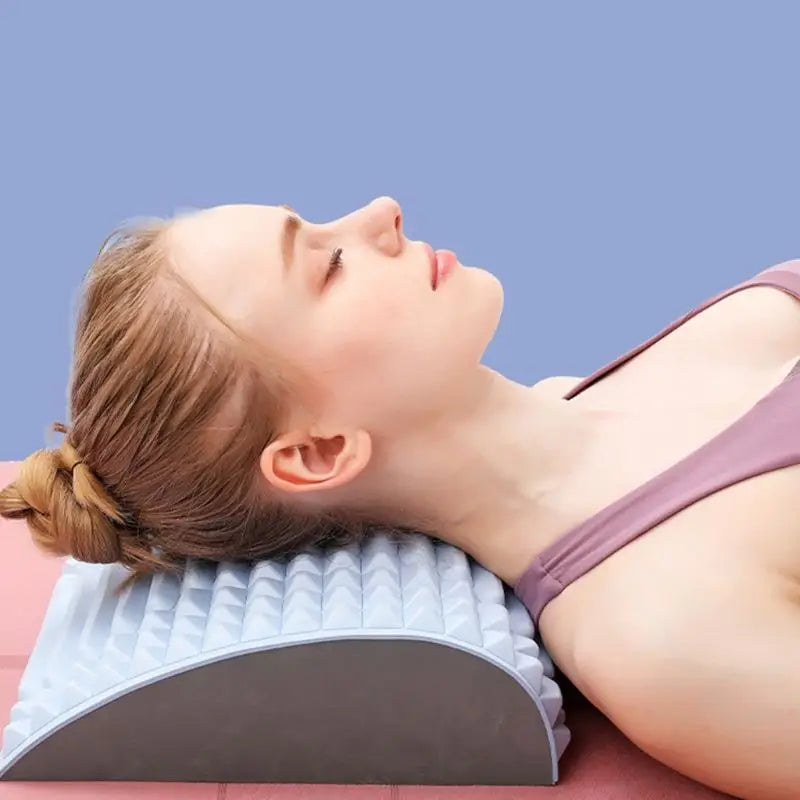
plastic back stretcher for daily use — See it in action
Quick Comparison of the Best Posture Correction Devices
The table below compares popular posture correction tools based on their primary use and ideal users.
| Device | Best For | Primary Benefit | Portability |
|---|---|---|---|
| Back Stretcher Pillow | Lower back stiffness | Spinal decompression | High |
| Upright GO | Posture awareness | Real-time feedback | High |
| BackEmbrace Posture Corrector | Rounded shoulders | Shoulder positioning | Medium |
| Everlasting Comfort Lumbar Support | Office work | Lumbar support | Medium |
| Purple Double Seat Cushion | Long sitting sessions | Pressure reduction | Medium |
- Wearable posture trainer — Best for posture awareness
- Posture corrector brace — Best for rounded shoulders
- Foam back stretcher — Best for spinal decompression
- Lumbar support cushion — Best for office chairs
- Ergonomic seat cushion — Best for prolonged sitting
- Standing desk accessories — Best for workstation ergonomics
Best Devices for Posture
Best posture corrector device
Traditional posture braces such as BackEmbrace provide gentle shoulder retraction and help encourage better posture awareness during short periods of wear.
Best smart posture trainer
Devices like Upright GO provide vibration reminders whenever posture deteriorates, helping users develop healthier long-term habits.
Best foam back stretcher for posture improvement
Back stretching devices and spinal decompression arches help relieve stiffness caused by prolonged sitting while encouraging spinal mobility.
Best lumbar support device
Lumbar support cushions help maintain the natural curvature of the lower back while working, driving, or studying.
Best ergonomic seat cushion
Ergonomic cushions reduce pelvic pressure and support healthier sitting posture during extended periods.
Best standing desk accessory
Monitor risers and anti-fatigue mats improve workstation ergonomics and reduce physical strain throughout the day.
Best posture support brace
Support braces provide temporary assistance for users working to correct rounded shoulders and poor sitting habits.
Best posture correction tools for travel
Portable posture trainers and compact lumbar supports can help reduce stiffness during long flights and commutes.
Which Posture Device Is Right for You?
The best posture support device depends on your daily activities and the specific posture challenges you're trying to address.
- Rounded shoulders → Posture brace
- Forward head posture → Smart posture trainer
- Lower back discomfort → Foam back stretcher
- Office sitting → Lumbar support cushion
- Standing all day → Anti-fatigue mat
- Athletes → Mobility and stretching devices
- Seniors → Supportive ergonomic accessories
How a Back Stretching Device for Posture Correction Helps
A back stretching device for posture correction gently extends the spine, helping relieve stiffness associated with prolonged sitting and poor posture habits.
Spine decompression
Gentle spinal extension may temporarily reduce pressure on joints, muscles, and surrounding soft tissues.
Muscle relaxation
Stretching tight muscles throughout the chest, lower back, and hips can help improve comfort and mobility.
Flexibility improvements
Consistent mobility work supports healthier movement patterns and may improve range of motion over time.
Limitations
Back stretching devices cannot permanently correct posture without accompanying strengthening exercises, ergonomic adjustments, and healthy movement habits.
Who Benefits Most From Daily Posture Devices
Office workers
Posture devices can help reduce prolonged slouching during desk work.
Students
They may support healthier sitting habits during extended study sessions.
Gamers
Long gaming sessions often contribute to poor posture habits that these tools can help address.
Remote workers
Home office setups frequently benefit from additional ergonomic support.
Frequent travelers
Portable posture devices can help minimize stiffness after long flights and commutes.
Active individuals
Posture tools can complement mobility, recovery, and flexibility routines.
Beginners
They provide an accessible way to build posture awareness before progressing to strengthening programs.
How to Use Posture Improvement Devices Safely
- Start with 15–30 minutes daily.
- Increase use gradually as comfort improves.
- Avoid overtightening posture braces.
- Combine posture devices with stretching exercises.
- Strengthen your upper back, core, and hip muscles.
- Discontinue use if discomfort worsens.
Consistency matters more than intensity. Gradual progress supports healthier long-term posture habits.
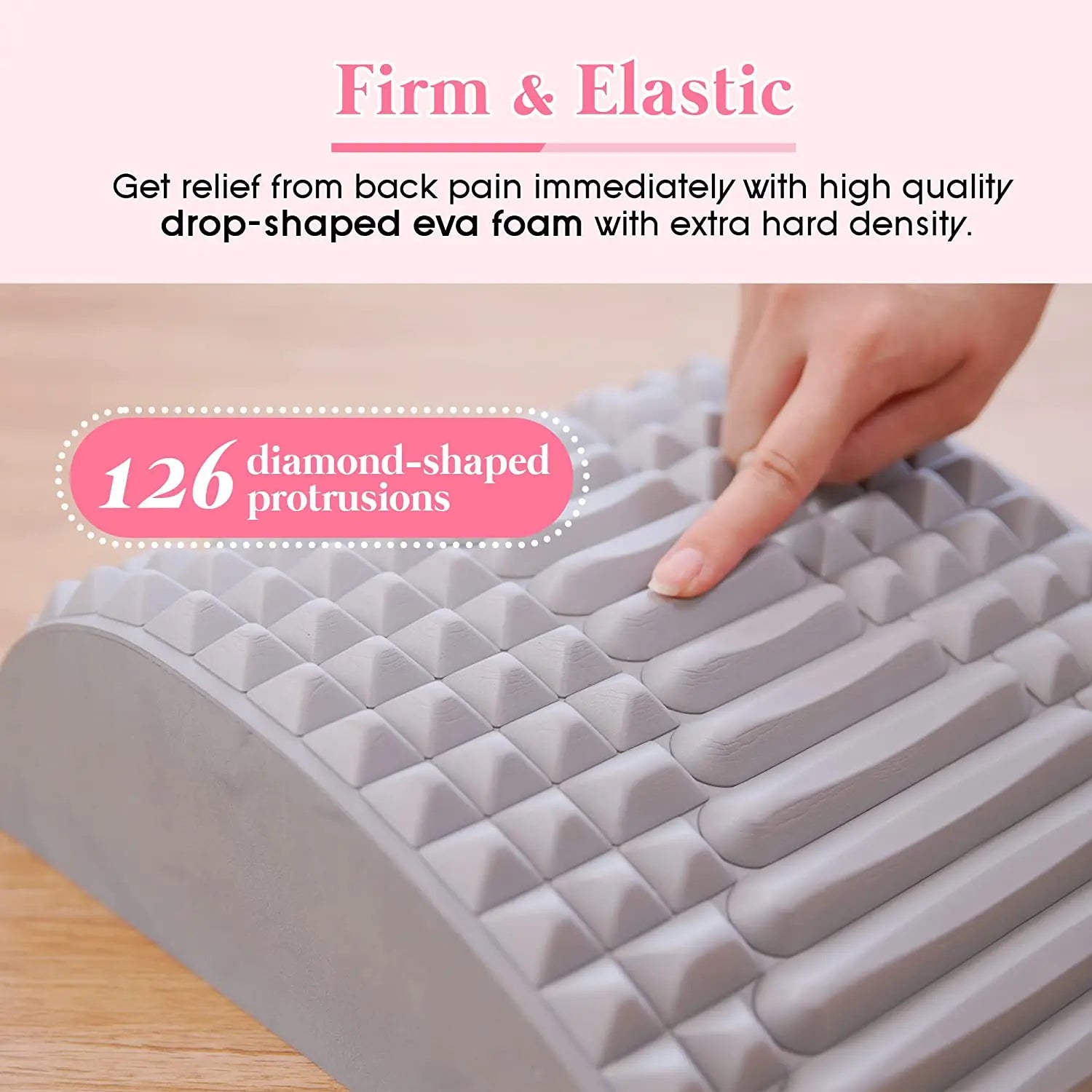
home back cracking stretcher for spine alignment — See it in action
Benefits You Can Expect (and What Devices Cannot Do)
- Improve posture awareness
- Reduce muscle fatigue
- Support healthier sitting habits
- Decrease upper and lower back tension
- Complement mobility and exercise routines
Posture devices cannot permanently correct muscle weakness, mobility restrictions, or poor movement patterns without regular exercise and ergonomic improvements.
| Benefit | Potential Outcome |
|---|---|
| Posture Awareness | Reduced slouching habits |
| Flexibility | Improved mobility |
| Comfort | Reduced muscle tension |
| Support | Better ergonomic positioning |
Wearable Posture Trainers vs Back Stretchers vs Braces
Wearable posture trainers
Best suited for improving posture awareness through behavioral feedback.
Foam back stretchers
Most effective for spinal mobility and flexibility exercises.
Posture braces
Provide temporary support for shoulder positioning and posture training.
Lumbar supports
Helpful for maintaining spinal alignment while sitting.
Ergonomic accessories
Offer long-term improvements by optimizing workstations and daily environments.
Buying Guide: How to Choose the Best Posture Correction Devices
- Choose the device based on your specific posture concern.
- Look for adjustable sizing and customization.
- Select breathable, comfortable materials.
- Consider portability if you travel frequently.
- Compare durability and expected lifespan.
- Evaluate customer reviews and warranties.
- Balance budget with long-term comfort and usability.
Maintenance and Care Tips
- Clean fabric braces regularly according to manufacturer instructions.
- Inspect straps and support components for wear.
- Store foam and plastic stretchers flat when possible.
- Replace worn support devices when they lose structural integrity.
Who Should Avoid Certain Posture Devices?
Consult a healthcare professional before using posture correction devices if you have:
- Recent spinal surgery
- Acute injuries
- Severe osteoporosis
- Persistent numbness or weakness
- Unexplained back pain
- Pregnancy-related concerns requiring individualized guidance
Real User Results and Practical Expectations
Many users report improved posture awareness and reduced stiffness within two to four weeks when using posture devices consistently alongside exercise and ergonomic improvements.
Timeline matters. Immediate comfort improvements are possible, but long-term posture changes typically require months of consistent effort.
Consistency matters. Posture devices work best when combined with movement, stretching, strengthening, and ergonomic adjustments.
Common success stories. Users frequently report improved sitting habits, reduced muscle tension, and increased awareness of poor posture patterns.
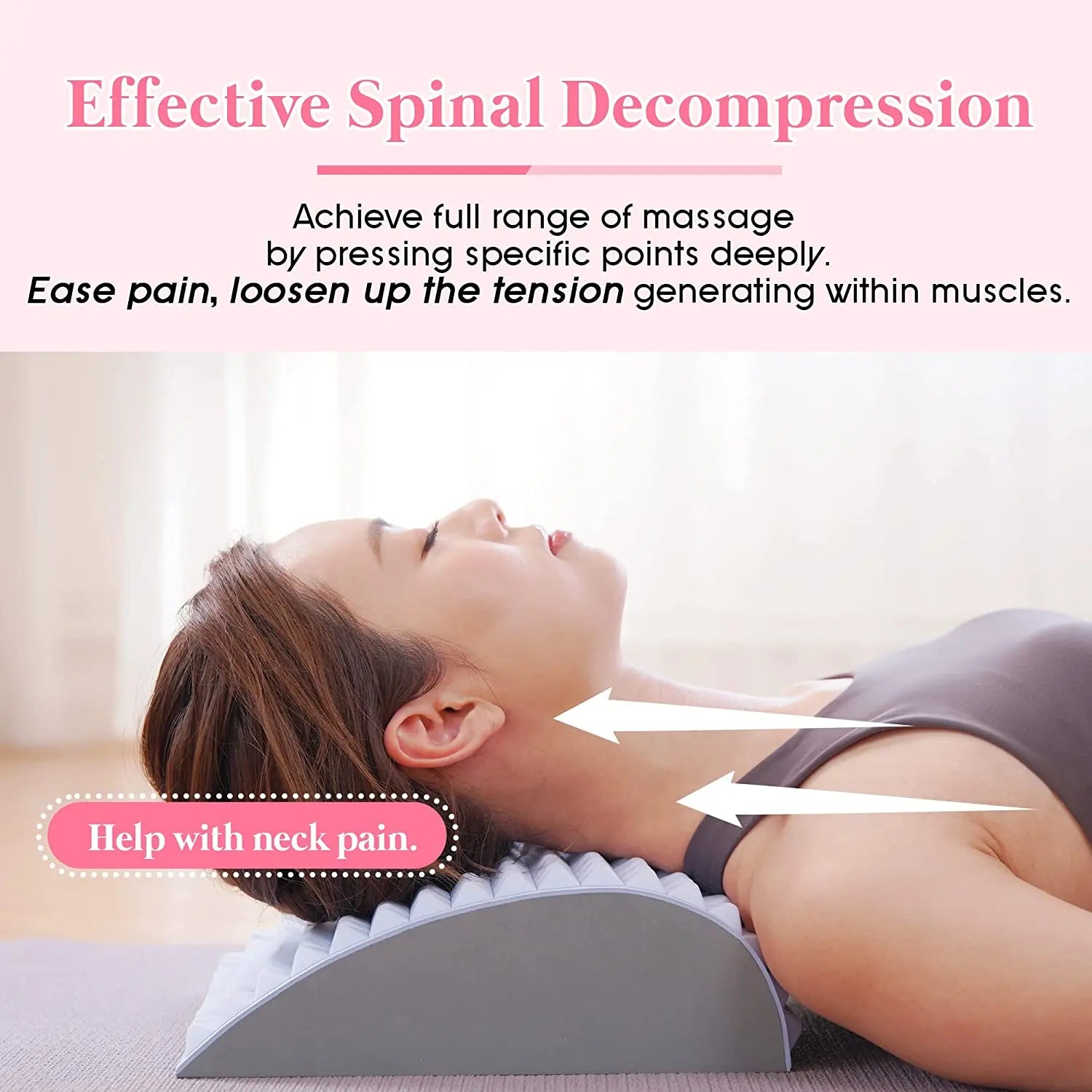
top rated back stretchers for home use — See it in action
Frequently Asked Questions
Can I wear a posture corrector every day?
Yes, but begin with short sessions and avoid wearing posture braces continuously for many hours.
How long should I use a posture device?
Most people benefit from 15–60 minutes of daily use depending on the device type and their comfort level.
Do posture devices permanently fix posture?
No. Posture devices work best when combined with strengthening exercises, mobility work, and ergonomic improvements.
Are smart posture trainers worth buying?
They can be helpful for individuals who need regular reminders to maintain proper posture throughout the day.
Is a foam back stretcher better than a brace?
They serve different purposes: stretchers support mobility and decompression, while braces provide temporary posture support.
Which posture device helps back pain most?
The answer depends on the cause of discomfort. Lumbar supports, back stretchers, and ergonomic seating address different problems.
Can posture devices replace exercise?
No. Exercise remains essential for long-term posture improvement and musculoskeletal health.
What is the best posture support device for office work?
A combination of lumbar support, proper monitor positioning, ergonomic seating, and regular movement breaks often provides the best results.
Pillar Article: Lower Back Pregnancy Stretches: Safe Relief for Moms-to-Be
Other Related Articles:
Explore More:













