

Best Diesel Heater for RV (2026 Guide): Top Picks, Real-World Performance & Buying Tips
Choosing the best diesel heater for RV travel can transform cold-weather camping. A quality diesel air heater delivers steady, dry heat while using surprisingly little fuel and 12V battery power, making it a favorite for boondocking, winter road trips, and full-time RV living. In this guide, you'll compare the top diesel air heaters for RVs, learn how they perform in real-world conditions, and discover which model best fits your RV size, budget, and travel style.
⏱ 7 min read
Explore how today's diesel heating systems transform winter travel.
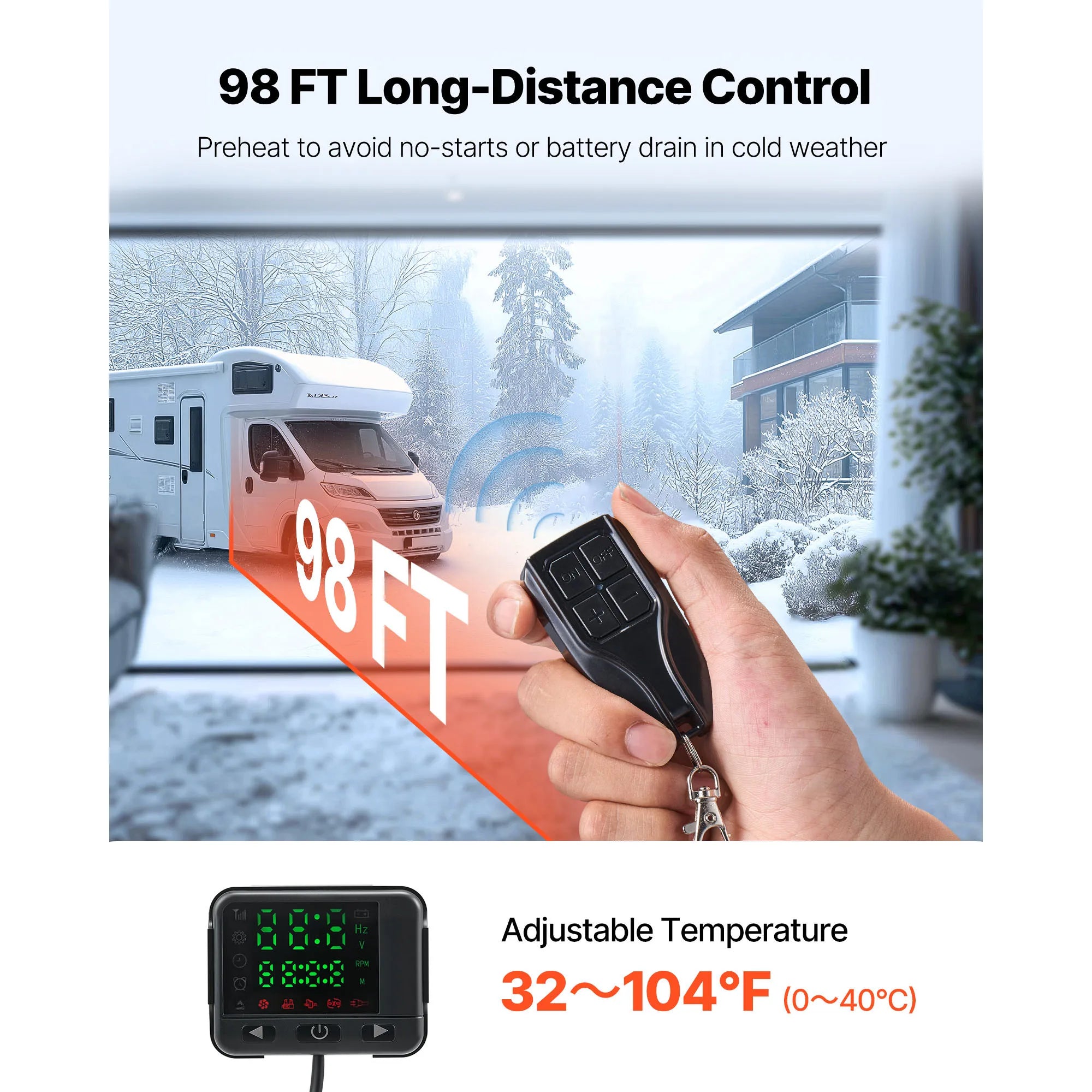
Diesel air heater for RV comfort upgrade — See it in action
Best Diesel Air Heater for RV: Top Picks Compared (2026 Comparison Table)
If you're looking for the fastest recommendation, the comparison below highlights the best diesel heater for RV use based on heating capacity, fuel efficiency, operating noise, and the RV sizes they're best suited for.
| Model | Best For | Power Output | Typical Fuel Use | Noise Level | Ideal RV Size | 12V Compatible |
|---|---|---|---|---|---|---|
| 5KW All-in-One Diesel Heater | Best Overall Value | 2–5 kW | 0.1–0.5 L/h | Medium-Low | 20–30 ft RVs | Yes |
| 2KW Compact Diesel Heater | Small RVs & Campervans | 1–2 kW | 0.08–0.2 L/h | Low | Under 20 ft | Yes |
| 8KW High Output Heater | Large Motorhomes | 5–8 kW | 0.2–0.6 L/h | Medium | 30 ft+ | Yes |
| Silent Brushless Model | Quiet Overnight Heating | 2–5 kW | 0.1–0.4 L/h | Very Low | Most RV Sizes | Yes |
Quick verdict: A 5KW diesel air heater for RV use offers the best balance of heating performance, fuel economy, and versatility for most travel trailers and motorhomes. Smaller campervans benefit from a 2KW unit, while larger Class A RVs typically require higher-output models.
Top Diesel Air Heaters for RV (Detailed Reviews & Real-World Use Cases)
Best Overall Diesel Heater for RV
The 5KW all-in-one diesel heater remains the top recommendation because it provides reliable heating across a wide range of climates without excessive fuel or battery consumption. It warms mid-sized RVs quickly, maintains consistent temperatures, and replacement parts are widely available.
Pros
- Excellent balance of heat output and efficiency
- Suitable for most travel trailers and Class C motorhomes
- Compatible with standard 12V electrical systems
- Broad availability of replacement pumps, glow plugs, and controllers
Best for: RV owners who want dependable year-round performance with good long-term value.
Best Budget 12V Diesel Heater RV
A compact 2KW 12V diesel heater is an excellent choice for smaller campervans, teardrop trailers, and budget-conscious travelers. It produces enough heat for insulated compact spaces while consuming very little diesel during overnight operation.
Pros
- Affordable initial investment
- Low fuel consumption
- Quiet operation in compact living spaces
- Straightforward installation for DIY users
Best for: Weekend campers, solo travelers, and compact campervan conversions.
Best for Large RVs & Motorhomes
An 8KW diesel heater is better suited to larger motorhomes, toy haulers, and RVs with multiple living zones. It delivers rapid heating in freezing temperatures, although selecting a heater that is significantly larger than your heating needs may cause frequent on-off cycling. Matching heater output to your RV's insulation and interior volume generally produces the most efficient results.
Best Diesel Heater for Campervan
For campervan conversions where every inch of storage matters, compact diesel heaters offer an ideal combination of space efficiency, low electrical demand, and dependable winter comfort. They also reach operating temperature quickly, making them practical for short overnight stops.
Quietest Diesel Heater Option
If peaceful sleep is your priority, choose a diesel heater equipped with a brushless fan, upgraded fuel pump, and vibration-isolated mounting hardware. While every heater produces some airflow sound, these upgrades noticeably reduce pump ticking and overall cabin noise during overnight use.
Does a Diesel Air Heater for RV Really Improve Comfort in Cold Weather?
Yes. A diesel air heater for RV use can dramatically improve cold-weather comfort by supplying continuous, dry heat without introducing moisture into the living space. Unlike many propane heating systems, diesel heaters help reduce window condensation while maintaining a consistent interior temperature throughout the night.
In real-world winter camping, owners consistently value diesel heaters for four reasons:
- Steady heat output with adjustable thermostat control
- Low fuel consumption during extended off-grid trips
- Minimal 12V power draw compared with many electric heating solutions
- Improved overnight comfort thanks to modern noise-reduction features
Whether you're camping below freezing, traveling through mountain regions, or extending your RV season into winter, a properly sized diesel heater provides dependable warmth while supporting longer off-grid adventures.
How Does a Diesel Air Heater Work in an RV?
If you've wondered how does a diesel air heater work , the process is surprisingly efficient. Unlike propane heaters that can introduce moisture into the cabin, a diesel air heater uses a sealed combustion system to generate heat while keeping exhaust gases completely separate from the air you breathe inside the RV.
- Diesel fuel is delivered by a metering pump into a sealed combustion chamber.
- An electronic glow plug ignites the fuel-air mixture to produce heat.
- A metal heat exchanger transfers that heat to fresh cabin air without mixing it with combustion gases.
- A 12V blower fan circulates warm, dry air throughout the RV through ducts or direct outlets.
The combustion gases are expelled through an external exhaust pipe, while a separate intake supplies fresh air to the burner. This closed-loop design is one of the primary reasons diesel heaters are considered safe when installed according to the manufacturer's instructions.
Most RV diesel heaters require only a modest amount of 12V power once running, making them well suited to battery-powered camping and extended off-grid travel.
Choosing the Right Diesel Heater Size (2kW vs 5kW by RV Type)
Selecting the correct heater size has a greater impact on comfort than choosing the highest advertised output. A heater that's too small may struggle to maintain temperature in freezing weather, while an oversized unit can short-cycle, reducing efficiency and increasing carbon buildup over time.
Recommended heater size by RV
- Small vans and compact camper conversions (under 20 ft): 2KW heater
- Travel trailers and mid-size RVs (20–30 ft): 5KW heater
- Large motorhomes and fifth wheels (30 ft+): 8KW heater
Heating capacity vs. insulation
Interior insulation plays an important role in heater performance. Well-insulated RVs retain heat longer and often require less heating power than older or poorly insulated rigs of the same size. Large windows, slide-outs, and frequent door openings can also increase heat loss.
Altitude considerations
If you regularly camp in mountainous regions, verify that your heater supports high-altitude operation. Some models include automatic altitude compensation, while others require manual adjustments or dedicated high-altitude kits to maintain efficient combustion.
Diesel Heater Fuel Consumption, Battery Draw & Running Costs
One reason diesel heaters are popular among RV owners is their combination of low fuel use and modest electrical demand. Actual consumption varies with outside temperature, thermostat settings, and heater output.
Fuel consumption by power level
- Low output: approximately 0.08–0.15 L/h
- Medium output: approximately 0.2–0.3 L/h
- High output: approximately 0.4–0.6 L/h
12V battery usage
The highest electrical demand occurs during startup when the glow plug ignites the burner. After ignition, most diesel heaters consume relatively little power, allowing them to operate for extended periods from a healthy RV battery bank without significant impact.
Estimated overnight running cost
For many RV owners, a full fuel tank provides several nights of heating depending on ambient temperatures and thermostat settings. This combination of long runtime and efficient fuel use makes diesel heaters an excellent option for winter boondocking and extended camping trips.
For more planning tips and ways to maximize runtime, see our fuel-efficient diesel heater guide .
Diesel Heater Noise Level: Pump, Fan & Sleep-Friendly Setup
Noise is one of the biggest concerns for first-time buyers, but a properly installed diesel heater is generally quiet enough for overnight use. Most of the sound comes from two components rather than the combustion process itself.
Pump noise
The metering pump produces a rhythmic ticking as it delivers fuel to the combustion chamber. Pump noise is often more noticeable outside the RV or when the pump is mounted directly to the chassis without vibration isolation.
Fan noise
The circulation fan creates a steady airflow sound that increases as heating output rises. Modern brushless fan motors tend to operate more smoothly and quietly than older designs while maintaining consistent airflow.
Noise reduction tips
- Install the fuel pump using rubber isolation mounts.
- Use an upgraded exhaust silencer where appropriate.
- Keep air ducts as short and unrestricted as practical.
- Select models equipped with brushless fan motors for quieter operation.
- Mount the heater securely to minimize vibration transfer into the RV floor.
Installation quality has as much influence on perceived noise as the heater itself, making careful mounting worthwhile for frequent winter travelers.
RV Diesel Heater Installation Guide
Installing a diesel heater requires careful planning to ensure reliable performance and safe operation. While many all-in-one kits are designed with DIY installation in mind, every installation should follow the manufacturer's instructions and local regulations.
Best mounting locations
Choose a flat, structurally sound surface that allows easy routing for fuel, intake, exhaust, and warm-air ducts. Common mounting locations include under seating, inside storage compartments, or beneath fixed cabinetry where adequate clearances can be maintained.
Fuel tank options
- Dedicated auxiliary diesel tank supplied with many heater kits.
- Connection to an existing diesel fuel tank on compatible RVs.
- Secure mounting to prevent movement while traveling.
Exhaust and intake routing
The exhaust system must discharge safely outside the RV and remain well away from windows, doors, or fresh-air vents. Likewise, the combustion air intake should be positioned to avoid drawing in road debris or exhaust gases.
Ventilation checklist
- Secure all fuel line connections.
- Protect wiring with appropriate fuses.
- Maintain clearance around the exhaust components.
- Seal all floor penetrations to prevent water or fumes entering the cabin.
- Verify unrestricted airflow through both intake and outlet ducts.
All-in-one heaters typically simplify installation for beginners, while split-system designs provide greater flexibility for custom RV layouts. Learn more in our RV electrical setup guide .
Are Diesel Heaters Safe in RVs?
Yes—diesel heaters are safe in RVs when they are installed and maintained correctly. Modern units use a sealed combustion chamber that keeps exhaust gases separate from the heated cabin air, greatly reducing the risk of carbon monoxide entering the living space.
Carbon monoxide prevention
Proper exhaust routing and leak-free connections are essential. Every RV equipped with a diesel heater should also have a functioning carbon monoxide detector that is tested regularly according to the manufacturer's recommendations.
Ventilation
Although combustion occurs outside the living area, maintaining normal cabin ventilation helps support healthy indoor air quality and reduces the buildup of humidity from everyday activities.
Overnight operation
Many RV owners run diesel heaters overnight during cold-weather camping. This is generally considered safe when the heater has been installed correctly, receives routine maintenance, and is operating without fault codes or exhaust leaks.
Safety checklist
- Install a carbon monoxide detector and test it regularly.
- Inspect the exhaust system for leaks or damage before each season.
- Keep combustible materials away from heater outlets and hot exhaust components.
- Check fuel lines and electrical connections periodically.
- Operate the heater on high power occasionally to reduce soot accumulation.
- Follow the manufacturer's maintenance schedule for reliable long-term performance.
Diesel Heater Maintenance & Troubleshooting
Routine maintenance keeps a diesel heater running efficiently and reduces the likelihood of breakdowns during winter trips. Many common problems can be traced to fuel delivery, airflow restrictions, or insufficient battery voltage rather than major component failures.
Startup failures
- Air trapped in a newly installed fuel line
- Low battery voltage during the ignition cycle
- Blocked fuel filter or restricted fuel supply
- Faulty glow plug or ignition component
Priming the fuel system correctly and ensuring a fully charged battery often resolves first-start issues.
Smoke and soot
Excessive smoke typically indicates incomplete combustion. Possible causes include poor fuel quality, restricted airflow, low operating voltage, or prolonged operation at very low output. Running the heater at full power periodically helps burn away carbon deposits and keeps the combustion chamber cleaner.
Altitude issues
Higher elevations contain less oxygen, which can affect combustion efficiency. If you frequently camp in mountainous regions, use a heater with altitude compensation or the appropriate high-altitude settings recommended by the manufacturer.
Routine maintenance
- Inspect fuel lines and fittings for leaks.
- Check the air intake and exhaust for obstructions.
- Clean or replace filters when required.
- Operate the heater at maximum output occasionally to minimize soot buildup.
- Inspect electrical connections before each winter season.
Preventive maintenance is easier and less expensive than repairing a heater that has been neglected. For detailed servicing procedures, see our maintenance guide .
What Diesel Air Heater Reviews Reveal After Real Trips
Long-term owner experiences show that a properly installed diesel heater consistently improves comfort during cold-weather RV travel. Across a wide range of diesel air heater reviews, several themes appear repeatedly after months or years of real-world use.
- Reliable heating performance in below-freezing conditions.
- Excellent fuel economy during extended off-grid camping.
- Low electrical demand that works well with standard 12V RV systems.
- Overall noise levels depend heavily on installation quality and component upgrades.
- Most maintenance requirements are simple when performed regularly.
Owners also note that spending extra time on careful installation often leads to quieter operation, fewer error codes, and more consistent heating throughout the camping season. These long-term experiences help explain why diesel heaters remain a popular upgrade for RVs, campervans, and overlanding vehicles.
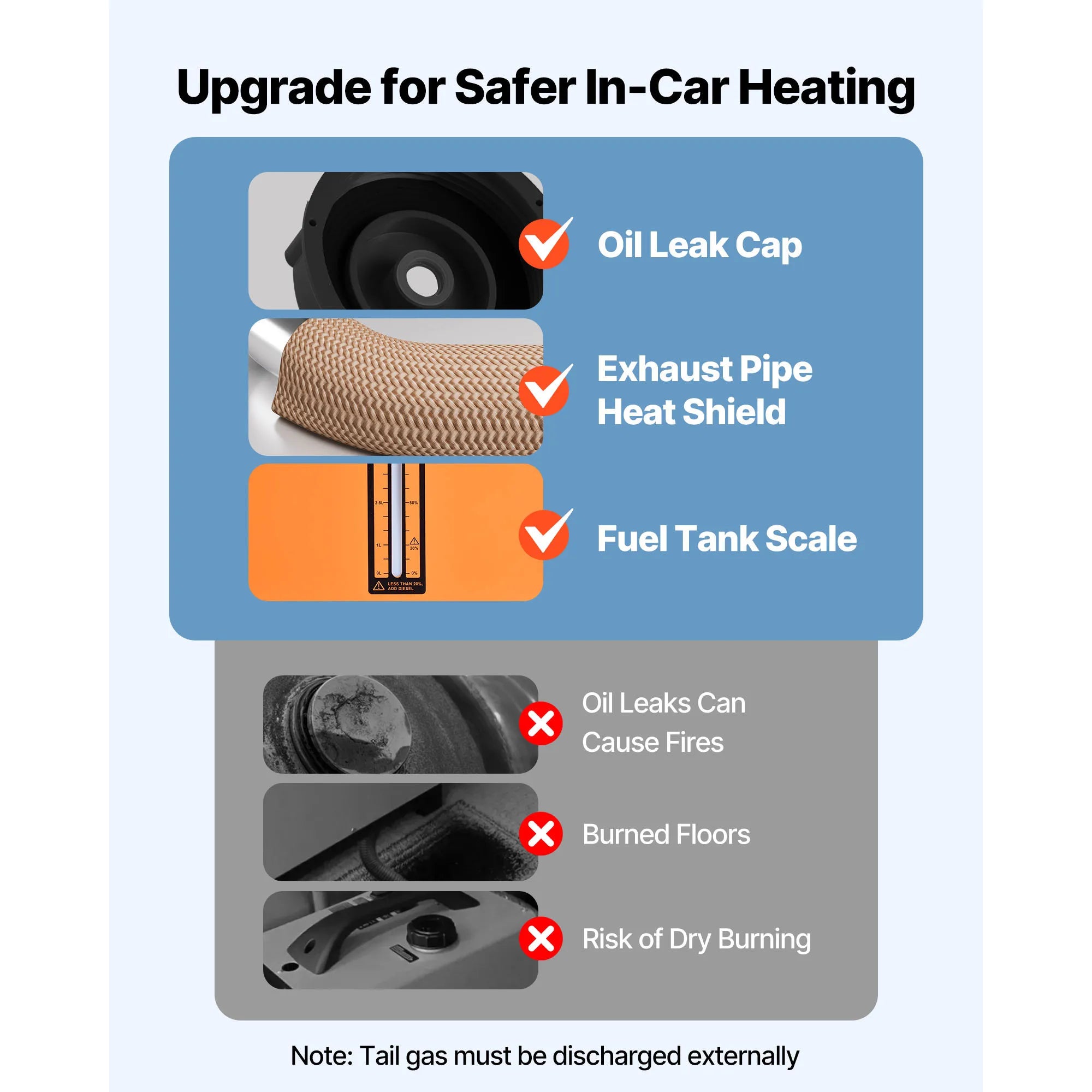
Diesel air heater reviews highlight quiet comfort — See it in action
Diesel vs Propane vs Electric RV Heaters
Each heating system has strengths depending on how and where you travel. The best choice depends on whether you prioritize off-grid capability, convenience, or access to campground electricity.
| Heating Type | Best For | Operating Cost | Noise | Main Limitation |
|---|---|---|---|---|
| Diesel Heater | Boondocking and winter camping | Low | Low to Moderate | Requires installation |
| Propane Heater | General RV camping | Moderate | Low | Higher fuel consumption and moisture concerns with some heater types |
| Electric Heater | Campgrounds with shore power | Low when electricity is included | Low | Not practical for battery-only camping |
For travelers who regularly camp away from hookups, diesel heaters offer an excellent combination of fuel efficiency, dependable heat, and low electrical demand. Electric heaters are convenient when shore power is available, while propane systems remain a practical option for many traditional RV setups.
For a more detailed comparison, see our propane vs diesel deep dive .
Cost of Ownership: What to Expect Over 5 Years
Beyond the initial purchase price, diesel heaters are relatively inexpensive to own. Their low fuel consumption, modest electrical demand, and widely available replacement parts help keep long-term operating costs manageable for most RV owners.
- Fuel: Efficient diesel use keeps ongoing heating costs low during extended camping trips.
- Maintenance: Routine inspections, occasional cleaning, and periodic replacement of wear items such as glow plugs or fuel filters help maximize reliability.
- Replacement parts: Pumps, controllers, ducting, and service components are generally easy to source for popular models.
- Overall value: Frequent winter travelers often recover the upfront investment through lower heating costs and improved off-grid capability over several seasons.
Regular servicing and correct installation remain the best ways to extend heater lifespan while minimizing unexpected repair expenses.
Final Verdict: Which Diesel Air Heater for RV Is Best for You?
The ideal diesel air heater depends on the size of your RV, the climates you travel in, and how often you camp without electrical hookups.
- Best overall: 5KW all-in-one diesel heater for most travel trailers and mid-size RVs.
- Best budget: 2KW compact heater for smaller campers and occasional winter trips.
- Best campervan: Compact 2KW unit with low battery draw and quiet operation.
- Best for large RVs: 8KW heater for spacious motorhomes operating in colder climates.
- Best quiet option: Models equipped with brushless fans, upgraded fuel pumps, and vibration-isolated mounting systems.
For most RV owners, a 5KW diesel air heater offers the best balance of heating performance, fuel efficiency, installation flexibility, and long-term value. Choosing the correct size for your RV is more important than simply selecting the highest power rating.
Get yours now — limited stock!
FAQ: Diesel Air Heater for RV
Are diesel heaters safe in RVs overnight?
Yes. A properly installed diesel heater with a sealed combustion chamber, correctly routed exhaust system, and a working carbon monoxide detector can be operated overnight according to the manufacturer's instructions.
How much diesel does an RV heater use per night?
Most heaters consume approximately 0.1 to 0.3 liters of diesel per hour under typical overnight settings, although actual consumption depends on outdoor temperature, insulation, and thermostat settings.
Do diesel heaters work at high altitude?
Yes, but some heaters require altitude compensation or dedicated high-altitude kits to maintain efficient combustion above higher elevations.
What is the quietest diesel heater option?
Heaters fitted with brushless fan motors, upgraded metering pumps, rubber isolation mounts, and exhaust silencers generally provide the quietest overnight operation.
How long can a diesel heater run continuously?
As long as the heater has an adequate fuel supply, sufficient battery power, and proper airflow, many models are designed to operate continuously for extended periods during cold weather.
Can a diesel heater drain an RV battery?
The highest electrical demand occurs during startup. Once running, most 12V diesel heaters consume relatively little power, making them suitable for overnight use with a healthy, properly sized RV battery system.
Related Guide: Fuel Efficient Diesel Air Heater Features That Save Fuel













