

How Much Heat Do Diesel Air Heaters Really Produce?
Diesel air heaters are typically rated by their heat output in kilowatts (kW), but the number on the box doesn't always reflect the warmth you'll experience. A 5 kW heater can feel very different depending on insulation, outdoor temperature, installation quality, airflow, and whether the heater is operating at full or reduced output.
To compare diesel heaters with other heating systems, it's useful to convert kW into BTU/hr:
- 1 kW ≈ 3,412 BTU/hr
- 5 kW ≈ 17,060 BTU/hr
- 8 kW ≈ 27,296 BTU/hr
Keep in mind that many budget or imported heaters may deliver 20–30% less usable heat than their advertised maximum rating. Understanding how power ratings work helps you choose the right heater rather than simply the biggest one.
Diesel Air Heater Power Output Explained
⏱ 7 min read
Cold nights feel longer when your heater underperforms. Many buyers assume higher kW numbers automatically mean more heat, but diesel air heater power output depends on far more than the label. This guide explains how diesel heater ratings work, how much power different models actually produce, and how to choose the correct size for your vehicle, workshop, or cabin.
Explore practical solutions inside our Lifestyle collection.
Which setup keeps you warm without wasting fuel? Read on to find out.
diesel heater explained with real power output — See it in action
Diesel Air Heaters Power Range (kW): What the Ratings Really Mean
Common Diesel Air Heater Power Output Ranges (2kW, 5kW, 8kW)
Most diesel air heaters fall into three common power classes:
- 2 kW: Compact heaters for cars, small camper vans, sleeper cabs, and insulated micro campers.
- 5 kW: The most versatile size, suitable for medium camper vans, garages, workshops, and boats.
- 8 kW: Designed for larger spaces, colder climates, or applications with greater heat loss.
Minimum vs Maximum Heat Output
Modern diesel heaters rarely operate at maximum output continuously. Instead, they modulate between low and high power settings based on thermostat demand. A 5 kW heater, for example, may spend much of its runtime producing only 1.5–3 kW once the desired temperature has been reached.
How Much Power Does a Diesel Air Heater Produce?
The advertised kW rating refers to the maximum heat output under ideal conditions. Actual usable heat depends on combustion efficiency, airflow, ducting, voltage stability, and installation quality. Choosing the correct heater size is usually more important than choosing the highest advertised rating.
Diesel Air Heater Power Range Chart by Vehicle and Space Size
| Application | Typical Size | Recommended Output |
|---|---|---|
| Small car or SUV | Up to 8 m² | 2 kW |
| Compact camper van | 10–15 m² | 2–3 kW |
| Large camper van or RV | 15–25 m² | 5 kW |
| Garage or workshop | 20–30 m² | 5–8 kW |
| Cabin, boat, or large workspace | 30–45+ m² | 8 kW or larger |
Recommended kW by Cabin Volume
Interior volume matters as much as floor area. Tall ceilings, open layouts, or connected compartments require more heating capacity than compact enclosed spaces.
Adjustments for Insulation Quality
Well-insulated vans may comfortably use a smaller heater, while drafty garages or poorly insulated cabins often benefit from moving up one size.
Cold Climate Sizing Recommendations
If you regularly camp below freezing or experience prolonged winter conditions, allowing extra heating capacity provides faster warm-up times and better temperature stability.
Understanding Power Output: kW, BTU, and Heating Capacity
Converting kW to BTU
The standard conversion is:
BTU/hr = kW × 3,412
This makes comparing diesel heaters with propane, electric, or household heating systems much easier.
Why BTU and kW Both Matter
kW describes the heater's rated heat production, while BTU/hr is commonly used when comparing heating systems across different industries. Both measurements describe the same heating capacity using different units.
Heating Capacity Versus Airflow
Heat production alone isn't enough. A properly designed fan and duct system distributes warm air evenly, allowing the available heat to reach occupants efficiently rather than creating hot and cold spots.
How Diesel Air Heaters Produce Heat
Combustion Process
Diesel fuel is atomized and ignited inside a sealed combustion chamber. The combustion gases never mix with the cabin air, making properly installed heaters safe for enclosed living spaces.
The hot combustion chamber transfers energy through a metal heat exchanger. Fresh air passes over this exchanger and absorbs heat before entering the cabin.
Fan and Thermostat Modulation
An electronically controlled fan adjusts airflow while the fuel pump changes fuel delivery. Together, these systems automatically increase or decrease heat output to maintain a stable interior temperature while improving fuel efficiency.
Rated Output vs Real-World Heating Performance
Why Advertised kW May Differ
Some budget diesel heaters advertise optimistic maximum outputs that may not reflect independent testing. Manufacturing tolerances, combustion efficiency, and airflow limitations can all reduce effective heat production.
Altitude Effects
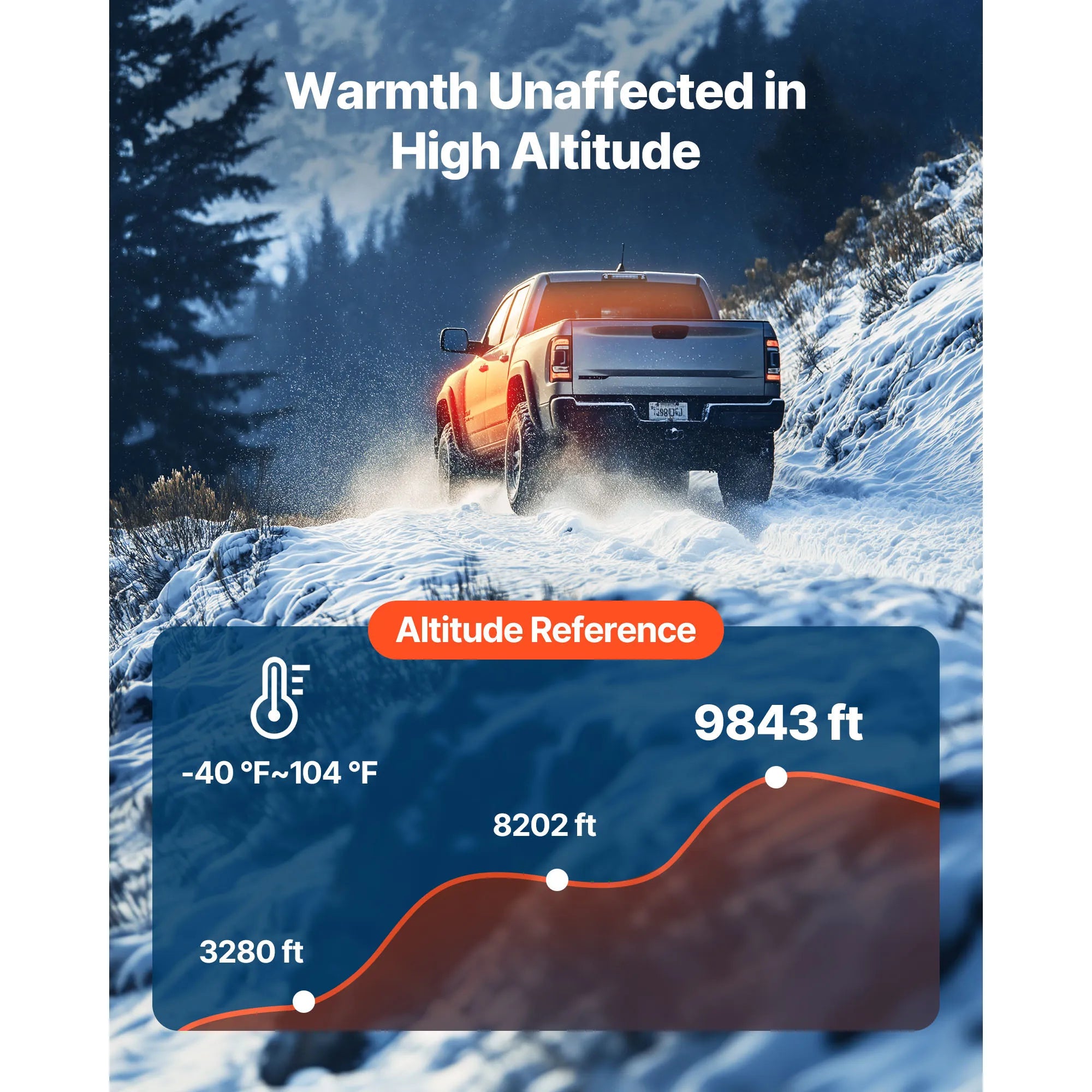
Higher elevations contain less oxygen, making combustion less efficient. Without altitude compensation, heaters can lose output, consume more fuel, or generate additional soot.
Installation and Duct Losses
Long duct runs, sharp bends, blocked vents, and undersized air intakes all reduce usable heating performance. A quality installation often improves comfort more than buying a larger heater.
Browse trusted options in Body Care and Health Devices .
diesel heater pros and cons in real setups — See it in action
What Affects Effective Heat Output?
Outside Temperature
The colder the outside air, the harder the heater must work to maintain the same interior temperature.
Insulation Quality
Good insulation reduces heat loss, allowing smaller heaters to maintain comfortable temperatures while using less fuel.
Air Leaks
Drafts around doors, windows, roof vents, and cable penetrations continuously remove heated air and reduce overall efficiency.
Ventilation Requirements
Fresh-air ventilation remains important even during winter. Proper ventilation helps manage condensation while balancing heat retention and indoor air quality.
Diesel Heater Efficiency, Fuel Consumption, and Electrical Draw
Fuel Use by Power Level
Typical diesel consumption varies with operating output:
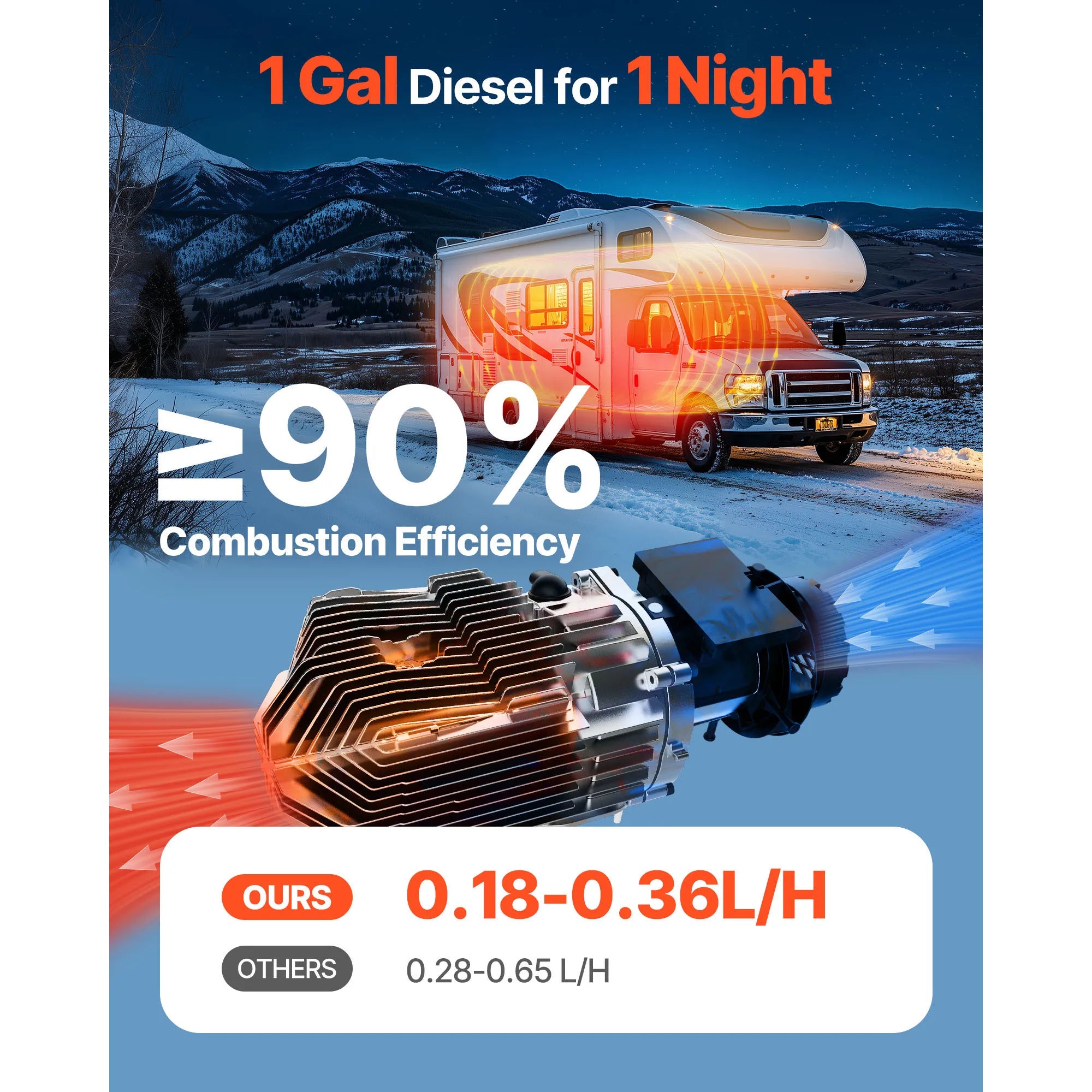
- Low output: approximately 0.1–0.15 L/hour
- Medium output: approximately 0.2–0.35 L/hour
- High output (5 kW): approximately 0.5–0.6 L/hour
12V Power Consumption
After startup, most 12V diesel heaters consume relatively little electrical power, usually between 10 and 40 watts during normal operation. Startup requires more current for the glow plug, but only briefly.
Thermostat Modulation and Fuel Savings
Once the target temperature is reached, the heater automatically reduces fuel flow and fan speed. This modulation lowers fuel consumption, decreases wear, and extends operating time from a single fuel tank.
Oversized vs Undersized Diesel Heaters
Problems with Excessive kW
An oversized heater frequently cycles on and off instead of operating steadily. Repeated short cycles can contribute to carbon buildup and reduce long-term reliability.
Problems with Insufficient kW
A heater that's too small may run continuously at maximum output, struggle to reach comfortable temperatures, and consume more fuel than expected during cold weather.
Choosing the Right Balance
The best diesel heater is one that operates efficiently for your typical climate, vehicle size, and insulation level while still providing reserve capacity for colder conditions.
Recommended Power Output by Application
Cars and SUVs
A compact 2 kW heater is generally sufficient for enclosed passenger vehicles and sleeper cabs.
Vans and RVs
Most medium camper vans perform well with 2–5 kW heaters depending on insulation, layout, and winter temperatures.
Trucks and Boats
Commercial trucks, larger boats, and expedition vehicles often benefit from 5–8 kW systems because of larger cabin volumes and harsher operating environments.
Garages, Workshops, and Cabins
Spaces between 20 and 40 m² usually require 5–8 kW, although insulation quality and ceiling height should always be considered before selecting a heater.
diesel heater safety and efficiency combined — See it in action
Common Misconceptions About Diesel Heater Power Ratings
Does Higher kW Always Heat Better?
No. Proper sizing, insulation, airflow, and installation quality usually have a greater impact on comfort than simply choosing the highest-rated heater.
Can One Heater Fit Every Vehicle?
Not always. A heater that's ideal for a camper van may be oversized for a small SUV or undersized for a workshop. Matching output to the heated space improves efficiency and comfort.
Do Cheap 8kW Heaters Really Produce 8kW?
Not necessarily. Some lower-cost models advertise optimistic ratings that exceed their actual measured output. Looking at independent reviews and realistic performance data often provides a better indication of heating capability.
Frequently Asked Questions
What size diesel air heater do I need?
Most compact camper vans use 2–3 kW heaters, while larger vans, garages, and workshops commonly require 5 kW. Larger buildings or extremely cold climates may benefit from 8 kW models.
Is 2kW enough for a camper van?
For a well-insulated small camper van, yes. Larger vans or frequent winter camping below freezing may require additional heating capacity.
Does a 5kW heater use more fuel than a 2kW heater?
At maximum output, yes. However, because larger heaters often reduce output once the space warms up, real-world fuel use depends on thermostat settings and operating conditions.
How much power does a diesel air heater produce?
Most consumer diesel air heaters produce between 2 kW and 8 kW of maximum heat output, with variable operation allowing lower heat production during normal use.
Can a diesel heater run continuously?
Yes. When installed correctly and maintained properly, diesel air heaters are designed to operate continuously for extended periods while automatically adjusting output to maintain a comfortable temperature.
Related Guide: Fuel Efficient Diesel Air Heater Features That Save Fuel













