

Diesel Heaters for Campers: Fuel Efficiency, Pros, Cons, and How They Work
Are Diesel Heaters for Campers Worth It?
For most camper van owners, a diesel heater is one of the most fuel-efficient ways to stay warm without leaving the engine running overnight. These compact heating systems burn small amounts of diesel to produce steady cabin heat while using relatively little electrical power. Whether you travel on weekends or live in your van full time, a properly sized diesel heater can provide reliable comfort in cold weather while helping reduce fuel costs compared with prolonged engine idling.
Key Benefits of Diesel Camper Heaters
- Excellent fuel efficiency, typically using only a fraction of a liter of diesel per hour.
- Operates independently of the vehicle engine, reducing unnecessary engine wear.
- Maintains consistent cabin temperatures even during freezing conditions.
- Suitable for overnight camping and extended off-grid adventures.
- Compatible with camper vans, RVs, trucks, and many overland vehicles.
Limitations to Consider Before Buying
- Requires correct installation for safe and efficient operation.
- Initial setup is more involved than portable electric heaters.
- Fuel pump clicking and fan noise vary between models and installation quality.
- Needs a 12V electrical supply for startup and continuous operation.
Diesel Heaters for Campers: Fuel Consumption, Efficiency, and Comparison Guide
A diesel heater for a camper van offers an efficient way to keep your living space comfortable while using remarkably little fuel. Modern diesel air heaters are designed to provide steady heat for overnight camping, winter road trips, and off-grid travel without placing heavy demands on your battery system. Understanding how these heaters work and what affects their fuel consumption makes it much easier to choose the right setup for your vehicle.
⏱ 7 min read
If you've ever woken up in a freezing van, you know how quickly comfort disappears when temperatures drop. The good news is that today's diesel heaters can warm a camper within minutes while consuming only a small amount of fuel, making them one of the most practical heating solutions for van life.
Wondering how much fuel a diesel heater actually uses and why some systems are more efficient than others? Start with how these heaters work before comparing real-world fuel consumption.
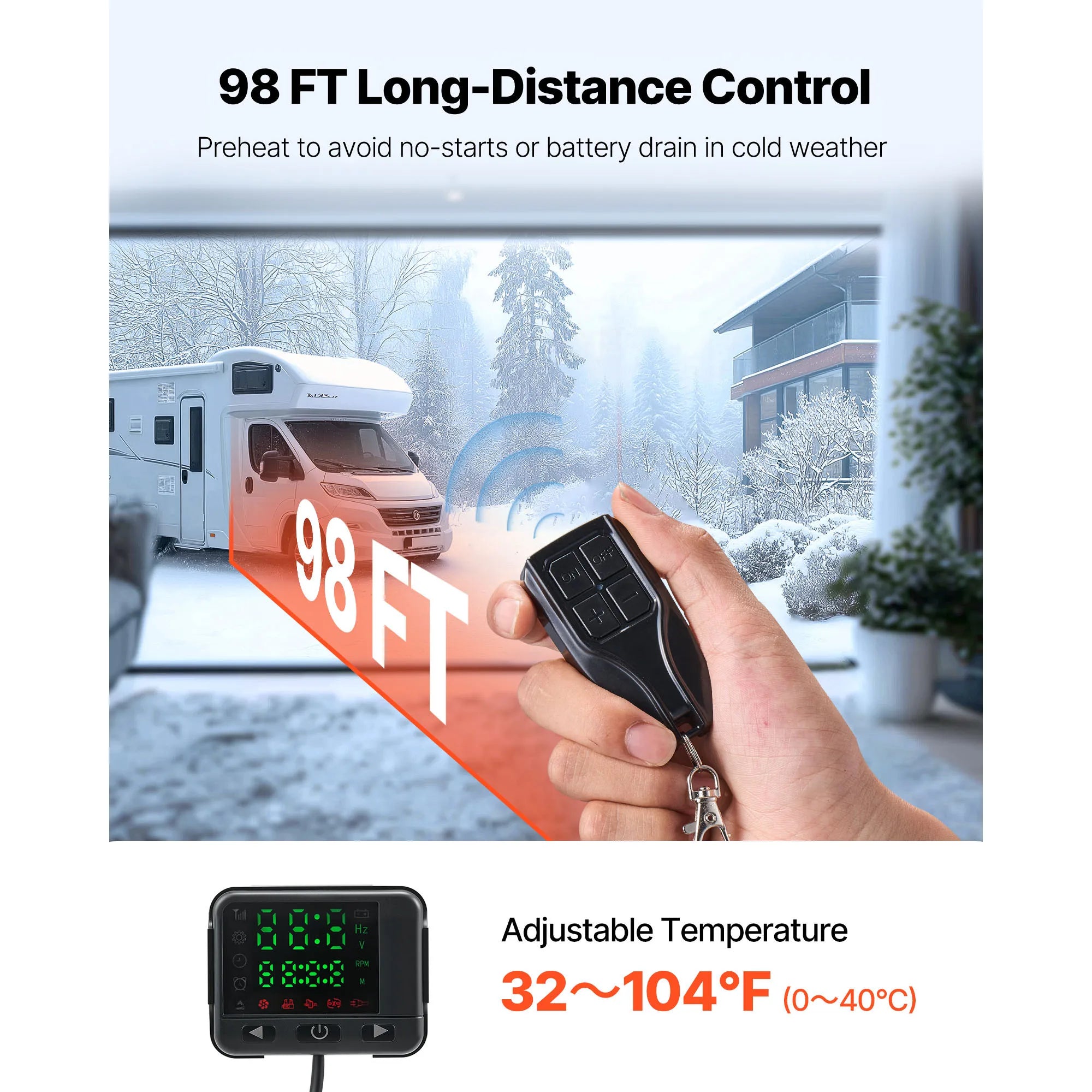
Compact diesel heaters for campers improve cabin warmth and fuel efficiency. See it in action.
How Diesel Heaters for Camper Vans Work
How Combustion Produces Heat
If you've wondered how does a diesel heater work in a campervan , the process is surprisingly efficient. A small metering pump delivers diesel into a sealed combustion chamber, where it mixes with air and ignites. The resulting heat passes through a heat exchanger, while a separate fan blows clean air across the exchanger and into the living area. Because combustion gases remain isolated from the cabin and exit through an external exhaust, only warmed air enters the vehicle.
This indirect heating design allows diesel heaters to deliver fast, consistent warmth while using very little fuel. Once the desired cabin temperature is reached, the heater automatically reduces its output instead of running continuously at full power, improving overall fuel efficiency.
Do Diesel Heaters Use the Same Diesel as Vehicles?
Yes. Most diesel heaters use the same diesel fuel as the vehicle itself, making refueling simple whether the heater draws from the main fuel tank or a dedicated auxiliary tank. There is generally no need for a separate fuel type, although using clean, high-quality diesel helps maintain reliable combustion and reduces carbon buildup over time.
Why Heater Operation Affects Fuel Consumption
A diesel heater does not burn fuel at the same rate throughout the night. During startup, it briefly increases fuel delivery to establish combustion before switching to a lower maintenance mode. As the thermostat cycles on and off to maintain a comfortable cabin temperature, fuel consumption decreases significantly compared with continuous maximum output.
Outside temperature, insulation quality, heater sizing, and thermostat settings all influence how often the burner cycles. A well-insulated camper with a correctly sized heater typically uses substantially less fuel than a poorly insulated van running an oversized heater at full power.
Diesel Heater Fuel Consumption Explained
Diesel Heater Fuel Consumption Rate (Idle, Medium, Maximum)
The typical diesel heater fuel consumption rate for van life depends on heater size, thermostat setting, and outdoor temperature. Most 2kW and 5kW diesel camper heaters operate within these approximate ranges:
| Operating Mode | Fuel Use (L/hour) | Fuel Use (Gallons/hour) | Typical Use |
|---|---|---|---|
| Low / Idle | 0.10–0.15 | 0.026–0.040 | Mild evenings and maintaining cabin temperature |
| Medium Output | 0.15–0.25 | 0.040–0.066 | Typical overnight winter camping |
| Maximum Output | 0.25–0.50 | 0.066–0.132 | Initial warm-up or extremely cold conditions |
Actual fuel consumption is usually lower than many people expect because the heater rarely operates at maximum output for long periods after the cabin reaches the target temperature.
Real-World Fuel Consumption vs Manufacturer Ratings
Manufacturer specifications are generally measured under controlled testing conditions. In real-world camper van use, fuel consumption varies based on insulation quality, outside temperature, wind exposure, door openings, and thermostat settings.
For an overnight stay of 8 to 10 hours, most properly sized diesel heaters consume approximately 0.8 to 2.5 liters (0.21 to 0.66 gallons) of diesel. Well-insulated vans often remain near the lower end of this range because the heater spends more time maintaining temperature than producing maximum heat.
Why Thermostat Cycling Reduces Fuel Use
One of the biggest reasons diesel heaters are so efficient is thermostat cycling. Instead of burning fuel continuously at full power, the controller reduces fuel delivery as the cabin warms. The heater alternates between low-output operation and brief heating cycles to maintain a comfortable temperature.
This operating pattern lowers both fuel consumption and electrical demand while reducing wear on internal components, making diesel heaters well suited for overnight operation during van life.
Fuel Consumption Tables for Common Van Life Scenarios
| Camping Scenario | Operating Time | Estimated Fuel Use |
|---|---|---|
| Cool spring evening | 6 hours | 0.6-1.0 L |
| Typical overnight stay | 8-10 hours | 0.8-2.5 L |
| Sub-freezing winter night | 10-12 hours | 1.5-3.5 L |
| Continuous 24-hour operation | 24 hours | 2.5-7.0 L |
Fuel-efficient diesel heater fuel consumption supports longer off-grid stays. See it in action.
How to Choose the Right Diesel Heater for Your Camper Van
2kW vs 5kW Fuel Economy
Choosing the correct heater size has a direct impact on fuel efficiency. A 2kW diesel heater is often sufficient for compact camper vans with good insulation, while a 5kW model is better suited to larger vans, colder climates, or vehicles with greater interior volume.
An oversized heater may warm the cabin too quickly and repeatedly cycle on and off, reducing efficiency and increasing component wear. A properly matched heater generally provides steadier temperatures while using less fuel over time.
Matching Heater Size to Van
- Small vans: A 2kW heater is usually adequate when insulation is good.
- Medium camper vans: Choose between 2kW and 5kW depending on climate and insulation.
- Large vans or poorly insulated builds: A 5kW heater offers faster warm-up and improved cold-weather performance.
Power Draw Considerations
Every diesel heater requires a 12V electrical supply for ignition, fan operation, and electronic controls. Startup draws the highest current for a short period, while normal operation consumes considerably less power. When planning an off-grid electrical system, account for overnight heater use alongside lighting, refrigeration, and other appliances.
Avoiding Oversized Heaters
Many buyers assume a larger heater is automatically better, but excessive heating capacity can increase short cycling and reduce efficiency. Selecting a heater that closely matches the size and insulation of your camper helps lower operating costs, improve comfort, and extend heater lifespan.
Side-by-Side Comparison of Diesel Heater Options
Fuel Consumption Comparison
| Heater Type | Typical Fuel Use | Best For |
|---|---|---|
| 2kW Heater | Lower overall consumption | Compact vans and efficient insulation |
| 5kW Heater | Higher at full output but efficient when correctly sized | Larger vans and colder climates |
| Premium Models | Optimized fuel metering | Frequent or full-time van life |
Electrical Consumption Comparison
| Category | Startup Power | Running Power | Battery Impact |
|---|---|---|---|
| Budget Models | Higher startup surge | Low | Moderate |
| Mid-Range Models | Moderate | Low | Low |
| Premium Models | Optimized electronics | Very low | Lowest |
Chinese vs Premium Efficiency
- Chinese diesel heaters: Offer excellent value and respectable efficiency but may vary in manufacturing consistency, noise control, and long-term durability.
- Premium diesel heaters: Typically provide more accurate fuel metering, quieter operation, stronger reliability, and longer service life, making them attractive for frequent travelers.
Operating Cost Comparison
- Lower ownership cost: Budget heaters generally have lower purchase prices but may require more maintenance over time.
- Lower long-term operating cost: Premium models often recover some of their higher initial cost through quieter operation, improved efficiency, and increased reliability.
- Best overall value: The most economical choice is usually a correctly sized heater matched to your camper and travel style.
Routine maintenance has a direct impact on diesel heater efficiency and long-term fuel consumption. A clean, properly adjusted heater burns fuel more completely, reaches operating temperature faster, and maintains stable combustion throughout the night.
What Affects Diesel Heater Fuel Consumption?
Outside Temperature
Ambient temperature is one of the largest factors influencing fuel use. During mild weather, a diesel heater spends most of its time operating at low output. In freezing conditions, the heater cycles more frequently or remains at higher power levels for longer periods, increasing total fuel consumption.
Van Insulation
Good insulation reduces heat loss through walls, windows, doors, and the roof. A well-insulated camper retains warmth longer, allowing the heater to reduce its output and consume less diesel over an overnight stay. Even simple upgrades such as insulated window covers and sealing drafts can noticeably improve efficiency.
Heater Size (2kW vs 5kW)
Correct heater sizing is essential for economical operation. A heater that is too small may run continuously at maximum output, while an oversized unit can short cycle, reducing efficiency and increasing component wear. Matching heater capacity to the vehicle's interior volume and insulation provides the best balance between comfort and fuel economy.
Altitude, Maintenance, and Fuel Quality
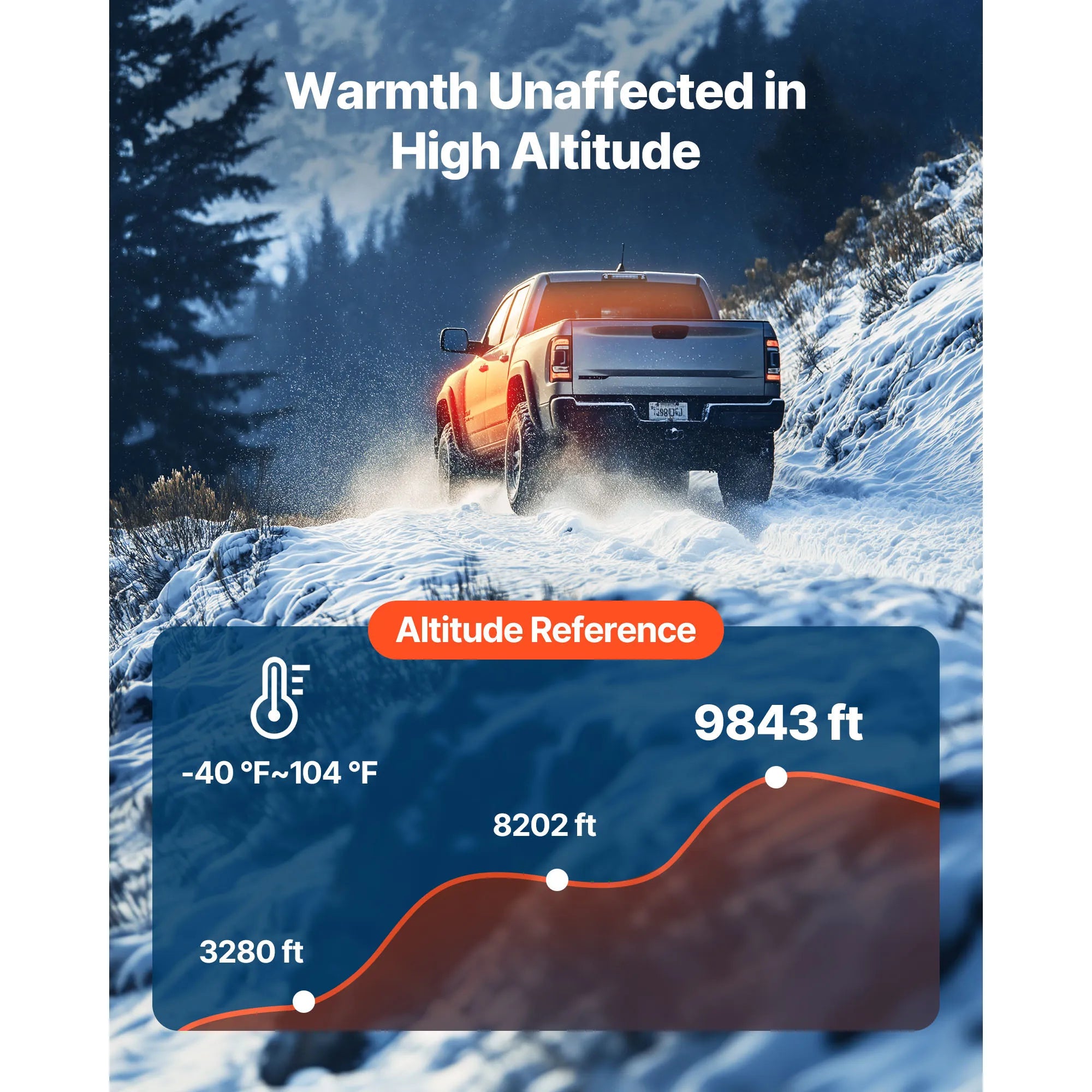
High elevations contain less oxygen, which can affect combustion efficiency if the heater lacks altitude compensation. Likewise, clogged air passages, dirty combustion chambers, restricted exhaust systems, or poor-quality diesel can increase fuel consumption and reduce heat output. Periodic maintenance helps maintain efficient combustion and reliable cold-weather performance.
Electrical Power Consumption Alongside Fuel Usage
Startup vs Running Power Draw
Although diesel provides the heat, every diesel heater also requires electricity. Startup draws the highest current because the glow plug ignites the fuel while the combustion fan reaches operating speed. Once ignition is complete, electrical demand drops substantially during normal heating.
Most modern diesel heaters consume relatively little electrical energy during continuous operation, making them suitable for overnight camping when paired with a healthy auxiliary battery. Battery capacity should account for other overnight loads such as lighting, refrigerators, ventilation fans, and device charging.
Sizing Your Electrical System
When designing an off-grid camper electrical system, consider both fuel availability and battery capacity. A properly sized house battery with adequate charging from solar panels, shore power, or the vehicle alternator ensures reliable heater operation throughout extended trips without excessive battery discharge.
Fuel Usage Examples for Common Van Life Trips
One Night Camping
A single overnight stay of approximately eight hours typically uses between 0.8 and 2.0 liters of diesel, depending on outside temperatures and insulation quality. This makes diesel heaters an economical choice for weekend travel.
Weekend Trip
For a two-night camping trip, expect fuel consumption of roughly 1.6 to 4 liters under typical winter conditions. Carrying a small reserve of diesel is usually sufficient for extended comfort.
Week-Long Winter Stay
Seven consecutive nights of heating commonly require between 6 and 14 liters of diesel, although severe weather and frequent door openings can increase consumption.
Monthly Full-Time Van Life Estimate
Full-time travelers using a diesel heater every night during colder months may consume approximately 25 to 60 liters of diesel per month. Actual usage depends on climate, driving schedule, insulation quality, thermostat settings, and heater size.
| Trip Duration | Estimated Fuel Consumption | Typical Conditions |
|---|---|---|
| 1 Night | 0.8-2.0 L | Cool to cold weather |
| Weekend (2 Nights) | 1.6-4.0 L | Typical winter camping |
| 1 Week | 6-14 L | Cold-weather travel |
| 1 Month | 25-60 L | Full-time van life in winter |
Real User Experiences and Performance Results
Winter Fuel Consumption
Real-world diesel heater fuel consumption during winter generally aligns with published specifications when the heater is correctly sized and the camper is reasonably insulated. Travelers commonly report using between 1 and 3 liters of diesel during a full night in freezing conditions, with higher consumption occurring during prolonged cold snaps or strong winds.
- Comfortable overnight temperatures even below freezing.
- Reduced need to idle the vehicle engine for cabin heat.
- Consistent thermostat-controlled heating throughout the night.
Mild Weather Consumption
During spring, autumn, or cool summer evenings, diesel heaters typically spend much of their operating time at low output. This significantly lowers fuel consumption, allowing many camper vans to stay warm overnight while using well under one liter of diesel in favorable conditions.
Cold Start and Overnight Results
Users generally find that modern diesel heaters warm the cabin quickly after startup before automatically reducing output to maintain temperature. Noise levels vary depending on installation quality, fuel pump mounting, and the heater model, but many installations are quiet enough for comfortable sleeping once normal operating temperature has been reached.
Frequently Asked Questions About Diesel Heaters
How much diesel does a heater use per hour?
Most diesel heaters consume approximately 0.10 to 0.30 liters (0.026 to 0.079 gallons) of diesel per hour during typical operation. Consumption increases during initial warm-up or in very cold weather when higher heat output is required.
How much fuel does a diesel heater use overnight?
An overnight heating session of 8 to 10 hours typically uses between 0.8 and 2.5 liters of diesel. Well-insulated camper vans generally remain near the lower end of this range because the heater cycles rather than operating continuously at maximum power.
Does leaving the heater on low save fuel?
Yes. Maintaining a steady low heat setting often uses less fuel than repeatedly allowing the cabin to cool before reheating it at maximum output. Thermostat-controlled operation also helps improve overall efficiency.
Do diesel heaters use the same diesel as the van?
Yes. Most diesel heaters are designed to use the same diesel fuel as the vehicle, either from the main fuel tank or a dedicated auxiliary tank, making refueling simple during travel.
Do diesel heaters use much electricity?
No. Electrical demand is highest during startup when the glow plug ignites the fuel. Once running, diesel heaters require relatively little electrical power, making them practical for overnight use with a properly sized camper battery system.
Does insulation reduce fuel consumption?
Absolutely. Better insulation minimizes heat loss, allowing the heater to cycle less frequently and consume less diesel while maintaining a comfortable interior temperature.
How much does it cost to run a diesel heater per night?
Operating cost depends on local diesel prices and weather conditions. Because most heaters consume less than a few liters overnight, the running cost is generally modest compared with alternative heating methods or prolonged engine idling.
Are manufacturer fuel consumption ratings realistic?
Manufacturer specifications provide a useful baseline, but actual fuel consumption depends on outside temperature, insulation, heater size, thermostat settings, altitude, and installation quality. Real-world usage usually falls within published operating ranges when the heater is properly installed and maintained.
Related Guide: Diesel Air Heaters Compared Which Option Fits Your Vehicle













