

Diesel Heaters for RV Living: How They Provide Dry Heat Without Condensation
Diesel air heaters provide dry heat because fuel burns inside a sealed combustion chamber rather than in the RV's living space. The moisture created during combustion leaves through the exhaust system instead of mixing with cabin air. This design helps reduce heater-related condensation on windows and walls, although it does not remove humidity already inside your RV from cooking, breathing, wet clothing, or other everyday activities.
For RV owners traveling through cold weather, understanding how this sealed heating process works is the key to choosing an efficient heating solution. A properly installed diesel heater delivers steady warmth, keeps combustion gases outside the vehicle, and minimizes the extra moisture that some indoor heating methods can introduce.
⏱ 7 min read

Diesel heaters for RV comfort in action — See it in action
Why Diesel Heaters Are Ideal for Full-Time RV Living
The main reason diesel heaters provide dry heat without indoor condensation is their sealed combustion design. Combustion air is drawn from outside the RV, diesel fuel burns inside an enclosed chamber, and the resulting exhaust—including water vapor—is expelled through a dedicated exhaust pipe. Cabin air never mixes with the combustion process. Instead, it passes over a heat exchanger that transfers warmth into the living space while keeping moisture and exhaust gases outside.
This means a diesel heater can significantly reduce condensation caused by the heating system itself. However, it is important to set realistic expectations: no heater can eliminate all indoor humidity. Moisture from occupants, cooking, showers, pets, or wet gear can still condense on cold surfaces if ventilation is insufficient.
- Sealed combustion: Combustion takes place in a closed chamber, with moisture and exhaust vented outdoors.
- Separate airflow paths: Cabin air is heated through a heat exchanger without contacting flames or exhaust gases.
- Reduced condensation: Because combustion moisture stays outside, windows and walls are less likely to collect heater-generated condensation.
- Healthier interior environment: Lower moisture from the heating system helps reduce damp conditions that encourage mold and mildew growth.
How Diesel Heaters Deliver Consistent Warmth
A diesel air heater maintains steady temperatures by separating the combustion process from the air you breathe. This diesel air heater dry heat explanation begins with a sealed combustion chamber, where diesel fuel burns while a heat exchanger transfers warmth into the cabin. Because exhaust gases never mix with indoor air, the heater delivers consistent, dry heat while minimizing heater-related condensation.
Airflow Mechanics
- Combustion air: Fresh outside air is drawn into the combustion chamber to support efficient fuel burning.
- Diesel combustion: Heat is generated inside the sealed chamber without exposing the RV interior to flames or exhaust.
- Exhaust gases: Water vapor and combustion byproducts exit through a dedicated exhaust pipe outside the vehicle.
- Cabin air: Interior air circulates across the heat exchanger, warms quickly, and returns to the living space without contacting combustion gases.
Heat Exchanger Operation
The heat exchanger is the component that makes dry heating possible. It acts as a thermal barrier between the combustion chamber and the cabin airflow. Heat passes through the metal exchanger, but moisture, carbon dioxide, and other combustion byproducts remain confined to the sealed exhaust system.
Simple airflow path:
- Outside air → Combustion chamber → Exhaust pipe outdoors
- Cabin air → Heat exchanger → Warm air returned to the RV
Keeping these two air paths completely separate is the reason properly installed diesel heaters provide warm, comfortable air without introducing combustion moisture into the living space.
Installation and Safety Tips for Dry Diesel Heater Operation
A diesel heater only delivers clean, dry heat when it is installed correctly. Proper routing of the combustion air intake, exhaust system, fuel supply, and electrical wiring keeps the sealed combustion process intact while ensuring safe, reliable operation throughout the heating season.

Proper installation supports safe, efficient diesel heater performance.
Exhaust Routing and Carbon Monoxide Safety
- Mount the heater securely on a stable, heat-resistant surface.
- Install the combustion air intake and exhaust pipe according to the manufacturer's specifications.
- Ensure the exhaust outlet vents completely outside the RV and remains unobstructed.
- Seal all mounting penetrations to prevent water or exhaust leaks.
- Install and regularly test a carbon monoxide detector inside the RV.
Because diesel heaters rely on sealed combustion, damaged exhaust components or improper installation can compromise both safety and heating performance. Periodically inspect the exhaust pipe, intake tubing, clamps, and electrical connections for wear or loosening, especially after extended travel on rough roads.
Maintenance for Reliable Heating
Routine maintenance helps preserve efficient combustion and consistent dry heat. Good maintenance practices include:
- Checking fuel lines and fittings for leaks or damage.
- Cleaning air inlets and ensuring unrestricted airflow.
- Inspecting wiring and electrical connectors for secure connections.
- Running the heater periodically at higher output to reduce carbon buildup when recommended by the manufacturer.
- Replacing worn components before they affect combustion or airflow.
For RV owners who want a complete heating solution, the Diesel Air Heater 8KW combines sealed combustion with adjustable output, making it suitable for maintaining comfortable temperatures while helping minimize heater-generated condensation when installed correctly.
When Can Condensation Still Happen With a Diesel Heater?
A properly installed diesel heater provides dry heat because combustion moisture is vented outside. However, that does not mean condensation can never appear inside an RV. Condensation forms whenever warm, humid indoor air contacts cold surfaces such as windows, metal frames, or poorly insulated walls. While a diesel heater avoids adding combustion moisture to the cabin, it does not remove humidity that is already present.
Common RV Moisture Sources
- Breathing and sleeping: Occupants continuously release moisture into the air overnight.
- Cooking: Boiling water and preparing meals increase indoor humidity.
- Wet clothing and gear: Snow-covered boots, rain jackets, and towels evaporate moisture into the cabin.
- Showers and pets: Daily activities can quickly raise humidity levels in compact living spaces.
Ventilation and Humidity Management Tips
The best results come from combining dry heat with good ventilation. Even in winter, allowing a small amount of fresh air exchange helps reduce excess humidity and lowers the likelihood of mold and window condensation.
- Open a roof vent slightly while the heater is operating.
- Use an exhaust fan when cooking or showering.
- Dry wet clothing outside whenever possible.
- Monitor indoor humidity and aim for comfortable levels during cold weather.
- Keep furniture and bedding from blocking airflow against exterior walls.
With proper ventilation, a sealed diesel heater can significantly reduce heater-related condensation while maintaining a warm, comfortable interior throughout cold-weather travel.
Is a Diesel Heater Right for Your RV Lifestyle?
A diesel heater is a strong choice if your priority is reliable, dry heat rather than simply generating high temperatures. Because combustion stays sealed from the living space, it helps minimize heater-generated condensation while providing steady warmth for extended periods.
You are likely to benefit if you:
- Travel or camp in cold, damp climates.
- Want to reduce condensation caused by your heating system.
- Prefer consistent overnight temperatures with quiet operation.
- Are willing to install and maintain a properly vented heating system.
Keep in mind that no heating system can eliminate humidity created by everyday activities. If controlling moisture is important, combine a diesel heater with sensible ventilation and good insulation for the best overall results.
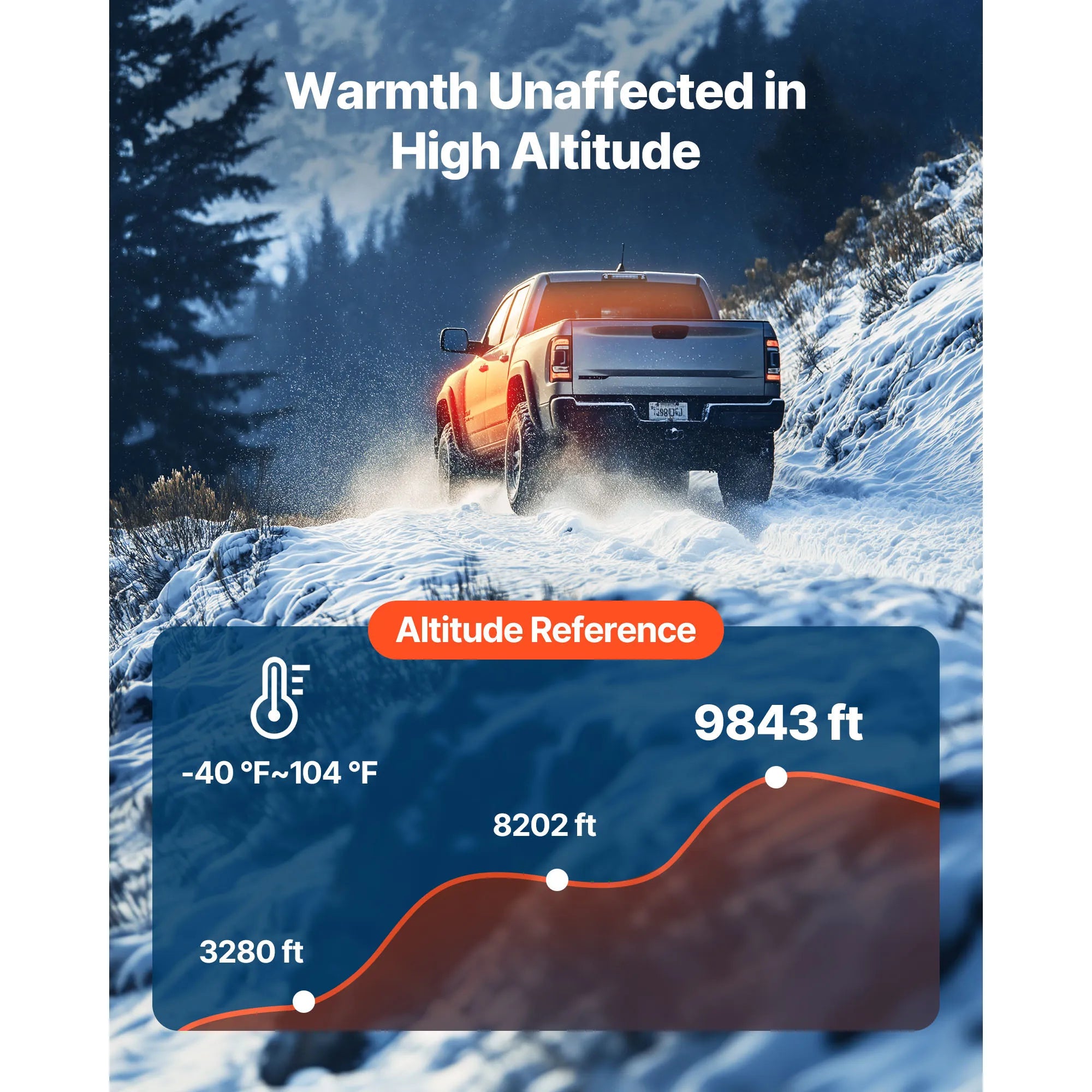
Dry heat paired with good ventilation helps maintain a more comfortable RV interior in cold weather.
Frequently Asked Questions
Why do diesel heaters not produce condensation?
Diesel heaters produce dry heat because combustion takes place inside a sealed chamber. The water vapor created during combustion is carried outside through the exhaust system instead of entering the RV. Cabin air is heated indirectly by a heat exchanger, so combustion moisture never mixes with the air you breathe.
Do diesel heaters remove moisture from RV air?
No. Diesel heaters do not function as dehumidifiers. They reduce heater-related condensation by keeping combustion moisture outside, but they cannot remove humidity already present from breathing, cooking, showers, pets, or wet clothing. Good ventilation is still necessary to control indoor humidity.
Can a diesel heater cause window condensation?
Not directly. If your windows fog while using a diesel heater, the moisture usually comes from everyday activities inside the RV rather than the heater itself. Improving ventilation, reducing indoor humidity, and insulating cold surfaces can help minimize window condensation.
Are diesel heaters safer than unvented propane heaters?
When installed and maintained correctly, sealed diesel heaters generally provide a safer indoor heating method than unvented propane or catalytic heaters because combustion gases remain outside the living space. Regardless of the heating system, every RV should have a working carbon monoxide detector and follow the manufacturer's installation and maintenance recommendations.
How do I reduce RV condensation in winter?
For the best results, combine a sealed diesel heater with practical moisture-control habits:
- Crack open a roof vent or window to promote fresh air exchange.
- Use exhaust fans while cooking or showering.
- Dry wet clothing and outdoor gear before bringing it inside whenever possible.
- Maintain good airflow around windows and exterior walls.
- Monitor indoor humidity and address excessive moisture before condensation develops.
Why do diesel heaters produce dry heat?
Dry heat comes from the heater's sealed combustion design. Heat transfers through a heat exchanger into the cabin, while combustion gases and water vapor leave through a dedicated exhaust. This separation is what distinguishes diesel heaters from unvented combustion heaters.
Do diesel heaters create condensation inside an RV?
Under normal operating conditions, no. A properly installed diesel heater does not introduce combustion moisture into the cabin. Any condensation that appears is typically caused by indoor humidity and cold interior surfaces rather than the heating system itself.
Can diesel heaters reduce RV humidity?
They help prevent additional humidity from being created by the heating process, but they do not actively lower existing moisture levels. Ventilation remains an important part of managing condensation during cold weather camping.
Do diesel heaters release moisture into the cabin?
No. In a properly functioning sealed system, combustion moisture exits through the exhaust pipe. The warm air circulated inside the RV never comes into contact with combustion gases or water vapor.
Related Guide: Off Grid Vehicle Heating Solutions for Winter Travel













