

⏱ 7 min read
Diesel RV Heater Use Cases: Weekend Trips to Long Hauls
A diesel RV heater has become one of the most popular heating solutions for RV owners who want dependable warmth without relying heavily on campground hookups or propane refills. Whether you enjoy occasional weekend camping, extended boondocking, or full-time RV living, the right heater can deliver steady heat while using surprisingly little electricity and fuel.
This guide explains how diesel RV heaters work, what features matter most before buying, and how they perform in real-world travel. You'll also learn about fuel consumption, noise levels, installation considerations, safety practices, and the situations where a diesel heating system offers the greatest advantages.
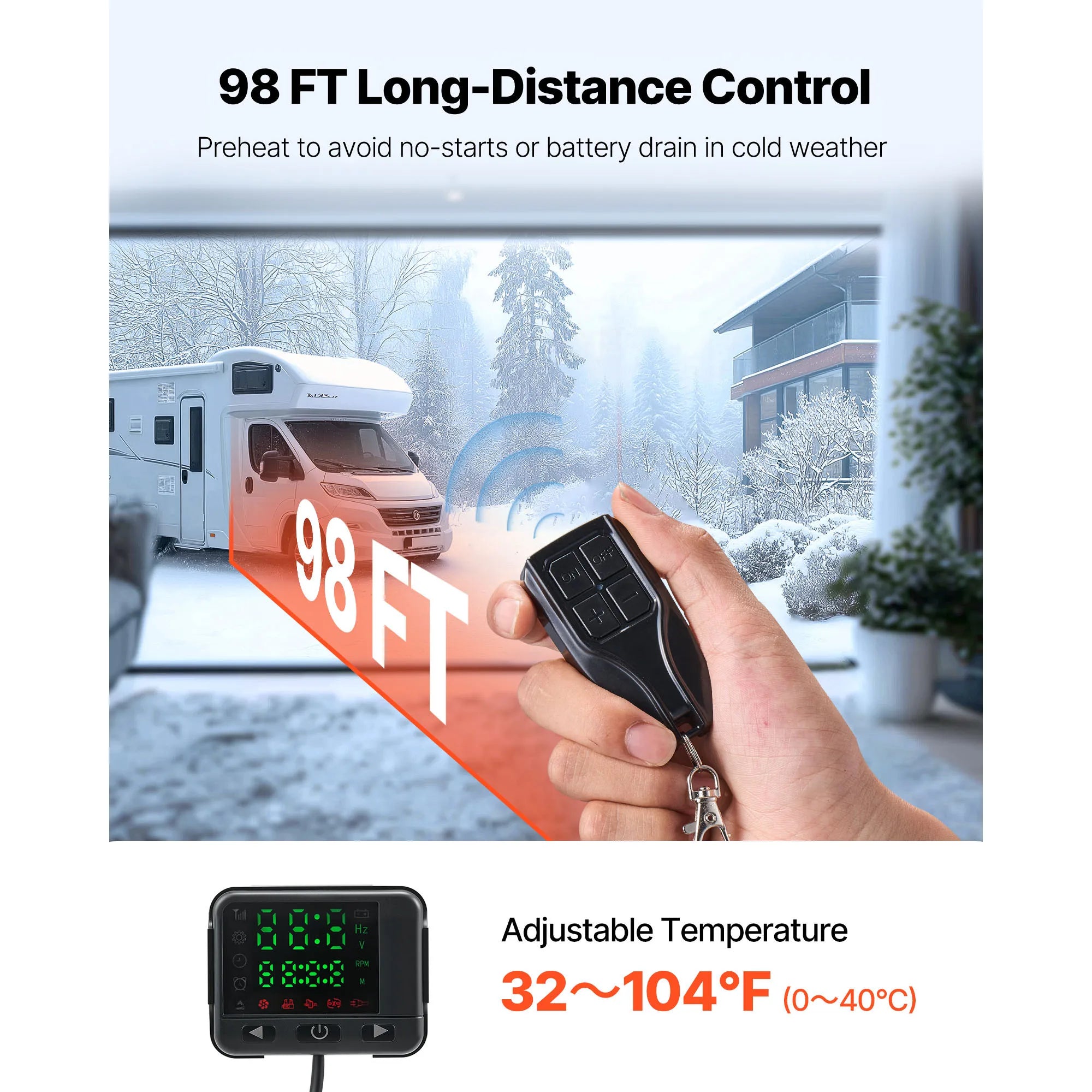
Diesel RV heater for quiet, efficient warmth on the road. See it in action.
Best Diesel Heater for RV: Top Picks Compared
Rather than focusing on individual brands, it's more helpful to identify the type of diesel heater that best matches your RV, climate, and camping style. Heat output, controller quality, altitude performance, fuel efficiency, and operating noise all influence long-term satisfaction more than price alone.
Best Overall Diesel Heater for RV Winter Camping
A balanced mid-to-high output heater offers the best combination of consistent overnight warmth, efficient diesel consumption, and reliable operation during freezing temperatures. These models suit most travel trailers, camper vans, and medium-sized motorhomes used throughout winter.
Best Budget Diesel Heater for RV
Entry-level diesel heaters provide excellent value for occasional travelers who primarily camp during weekends or shoulder seasons. While premium features such as quieter fuel pumps or advanced controllers may be limited, they still provide dependable heating when installed correctly.
Best Quiet Diesel Heater for Van Life
Travelers who sleep close to their heating system should prioritize units with brushless fans, improved exhaust mufflers, vibration-isolated fuel pumps, and programmable thermostats. These features help reduce interior noise while maintaining comfortable cabin temperatures overnight.
Best High-Capacity Diesel Heater for Large RVs
Larger Class A motorhomes, fifth wheels, and poorly insulated RVs benefit from higher-capacity heaters capable of distributing heat evenly throughout multiple living areas. Selecting adequate output helps reduce continuous high-power operation during extremely cold weather.
How a Diesel Heater Works in an RV
Understanding how a diesel heater works helps explain why these systems are so efficient for off-grid travel. Unlike traditional propane furnaces, a diesel RV heater burns fuel inside a sealed combustion chamber while circulating clean, heated cabin air separately from the exhaust system.
Basic Working Principle
Diesel fuel is delivered into a sealed combustion chamber where it is ignited electronically. The resulting heat passes through a metal heat exchanger, allowing an internal fan to blow warm air into the RV without introducing combustion gases into the living space.
Air Intake, Combustion, and Heat Exchange
- Outside air supports combustion inside the sealed burner.
- A metering pump delivers precise amounts of diesel fuel.
- The combustion chamber generates heat that transfers through the heat exchanger.
- A separate blower circulates clean, heated cabin air.
- Combustion gases exit safely through an external exhaust system.
Power Source and Control Unit
Most diesel heaters operate from a 12V RV electrical system. Electrical demand is highest during startup while the glow plug ignites the burner, then drops significantly during normal operation. Modern control panels and digital thermostats automatically regulate fan speed, fuel delivery, and cabin temperature for efficient, comfortable heating.
Why Diesel RV Heaters Shine on Weekend Trips
Quick Startup and Warm-Up Time
Weekend camping often means arriving after sunset or leaving before sunrise, making fast cabin heating especially valuable. A diesel RV heater reaches operating temperature quickly and delivers consistent warm air without placing a heavy load on your RV battery bank, allowing you to settle in comfortably even after a cold-weather arrival.
Efficient Heating for Short Stays
Because diesel heaters consume relatively little fuel and electricity once running, they're well suited to overnight trips, hunting weekends, ski vacations, and dispersed camping. You can maintain comfortable interior temperatures throughout the night without constantly monitoring fuel or searching for electrical hookups.
- Rapid cabin warm-up after cold starts.
- Low electrical draw for battery-powered camping.
- Stable thermostat-controlled temperatures overnight.
- Excellent performance for boondocking and remote campsites.
- Reduced dependence on campground electrical service.
Many weekend travelers pair their heater setup with lifestyle essentials from the Lifestyle collection to create a cozy, functional RV environment that feels intentional—not improvised.
How Diesel RV Heaters Support Long-Term Travel
Off-Grid Capability
For extended road trips and full-time RV living, a diesel heater provides dependable off-grid heating by combining minimal electrical consumption with readily available diesel fuel. This makes it easier to camp for longer periods without relying on campground hookups or frequent propane refills.
Reliable Daily Operation
Quality diesel heaters are designed for continuous seasonal use. When properly installed and maintained, they provide stable interior temperatures throughout the day and night while automatically adjusting fuel delivery to match changing heating demands.
Compared with traditional propane furnaces, diesel heating systems often reduce interruptions during winter travel because diesel fuel is widely available, combustion efficiency remains consistent, and the electrical demand stays low enough for most RV battery systems to support overnight operation.
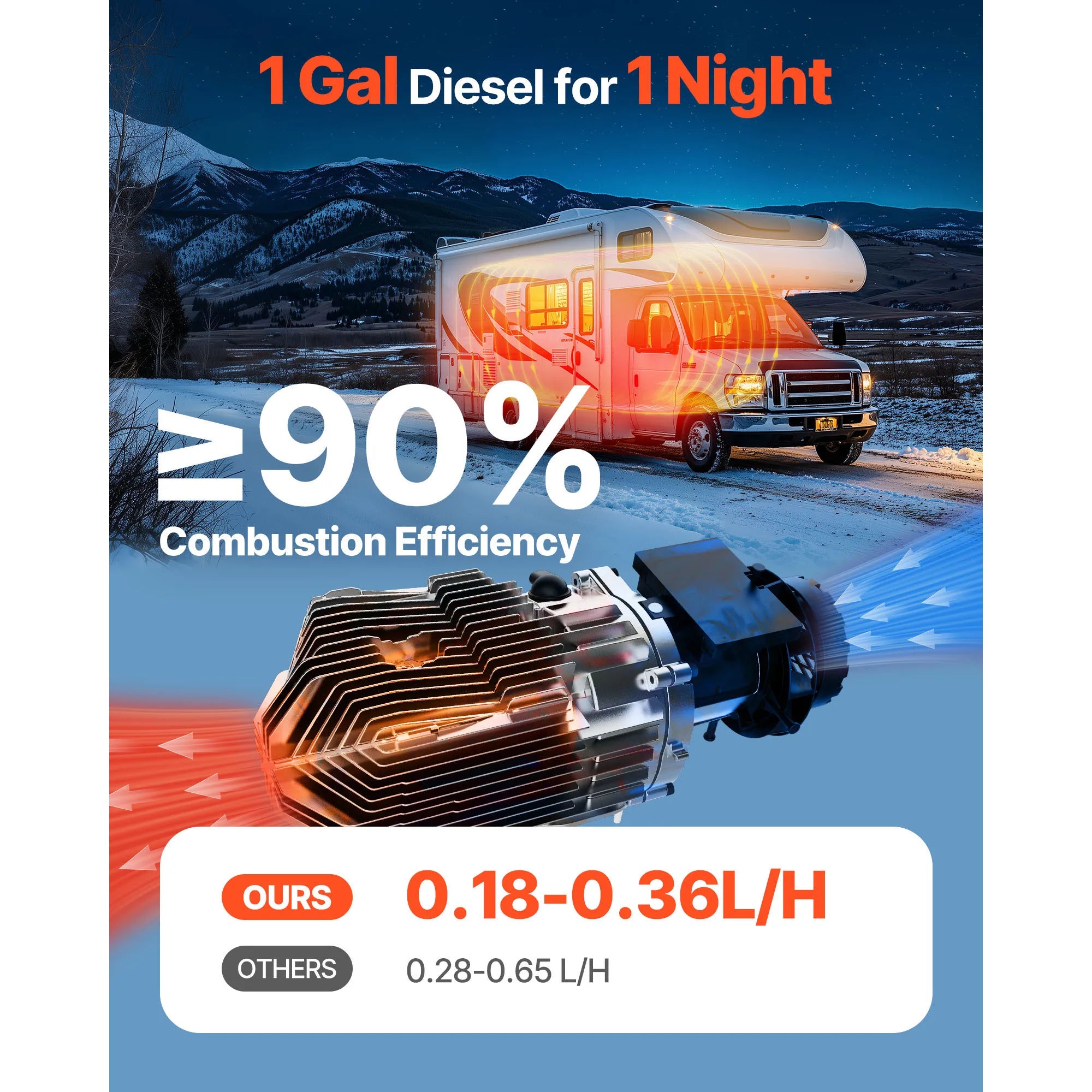
Reliable diesel RV heater comfort for long-haul adventures. See it in action.
Diesel Heater Fuel Consumption Explained
How Much Fuel Does a Diesel RV Heater Use?
Diesel heater fuel consumption varies according to heat output, outdoor temperatures, and thermostat settings. Most RV diesel heaters consume approximately 0.1 to 0.5 liters of diesel per hour , making them one of the most fuel-efficient heating options available for off-grid camping and winter travel.
Fuel Consumption by Power Setting
Lower heat settings use significantly less fuel because the metering pump delivers smaller amounts of diesel while the fan operates at reduced speed. During extremely cold weather, higher output settings increase fuel usage but provide faster cabin heating and more stable interior temperatures.
Real-World Operating Cost
Actual daily fuel use depends on climate and travel habits. A well-insulated RV parked in mild winter conditions may require only a small amount of fuel each day, while extended camping in sub-freezing temperatures naturally increases consumption as the heater cycles more frequently.
| Usage Style | Average Consumption |
|---|---|
| Weekend Camping | 1–2 liters/day |
| Full-Time Winter Travel | 2–4 liters/day |
Factors Affecting Fuel Use
- Outside temperature and wind exposure.
- RV insulation quality and air leaks.
- Correct heater sizing for the living space.
- Thermostat settings and cycling frequency.
- Door openings and overall occupancy.
Diesel Heater Noise Level and How to Reduce It
Typical Noise Levels
Most modern diesel heaters operate between 40 and 60 dB , roughly comparable to a quiet conversation. Actual diesel heater noise level depends on installation quality, fan speed, mounting location, and the components used during installation.
Fuel Pump Noise
The rhythmic ticking of the metering pump is often the most noticeable sound inside an RV. Mounting the pump on rubber isolation brackets and positioning it away from sleeping areas can significantly reduce vibration and transmitted noise.
Exhaust and Fan Noise
Air movement from the blower and exhaust flow are normal during operation. Loose mounting hardware, poorly routed ducting, or inexpensive exhaust components can amplify sound levels, especially during startup and high-output heating cycles.
Noise Reduction Upgrades
- Install vibration dampers for the fuel pump.
- Mount the heater on sound-insulating materials where appropriate.
- Add a quality exhaust muffler.
- Secure all brackets, ducts, and mounting hardware.
- Use insulated warm-air ducting where practical.
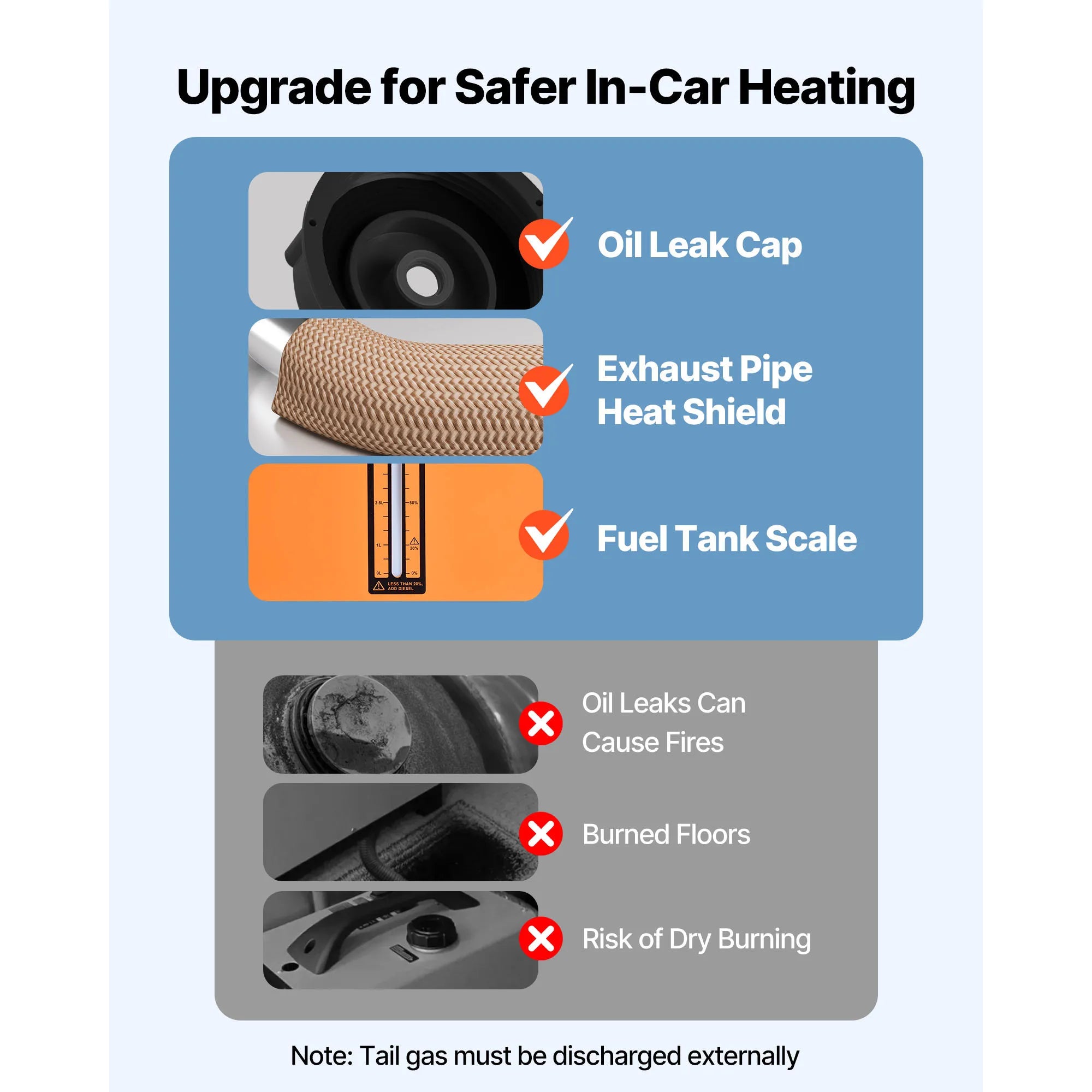
Efficient diesel RV heater setup built for confidence. See it in action.
Are Diesel Heaters Safe in an RV?
Combustion Safety
When installed correctly, diesel heaters use sealed combustion systems that keep combustion gases completely separate from the air circulated inside the RV. Modern units also include multiple electronic safety systems that continuously monitor operation.
- Overheat protection sensors.
- Flame-out detection.
- Automatic shutdown during abnormal operation.
Carbon Monoxide Protection
Although properly functioning diesel heaters vent exhaust outside the vehicle, every RV should be equipped with a working carbon monoxide detector. Regular testing and battery replacement provide an essential layer of protection throughout the camping season.
Ventilation Requirements
Safe installation requires correctly routed exhaust piping, properly sealed floor penetrations, unrestricted combustion air intake, and sufficient clearance from combustible materials. Exhaust outlets should always terminate away from windows, doors, and fresh-air intakes.
Safe Overnight Operation
Many RV owners safely operate diesel heaters overnight during winter camping. Before doing so, confirm that the heater has been installed according to manufacturer specifications, inspect the exhaust system regularly for leaks or damage, and verify that carbon monoxide detectors remain fully functional at all times.
Diesel Heater Pros and Cons
Advantages
Understanding the diesel heater pros and cons helps determine whether this heating system matches your camping style. For many RV owners, the advantages become especially apparent during cold-weather travel and extended off-grid stays.
- Excellent fuel efficiency with low hourly diesel consumption.
- Minimal electrical draw compared with many alternative heating systems.
- Reliable, thermostat-controlled heat for overnight comfort.
- Ideal for boondocking and long-term off-grid camping.
- Readily available fuel throughout most travel routes.
- Consistent heating performance in cold weather when properly sized.
Disadvantages
Like any RV upgrade, diesel heaters require proper planning and routine maintenance to perform reliably over the long term.
- Installation is more involved than using a portable electric heater.
- Startup noise may be noticeable without vibration isolation.
- Periodic maintenance is required to keep the burner operating efficiently.
- Incorrect sizing can reduce efficiency or increase cycling.
- Professional installation may be preferred for complex RV layouts.
Who Should Buy One
A diesel heater is an excellent choice for RV owners who regularly travel during fall and winter, spend time boondocking without electrical hookups, or want to reduce reliance on propane for cabin heating. Travelers who camp only occasionally in mild climates may find simpler heating options adequate, while full-time RVers often benefit the most from the efficiency and reliability of a properly installed diesel heating system.
Installation Guide for Diesel Heaters in RVs
Basic Installation Overview
Installing a diesel heater typically involves mounting the heater securely, routing the combustion air intake and exhaust beneath the RV, connecting the fuel supply, installing warm-air ducting where applicable, and wiring the unit to a protected 12V electrical circuit. Careful planning helps maximize both safety and heating performance.
Common Installation Mistakes
- Improper exhaust routing that restricts airflow or creates excessive heat buildup.
- Fuel line connections that are not fully sealed or adequately supported.
- Insufficient clearance around the heater for ventilation and maintenance.
- Poor routing of wiring or ducting that limits system efficiency.
- Mounting the fuel pump directly to rigid surfaces, increasing interior noise.
DIY vs Professional Installation
Experienced DIY enthusiasts can successfully install many diesel heater kits by carefully following manufacturer instructions and local safety requirements. However, professional installation is recommended for complex RV layouts, integrated fuel systems, or situations where correct exhaust routing and electrical protection require specialized knowledge. A properly installed system operates more efficiently, runs more quietly, and provides greater long-term reliability.
Frequently Asked Questions
Are diesel heaters safe to run overnight in an RV?
Yes. A properly installed diesel heater with sealed combustion, adequate ventilation, and functioning carbon monoxide detectors can safely operate overnight. Regular inspection of the exhaust system and routine maintenance are essential for safe operation.
How much fuel does a diesel RV heater use per hour?
Most diesel RV heaters consume between 0.1 and 0.5 liters of diesel per hour , depending on heater size, thermostat settings, outside temperature, and the insulation of your RV.
How much electricity does a diesel heater consume?
Diesel heaters require 12V DC power. Electrical demand is highest during startup when the glow plug ignites the burner, then drops to a relatively low level during normal operation, making them well suited for battery-powered and off-grid camping.
What size diesel heater does my RV need?
Smaller camper vans and compact travel trailers often perform well with lower-output heaters, while larger motorhomes or poorly insulated RVs typically require higher-capacity units. Selecting the correct size improves efficiency, comfort, and heater longevity.
Can a diesel heater use the RV's main fuel tank?
Many diesel-powered motorhomes can share the vehicle's main diesel tank through an approved pickup system. Gasoline-powered RVs generally require a separate diesel fuel tank dedicated to the heater.
Are diesel heaters noisy inside an RV?
Most modern units operate quietly after startup. Proper installation, vibration-isolated fuel pumps, quality exhaust components, and secure mounting significantly reduce interior noise levels.
Do diesel heaters produce condensation?
No. Because combustion occurs in a sealed chamber and exhaust gases are vented outside, diesel heaters produce far less interior condensation than unvented propane heaters, helping maintain a drier living space during cold-weather camping.
Do diesel heaters work at high altitude?
Many modern diesel heaters perform well at elevation, particularly models equipped with automatic or adjustable altitude compensation. In high mountain environments, proper fuel-air adjustment helps maintain clean combustion and reliable performance.
Related Guide: Off Grid Vehicle Heating Solutions for Winter Travel













