

Diesel RV Heaters Review: What Owners Like and Dislike
Do Diesel RV Heaters Really Work?
Yes, a properly installed diesel RV heater can provide reliable, efficient warmth for campers, travel trailers, motorhomes, and off-grid vehicles. These compact heating systems use a sealed combustion chamber and heat exchanger to convert diesel fuel into warm air without introducing combustion gases into the RV living space. Most diesel air heaters deliver approximately 2–8kW of heating output, making them suitable for everything from small camper vans to larger RV interiors.
Unlike traditional heating methods that may create excess moisture, diesel heaters circulate dry, heated air that helps maintain comfortable indoor temperatures, reduce window condensation, and improve cold-weather camping comfort. By understanding heating capacity, BTU output, airflow, and insulation levels, RV owners can choose a diesel heater that matches their space and climate conditions.
How Diesel Air Heaters Work
A diesel air heater works by drawing fuel from a diesel tank into a small combustion chamber, where it burns to generate heat. A built-in fan moves air across the heat exchanger, warming the surrounding air before distributing it throughout the RV through vents or ducting.
The combustion process remains separated from the interior airflow, allowing the heater to provide continuous warmth while directing exhaust gases outside the vehicle. This design makes diesel heaters popular among winter travelers who need dependable heating during overnight stays, remote camping, and extended off-grid adventures.
The main components that determine performance include:
- Combustion chamber: Burns diesel fuel efficiently to create heat.
- Heat exchanger: Transfers heat to interior airflow while separating exhaust gases.
- Air intake and exhaust system: Controls combustion airflow and safely removes emissions.
- Fan and controller: Regulates temperature, airflow speed, and operating settings.
Are Diesel Heaters Efficient?
Many RV owners ask, “are diesel heaters efficient?” The answer is yes when the unit is correctly sized and installed. Diesel heaters are designed to produce substantial heat while using relatively small amounts of fuel, which is especially valuable for travelers who spend days or weeks away from traditional power sources.
A typical 5kW diesel heater may consume around 0.06–0.125 gallons of diesel per hour depending on the temperature setting and operating conditions. This allows many users to maintain comfortable temperatures overnight without carrying large amounts of fuel or frequently stopping for refills.
Compared with some propane heating systems, diesel heaters can offer advantages for off-grid travel because diesel fuel is often easier to store and available directly from many vehicle fuel supplies. Their dry heat output also helps reduce the moisture problems that RV owners commonly experience during cold weather.
Why Diesel Heaters Are So Popular for RVs
The popularity of diesel heaters comes from their combination of heating power, fuel efficiency, and versatility. Winter RV travelers often choose these systems because they provide consistent warmth in conditions where maintaining comfort is challenging.
Common reasons RV owners choose diesel heaters include:
- Reliable cold-weather performance: Provides steady heat during freezing temperatures and winter camping trips.
- Fuel efficiency: Uses diesel economically, supporting longer off-grid travel.
- Dry heat production: Helps control condensation and moisture inside the RV.
- Compact design: Fits well in camper vans, trailers, and motorhomes where space is limited.
- Independent operation: Allows travelers to stay comfortable without relying on campground hookups.
For many owners, the biggest advantage is confidence. A dependable diesel heater means less concern about cold nights, frozen interiors, and uncomfortable travel conditions. Whether exploring mountain roads, camping in remote locations, or living seasonally in an RV, a well-selected diesel heater can significantly improve the overall experience.
Which heating solution truly keeps your RV warm during sub-zero nights? Keep reading to discover real owner experiences.
How Diesel RV Heaters Deliver Consistent Comfort Owners Trust
Diesel RV heaters have become a preferred choice among many winter travelers because they deliver steady warmth, efficient fuel use, and reliable performance in challenging conditions. Real-world diesel heater reviews often highlight faster heat-up times, improved moisture control, and the ability to maintain comfortable temperatures during overnight camping and extended off-grid trips.
Unlike heating systems that rely on intermittent operation, a quality diesel RV heater provides consistent airflow and adjustable temperature control. This helps reduce cold spots inside the RV while creating a more comfortable environment for sleeping, cooking, and relaxing during colder adventures.
| Feature | Owner Benefit | Impact | Example |
|---|---|---|---|
| Rapid Heat Output | Quickly warms the RV interior | Improves comfort after cold-weather travel | A 5kW heater can warm a small camper space efficiently within minutes when properly sized |
| Stable Temperature Control | Maintains consistent warmth overnight | Reduces temperature swings and improves sleeping comfort | Adjustable controllers help maintain preferred indoor temperatures |
| Dry Heat Production | Helps reduce interior moisture | Lowers condensation risks on windows and surfaces | Useful for winter camping where humidity buildup is common |
| Fuel Efficiency | Supports longer off-grid trips | Reduces the need for frequent refueling | A 5kW diesel heater may consume around 0.125 gallons per hour depending on settings |
| Quiet Operation | Creates a more comfortable sleeping environment | Minimizes disruption during overnight use | Proper installation and insulation can reduce fan and pump noise |
Faster Heating Performance That Improves Travel Comfort
One of the most appreciated advantages mentioned in diesel heater reviews is rapid heat delivery. After driving through freezing temperatures or setting up camp in cold weather, RV owners often value a system that can quickly raise interior temperatures and provide immediate comfort.
Diesel air heaters are especially effective in small and medium-sized RVs because they combine strong heat output with compact designs. When matched correctly to the RV size, they can distribute warm air throughout the living space without requiring large fuel reserves or excessive power consumption.
Fuel Efficiency That Supports Off-Grid Living
Fuel efficiency is one of the biggest reasons travelers choose diesel heaters for RV use. A properly sized diesel heater can operate for extended periods while using a relatively small amount of fuel, making it practical for boondocking, remote camping, and long-distance travel.
For example, a 5kW diesel heater operating at moderate settings may consume approximately 0.125 gallons per hour. This means a single gallon of diesel can provide several hours of continuous heating, depending on outdoor temperature, insulation quality, and thermostat settings.
Travelers often pair heating with wellness products from the Lifestyle collection to enhance mobile comfort and relaxation.
Reliable Operation in Extreme Cold Conditions
Cold-weather reliability is another reason many RV owners choose diesel heating systems. Diesel heaters are designed to provide consistent warmth during winter camping, mountain travel, and off-grid adventures where dependable heating is essential.
When combined with proper RV insulation, adequate ventilation, and correct installation, a diesel RV heater can help maintain a comfortable interior even when outdoor temperatures drop significantly. This reliability makes diesel heating popular among full-time RV travelers, overlanders, and seasonal campers who regularly explore colder climates.
What Owners Dislike About Diesel RV Heating Systems
Diesel Heater Noise Level Can Affect Sleep Comfort
Although modern diesel RV heaters are designed to operate quietly, some owners mention noise from the internal fan, fuel pump, or vibration caused by installation issues. The actual noise level depends heavily on the heater model, mounting method, insulation, and placement inside the RV.
- ✅ Newer models often include quieter fans and improved controllers
- ❌ Poor mounting can increase vibration and operational noise
- ❌ External fuel pumps may create noticeable ticking sounds
Installing vibration isolation mounts, securing fuel lines correctly, and placing the heater away from sleeping areas can significantly improve nighttime comfort.
Installation Challenges Require Careful Planning
Installing a diesel heater in an RV requires attention to exhaust routing, fuel connections, airflow management, and electrical requirements. While experienced DIY users can complete installations successfully, incorrect setup can reduce performance or create safety risks.
Common installation mistakes include:
- Incorrect exhaust placement that may increase carbon monoxide risks
- Poor duct sealing that reduces heating efficiency
- Insufficient battery capacity causing startup or low-voltage problems
Professional installation is recommended for owners who want maximum safety and reliability. DIY installations can work well when users carefully follow manufacturer instructions, use proper tools, and verify all fuel, electrical, intake, and exhaust connections.
Initial Investment Can Feel High
The upfront cost of a diesel heater may be higher than some basic propane heating options. However, many RV owners consider the investment worthwhile because of long-term benefits, including lower fuel consumption, dependable cold-weather performance, and greater independence during off-grid travel.
diesel air heater reviews highlight installation and performance insights See it in action
Comparing Popular Diesel Heater Options for RV Travelers
Choosing the right diesel heater for an RV depends on interior size, insulation quality, travel conditions, and heating requirements. Diesel heater reviews commonly compare output capacity, fuel consumption, noise levels, and installation requirements because the best option for a camper van may not be suitable for a large motorhome.
| Heater Type | Output (kW) | Fuel Use (gal/hr) | Noise Level | Typical Price Range ($) | Best For |
|---|---|---|---|---|---|
| Compact Diesel Heater | 2–5 | 0.06–0.125 | Very Low | 250–350 | Small camper vans, compact RVs, and short winter trips |
| Mid-Range Diesel Heater | 5–8 | 0.125–0.2 | Low | 400–600 | Travel trailers, medium RVs, and extended off-grid camping |
| High Output Diesel Heater | 8+ | 0.2–0.3 | Moderate | 600–900 | Large motorhomes and larger living spaces |
For many RV travelers, the ideal diesel heater balances heating power, fuel efficiency, and reliability. Oversizing a heater can lead to short cycling and inefficient operation, while choosing a unit with insufficient output may result in slow heating during extreme weather.
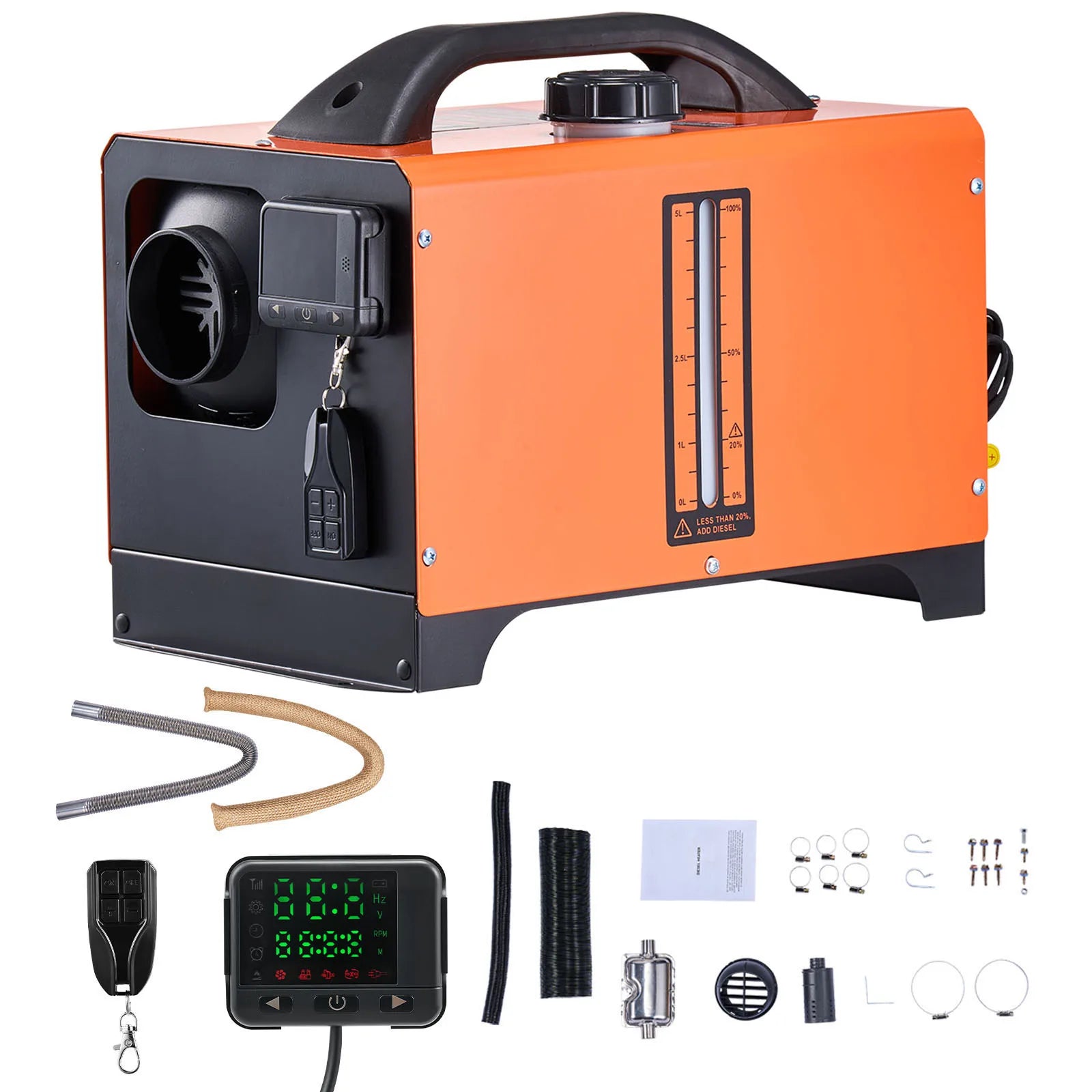
Diesel Air Heater 8kW is a popular option for RV owners who need strong heating performance while maintaining efficient fuel usage. Its main advantages include fast heat delivery, dependable cold-weather operation, and economical fuel consumption. Potential drawbacks include installation requirements and increased operating noise if mounting and vibration control are not handled correctly.
How Proper Installation Improves Comfort and Efficiency
A diesel heater’s performance depends heavily on installation quality. Even a powerful RV diesel heater may operate poorly if airflow, exhaust routing, electrical connections, or mounting position are not properly planned.
Key installation considerations include:
- Select the correct mounting location: Install the heater away from sleeping areas when possible to reduce operational noise and improve nighttime comfort.
- Reduce vibration: Use vibration dampeners and secure mounting hardware to minimize fuel pump clicks and fan-related movement.
- Install exhaust and intake correctly: Route exhaust gases safely outside the RV and keep intake paths clear for efficient combustion.
- Seal air ducts properly: Well-sealed ducting improves heat distribution and prevents energy loss.
- Configure temperature controls: Adjust thermostat settings and fan speeds to maintain consistent indoor comfort.
- Monitor electrical demand: Check battery capacity and voltage levels, especially when operating the heater overnight.
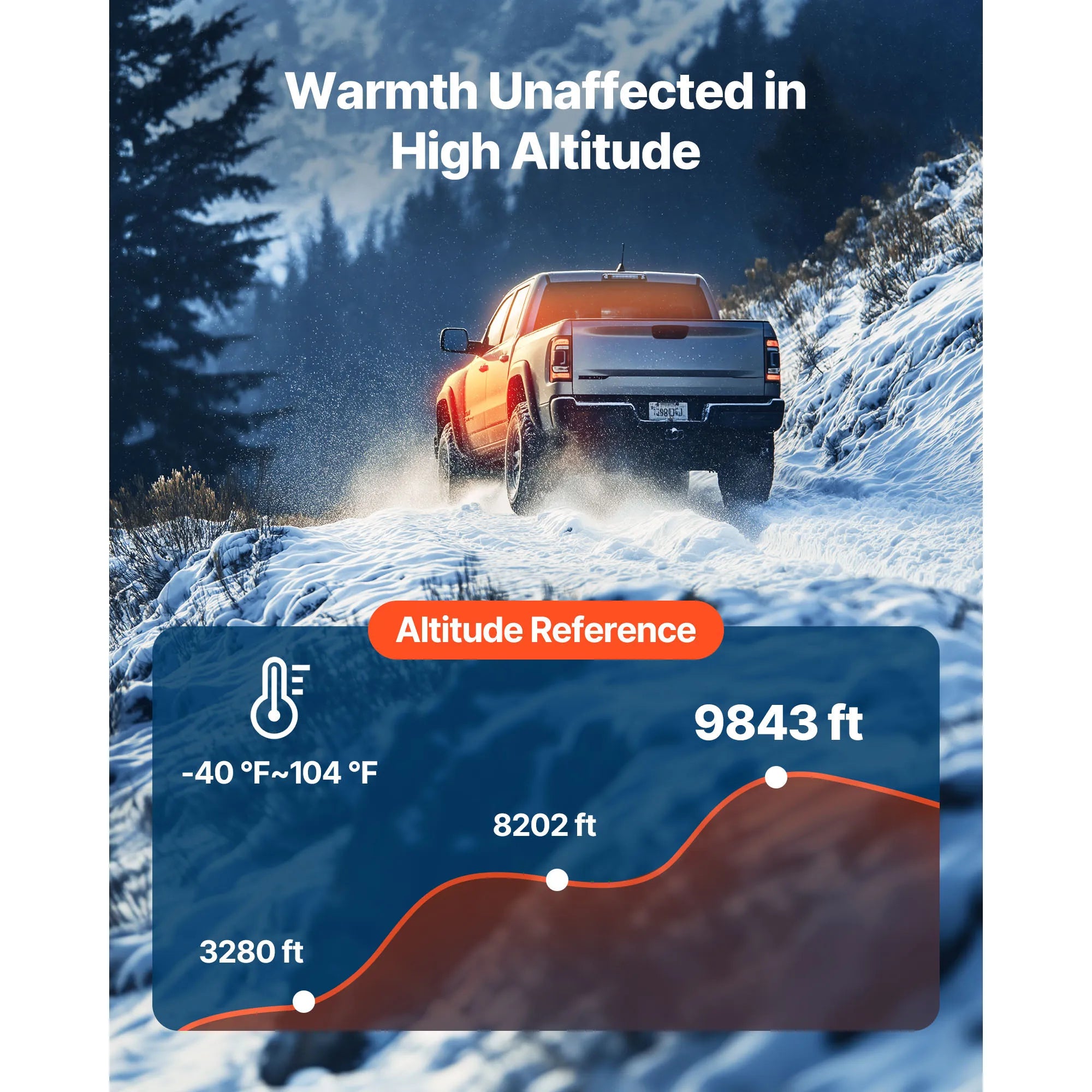
- Prepare for altitude changes: Some diesel heaters may require altitude adjustments when traveling at higher elevations.
Correct installation improves heating efficiency, reduces unnecessary fuel consumption, lowers noise levels, and supports safer operation during long winter journeys.
Enhance relaxation further with products from the Body Care and Health Devices collection during winter travel.
How Diesel Heating Transforms Winter RV Travel and Comfort
Diesel heaters give RV travelers the freedom to explore colder destinations while maintaining a comfortable living environment. From weekend camping trips to full-time adventures, the right diesel RV heater can provide dependable warmth, reduce reliance on campground hookups, and improve overall winter travel experiences.
The ideal heater size depends on RV dimensions, insulation levels, and expected weather conditions:
- Weekend campers: A 2–5kW compact diesel heater is typically suitable for camper vans and smaller RVs that need fast heat-up during short winter trips.
- Full-time RV travelers: A 5–8kW diesel heater offers a strong balance of heating capacity and fuel efficiency for larger interiors and extended off-grid stays.
- Class A motorhomes and large RVs: An 8kW+ high-output unit can provide consistent warmth across larger living spaces with multiple heating zones.
Beyond temperature control, diesel heating improves winter RV comfort by helping manage condensation, protecting interior spaces from excessive moisture, and allowing travelers to stay comfortable in areas where traditional heating options may be less convenient.
Real Owner Testimonials
Sarah, Full-Time RV Traveler:
"Our diesel heater keeps our motorhome warm even during snowy mountain trips. The fuel savings and reliable overnight heating made it a valuable upgrade for our winter travels."
Mike & Jenna, Weekend Campers:
"We were concerned about diesel heater noise, but after proper installation and vibration control, it became much quieter than expected. We can now sleep comfortably during cold-weather camping."
David, Overland Explorer:
"I compared multiple diesel heater reviews before choosing the
diesel air heater 8kw
. It provides strong heat output while maintaining efficient fuel use during remote trips."
Final Verdict: Are Diesel RV Heaters Worth the Investment?
For many RV owners, a diesel heater is a worthwhile investment because it combines reliable heating performance, efficient fuel consumption, and greater independence during cold-weather travel. The best choice depends on RV size, travel frequency, and climate conditions.
- Small camper van: Choose a compact diesel heater for efficient heat delivery, low fuel consumption, and limited-space installations.
- Travel trailer or medium RV: A mid-range 5–8kW unit provides a practical balance of comfort, efficiency, and overnight heating capability.
- Large motorhome or Class A RV: An 8kW+ diesel heater offers higher output for larger interiors and colder environments.
When properly installed with safe exhaust routing, correct sizing, and effective noise management, diesel RV heaters provide dependable warmth for winter camping, off-grid exploration, and long-distance travel.
best diesel heater for rv delivers dependable winter comfort See it in action
Frequently Asked Questions
Are diesel RV heaters safe to run overnight?
Yes, a properly installed diesel RV heater can safely operate overnight when installed according to manufacturer guidelines. Modern systems use controlled fuel delivery, temperature regulation, and separated combustion chambers to provide heat while directing exhaust gases outside the RV. Always ensure proper ventilation, safe exhaust routing, and regular inspections before extended use.
How much fuel does a diesel heater use per night?
Fuel consumption depends on heater size, thermostat settings, outdoor temperature, and RV insulation. Many 5kW diesel heaters consume approximately 0.06–0.125 gallons per hour, meaning overnight usage may vary depending on how often the heater cycles. Efficient insulation and proper sizing can significantly reduce fuel consumption during cold-weather camping.
How much electricity does a diesel heater use?
Diesel heaters require 12V power to operate the fan, fuel pump, and electronic controls. Power consumption is generally low after startup, but the initial ignition phase typically requires more energy. RV owners using diesel heaters overnight should monitor battery capacity and consider reliable power sources such as auxiliary batteries, solar systems, or portable power stations.
Can I install a diesel heater myself?
Experienced RV owners can install a diesel heater themselves with proper tools and careful attention to safety requirements. Important installation steps include correct fuel line placement, secure electrical connections, proper intake and exhaust routing, and adequate clearance from heat-sensitive materials. Professional installation is recommended for users who are unfamiliar with RV electrical systems or combustion appliances.
How long do diesel RV heaters last?
A quality diesel RV heater can provide years of reliable service when properly maintained. Lifespan depends on operating conditions, fuel quality, installation quality, and maintenance frequency. Regular cleaning, checking fuel connections, inspecting exhaust components, and preventing carbon buildup can help extend heater performance.
Do diesel heaters work at high altitude?
Yes, many diesel heaters can operate at higher elevations, but performance may be affected by reduced oxygen levels. Some advanced models include altitude adjustment settings to maintain efficient combustion. Travelers regularly camping above 8,000 feet should check whether their chosen heater supports high-altitude operation.
Can a diesel heater heat a large motorhome?
Yes, diesel heaters can heat larger RVs when the unit is correctly sized. Large motorhomes may require higher-output models, improved ducting, or multiple heating zones to distribute warmth evenly. Choosing the correct output based on interior volume, insulation, and climate conditions is essential for effective heating.
Do diesel heaters produce condensation inside an RV?
No, diesel heaters typically produce dry heat that can help reduce indoor moisture compared with some traditional heating methods. However, condensation can still occur in any RV due to cooking, breathing, wet clothing, and poor ventilation. Combining heating with proper airflow and RV insulation helps maintain a comfortable interior environment.
Are diesel heaters efficient compared with propane furnaces?
Diesel heaters are often considered highly efficient for off-grid RV travel because they provide strong heat output while using relatively small amounts of fuel. Propane furnaces remain popular for built-in RV systems, but diesel heaters can offer advantages for travelers who prioritize fuel availability, compact installation, and independent operation.
What size diesel heater does my RV need?
The correct size depends on RV dimensions, insulation quality, and typical weather conditions. Small camper vans often work well with 2–5kW heaters, medium RVs commonly use 5–8kW units, and larger motorhomes may require higher-output systems for consistent warmth.
How much diesel does an RV diesel heater use per hour?
Most RV diesel heaters consume approximately 0.06–0.2 gallons per hour depending on output level. Lower heat settings use significantly less fuel, while maximum output settings increase consumption during extremely cold conditions.
How much 12V battery power does a diesel heater consume?
Diesel heaters generally use a modest amount of 12V electricity once running. Battery requirements vary by model, but RV owners should ensure their battery system can support startup demand and overnight operation without excessive voltage drops.
Are Chinese diesel heaters worth buying?
Many budget diesel heaters offer strong heating performance at a lower purchase price, making them popular among DIY RV builders and overlanders. However, quality varies between models, so buyers should consider build quality, replacement parts availability, warranty support, and installation requirements before purchasing.
How often should I service a diesel RV heater?
Routine maintenance helps keep diesel heaters efficient and reliable. Owners should regularly inspect fuel lines, clean air intake areas, check exhaust components, remove dust buildup, and occasionally run the heater at higher output to reduce soot accumulation.
What is the lifespan of a diesel RV heater?
With proper maintenance and correct operation, diesel RV heaters can last for many years. Regular servicing, clean fuel, proper installation, and avoiding prolonged low-temperature operation can improve long-term reliability.
Is a diesel heater better than a propane furnace for winter camping?
The better option depends on travel style and priorities. Diesel heaters are often preferred by off-grid travelers who want fuel efficiency, compact installation, and reliable cold-weather performance. Propane furnaces may be better suited for RV owners who already have integrated propane systems and prefer factory-installed heating solutions.
Related Guide: Do Diesel Heaters Produce Carbon Monoxide Full Safety Review













