

Do Body Sculpting Machines Work? What Results to Expect in 2026
Yes, body sculpting machines can work for selected cosmetic goals—but “work” does not mean the same thing for every technology. Some non-invasive systems are designed to reduce localized fat, some focus on muscle stimulation, others target skin firmness or the appearance of cellulite, and none should be treated as a universal replacement for weight management or surgery.
The most useful way to evaluate a body sculpting machine is to start with the result you want and then work backward to the technology, treatment protocol, device intensity, candidate suitability, and evidence supporting the claim. Professional systems and consumer at-home devices should also be evaluated separately because their intended uses, treatment protocols, and capabilities can differ substantially.
For readers researching body-care technology, the Body Care and Health Devices collection provides a broader context for evaluating devices designed for body-focused routines.
Do Body Sculpting Machines Work? The Short Answer
Body sculpting machines can produce meaningful changes in selected treatment areas, but effectiveness depends on the technology and the outcome being measured. A device designed for electromagnetic muscle stimulation should not be judged by the same criteria as a fat-reduction or skin-tightening treatment.
In practical terms, body sculpting technologies may be used to address five different goals:
- Localized fat reduction: Some professional technologies are designed to affect subcutaneous fat in a targeted area.
- Muscle stimulation: Electromagnetic technologies can create strong muscle contractions and are primarily relevant to muscle conditioning, toning, and body contouring.
- Skin tightening: Heat-based technologies such as radiofrequency may be used to support changes in skin firmness through tissue heating and collagen remodeling.
- Cellulite appearance: Certain technologies may improve the visible appearance of cellulite without eliminating its underlying causes.
- Overall weight loss: Body sculpting is not the same as losing overall body weight. Localized contouring should not be marketed as a substitute for a sustained calorie deficit and broader lifestyle management.
What body sculpting machines can realistically change
The strongest expectation is usually targeted cosmetic improvement rather than dramatic whole-body transformation. A treatment may make a specific area appear more defined, firmer, or better contoured without producing a major change on the scale.
What they cannot do
Body sculpting should not be interpreted as spot weight loss, a solution for major weight reduction, or an automatic substitute for surgical reshaping. Results also vary according to the technology, treatment intensity, protocol, baseline tissue characteristics, and individual response.
Body contouring vs. weight loss
Weight loss involves reducing total body mass. Body contouring is concerned with the shape and appearance of particular areas. Someone can therefore experience an improvement in body contours without experiencing substantial overall weight loss.
Body Sculpting Machines: Technology vs. Expected Outcome
The technology matters more than the generic phrase “body sculpting machine.” Different systems use fundamentally different mechanisms, so the expected result should always be connected to the mechanism being used.
| Technology | Primary focus | How it is generally positioned | Key limitation |
| Cryolipolysis | Localized fat reduction | Controlled cooling of targeted tissue | Designed for contouring rather than general weight loss |
| Radiofrequency | Skin firmness and contouring | Controlled tissue heating and collagen remodeling | Results vary with tissue characteristics and degree of laxity |
| Electromagnetic muscle stimulation | Muscle stimulation and conditioning | Electromagnetic energy produces strong muscle contractions | Muscle stimulation should not automatically be equated with guaranteed hypertrophy or strength gains |
| Ultrasound body contouring | Targeted body contouring | Ultrasound energy interacts with treated tissue | Expected results depend on the specific device and protocol |
| Laser-based contouring | Body contouring | Light-based energy is applied to targeted areas | Technology, intended use, and results vary by device |
| At-home electrical devices | Consumer muscle stimulation or wellness | Lower-intensity consumer-oriented stimulation | Should not automatically be considered equivalent to professional systems |
Cryolipolysis: targeted fat reduction through controlled cooling
Cryolipolysis uses controlled cooling as its underlying approach. The important distinction is that a fat-contouring treatment addresses targeted tissue rather than attempting to reduce total body weight. Expectations should therefore remain focused on localized contour changes.
Radiofrequency: heating tissue for contouring and collagen remodeling
Radiofrequency technologies use energy to heat tissue. In body-contouring contexts, this approach can be associated with tissue remodeling and skin-firmness goals. It is fundamentally different from electromagnetic muscle stimulation because the intended target and mechanism are different.
Electromagnetic muscle stimulation and HIFEM
Electromagnetic muscle stimulation is designed to induce powerful muscle contractions through electromagnetic energy. HIFEM is commonly discussed in connection with high-intensity electromagnetic muscle stimulation. The relevant outcome is muscle activation and conditioning rather than assuming that every electromagnetic device produces identical changes.
Ultrasound body contouring
Ultrasound-based body contouring represents another technology category. Because devices can differ in energy delivery and intended use, the name of the technology alone is not enough to predict the outcome.
Laser-based body contouring
Laser-based approaches use light energy for specific body-contouring applications. As with other technologies, the intended use, device design, treatment protocol, and evidence should be evaluated before assuming that a particular machine will produce a specific cosmetic result.
At-home electrical and consumer body sculpting devices
Consumer devices occupy a separate category from professional treatment systems. Lower-intensity home products may be useful for personal routines, but consumers should avoid assuming that an at-home device delivers the same energy, treatment protocol, supervision, or results as a professional body-contouring platform.
How Body Sculpting Machines Reduce Localized Fat
Localized fat reduction is one of the most frequently misunderstood body-sculpting claims. The key distinction is between reducing or changing targeted subcutaneous tissue and reducing total body weight.
What happens to subcutaneous fat and adipocytes
Subcutaneous fat is the layer of fat located beneath the skin. Adipocytes are the cells that store fat. Certain body-contouring technologies are designed to affect adipose tissue in a selected area rather than create systemic weight loss.
Cryolipolysis and adipocyte reduction
Cryolipolysis is specifically associated with controlled cooling of targeted fat tissue. Its purpose is localized contouring, so it should be evaluated according to changes in the treated area rather than changes in total body mass.
Ultrasound, laser, and heat-based approaches
Other technologies use ultrasound, laser, or thermal energy. Their mechanisms and regulatory indications can differ, which is why a general claim such as “body sculpting machines burn fat” is too broad to be useful.
How much localized fat reduction should you expect?
There is no single result that applies to every body sculpting machine. Published outcomes can vary according to technology, study design, treatment protocol, patient characteristics, and measurement method. A credible evaluation should therefore avoid treating one percentage or before-and-after photograph as a universal expectation.
Why fat reduction does not equal weight loss
A localized change in treated tissue does not necessarily produce a meaningful change in total body weight. Body sculpting should therefore be considered a contouring strategy rather than a primary weight-management strategy.
Can Body Sculpting Machines Stimulate or Build Muscle?
Yes, some body sculpting machines are specifically designed to stimulate muscles. Electromagnetic muscle stimulation works by generating electromagnetic energy that induces muscle contractions. The resulting activation is why these technologies are particularly relevant to muscle toning, conditioning, and body definition.
How electromagnetic muscle stimulation works
Electromagnetic muscle stimulation targets muscles rather than simply heating or cooling superficial tissue. The stimulation can produce repeated contractions at controlled operating settings, making the technology distinct from fat-focused body contouring approaches.
What HIFEM is designed to do
HIFEM refers to high-intensity focused electromagnetic stimulation. When evaluating a machine described as HIFEM-inspired or electromagnetic, look beyond the label and examine the device's actual specifications, intended use, operating modes, treatment areas, and supporting evidence.
Muscle stimulation vs. actual strength or hypertrophy gains
Muscle activation and visible toning should not automatically be presented as guaranteed muscle hypertrophy or strength gains. The magnitude of change depends on stimulation intensity, treatment protocol, baseline condition, consistency, and individual response.
Who may benefit most from muscle-focused body contouring?
Muscle-focused systems may appeal to users whose primary goal is improved muscle definition or conditioning in areas such as the abdomen, arms, legs, or glutes. They are less appropriate when the user's primary objective is general weight loss.
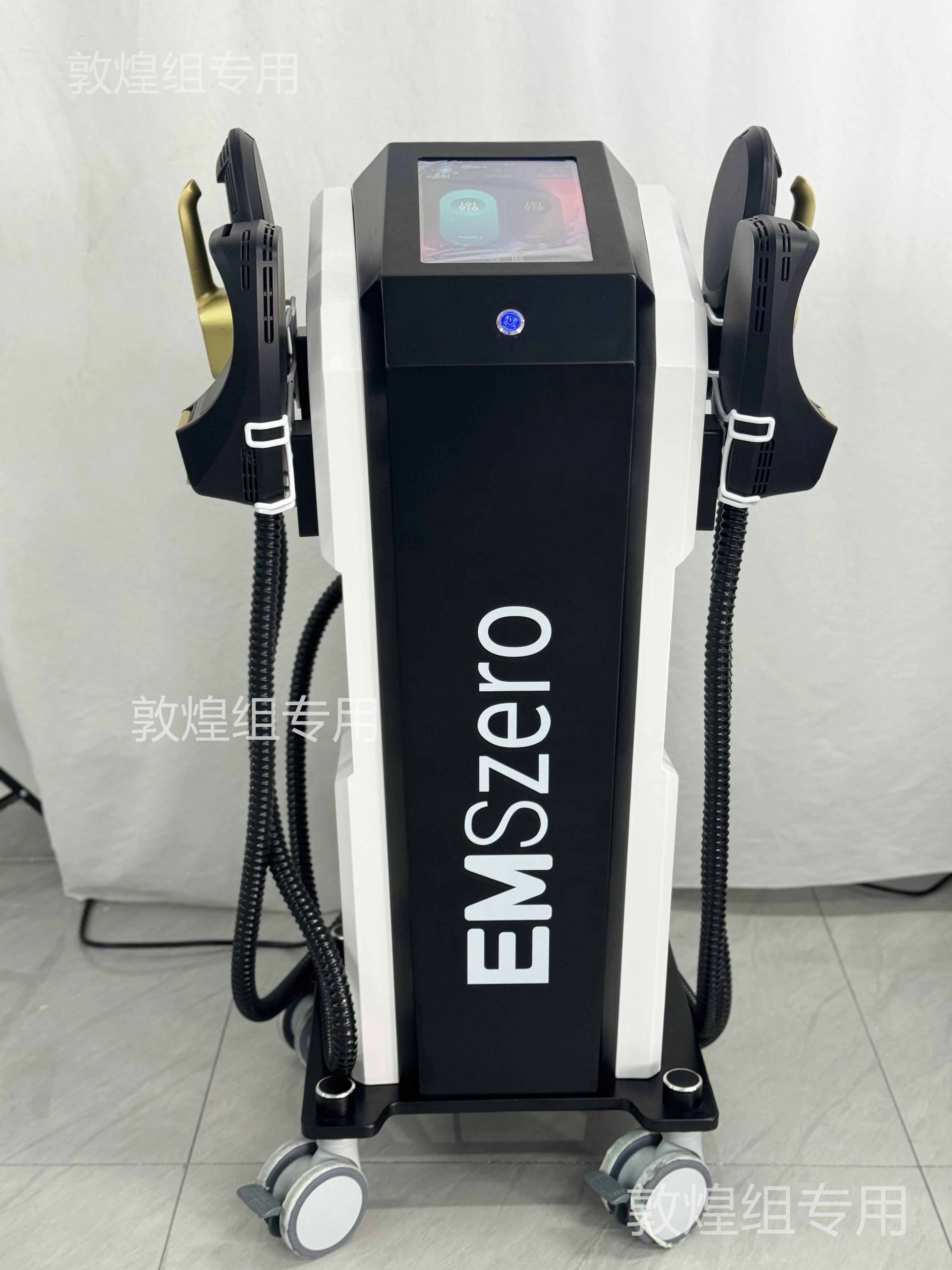
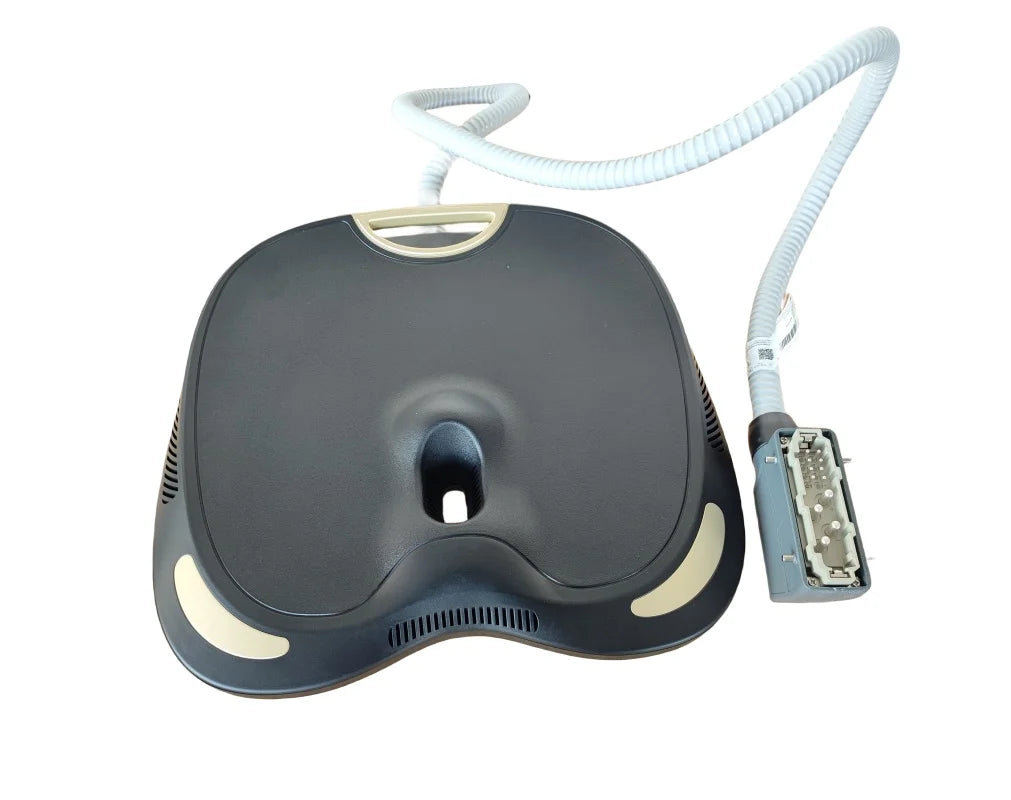
For example, the EMS Body Slimming Machine for Muscle Toning & Body Sculpting is described as an electromagnetic muscle stimulation system intended for professional and home-use environments. Its product specifications list a 5–100 Hz frequency range, four handles, a 15.6-inch display, and electromagnetic muscle stimulation technology.
Can Body Sculpting Machines Tighten Loose Skin?
Skin tightening is a separate outcome from fat reduction. A machine may affect body contours without tightening loose skin, while a technology designed around tissue heating may focus more directly on firmness and collagen remodeling.
How collagen remodeling may improve skin firmness
Heat-based approaches such as radiofrequency are commonly discussed in relation to collagen remodeling. The objective is not simply to remove fat but to influence tissue characteristics associated with skin firmness.
Radiofrequency for skin laxity
Radiofrequency can be considered when skin laxity is a central concern, but results depend on baseline laxity, age, tissue characteristics, treatment protocol, and the specific device.
When non-invasive tightening is unlikely to be enough
More substantial skin laxity may not respond sufficiently to non-invasive approaches. When excess skin is significant, surgical body-contouring procedures may be considered because they can physically remove excess tissue in ways that non-invasive technologies cannot.
Consumers comparing different beauty technologies can also explore the Skin and Beauty Care Devices collection when skin-focused technology is the primary concern.
Do Body Sculpting Machines Improve Cellulite?
Cellulite is not simply excess body fat. Its visible appearance is influenced by the relationship between fat, connective tissue, skin, and tissue structure. Consequently, reducing localized fat does not automatically eliminate cellulite.
Why cellulite is different from excess body fat
A person can have relatively little excess fat and still have visible cellulite. This is why a machine marketed primarily for fat reduction should not automatically be considered a cellulite treatment.
Which treatment mechanisms may affect cellulite appearance?
Some approaches may temporarily or gradually improve the visible appearance of cellulite through changes in tissue structure, circulation, skin firmness, or other mechanisms. The specific claim should always be matched to the technology and evidence.
How long cellulite-related improvements may last
Durability varies. Maintenance treatments may be relevant for technologies whose cosmetic effects are not permanent, while changes associated with lifestyle, body composition, and aging can also influence appearance over time.
Professional Body Sculpting Machines vs. At-Home Devices
One of the most important distinctions when asking whether body sculpting machines work is whether the machine is a professional system or a consumer device.
| Factor | Professional systems | At-home devices |
| Energy delivery | Generally designed around more controlled professional treatment parameters | Generally designed around consumer use and accessibility |
| Treatment protocol | Can be structured around defined treatment procedures | Usually designed for individual home routines |
| Supervision | May involve trained operators depending on the device and setting | Typically self-administered |
| Evidence | Should be evaluated against the specific professional device and intended use | Should be evaluated against the specific consumer product rather than assumed from professional technology |
| Expected intensity | Can be substantially different from consumer products | Typically optimized for consumer accessibility |
| Best evaluation method | Technology, protocol, credentials, intended use, and evidence | Technology, specifications, instructions, safety information, and realistic expectations |
Professional treatment machines
Professional systems should be evaluated according to the exact device, intended use, operator requirements, treatment protocol, and evidence. “Professional” alone is not proof of a particular cosmetic result.
Consumer at-home body sculpting devices
Home devices can make sense for users who prioritize convenience and personal routines. However, consumers should not assume that a device marketed using similar terminology to a professional system delivers equivalent results.
Why professional devices are generally more powerful
Professional platforms can be designed around more controlled treatment parameters and professional protocols. That difference can affect the intensity and consistency of treatment, but the actual capability still depends on the specific machine.
When an at-home device may make sense
An at-home system may be appropriate when convenience, repeated personal use, and muscle stimulation are more important than pursuing professional-level body-contouring outcomes. The correct decision depends on the user's goal.
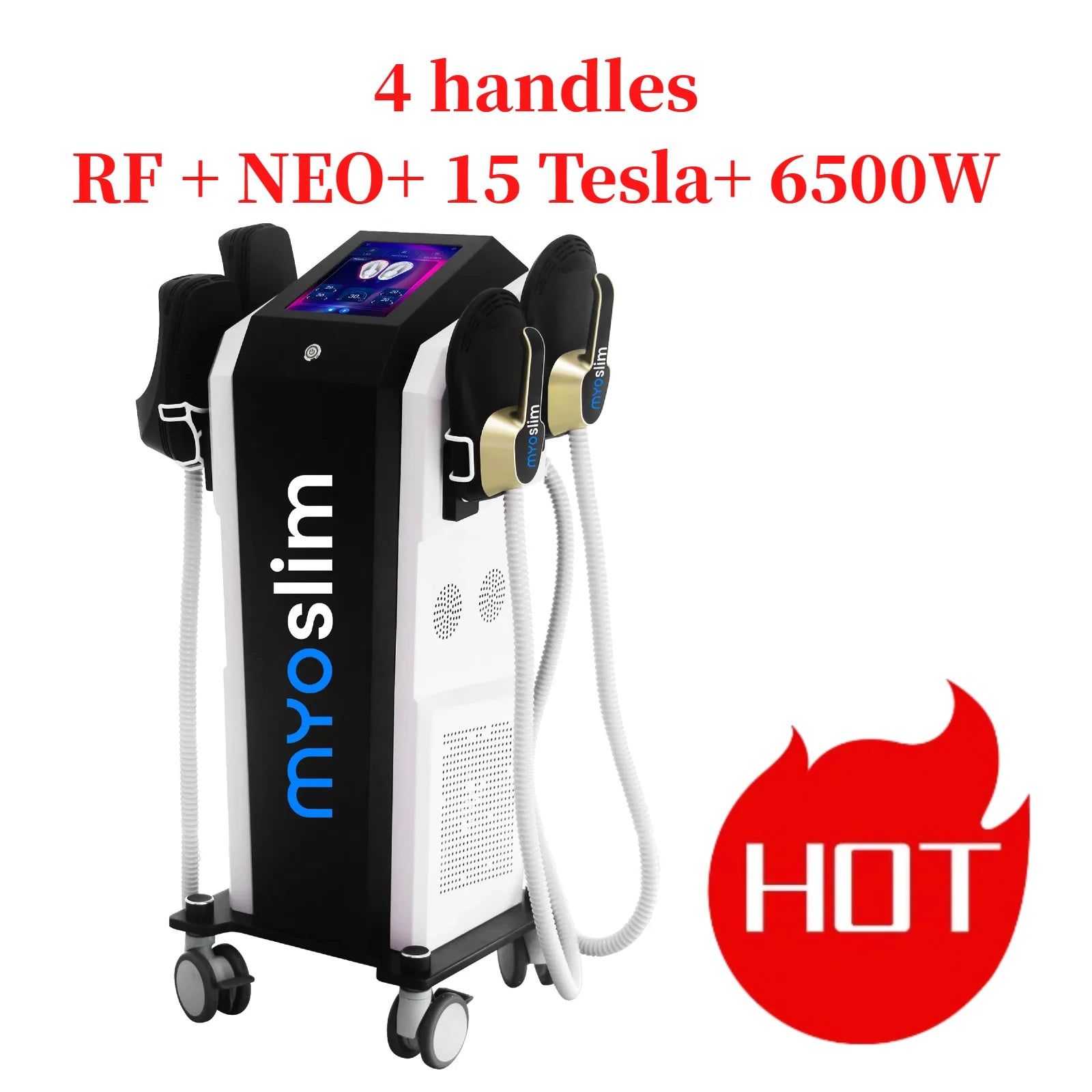
For readers specifically evaluating electromagnetic muscle stimulation, the EMS Body Slimming Machine is positioned as a system for muscle stimulation and body contouring, with four handles intended to support multi-area positioning. Its listed specifications include ABS + TPR construction, a 15.6-inch screen, AC 110–220V operation, and a one-year warranty.
How Long Does It Take to See Body Sculpting Results?
Timing depends heavily on the technology and outcome. Immediate visual changes can differ from biological changes that develop over time, and many professional treatments are structured as a series rather than a single session.
What you may notice after the first session
Some users may notice temporary or early visual changes, but an initial appearance should not automatically be interpreted as the final outcome.
Results after a treatment series
When a technology requires multiple sessions, the appropriate evaluation point is the full treatment protocol rather than the first appointment. Consistency and correct treatment parameters matter.
Why final results can take weeks or months
Some body-contouring mechanisms involve biological processes such as tissue remodeling. That means the final appearance may not be apparent immediately.
Maintenance treatments and long-term durability
Durability depends on the technology, individual factors, treatment goals, and ongoing lifestyle. Maintenance may be recommended for some cosmetic outcomes.
How Much Change Can You Realistically Expect?
There is no universal result range for all body sculpting machines. Quantified outcomes from one technology or clinical study should not be transferred automatically to another device.
Localized fat reduction: realistic expectations
Think in terms of localized contouring rather than major weight reduction. The amount of change depends on the technology, treatment area, baseline tissue, protocol, and individual response.
Muscle stimulation: realistic expectations
Muscle-focused technologies may support visible toning and stronger-looking definition. However, claims about hypertrophy or strength should be interpreted according to the evidence for the specific technology and device.
Skin tightening: realistic expectations
Non-invasive tightening is generally most relevant to mild or moderate concerns rather than substantial excess skin. Results can vary considerably among individuals.
Cellulite improvement: realistic expectations
Cellulite improvement is best described as a change in appearance rather than complete elimination. The durability of improvement depends on the treatment and individual factors.
Why results vary from person to person
Baseline body composition, skin characteristics, treatment area, treatment protocol, device parameters, consistency, age, and individual biological response can all influence the final appearance.
Who Is a Good Candidate for Non-Invasive Body Sculpting?
Non-invasive body sculpting is generally better understood as a contouring option for people seeking improvement in specific areas rather than as a primary weight-loss treatment.
The ideal candidate profile
A suitable candidate may be someone who has a relatively specific cosmetic concern, understands the limits of the technology, has realistic expectations, and wants localized contouring rather than dramatic whole-body transformation.
Why stable body weight matters
Significant ongoing weight fluctuations can change body contours independently of the treatment. Stable weight can therefore make it easier to evaluate the cosmetic effect of a localized contouring intervention.
When a calorie deficit and lifestyle changes matter more
If the primary objective is reducing overall body weight, nutrition, physical activity, sleep, and sustainable lifestyle habits remain more relevant than a body sculpting machine.
When body sculpting may not be appropriate
People with medical concerns, significant skin laxity, unrealistic expectations, or contraindications for a specific technology should seek appropriate professional guidance before treatment. Device-specific instructions and contraindications should always take priority.
Safety, Risks, and FDA Considerations
Safety cannot be separated from effectiveness. A device's regulatory status, intended use, operating instructions, contraindications, and treatment protocol all matter.
What FDA clearance means for body contouring devices
FDA clearance or authorization is device- and indication-specific. It should not be interpreted as a guarantee that every user will achieve a particular cosmetic result, nor should clearance for one application automatically be transferred to another device or outcome.
Common side effects and treatment risks
Potential side effects depend on the technology. Cooling, heating, electrical stimulation, ultrasound, and laser-based approaches can have different risk profiles. Users should review the instructions and device-specific safety information before treatment.
Why contraindications and device-specific instructions matter
Generic descriptions of a technology cannot replace the instructions supplied for a specific machine. Users should follow the manufacturer's intended use and seek qualified advice when they are uncertain whether a treatment is appropriate.
How to evaluate claims that sound too good to be true
Be cautious with promises of effortless weight loss, permanent results after one session, dramatic fat reduction without limitations, or professional-equivalent performance from an unspecified consumer device. Strong marketing language is not the same thing as clinical evidence.
Body Sculpting Machines vs. Surgical Alternatives
Non-invasive contouring and surgery serve different purposes. Non-invasive technologies can be attractive when the goal is targeted cosmetic refinement with less invasiveness, while surgery may be considered when a person needs more substantial structural changes.
When non-invasive contouring makes sense
Non-invasive approaches can make sense for people seeking targeted changes and who understand that the results are generally more modest than surgical reshaping.
When surgical body contouring may be considered
Surgical procedures may be considered when there is substantial excess tissue or a need for a larger structural change that non-invasive technology cannot reasonably provide.
Why neither option replaces healthy weight management
Neither non-invasive contouring nor surgery should be treated as a universal substitute for healthy weight management. The appropriate approach depends on the person's goals, baseline condition, and professional assessment.
How to Choose a Body Sculpting Machine in 2026
The best machine is not necessarily the one with the highest advertised power or the longest feature list. Start with the outcome you want and then verify whether the technology is actually designed for that outcome.
Start with the outcome, not the machine
Decide whether your priority is localized fat reduction, muscle stimulation, skin firmness, cellulite appearance, or another specific contouring goal. This immediately eliminates technologies that are poorly matched to your objective.
Check the technology and intended use
Look for a clear description of the energy technology, treatment areas, operating modes, intended users, and treatment protocol. Avoid choosing a machine based solely on broad terms such as “body slimming.”
Look for credible clinical evidence
Evidence should relate as closely as possible to the actual technology, device type, intended use, and outcome being claimed. Be cautious when evidence for one professional system is used to imply identical results from a different machine.
Compare treatment sessions, maintenance, and total cost
Consider the entire treatment pathway rather than the purchase price alone. Treatment frequency, maintenance, operating requirements, training, accessories, and expected lifespan can all affect the practical value of a system.
Avoid unsupported fat-loss and weight-loss promises
A credible body sculpting product should make it clear whether its primary role is muscle stimulation, localized contouring, skin firmness, or another cosmetic goal. Claims that collapse all of these outcomes into effortless weight loss deserve extra scrutiny.
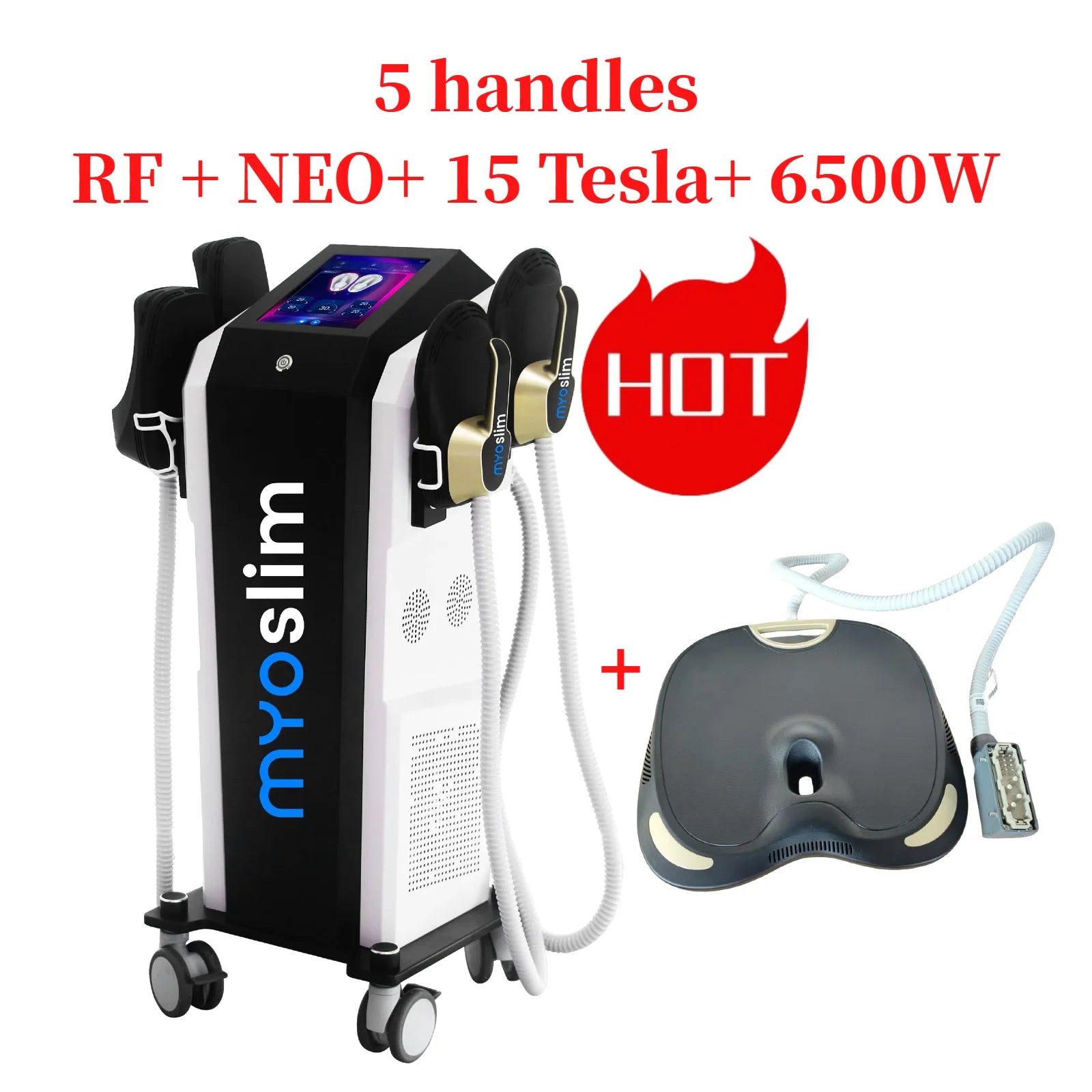
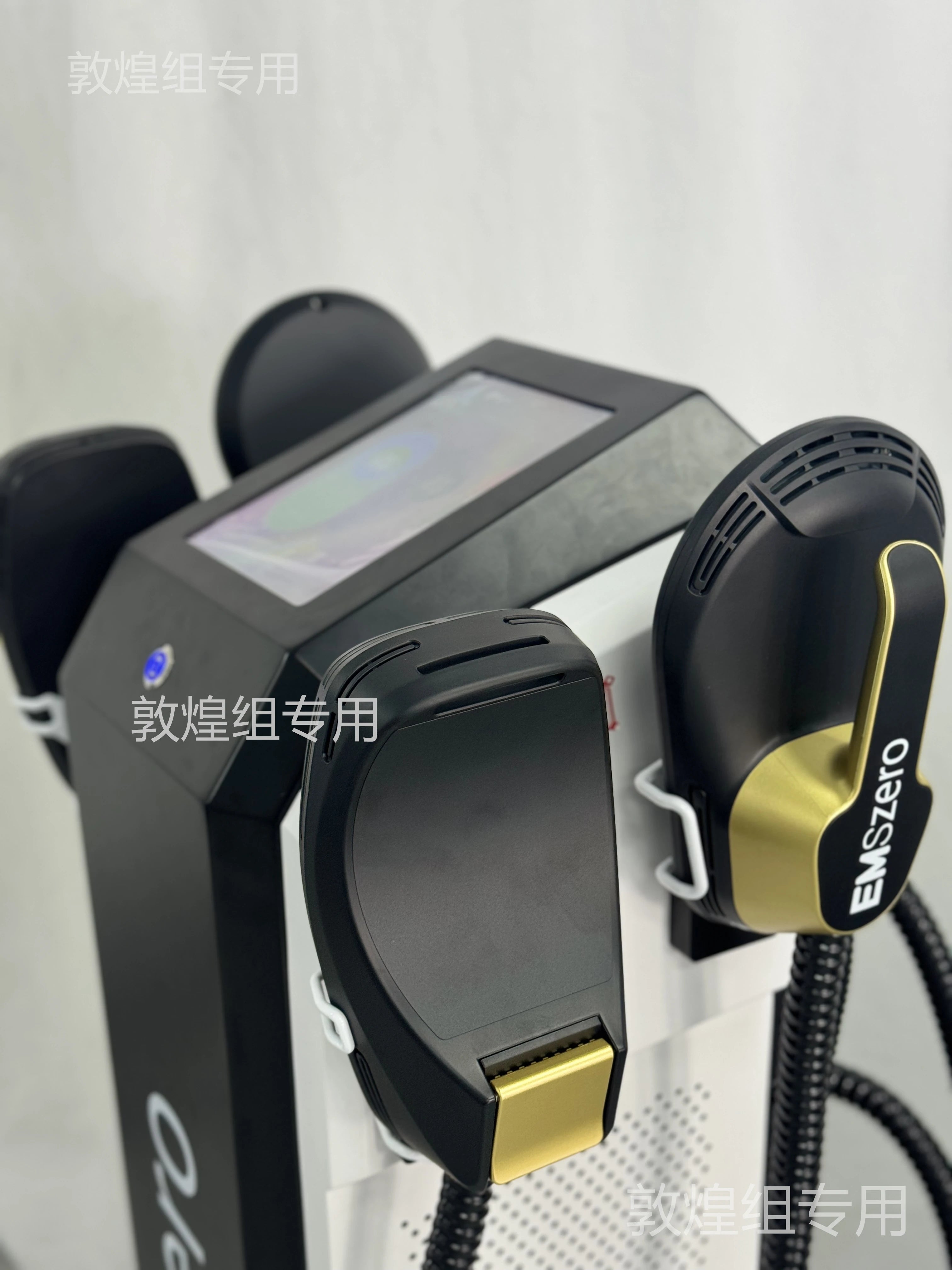
For a system specifically positioned around electromagnetic muscle stimulation, the EMS Body Slimming Machine for Muscle Toning & Body Sculpting lists electromagnetic muscle stimulation as its technology and is described as targeting the abdomen, arms, legs, and glutes. The supplied product information also describes adjustable operating modes, four handles, and intelligent air cooling.
Frequently Asked Questions
Do body sculpting machines really work?
Yes, some body sculpting technologies can produce measurable or visible changes in selected areas, but effectiveness depends on the technology, intended outcome, treatment protocol, device, and individual. They should not be treated as universally effective for every body-contouring goal.
How much fat can body sculpting machines reduce?
There is no single percentage that applies to every machine. Fat-contouring results vary by technology, device, treatment protocol, patient characteristics, and measurement method. Localized fat reduction should also be distinguished from overall weight loss.
Do body sculpting machines help build or stimulate muscle?
Electromagnetic muscle stimulation systems can stimulate muscles and produce strong contractions. However, muscle stimulation, visible toning, strength improvement, and hypertrophy are related but distinct outcomes, so claims should be evaluated against evidence for the specific technology and device.
How long do body sculpting results last?
Durability depends on the technology and the outcome. Some cosmetic effects may require maintenance, while changes in body composition, aging, lifestyle, and other factors can influence the appearance of treated areas over time.
Are professional body sculpting machines more effective than at-home devices?
Professional systems can differ from consumer devices in energy delivery, treatment protocols, supervision, and intended use. However, “professional” by itself does not guarantee a particular outcome. The specific device and evidence should always be evaluated.
Final Verdict: Do Body Sculpting Machines Work?
Body sculpting machines can work, but the meaningful question is what are you trying to change? Localized fat reduction, muscle stimulation, skin tightening, cellulite improvement, and weight loss are different outcomes that require different expectations.
Electromagnetic muscle stimulation is particularly relevant when the goal is muscle activation, toning, and body definition. Fat-focused technologies should be evaluated according to localized contouring, while radiofrequency and other heat-based technologies may be more relevant to skin firmness and tissue remodeling.
The most reliable decision rule is simple: choose the technology based on the result you want, verify the evidence supporting that result, understand whether the device is intended for professional or home use, and set expectations around the amount of change the technology can realistically provide.
If your primary goal is targeted muscle stimulation and body contouring, reviewing the specifications and intended use of an EMS Body Slimming Machine can be a practical next step before deciding whether electromagnetic stimulation fits your body-sculpting strategy.
For additional body-focused device research, the Body & Face Blog can provide broader educational context around body and beauty technology.
Pillar Article: Abdominal Muscle Stimulation: How Devices Work and What to Know













