

Do electric muscle stimulation devices really work?
Yes. Electric muscle stimulation devices can be effective for muscle activation, rehabilitation support, recovery, and temporary pain relief when used appropriately. Clinical-grade neuromuscular electrical stimulation (NMES) has strong evidence for rehabilitation, while consumer EMS devices are best viewed as tools that complement exercise rather than replace it. Results depend on your health goals, device quality, treatment settings, and consistent use.
Do Electric Muscle Stimulation Devices Really Work? (Evidence, Results & Safety Explained)
⏱ 7 min read
Electric muscle stimulation devices are marketed for muscle toning, workout recovery, rehabilitation, and pain management. But how much of the marketing is backed by science? This evidence-based guide explains how EMS works, the difference between medical and consumer devices, what research says about effectiveness, and what you can realistically expect from regular use.
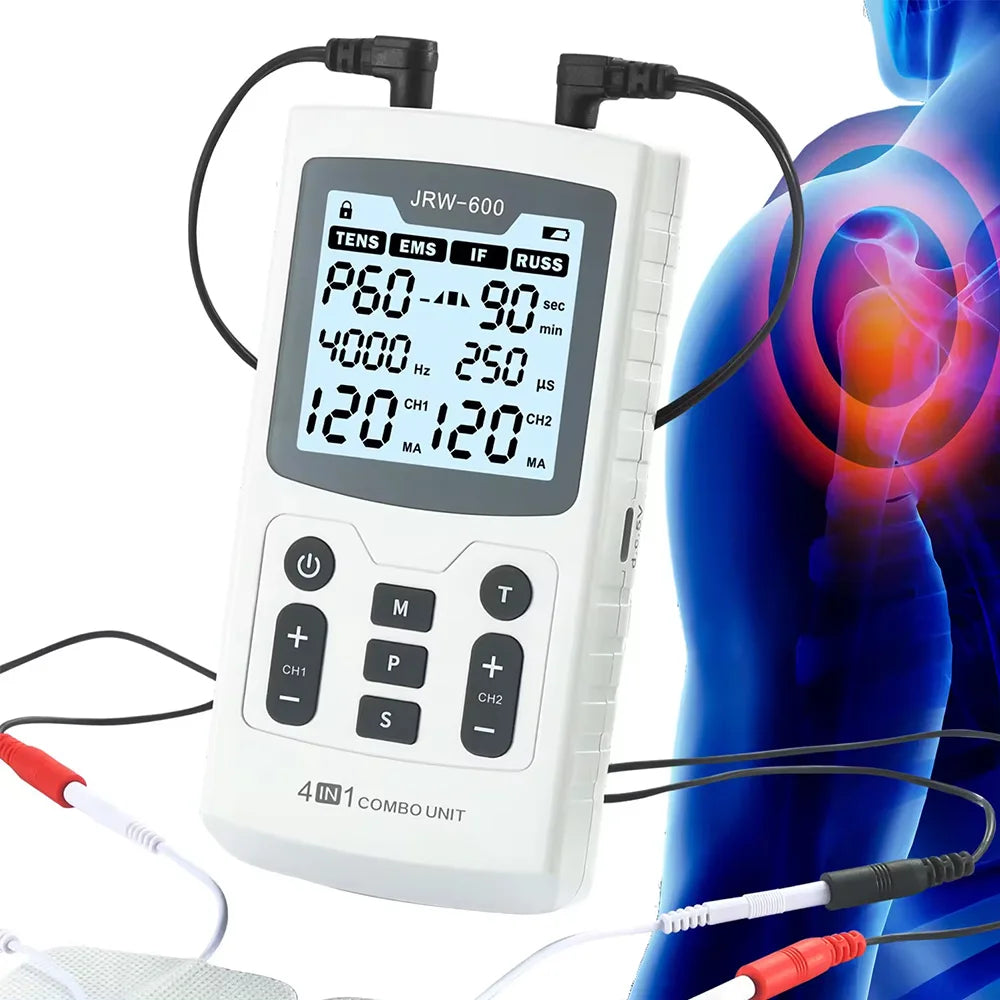
Electric muscle stimulation devices in real-life use — See it in action
How Electric Muscle Stimulation Works (Science Explained Simply)
Understanding how electric muscle stimulation works helps explain both its benefits and its limitations. EMS delivers controlled electrical impulses through adhesive electrodes placed on the skin. These impulses stimulate motor nerves, causing muscles to contract in a way that closely resembles natural voluntary contractions. Depending on the selected intensity, frequency, and pulse width, EMS can be used to maintain muscle activity, improve neuromuscular recruitment, or support post-exercise recovery.
What Is Neuromuscular Electrical Stimulation (NMES)?
Neuromuscular electrical stimulation (NMES) is a specialized form of EMS designed to activate motor nerves and produce visible muscle contractions. It is commonly used by physical therapists, sports medicine professionals, and rehabilitation clinics to help reduce muscle atrophy after injury or surgery, improve muscle re-education, and restore strength during recovery. While all NMES devices use electrical stimulation, not every consumer EMS product is intended for medical rehabilitation.
How EMS Triggers Muscle Contractions
During an EMS session, electrical pulses bypass the brain and directly stimulate peripheral motor nerves. This causes muscle fibers to contract and relax repeatedly without requiring voluntary movement. Different settings produce different outcomes: lower intensities may encourage circulation and gentle activation, while higher therapeutic settings recruit more muscle fibers for strengthening or rehabilitation. Consistent use alongside normal movement typically delivers better results than EMS alone.
EMS vs TENS: What’s the Difference?
Although the terms are often used interchangeably, EMS and TENS serve different purposes. EMS primarily targets muscles by stimulating motor nerves to create contractions for activation, recovery, and strengthening. TENS (transcutaneous electrical nerve stimulation) focuses on sensory nerves to help reduce pain perception without producing significant muscle contractions. Some modern devices combine both modes, allowing users to switch between muscle training and pain-management functions. Learn more in our Beauty & Self-Care Blog .
FDA-Cleared Medical EMS vs Consumer Muscle Toning Devices
It is important to distinguish between FDA-cleared medical EMS systems and consumer muscle toning devices. Medical-grade units are intended for specific therapeutic purposes such as rehabilitation, muscle re-education, or preventing disuse atrophy under professional guidance. Consumer EMS devices are generally designed for wellness, fitness support, recovery, and muscle activation. While both rely on the same basic electrical stimulation principles, they differ in intended use, treatment protocols, and the level of clinical evidence supporting their claims.
What Science Says About EMS Effectiveness
Research on EMS muscle stimulator effectiveness shows that results depend on the intended purpose, treatment protocol, and user consistency. Clinical studies generally support the use of electric muscle stimulation for rehabilitation, muscle activation, and certain pain management applications. However, evidence is less convincing for claims that EMS alone can build significant muscle mass or replace regular exercise.
Evidence for Rehabilitation and Recovery
Rehabilitation is one of the strongest evidence-backed applications for EMS. Healthcare professionals frequently use neuromuscular electrical stimulation to help maintain muscle function after surgery, injury, or prolonged immobilization. Regular sessions may reduce muscle atrophy, improve muscle activation, promote circulation, and assist patients as they transition back to normal movement. For individuals who cannot perform full-strength exercise, EMS can provide valuable support during recovery.
Evidence for Strength and Muscle Growth
Studies suggest that EMS can contribute to strength gains by recruiting muscle fibers that may not be fully activated during light activity. The greatest improvements are typically seen when EMS is combined with resistance training rather than used alone. Healthy adults who continue progressive strength training generally achieve greater muscle growth through exercise, while EMS serves as a useful supplement that can improve muscle recruitment and training quality.
Evidence for Pain Relief
Many users report temporary reductions in muscle soreness, stiffness, and discomfort after EMS sessions. By encouraging repeated muscle contractions and improving local blood flow, electric muscle therapy may help muscles relax following exercise or long periods of inactivity. Pain relief varies between individuals and depends on the underlying cause of discomfort, making EMS a supportive tool rather than a standalone treatment.
Evidence for Body Toning and Weight Loss
Consumer advertising often promotes EMS for body toning, but scientific evidence suggests more modest outcomes. EMS can temporarily improve muscle firmness by activating underlying muscles and may help maintain muscle activity during periods of reduced exercise. However, it does not burn enough calories to produce meaningful weight loss on its own. Sustainable fat loss still depends primarily on nutrition, regular physical activity, and an overall calorie deficit.
Realistic Expectations: What EMS Can and Cannot Do
Realistic expectations are essential for achieving satisfactory electric muscle stimulator results. EMS can support rehabilitation, improve muscle activation, aid recovery, and complement an existing fitness routine. It cannot replace cardiovascular exercise, improve balance or coordination, or deliver dramatic muscle growth without progressive resistance training. Used consistently alongside healthy lifestyle habits, EMS becomes a valuable addition—not a substitute—for exercise.
EMS vs Traditional Exercise: Which Is More Effective?
EMS and traditional exercise each provide unique benefits. Rather than competing with one another, they often work best together. Understanding the differences helps users choose the right approach for recovery, rehabilitation, or fitness goals.
Key Differences in Muscle Activation
Traditional exercise relies on voluntary movement involving muscles, joints, tendons, balance, and coordination. EMS stimulates targeted muscles directly through electrical impulses, allowing contractions even when voluntary movement is limited. While this targeted activation is valuable for rehabilitation and supplemental training, it does not reproduce the complex movement patterns developed through regular exercise.
Can EMS Replace Workouts?
For most healthy adults, the answer is no. EMS cannot replace resistance training, aerobic exercise, or sports-specific movement because it does not significantly improve cardiovascular fitness, mobility, flexibility, or functional performance. Individuals recovering from injury or surgery may temporarily rely on EMS when conventional exercise is limited, but transitioning back to active movement remains the long-term goal whenever appropriate.
When Combining EMS with Exercise Works Best
The strongest results are often achieved by combining EMS with an existing exercise program. Athletes may use EMS after workouts to support recovery or before training to enhance muscle activation. Recreational users frequently integrate EMS into their recovery routine alongside other wellness solutions available in Body Care and Health Devices to improve consistency and overall muscle care.
Comparison Table: Claims vs Evidence
| Common Claim | Current Evidence |
|---|---|
| Supports rehabilitation after injury | Strong clinical evidence supports this use. |
| Improves recovery and muscle activation | Supported when used consistently with appropriate settings. |
| Builds muscle without exercise | Limited evidence; best results occur when combined with resistance training. |
| Replaces traditional workouts | Not supported for healthy individuals. |
| Produces significant weight loss | Not supported without dietary changes and regular exercise. |

Comparing recovery tools side by side — Discover what feels right
Benefits of Electrical Muscle Stimulation
The benefits of electrical muscle stimulation depend on choosing the right device for the right purpose and using it consistently. Clinical research supports several applications of EMS, particularly in rehabilitation and muscle activation, while fitness users often benefit most when EMS complements an active lifestyle rather than replacing it.
Rehabilitation Benefits
One of the most established uses of EMS is rehabilitation. Physical therapists frequently incorporate neuromuscular electrical stimulation into recovery programs to help maintain muscle activity following injury, surgery, or prolonged immobilization. Regular treatment may reduce muscle loss, improve neuromuscular control, and help patients regain strength as they progress toward normal movement.
Strength Maintenance
EMS can help maintain muscle activation during periods of reduced physical activity, making it useful for individuals recovering from injury or those unable to perform full-intensity exercise. While it should not replace progressive resistance training for healthy adults, EMS can support strength maintenance and improve the mind-muscle connection when paired with an appropriate exercise program.
Pain Relief and Recovery
Many users incorporate EMS into their recovery routine after strength training, endurance sports, or long workdays. Repeated muscle contractions may encourage circulation, reduce post-exercise stiffness, and temporarily relieve muscle discomfort. Although individual responses vary, consistent use can help support recovery between workouts and reduce feelings of muscle fatigue.
Convenience and Accessibility
Modern portable EMS devices make muscle stimulation accessible outside clinical settings. Home users can perform short sessions before or after exercise, while travelers and office workers may use compact units to support muscle activation during periods of prolonged sitting. Their portability makes it easier to maintain a consistent recovery routine.
Are Electric Muscle Stimulators Safe?
For most healthy adults, electric muscle stimulators are considered safe when used according to the manufacturer's instructions. Proper electrode placement, appropriate intensity settings, and following recommended session durations significantly reduce the risk of unwanted side effects.
Who Should Avoid EMS
EMS is not appropriate for everyone. People with implanted electronic devices such as pacemakers or implantable cardioverter defibrillators should avoid EMS unless specifically cleared by their physician. Individuals with uncontrolled heart conditions, epilepsy, certain neurological disorders, active blood clots, or unexplained pain should also seek medical advice before use. Electrodes should never be placed across the chest, over the front of the neck, on broken skin, or directly over the eyes.
Common Side Effects
Most side effects are mild and temporary. Users may notice tingling sensations, slight skin redness beneath the electrodes, temporary muscle soreness similar to post-workout fatigue, or mild irritation caused by adhesive pads. These symptoms generally resolve shortly after treatment, especially when intensity settings are increased gradually.
Safety Checklist
- Read and follow the manufacturer's instructions before every session.
- Begin with the lowest comfortable intensity and increase gradually.
- Place electrodes only on recommended muscle groups.
- Keep the skin clean and dry before applying electrode pads.
- Allow muscles adequate recovery between high-intensity sessions.
- Replace worn electrode pads to maintain consistent electrical contact.
- Stop using the device if you experience unusual pain, dizziness, or persistent skin irritation.
FDA and Medical Guidance
Many medical EMS devices are cleared for specific therapeutic purposes, while consumer products are marketed for muscle stimulation, recovery, or fitness support. Regardless of device type, users should choose products from reputable manufacturers, follow labeled indications, and consult a healthcare professional before beginning EMS if they have an underlying medical condition, are pregnant, or are recovering from a serious injury or surgery.
Who Benefits Most from EMS Devices?
Electric muscle stimulation devices provide the greatest value when matched to the user's goals. While they are not essential for everyone, certain groups can benefit significantly from regular, appropriate use.
Athletes and Fitness Users
Athletes often use EMS before training to improve muscle activation or after exercise to support recovery and reduce post-workout soreness. Recreational gym-goers may also benefit by incorporating EMS into recovery days, helping maintain training consistency without replacing strength or cardiovascular workouts.
People in Physical Therapy
Individuals recovering from orthopedic injuries, surgery, or temporary immobilization are among the best candidates for EMS. Under the guidance of a healthcare professional, neuromuscular electrical stimulation can help maintain muscle function, reduce disuse atrophy, and assist with restoring movement during rehabilitation.
Sedentary or Desk Workers
People who spend long hours sitting may experience muscle stiffness, reduced circulation, and decreased muscle activation. Short EMS sessions can help stimulate inactive muscles and relieve feelings of tightness, particularly in the legs, lower back, or shoulders. However, regular movement, stretching, and exercise remain the most effective long-term solutions.
Who benefits the least? Healthy, active individuals expecting EMS alone to replace structured exercise or rapidly transform body composition are unlikely to achieve those results. EMS works best as a complementary recovery and muscle activation tool rather than a substitute for an active lifestyle.
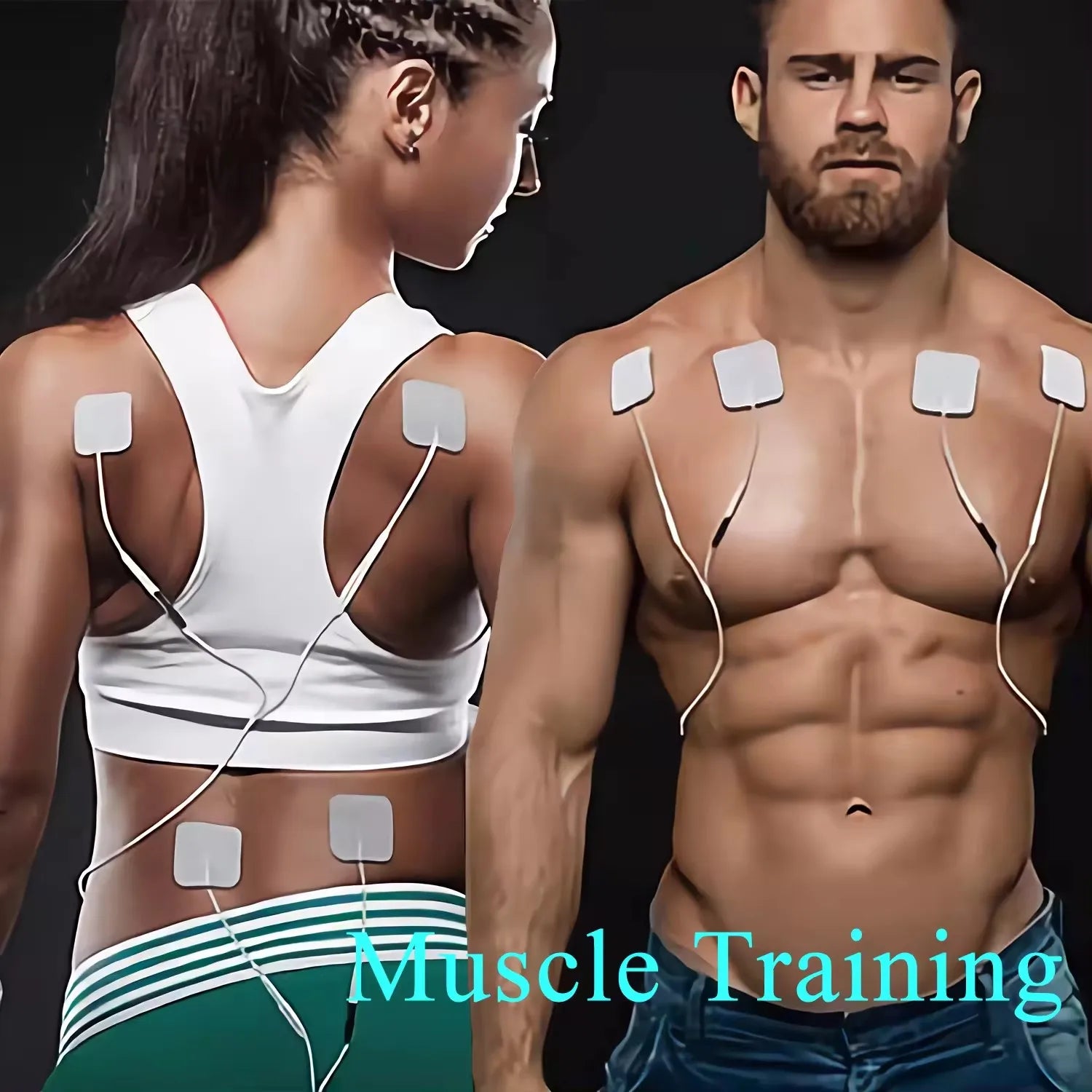
At-home comfort meets modern wellness — Experience it yourself
How to Use an Electric Muscle Stimulator Correctly
Proper technique has a significant impact on electric muscle stimulator results. Following a consistent routine, using appropriate intensity settings, and integrating EMS into an overall fitness or rehabilitation plan helps maximize benefits while minimizing unnecessary discomfort.
Frequency and Duration
Most users benefit from sessions lasting approximately 15 to 30 minutes, performed several times per week. Recovery-focused sessions may be used more frequently at lower intensities, while higher-intensity muscle activation sessions should allow sufficient recovery between treatments. Consistency over several weeks generally produces better outcomes than occasional high-intensity use.
Placement and Intensity Tips
Position electrode pads directly over the target muscle according to the manufacturer's placement guide. Begin with a low intensity and gradually increase until you feel strong, comfortable muscle contractions without sharp pain. Good skin contact, proper pad placement, and clean electrodes all contribute to more effective stimulation.
Mistakes That Reduce Results
- Using intensity levels that are too low to produce effective muscle contractions.
- Skipping sessions or using the device inconsistently.
- Placing electrodes incorrectly.
- Expecting EMS to replace exercise or physical therapy.
- Using worn electrode pads that no longer provide even stimulation.
How to Combine EMS with Exercise
EMS is most effective when integrated into a balanced training program. Many users perform light activation sessions before resistance training to improve muscle recruitment or use recovery programs after workouts to reduce muscle fatigue. During rehabilitation, EMS should complement exercises recommended by a healthcare professional rather than replace them. Combining movement, progressive strength training, proper nutrition, and adequate recovery remains the most effective strategy for long-term fitness and muscle health.
Common Myths About EMS Devices
Marketing claims about EMS can sometimes create unrealistic expectations. Understanding what electric muscle stimulation can and cannot do helps you choose the right device and use it more effectively.
“EMS Builds Muscle Without Effort”
Myth: Wearing an EMS device alone will build large muscles without exercise.
Fact: EMS creates muscle contractions and can improve muscle activation, particularly during rehabilitation or when combined with resistance training. However, meaningful muscle growth still depends on progressive overload, proper nutrition, and adequate recovery.
“EMS Burns Fat”
Myth: Electrical muscle stimulation melts body fat or produces significant weight loss by itself.
Fact: While EMS causes muscles to contract, it does not burn enough calories to replace exercise or create a substantial calorie deficit. Weight loss is primarily achieved through balanced nutrition, regular physical activity, and sustainable lifestyle habits.
“EMS Is Only for Medical Use”
Myth: EMS devices are useful only in hospitals or physical therapy clinics.
Fact: Medical-grade EMS is widely used for rehabilitation, but consumer devices are also designed for muscle activation, workout recovery, and general wellness. Choosing the appropriate device for your intended use is more important than the setting in which it is used.
“More Intensity Means Better Results”
Myth: Increasing the intensity to the highest setting always produces faster results.
Fact: Effective EMS training relies on proper electrode placement, comfortable but effective muscle contractions, and consistent use. Excessive intensity may increase discomfort without improving outcomes and can discourage regular use.
Quick FAQs About Electric Muscle Stimulation
Does electric muscle therapy work for pain relief?
Yes. Many users experience temporary relief from muscle soreness and tension because EMS encourages muscle contractions and supports local circulation. It is most effective as part of a broader recovery plan rather than as a standalone treatment.
Can electric muscle stimulation replace workouts?
No. EMS cannot replace traditional exercise for healthy adults because it does not provide the cardiovascular, mobility, coordination, and functional strength benefits of regular physical activity. It works best as a complementary tool.
How often should you use electric muscle stimulation devices?
Most people benefit from 15- to 30-minute sessions several times per week, although frequency varies depending on whether the goal is rehabilitation, recovery, or muscle activation. Always follow your device's instructions and any guidance from a healthcare professional.
Are muscle stimulators safe for daily use?
Daily use may be appropriate for some low-intensity recovery programs, but the same muscle group should not be overstimulated. Following recommended treatment schedules and allowing adequate recovery helps reduce the risk of unnecessary soreness or irritation.
How long does it take to see EMS results?
Some people notice reduced muscle stiffness or post-workout soreness after only a few sessions. Improvements in muscle activation or strength generally require several weeks of consistent use, especially when EMS is combined with regular exercise.
Related Guide: Best Electric Muscle Stimulator Device Compared for Home Use













