

Does cold drain batteries faster in winter?
Yes—cold weather can make batteries appear to drain faster by reducing their ability to deliver stored energy. Low temperatures slow internal chemical reactions, increase resistance, reduce available capacity, and can trigger sudden shutdowns even when charge remains inside the battery.
Does Cold Drain Batteries? The Science Behind Winter Battery Loss
⏱ 7 min read · Cold mornings, flashing battery warnings, and devices that quit when you need them most—does cold drain batteries more than we expect, or are winter power problems exaggerated? If you’ve ever watched a full battery collapse in freezing air, you’re not alone. This guide explains why batteries behave differently in cold weather, which battery types handle low temperatures best, and how to prevent winter battery problems.
Have you noticed your phone dropping from 40% to zero the moment you step outside? That frustration is not random. Cold weather does not usually remove the energy stored inside a battery—it changes how efficiently that energy can be released.
Cold exposure shows how batteries drain faster in winter ❄️ See it in action
Why Do Batteries Lose Charge in Cold Weather?
Why do batteries lose charge in cold? The main reason is that cold temperatures slow the electrochemical processes that allow batteries to produce electricity. The battery may still contain stored energy, but it cannot release that energy as effectively.
This is why people often ask, “Does cold drain batteries?” or “Does cold weather drain batteries?” The answer depends on what you mean by “drain.” Cold usually causes a temporary loss of available capacity rather than instantly removing the battery’s actual charge.
- Lower temperatures slow chemical reactions inside the battery
- Reduced ion movement limits energy delivery
- Higher internal resistance makes current flow harder
- Voltage drops can force devices to shut down
Key takeaway: Cold does not always destroy battery charge—it reduces how much power the battery can provide at that moment.
How Battery Chemistry Changes in Cold Temperatures
Understanding why cold affects batteries requires looking at the chemistry inside them. Every battery depends on chemical reactions that move ions and electrons. When temperatures fall, those reactions slow down and battery performance decreases.
Chemical reactions slow down
Battery energy comes from chemical reactions between materials inside the cell. In cold conditions, these reactions happen more slowly, reducing the amount of energy available during high-demand situations.
Internal resistance increases
Cold temperatures increase internal resistance, making it harder for electricity to flow through the battery. This effect is especially noticeable when devices require a large amount of power quickly, such as smartphones, electric vehicles, and heated gear.
Voltage drops under load
A cold battery may show a normal charge percentage but experience a sudden voltage drop when used. Many devices interpret this lower voltage as insufficient power and shut down to protect the system.
Charging becomes less efficient
Charging a battery in very cold conditions can be slower and, for some lithium-ion batteries, unsafe. Extremely cold cells may need to warm up before accepting a charge properly.
How Cold Affects Different Battery Types
Not all batteries react the same way to cold weather. Battery chemistry determines how much performance is lost and how quickly the battery recovers after warming.
Lithium-ion batteries
Lithium-ion batteries are commonly used in phones, laptops, power banks, electric vehicles, and heated clothing. They provide excellent energy density but are sensitive to freezing temperatures.
In cold environments, lithium-ion batteries may experience:
- Reduced available capacity
- Faster percentage drops
- Slower charging speeds
- Automatic safety shutdowns
Lead-acid batteries
Lead-acid batteries are commonly found in vehicles. Cold temperatures reduce their starting power while engines require more energy to start, making winter failures more likely.
NiMH batteries
Nickel-metal hydride (NiMH) batteries are less common today but still appear in some rechargeable devices. They generally tolerate cold better than alkaline batteries but still lose capacity as temperatures drop.
Alkaline batteries
Alkaline AA and AAA batteries often perform poorly in freezing conditions. They may appear completely dead outdoors but regain some function after returning to room temperature.
Cold Weather Battery Performance Comparison
Cold weather battery drain varies depending on temperature, battery chemistry, and how much power a device requires.
| Temperature Condition | Battery Behavior | Device Impact |
|---|---|---|
| Cool temperatures | Slightly reduced chemical activity | Minor runtime reduction |
| Near freezing | Higher resistance and reduced capacity | Faster percentage drops |
| Freezing temperatures | Significant performance reduction | Unexpected shutdowns possible |
| Extreme cold | Limited energy delivery and charging restrictions | Devices may stop operating until warmed |
Cold does not always mean a battery is damaged. In many cases, the battery simply cannot deliver its full capacity until the temperature rises again.
Real-World Examples of Cold Weather Battery Drain
Phones and tablets
Smartphones often show the most noticeable effects of cold weather. A phone battery may drop rapidly outdoors because the battery voltage falls below the level required for normal operation.
Electric vehicles
Electric vehicles rely heavily on lithium-ion battery packs. Cold weather can reduce driving range because the battery releases energy less efficiently and heating systems require additional power.
Car batteries
Cold temperatures make engines harder to start while reducing battery output. This combination explains why weak car batteries often fail during winter mornings.
Power banks and heated gear
Portable power solutions and heated equipment can experience shorter runtimes when exposed to cold. Keeping batteries insulated helps maintain more stable performance.
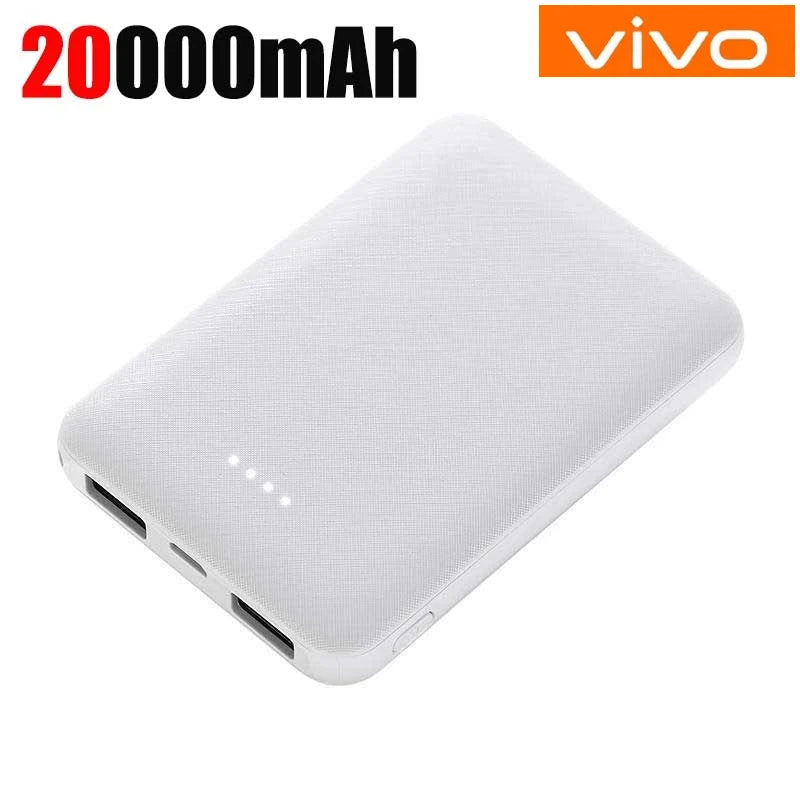
Many users rely on stable external packs like the 20000mAh power bank to maintain consistent output during winter.
Pairing power solutions with devices from Body Care and Health Devices helps maintain comfort and reliability.
Temporary Capacity Loss vs Permanent Battery Damage
One of the biggest misunderstandings about batteries in cold weather is assuming every performance drop means permanent damage. In most cases, cold-related battery loss is temporary.
When capacity returns
When a cold battery warms up, chemical activity increases, internal resistance decreases, and available capacity returns. This is why a phone or battery pack may suddenly work normally again indoors.
When damage occurs
Long-term damage is more likely from extreme temperatures, physical stress, or improper charging practices. Repeated exposure to harsh conditions can accelerate battery aging.
Charging frozen batteries
Charging a very cold lithium-ion battery can create safety risks. Allow the battery to return closer to room temperature before charging.
Cold Battery Myths vs Reality
-
Myth:
Cold instantly destroys batteries
Reality: Most cold effects are temporary and improve after warming. -
Myth:
A battery with a low percentage in winter is empty
Reality: Voltage drops can make stored energy temporarily unavailable. -
Myth:
Charging a frozen battery fixes performance
Reality: Cold batteries should warm before charging. -
Myth:
Bigger batteries completely solve winter problems
Reality: Battery chemistry and temperature protection matter too.
How to Prevent Battery Drain in Cold Weather
Although you cannot control outdoor temperatures, you can reduce how much cold affects battery performance.
Keep batteries warm
Store devices inside insulated bags or close to your body when possible. Small temperature increases can improve battery output.
Reduce power demand
Lower screen brightness, disable unused features, and reduce background activity to extend runtime during cold conditions.
Charge at safe temperatures
Avoid charging batteries immediately after extreme cold exposure. Let the battery warm naturally before connecting a charger.
Store batteries correctly
Keep spare batteries and electronics in dry locations away from freezing temperatures. Proper storage helps preserve long-term performance.
Battery Too Cold Warning: What It Means
A “battery too cold” warning is a built-in safety feature designed to protect the battery and device.
This warning means the battery temperature has fallen outside the recommended operating range. The device may reduce performance, pause charging, or temporarily shut down.
- Move the device to a warmer location
- Allow the battery temperature to stabilize
- Avoid charging until the battery warms
- Replace the battery if warnings continue in normal temperatures
Frequently Asked Questions
Why do batteries lose charge in cold weather?
Cold temperatures slow chemical reactions inside batteries, increasing resistance and reducing the amount of power the battery can deliver.
Does cold weather permanently damage batteries?
No. Most cold-related battery loss is temporary. Permanent damage usually requires extreme conditions or unsafe charging while frozen.
Why do batteries recover after warming up?
Warming restores chemical activity, lowers internal resistance, and allows the battery to provide more usable power.
Does cold weather drain car batteries faster?
Yes. Cold reduces battery output while making engines require more energy to start, increasing failure risk.
Can you charge a lithium-ion battery when it is cold?
It is best to allow a very cold lithium-ion battery to warm before charging to avoid potential damage.
Which battery type performs best in freezing temperatures?
Lithium-based batteries designed for cold environments generally perform better than standard alkaline batteries, although all batteries lose efficiency in extreme cold.
Why does my phone battery drop so quickly in winter?
Cold causes voltage drops and reduced battery efficiency, which can make the phone display a sudden decrease in battery percentage.
How can I prevent battery drain during cold weather?
Keep batteries warm, reduce unnecessary power usage, avoid charging frozen batteries, and store devices properly.
Related Guide: Best Power Bank Heated Vest Comparison for Winter Warmth













