

Does Kerosene Burn Clean? Understanding Safety, Emissions, and Modern Alternatives
Many homeowners ask, does kerosene burn clean? The short answer is yes—but only when a heater is properly maintained, supplied with clean fuel, and operated with adequate ventilation. This guide explains how burning kerosene works, what pollutants it can produce, how efficient kerosene heaters really are, and how they compare with other heating options so you can make an informed decision for your home.
⏱ 7 min read
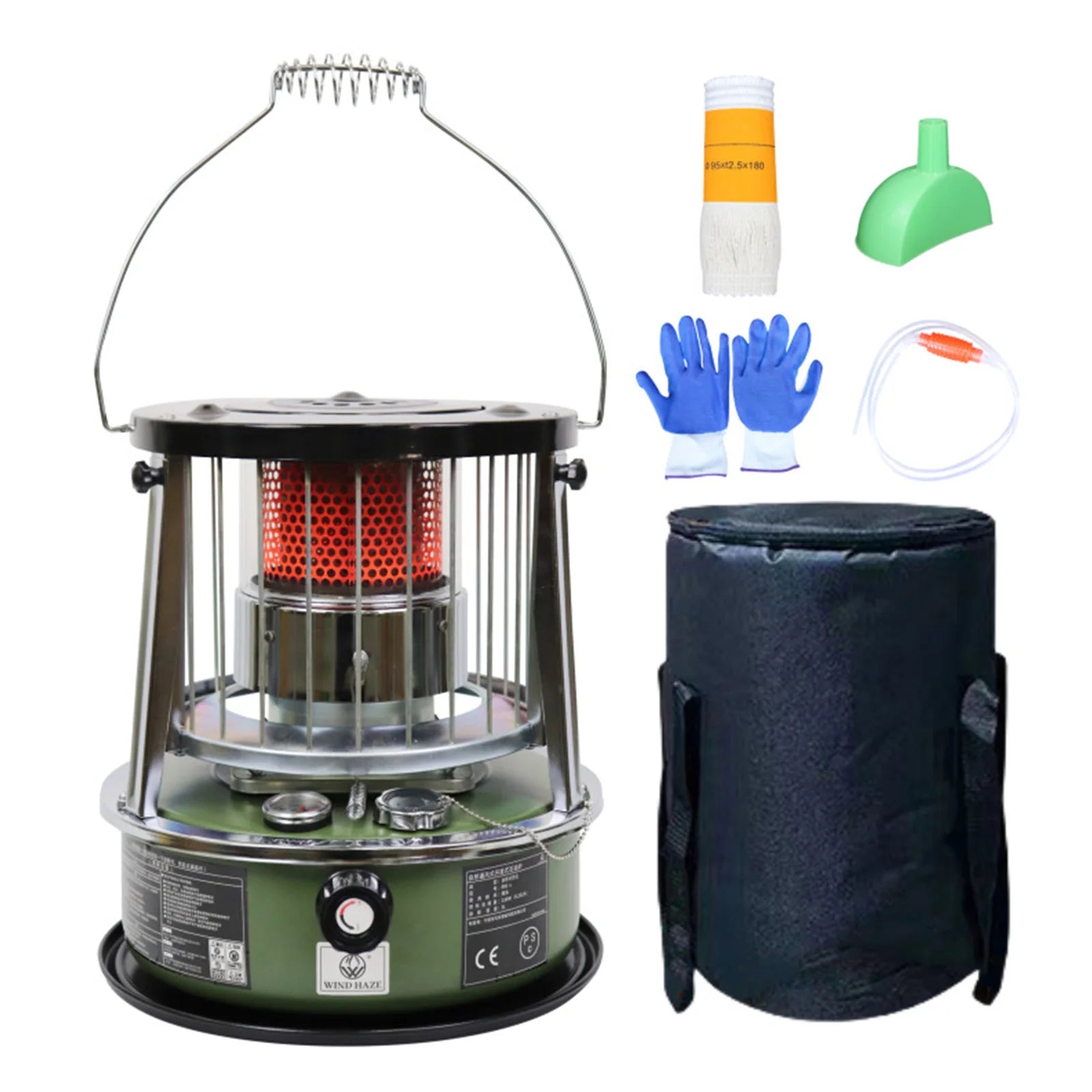
Does kerosene burn clean in daily use? See it in action.
What “Clean Burning” Really Means for Kerosene
When people ask whether kerosene burns clean , they often think only about visible smoke. In reality, clean burning refers to how completely fuel is converted into heat while minimizing harmful byproducts. A clean burning kerosene heater produces less soot, fewer odors, lower carbon monoxide (CO), fewer nitrogen oxides (NOx), and minimal fuel residue.
Combustion quality depends on several factors, including fuel purity, wick condition, oxygen supply, and heater maintenance. Even high-quality kerosene can burn poorly if the wick is dirty or airflow is restricted. Conversely, a properly maintained heater using fresh, clear kerosene can operate much more efficiently with significantly lower emissions.
Combustion Science: How Kerosene Burns
Burning kerosene begins when fuel travels through the wick and is vaporized by heat. The vapor mixes with oxygen before igniting, producing heat for the surrounding room.
During complete combustion , fuel molecules react fully with oxygen, generating primarily carbon dioxide, water vapor, and usable heat. This is the most efficient operating condition and helps maximize kerosene heater efficiency.
Incomplete combustion occurs when there is insufficient oxygen, contaminated fuel, or a worn wick. Under these conditions, the heater may produce soot, smoke, unpleasant odors, and higher levels of carbon monoxide. This is also why neglected heaters often appear dirtier and consume fuel less efficiently.
Burn rate is influenced by wick height, heater output setting, airflow, and fuel quality, so the answer to how fast does kerosene burn varies from one appliance to another.
Kerosene Emissions Explained: Carbon Monoxide, Soot, and Indoor Air Quality
No combustion fuel is completely emission-free. Even when kerosene burns efficiently, small amounts of combustion gases are produced. Understanding these emissions helps homeowners use heaters more safely.
- Carbon monoxide (CO): Kerosene does produce carbon monoxide during combustion. Under normal operating conditions, emissions remain low, but poor ventilation or incomplete combustion can allow dangerous concentrations to accumulate indoors.
- Soot and particulate matter: Black deposits usually indicate incomplete combustion caused by dirty wicks, contaminated fuel, or insufficient oxygen.
- Nitrogen oxides (NOx): These gases form naturally in high-temperature flames and may contribute to respiratory irritation in poorly ventilated spaces.
- Odors: Persistent fuel smells often signal improper combustion, old fuel, or maintenance issues rather than normal heater operation.
Proper ventilation, regular wick maintenance, and fresh 1-K grade kerosene help reduce emissions, but they do not eliminate them entirely. Clean-burning performance should not be confused with zero emissions.
Does Kerosene Burn Clean in Real Homes?
In everyday households, the answer depends more on operating conditions than on the fuel itself. A well-maintained heater using fresh fuel generally burns much cleaner than an older unit with a damaged wick or restricted airflow.
Several factors improve cleanliness:
- Using fresh, uncontaminated kerosene
- Replacing worn or carbon-coated wicks
- Providing continuous ventilation
- Operating the heater within its recommended room size
- Following routine manufacturer maintenance
A common misconception is that kerosene either burns perfectly clean or is always dangerous indoors. The reality falls between these extremes. Properly operated heaters can provide effective supplemental heat, while neglected equipment can quickly generate soot, odors, and elevated carbon monoxide levels.
Quick check: If you notice persistent odors, visible smoke, eye irritation, or black residue, your heater likely requires maintenance or additional ventilation before continued use.
How Fast Does Kerosene Burn? Fuel Consumption and Heater Efficiency Explained
How long a kerosene heater burns depends on its heat output, tank size, wick adjustment, and fuel quality.
Many portable heaters with a one-gallon fuel tank operate for approximately 8 to 12 hours under moderate settings, although larger models or higher heat settings consume fuel more quickly.
Several factors affect fuel consumption:
- Heater BTU rating
- Wick condition and adjustment
- Desired room temperature
- Outdoor temperatures and heat loss
- Fuel quality and combustion efficiency
Are kerosene heaters efficient? They convert a high percentage of fuel energy into usable heat, making them effective during power outages or in detached spaces. However, their overall efficiency should also account for ventilation requirements, fuel storage, and ongoing maintenance.
- High heat output for large areas
- Operates without grid electricity
- Portable and easy to relocate
- Relatively low purchase cost compared with many permanent heating systems
Is Kerosene Safe to Burn Indoors? Risks and Safety Guidelines
Many indoor-rated kerosene heaters can be used safely when operated according to manufacturer instructions. However, because burning kerosene produces combustion gases, proper safety practices remain essential.
To reduce risk:
- Provide adequate ventilation throughout operation.
- Use only fresh, high-quality kerosene intended for indoor heaters.
- Keep the wick clean and replace it when recommended.
- Install carbon monoxide detectors near occupied rooms.
- Keep combustible materials well away from the heater.
- Never refill the fuel tank while the heater is operating or still hot.
Ignoring these guidelines increases the likelihood of carbon monoxide exposure, poor combustion, fire hazards, and reduced heating performance.
Kerosene vs Other Heating Fuels: Which Burns Cleaner?
No single heating fuel is ideal for every situation. Each has strengths and tradeoffs involving emissions, efficiency, odor, operating costs, and indoor safety.
| Fuel | Cleanliness | Typical Emissions | Efficiency | Indoor Considerations |
|---|---|---|---|---|
| Kerosene | Moderate to high with proper maintenance | CO, NOx, small amounts of soot if combustion is incomplete | High heat output | Requires ventilation and CO monitoring |
| Diesel | Lower than kerosene | Higher soot, odor, particulates | High | Generally unsuitable for indoor living spaces |
| Propane | High with properly vented systems | Lower particulates but still produces CO | High | Ventilation remains important |
| Electric | No combustion emissions indoors | None at point of use | Nearly all electricity becomes room heat | No combustion gases indoors |
| Natural Gas | Generally clean with vented appliances | Lower particulates, produces CO if improperly vented | High | Permanent installation typically required |
Kerosene vs diesel emissions and efficiency
If you're wondering which burns cleaner, kerosene or diesel, kerosene generally produces less soot and fewer particulates because it contains lower sulfur levels and vaporizes more readily. Diesel heaters also tend to generate stronger odors.
Kerosene vs propane indoor air considerations
Both fuels require combustion and therefore can produce carbon monoxide. Properly vented propane systems often have lower particulate emissions, while portable kerosene heaters remain popular where electricity is unavailable.
Kerosene vs natural gas and electric heating
Electric heaters produce no combustion emissions inside the home because nothing is burned indoors. Natural gas systems can also provide clean heating when professionally installed and properly vented, although they depend on permanent infrastructure.
How Modern Kerosene Heaters Improve Clean Burning Performance
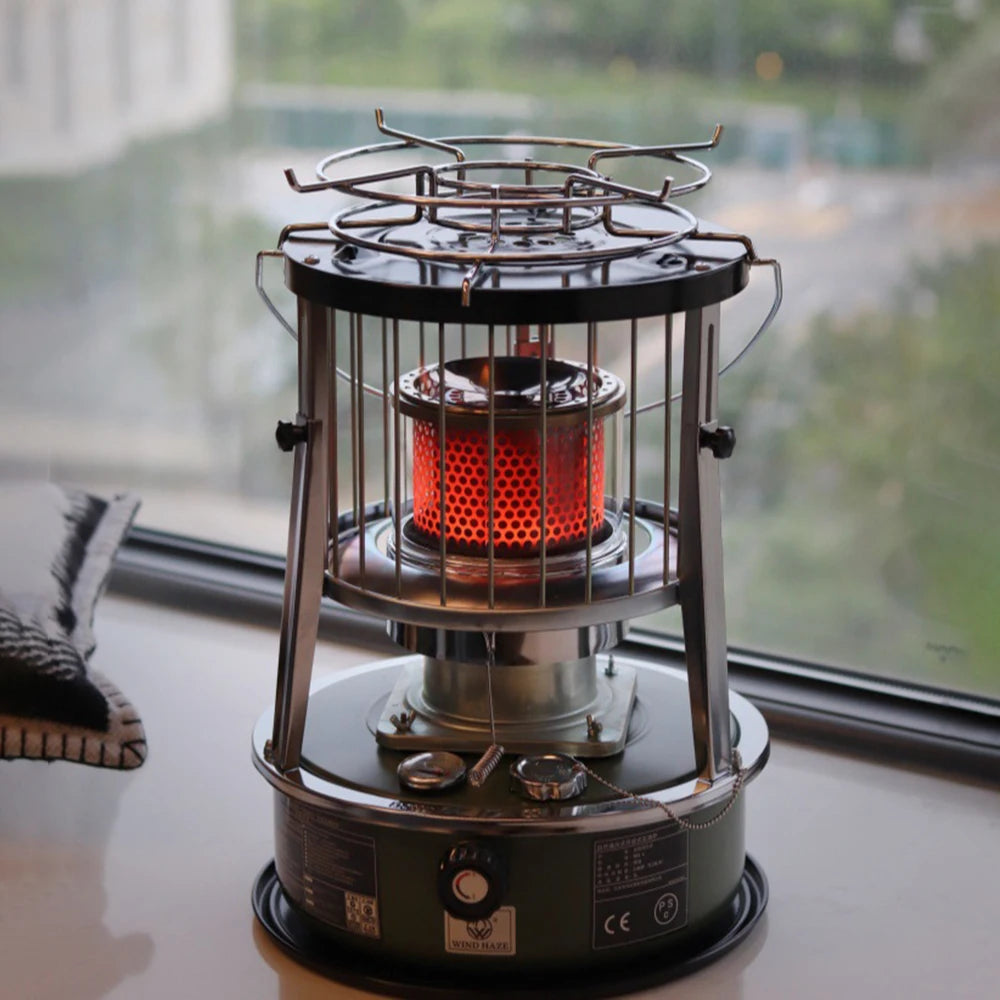
Comparing oil burning space heater options. See it in action.
Cleaner combustion technology
Many newer kerosene heaters feature improved burner designs, better airflow management, and more consistent wick systems that encourage more complete combustion. These improvements help reduce soot, visible smoke, and fuel odors compared with older models.
Automatic safety features
Modern units often include automatic shutoff mechanisms, tip-over protection, low-oxygen sensors, and improved ignition systems. These technologies help reduce operating risks but do not replace proper ventilation or carbon monoxide monitoring.
Better fuel efficiency and odor control
Improved combustion systems use fuel more consistently, allowing heaters to maintain stable heat output while reducing wasted fuel and minimizing odor during normal operation.
For homeowners exploring broader comfort upgrades beyond portable heating, the Lifestyle collection includes products designed to improve everyday home comfort.
Essential Kerosene Heater Safety Tips
- Use only clear, high-grade kerosene recommended by the manufacturer.
- Ventilate occupied rooms regularly while the heater operates.
- Install working carbon monoxide detectors and test them routinely.
- Inspect, clean, and replace the wick as recommended.
- Store fuel in approved containers away from living spaces.
- Never refuel a heater while it is hot or operating.
- Keep heaters away from curtains, furniture, bedding, and busy walkways.
Following these kerosene heater safety tips significantly reduces risk, although no combustion appliance is completely free from potential hazards.
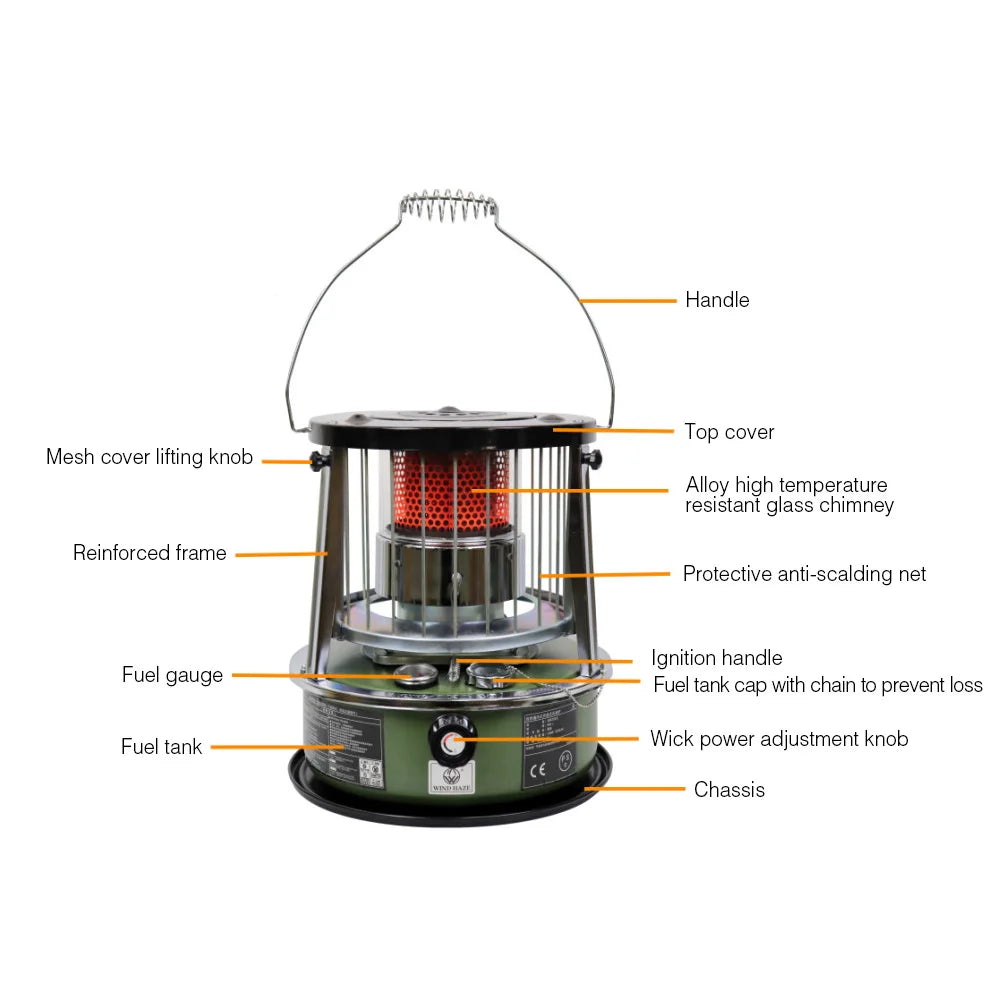
Cleaner winter heating solutions. See it in action.
Frequently Asked Questions
Does kerosene burn clean?
Yes. Kerosene burns relatively clean when high-quality fuel, a properly maintained wick, and adequate ventilation are used. However, it still produces combustion gases and should not be considered emission-free.
Is kerosene safe to burn indoors?
Indoor-rated kerosene heaters can be used safely when operated according to manufacturer instructions with proper ventilation and functioning carbon monoxide detectors.
Does kerosene produce carbon monoxide?
Yes. All kerosene combustion produces some carbon monoxide. Proper combustion and ventilation help keep concentrations low, while poor maintenance increases the risk.
Which burns cleaner: kerosene or diesel?
Kerosene generally burns cleaner than diesel because it produces less soot, fewer particulates, and milder odors under comparable operating conditions.
How fast does kerosene burn?
Burn rate depends on heater size and output. Many portable heaters consume about one gallon over approximately 8 to 12 hours during moderate operation.
How long does a kerosene heater burn?
Most residential portable models provide between 8 and 12 hours of continuous operation per gallon of fuel, although larger heaters running at maximum output may require refueling sooner.
Are kerosene heaters efficient compared with other heaters?
Kerosene heaters provide excellent heat output and work without electricity, making them valuable during emergencies. Electric heaters eliminate indoor combustion emissions, while vented gas systems can provide cleaner operation for everyday use.
How does wick maintenance affect kerosene emissions?
A clean, properly adjusted wick supports more complete combustion, reducing soot, odors, and carbon monoxide production while improving fuel efficiency.
Related Guide: High Efficiency Kerosene Heater Features That Maximize Heat













