
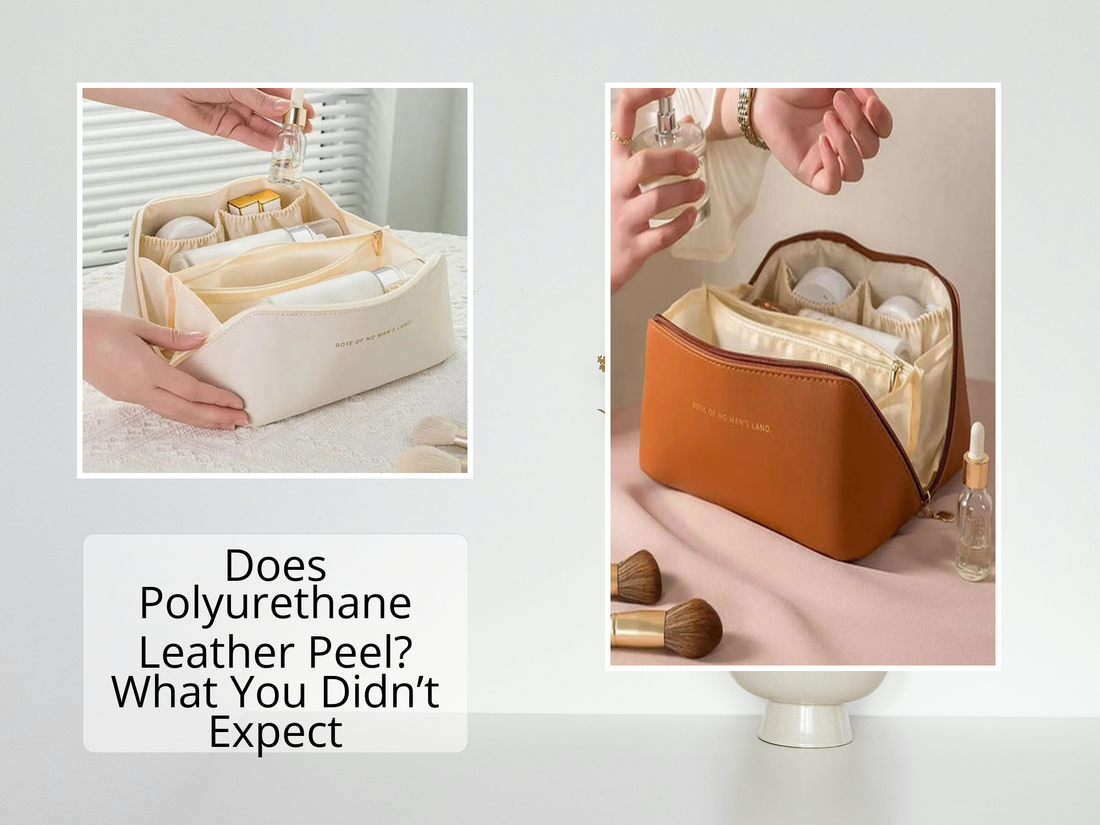
❓ Does PU leather peel easily over time?
✅ Yes, PU leather can peel over time. The risk depends on quality, environmental exposure, and care. High-grade polyurethane leather with strong bonding layers can last several years without visible peeling, while low-quality versions may start flaking within 1–2 years. Heat, UV light, humidity, friction, and harsh cleaners significantly accelerate degradation.
⏱ 7 min read
Does PU Leather Peel? The Truth About Polyurethane Leather Durability
Does polyurethane leather peel over time, or is it just an internet myth? Many consumers wonder whether PU leather will crack or flake on items like quilted makeup bags, durable purses, or water-resistant pouches. The answer is more nuanced: PU leather is a synthetic coating that can degrade, but its lifespan varies widely based on quality and care.
Understanding how PU leather is engineered—and why it sometimes fails—reveals the real science behind peeling, cracking, and long-term durability.
Direct Answer — Does PU Leather Peel?
The Short Answer
Yes, PU leather peels. Polyurethane leather contains a synthetic surface coating that gradually breaks down due to aging, friction, moisture, heat, sunlight, and daily use. As the coating deteriorates, it begins to crack, flake, and separate from the backing fabric.
Unlike genuine leather, which develops a patina over time, PU leather depends on an artificial surface layer. Once this layer weakens, peeling becomes one of the most common failure modes.
Does All PU Leather Eventually Peel?
Most PU leather products will eventually show some level of degradation. However, the timeline varies significantly.
- Low-quality PU leather: 1–3 years before peeling
- Mid-grade PU leather: 3–5 years
- High-quality PU leather: 5–10+ years with proper care
What Is PU Leather? Understanding Polyurethane Leather Construction
How PU Leather Is Made
PU leather is a synthetic material created by applying a polyurethane coating onto a fabric base such as polyester or cotton. The coating mimics the texture and appearance of genuine leather while remaining more affordable and flexible.
The Multi-Layer Structure Behind PU Leather
PU leather typically consists of multiple engineered layers:
- Protective top coating
- Polyurethane surface layer
- Adhesive bonding layer
- Fabric backing material
Peeling occurs when one or more of these layers weaken or separate due to stress or chemical breakdown.
PU Leather vs Faux Leather: Are They the Same?
Not exactly. Faux leather is a broad category that includes PU leather, PVC leather, and bonded leather. PU leather is simply one subtype within this category.
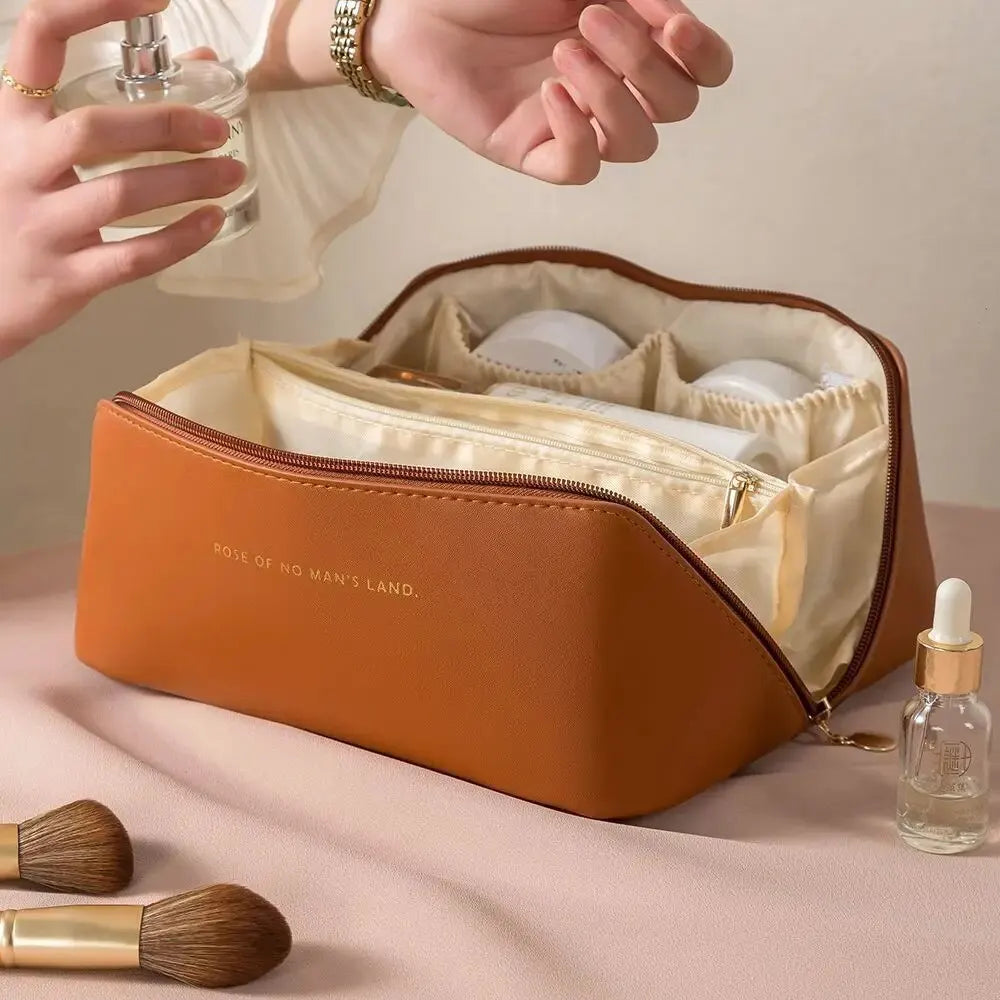
Durable PU leather travel accessory designed for daily use
Why Does PU Leather Peel?
The Science Behind Polyurethane Leather Peeling
PU leather peels when the polyurethane coating loses structural integrity. Over time, chemical reactions and physical stress weaken the surface until cracking and flaking appear.
Hydrolysis: The Most Common Cause of PU Leather Degradation
Hydrolysis occurs when moisture in the air reacts with polyurethane, breaking down polymer chains. This leads to brittleness, stiffness, and eventual peeling.
UV Damage and Oxidation
Sunlight accelerates oxidation, drying out the surface and making it more prone to cracking and discoloration.
Delamination: When the Surface Layer Separates
Delamination happens when the polyurethane coating separates from its fabric base, often resulting in large peeling patches that cannot be fully repaired.
Key Reasons PU Leather Peels
- Natural aging of polyurethane
- High humidity exposure
- UV radiation and sunlight
- Heat exposure
- Friction and repeated bending
- Body oils and sweat
- Harsh cleaning chemicals
- Poor manufacturing quality
Does PU Leather Peel Easily? Factors That Affect Durability
Product Quality Differences
Higher-grade PU leather uses stronger bonding agents and thicker protective coatings, significantly improving resistance to peeling.
Climate and Humidity Effects
Humid environments accelerate hydrolysis, while extremely dry climates may cause stiffness and micro-cracking.
Daily Wear and Friction
High-contact items such as handbags, chairs, and wallets experience faster degradation due to constant abrasion.
Cleaning Products That Accelerate Peeling
Alcohol, bleach, solvents, and abrasive cleaners can break down protective layers and shorten material lifespan.
How Long Does PU Leather Last Before Peeling?
Average Lifespan by Product Type
- PU leather office chairs: 2–5 years
- PU leather sofas: 3–7 years
- PU leather handbags: 2–6 years
- PU leather jackets: 3–8 years
- Premium PU leather goods: 5–10+ years
PU Leather Lifespan Timeline
- 0–2 years: Fully flexible, minimal wear
- 2–4 years: Minor surface stress appears
- 4–7 years: Cracking and localized peeling
- 7–10+ years: Significant degradation depending on care
PU Leather vs Genuine Leather Durability
Genuine leather can last decades, while PU leather has a finite lifespan due to coating breakdown. However, PU leather is more affordable, lightweight, and easier to maintain in daily use.
The Stages of PU Leather Peeling
Stage 1: Surface Drying
The material loses elasticity and feels less smooth.
Stage 2: Micro-Cracking
Tiny cracks form in high-stress areas.
Stage 3: Flaking and Peeling
Small pieces of coating begin to detach.
Stage 4: Large-Scale Delamination
Widespread separation of coating from fabric base occurs.
PU Leather vs Genuine Leather vs Bonded Leather vs PVC Leather
Which Material Peels Most Often?
- Bonded leather: Highest risk
- Low-quality PU leather: High risk
- PVC leather: Moderate risk
- Genuine leather: Lowest risk
Which Material Lasts the Longest?
- Genuine leather
- High-quality PU leather
- PVC leather
- Bonded leather
Maintenance Requirements Compared
Genuine leather requires conditioning, while PU leather relies mainly on cleaning, moisture control, and UV protection.
How to Prevent PU Leather Peeling
Cleaning and Maintenance Tips
- Use a microfiber cloth for regular cleaning
- Clean spills immediately
- Use mild soap only when necessary
- Avoid abrasive scrubbing
Storage and Environmental Protection
- Avoid direct sunlight exposure
- Store in cool, dry places
- Reduce humidity exposure
- Keep away from heat sources
Products and Habits to Avoid
- Alcohol-based cleaners
- Bleach or harsh solvents
- Excessive heat
- Long-term outdoor exposure
How to Stop PU Leather From Peeling Once It Starts
What You Can Realistically Repair
Minor surface damage can sometimes be improved, but structural degradation cannot be fully reversed.
Temporary Repair Methods
- Removing loose flakes carefully
- Applying flexible repair fillers
- Using color-matched coatings
- Sealing with protective finishes
When Repairs Will Not Work
If delamination is widespread, replacement is usually more cost-effective than repair.
Can Peeling PU Leather Be Repaired?
Temporary Fixes for Peeling Faux Leather
Repair kits and coatings can improve appearance temporarily in minor cases.
Professional Restoration Limitations
Even professional restoration cannot fully restore degraded polyurethane at a molecular level.
When Replacement Is the Better Option
Severe peeling or widespread cracking indicates the end of usable lifespan.
Common Myths About PU Leather Peeling
Myth: All Faux Leather Peels Quickly
Quality varies significantly; premium PU leather can last many years.
Myth: Leather Conditioner Prevents Peeling
Most conditioners do not stop polyurethane breakdown.
Myth: Peeling Means the Product Was Defective
Peeling is often normal aging, not a defect.
FAQ: PU Leather Peeling and Durability
Does PU leather peel off easily?
Low-quality PU leather peels quickly, while high-quality versions last significantly longer.
How long does polyurethane leather last?
Typically 3–10 years depending on quality and usage conditions.
Why does PU leather peel?
Hydrolysis, UV exposure, heat, friction, and aging degrade the coating over time.
How can I stop PU leather from peeling?
Proper cleaning, moisture control, UV protection, and gentle use can slow deterioration.
Can humidity cause polyurethane leather peeling?
Yes, humidity accelerates hydrolysis, a key degradation process.
Is peeling PU leather repairable permanently?
No, repairs are generally temporary and cosmetic.
Pillar Article: Polyurethane Leather vs Real Leather—Which One Lasts Longer?
Other Related Articles:
- Best Polyurethane Travel Bags of the Year—Are They Worth It?
- Is PU Leather Durable or Just Cheap Looking? Let’s Compare
- What’s the Real Difference Between Faux Leather and Polyurethane?
- Is Polyurethane Leather Durable? Real Reviews Say Yes—But…
Explore More:
- How to Clean PU Leather Without Cracking or Peeling
- Is PU Leather Real? Don’t Buy Before You Read This
❓ Does PU leather peel easily over time?
✅ Yes, PU leather can peel over time. The likelihood depends on material quality, environmental exposure, and care habits. High-grade polyurethane leather can remain intact for many years, while low-quality versions may begin flaking within 1–2 years due to coating breakdown, heat, UV exposure, humidity, and friction.
⏱ 7 min read
Does PU Leather Peel? The Truth About Polyurethane Leather Durability
Does polyurethane leather peel over time, or is it simply misunderstood? Many people wonder whether PU leather will crack or flake on items like quilted makeup bags, durable purses, or travel pouches. The truth is more technical than most guides explain: PU leather is a coated synthetic material that can degrade, but its lifespan depends heavily on how it is made and used.
To understand peeling, we need to look at how polyurethane leather is engineered and what causes its surface layer to break down over time.
Direct Answer — Does PU Leather Peel?
The Short Answer
Yes, PU leather peels. It is made with a polyurethane surface coating that naturally degrades over time. When this coating weakens, it begins to crack, flake, and separate from the fabric backing.
Unlike genuine leather, which ages through patina formation, PU leather relies on an artificial coating that has a finite lifespan.
Does All PU Leather Eventually Peel?
Most PU leather will eventually show some level of wear, but the timing varies widely:
- Low-quality PU leather: 1–3 years
- Mid-range PU leather: 3–5 years
- High-quality PU leather: 5–10+ years
What Is PU Leather? Understanding Polyurethane Leather Construction
How PU Leather Is Made
PU leather is produced by applying a polyurethane coating to a fabric base such as polyester or cotton. This coating is designed to mimic the look and texture of real leather while remaining lightweight and cost-effective.
The Multi-Layer Structure Behind PU Leather
PU leather is not a single material but a layered composite:
- Protective top finish
- Polyurethane surface layer
- Adhesive bonding layer
- Fabric backing (polyester/cotton)
Peeling typically begins when these layers lose adhesion due to stress, moisture, or chemical breakdown.
PU Leather vs Faux Leather: Are They the Same?
Faux leather is a general category that includes PU leather, PVC leather, and bonded leather. PU leather is one specific type within this group.
PU leather accessories are widely used in travel and daily organization
Why Does PU Leather Peel?
The Science Behind Degradation
PU leather peeling occurs when the polyurethane coating loses molecular stability. Over time, both chemical reactions and physical stress weaken the surface until it fractures.
Hydrolysis: Moisture Breakdown
Hydrolysis is one of the most important causes of PU leather failure. Moisture in the air reacts with polyurethane, slowly breaking polymer chains and making the surface brittle.
UV Damage and Oxidation
Sunlight exposure accelerates oxidation, drying out the coating and making it more prone to cracking and fading.
Delamination: Layer Separation
Delamination occurs when the PU layer detaches from its fabric base, often leading to large-scale peeling that cannot be reversed.
Main Causes Summary
- Natural aging of polyurethane
- Humidity and moisture exposure
- UV radiation
- Heat exposure
- Friction and bending
- Body oils and sweat
- Harsh cleaning chemicals
- Poor manufacturing quality
Does PU Leather Peel Easily? Factors That Affect Durability
Product Quality Differences
Higher-quality PU leather uses stronger binders and thicker coatings, significantly improving resistance to cracking and peeling.
Climate and Humidity Effects
High humidity accelerates hydrolysis, while dry environments may increase surface brittleness.
Daily Wear and Friction
Items exposed to frequent contact—such as bags, wallets, and chairs—experience faster degradation.
Cleaning Products That Accelerate Damage
Alcohol, bleach, and harsh solvents can break down the protective coating prematurely.
How Long Does PU Leather Last Before Peeling?
Average Lifespan by Product Type
- Handbags: 2–6 years
- Office chairs: 2–5 years
- Sofas: 3–7 years
- Jackets: 3–8 years
- Premium PU products: 5–10+ years
PU Leather Lifespan Timeline
- 0–2 years: Stable and flexible
- 2–4 years: Early wear signs appear
- 4–7 years: Cracking and peeling begin
- 7–10+ years: Significant degradation
PU Leather vs Genuine Leather
Genuine leather can last decades, while PU leather has a finite lifespan because its synthetic coating inevitably degrades over time.
The Stages of PU Leather Peeling
Stage 1: Surface Drying
Loss of softness and flexibility begins.
Stage 2: Micro-Cracking
Small cracks appear in high-stress areas.
Stage 3: Flaking
Surface particles begin to detach.
Stage 4: Delamination
Large sections separate from the backing layer.
PU Leather vs Genuine Leather vs Bonded Leather vs PVC Leather
Which Material Peels Most?
- Bonded leather: highest risk
- Low-quality PU leather: high risk
- PVC leather: moderate risk
- Genuine leather: lowest risk
Which Lasts Longest?
- Genuine leather
- High-quality PU leather
- PVC leather
- Bonded leather
Maintenance Differences
PU leather requires cleaning and environmental protection, while genuine leather requires conditioning and long-term care.
How to Prevent PU Leather Peeling
Cleaning & Care
- Use microfiber cloths
- Clean spills immediately
- Use mild soap only when necessary
- Avoid abrasive scrubbing
Storage Conditions
- Avoid direct sunlight
- Store in cool, dry environments
- Reduce humidity exposure
- Keep away from heat sources
What to Avoid
- Alcohol-based cleaners
- Bleach or solvents
- High heat exposure
- Long outdoor storage
Repair & Recovery
What Can Be Fixed
Minor surface damage can sometimes be improved, but structural peeling cannot be fully reversed.
Temporary Repair Methods
- Removing loose flakes
- Using flexible repair fillers
- Applying color-matched coatings
- Sealing with protective finishes
When Repair Is Not Effective
If delamination is widespread, replacement is usually more practical than repair.
Common Myths About PU Leather
Myth: All faux leather peels quickly
Quality varies widely—premium PU leather can last many years.
Myth: Conditioner prevents peeling
Most conditioners do not stop polyurethane degradation.
Myth: Peeling means defect
Peeling is often normal material aging, not a manufacturing flaw.
FAQ: PU Leather Peeling and Durability
Does PU leather peel off easily?
Low-quality PU leather peels faster, while higher-quality versions last significantly longer.
How long does polyurethane leather last?
Typically 3–10 years depending on quality and usage conditions.
Why does PU leather peel?
Hydrolysis, UV exposure, heat, friction, and aging degrade the coating over time.
How can I stop PU leather from peeling?
Proper cleaning, moisture control, UV protection, and careful use can slow deterioration.
Can humidity cause PU leather peeling?
Yes. Humidity accelerates hydrolysis, a key degradation process.
Is peeling PU leather repairable permanently?
No. Repairs are usually temporary and cosmetic only.
Pillar Article: Polyurethane Leather vs Real Leather—Which One Lasts Longer?
Other Related Articles:
- Best Polyurethane Travel Bags of the Year—Are They Worth It?
- Is PU Leather Durable or Just Cheap Looking? Let’s Compare
- What’s the Real Difference Between Faux Leather and Polyurethane?
- Is Polyurethane Leather Durable? Real Reviews Say Yes—But…
Explore More:













